Department of Pharmaceutical Sciences, College of Pharmacy, Western University of Health Sciences, Pomona, California.
College of Osteopathic Medicine of the Pacific, Western University of Health Sciences, Pomona, California.
Cancer Prev Res (Phila). 2021 May;14(5):527-540. doi: 10.1158/1940-6207.CAPR-20-0609. Epub 2021 Mar 1.
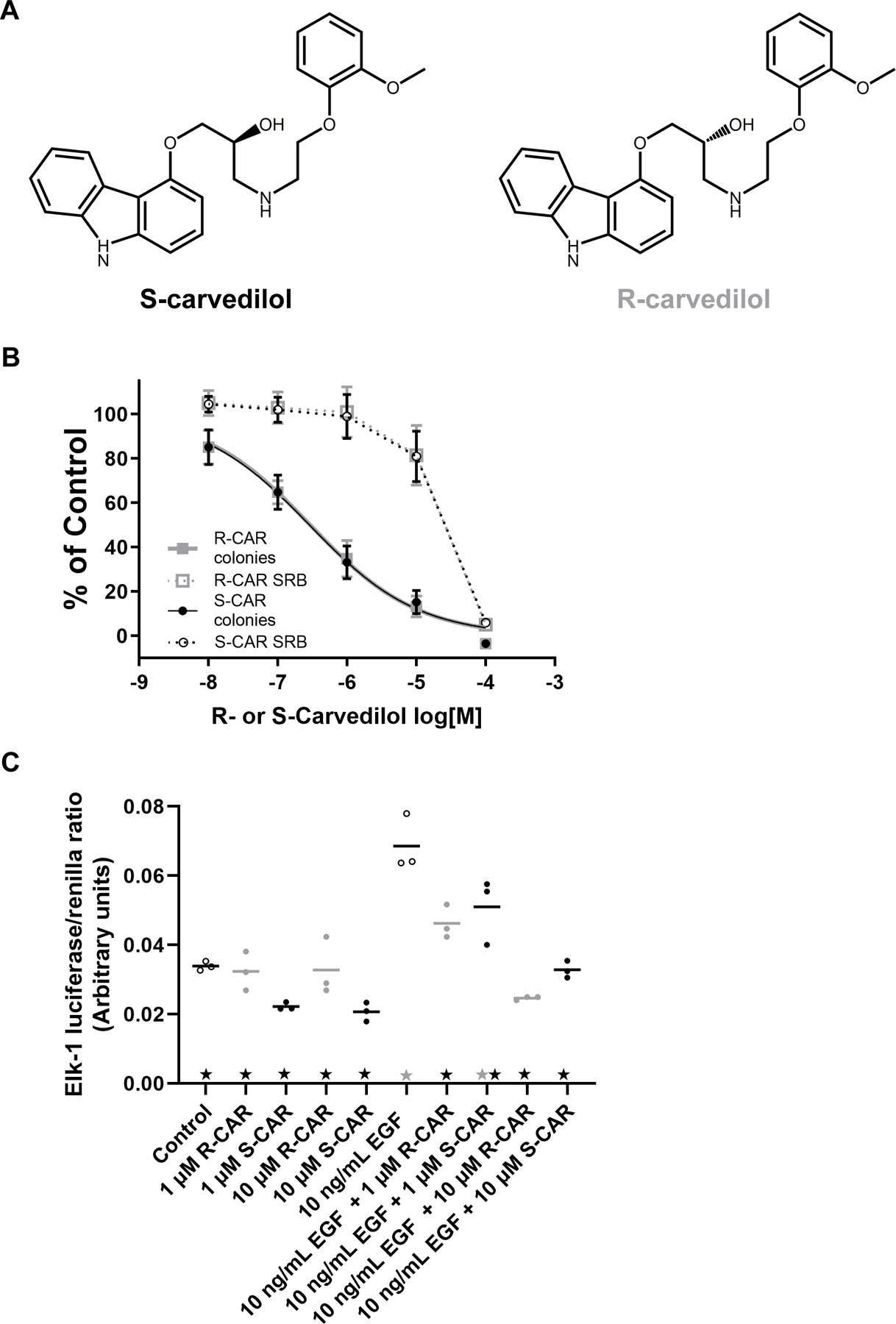
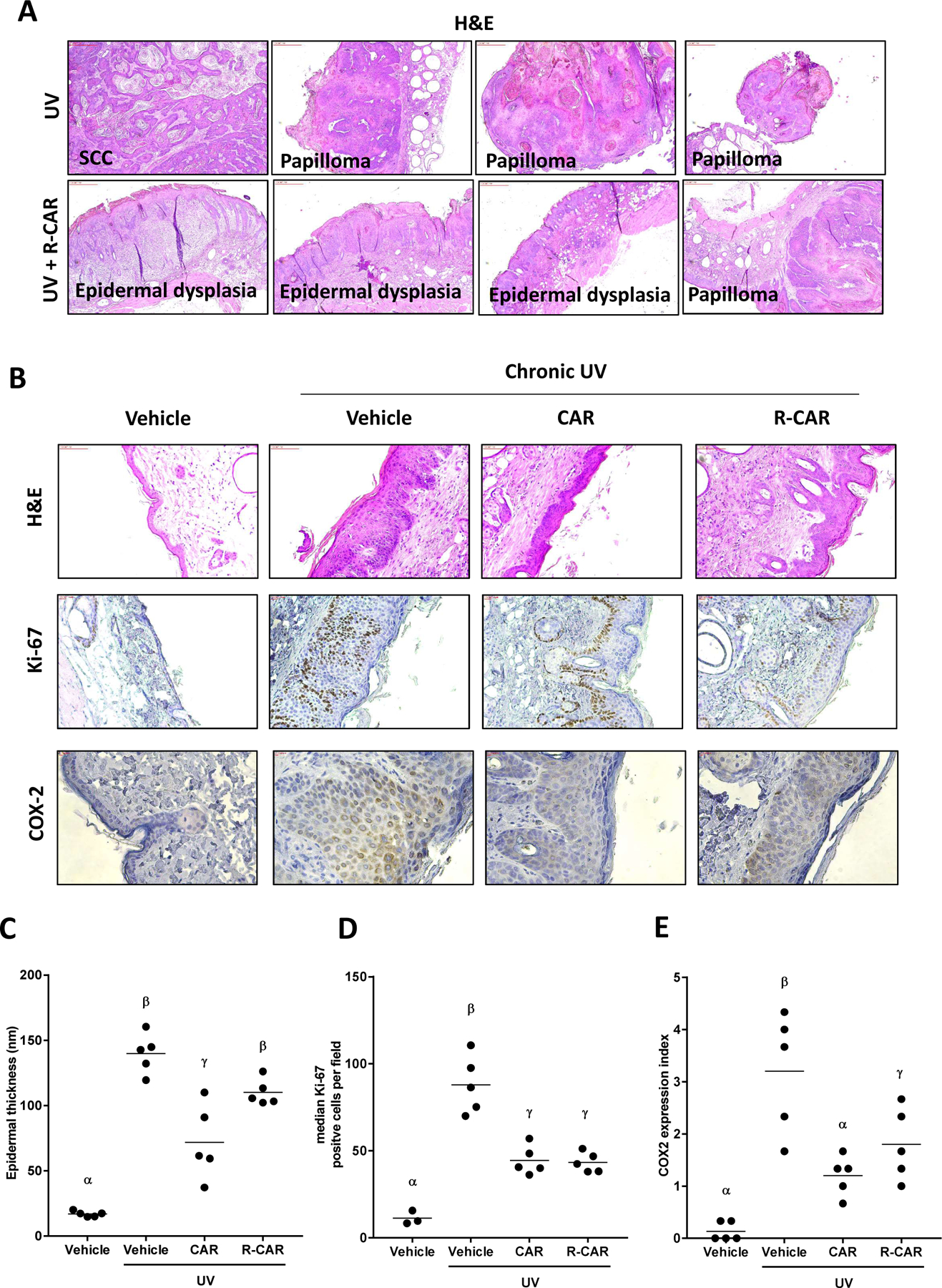
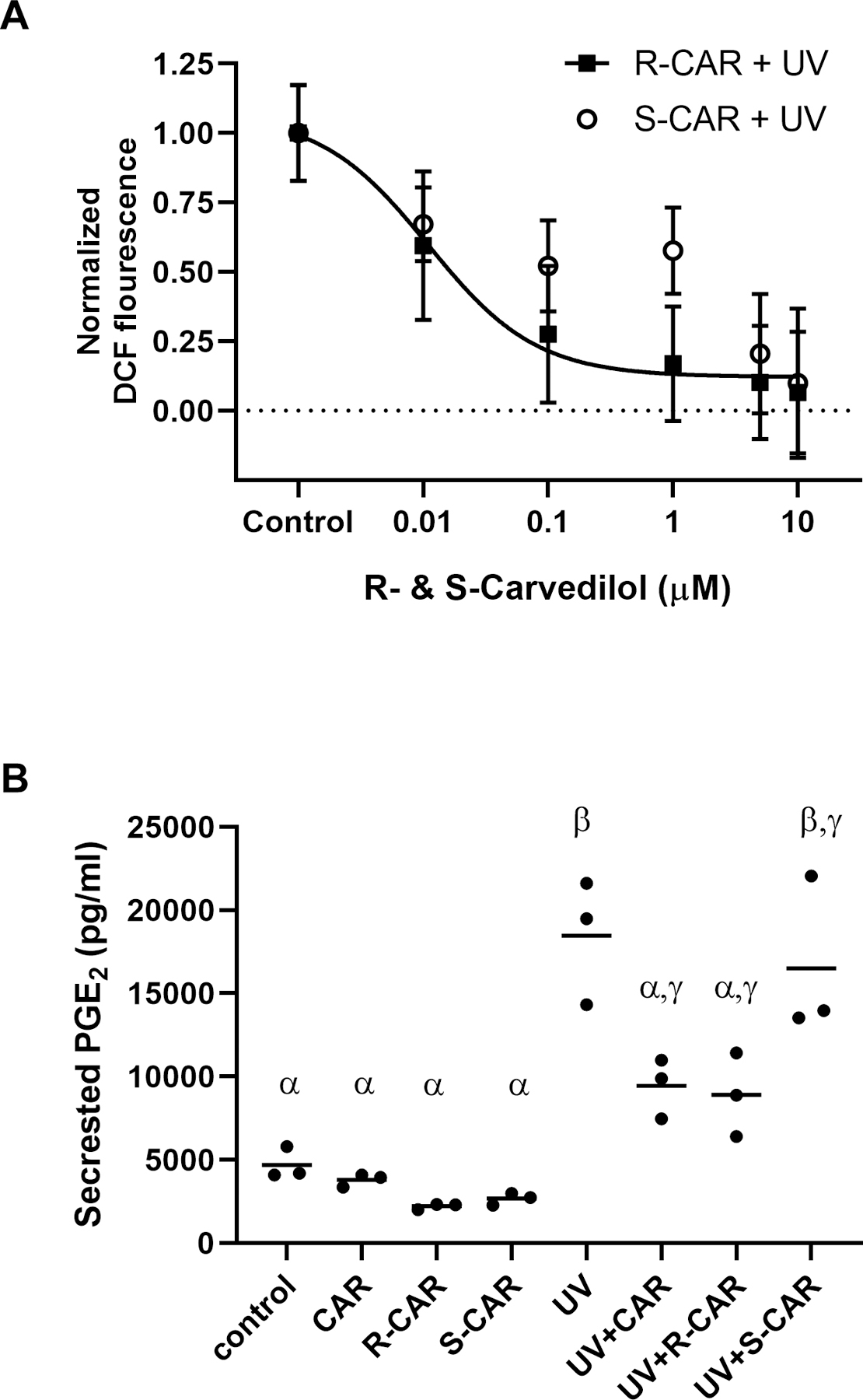
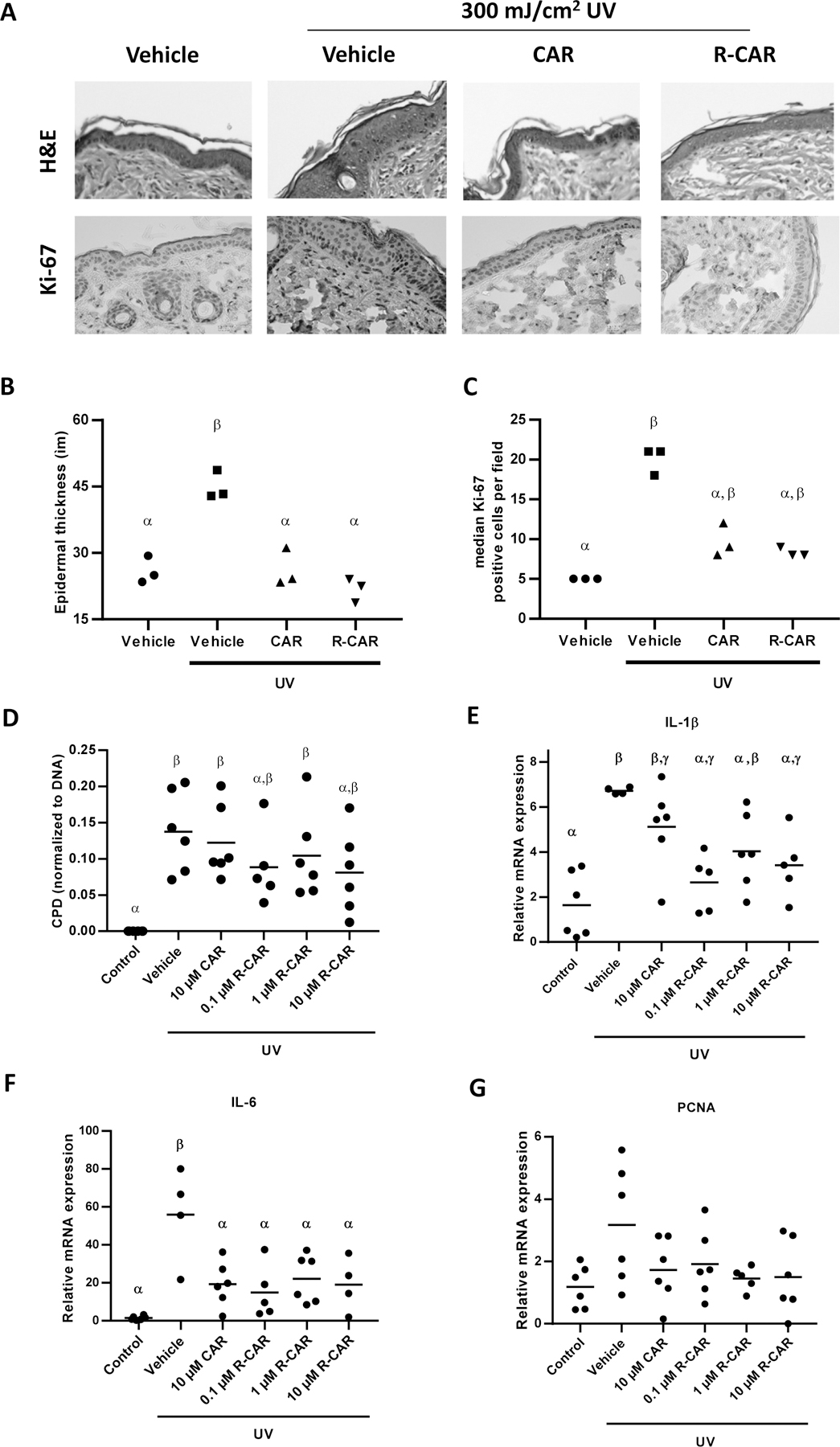
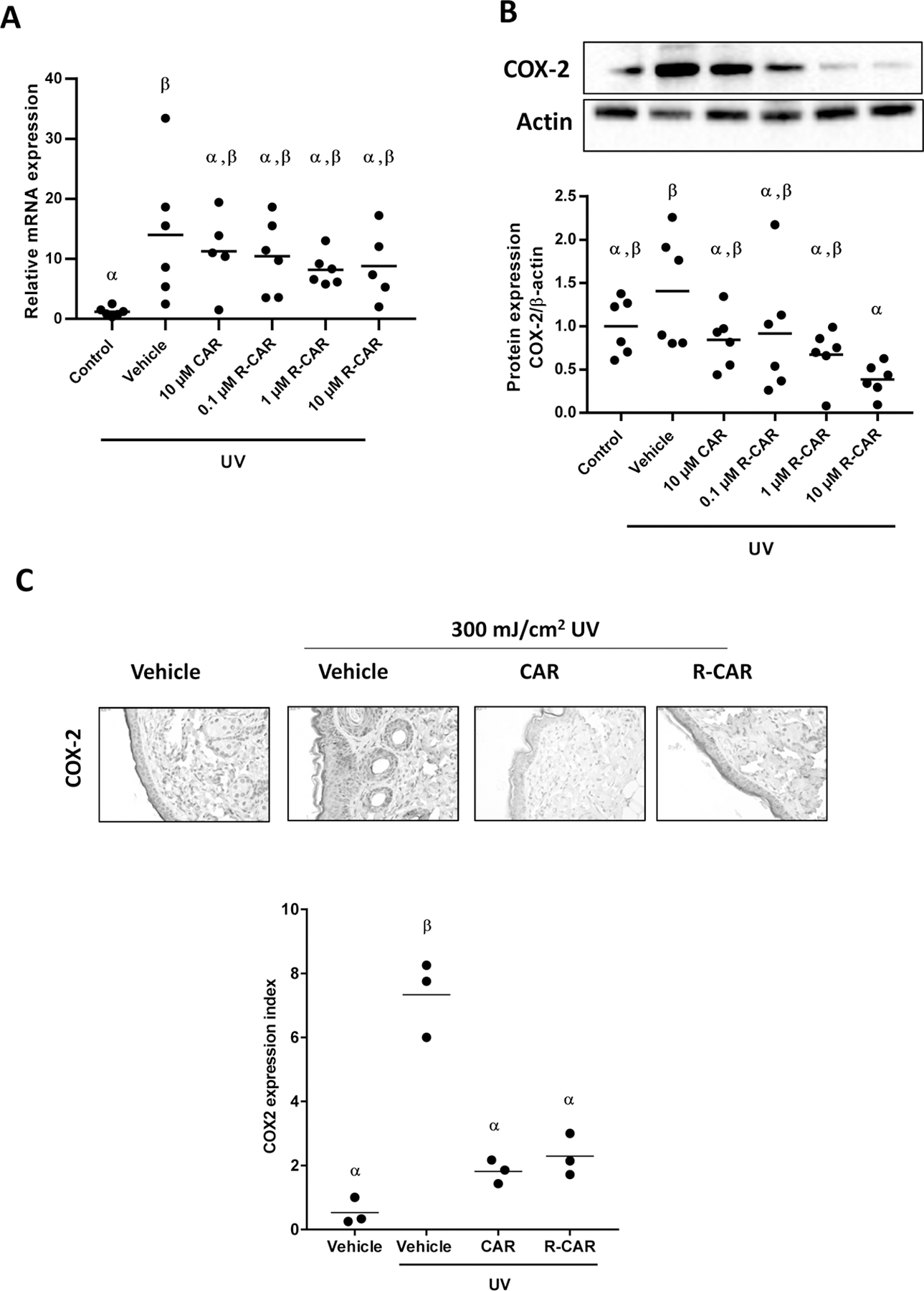
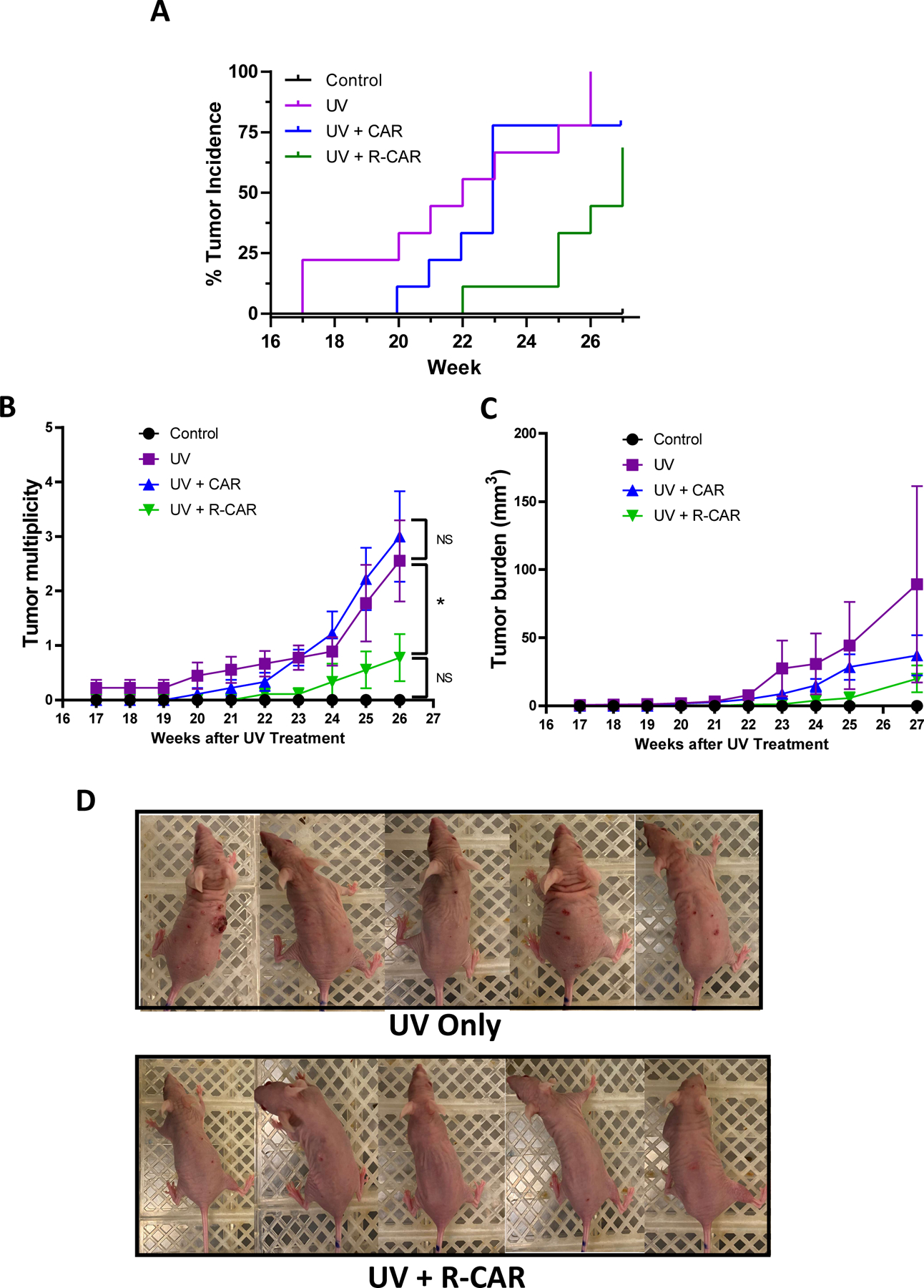
Skin cancer is the most common malignancy worldwide and is rapidly rising in incidence, representing a significant public health challenge. The β-blocker, carvedilol, has shown promising effects in preventing skin cancer. However, as a potent β-blocker, repurposing carvedilol to an anticancer agent is limited by cardiovascular effects. Carvedilol is a racemic mixture consisting of equimolar S- and R-carvedilol, whereas the R-carvedilol enantiomer does not possess β-blocking activity. Because previous studies suggest that carvedilol's cancer preventive activity is independent of β-blockade, we examined the skin cancer preventive activity of R-carvedilol compared with S-carvedilol and the racemic carvedilol. R- and S-carvedilol were equally effective in preventing EGF-induced neoplastic transformation of the mouse epidermal JB6 Cl 41-5a (JB6 P+) cells and displayed similar attenuation of EGF-induced ELK-1 activity. R-carvedilol appeared slightly better than S-carvedilol against UV-induced intracellular oxidative stress and release of prostaglandin E from the JB6 P+ cells. In an acute UV-induced skin damage and inflammation mouse model using a single irradiation of 300 mJ/cm UV, topical treatment with R-carvedilol dose dependently attenuated skin edema and reduced epidermal thickening, Ki-67 staining, COX-2 protein, and IL6 and IL1β mRNA levels similar to carvedilol. In a chronic UV (50-150 mJ/cm) induced skin carcinogenesis model in mice with pretreatment of test agents, topical treatment with R-carvedilol, but not racemic carvedilol, significantly delayed and reduced skin squamous cell carcinoma development. Therefore, as an enantiomer present in an FDA-approved agent, R-carvedilol may be a better option for developing a safer and more effective preventive agent for skin carcinogenesis. PREVENTION RELEVANCE: In this study, we demonstrated the skin cancer preventive activity of R-carvedilol, the non-β-blocking enantiomer present in the racemic β-blocker, carvedilol. As R-carvedilol does not have β-blocking activity, such a preventive treatment would not lead to common cardiovascular side effects of β-blockers.
皮肤癌是全球最常见的恶性肿瘤,其发病率迅速上升,对公共健康构成了重大挑战。β受体阻滞剂卡维地洛在预防皮肤癌方面显示出良好的效果。然而,作为一种强效的β受体阻滞剂,将卡维地洛重新用于抗癌药物受到心血管作用的限制。卡维地洛是一种由等摩尔 S-和 R-卡维地洛组成的外消旋混合物,而 R-卡维地洛对映体不具有β阻断活性。由于先前的研究表明,卡维地洛的抗癌活性与β阻断无关,我们研究了 R-卡维地洛与 S-卡维地洛和外消旋卡维地洛相比对皮肤癌的预防作用。R-和 S-卡维地洛在预防 EGF 诱导的小鼠表皮 JB6 Cl 41-5a(JB6 P+)细胞肿瘤转化方面同样有效,并且对 EGF 诱导的 ELK-1 活性的抑制作用相似。R-卡维地洛对 UV 诱导的细胞内氧化应激和 JB6 P+细胞中前列腺素 E 释放的抑制作用略优于 S-卡维地洛。在单次 300 mJ/cm UV 照射的急性 UV 诱导皮肤损伤和炎症小鼠模型中,R-卡维地洛的局部治疗剂量依赖性地减轻皮肤水肿并减少表皮增厚、Ki-67 染色、COX-2 蛋白和 IL6 和 IL1β mRNA 水平,与卡维地洛相似。在预先用受试药物处理的小鼠慢性 UV(50-150 mJ/cm)诱导皮肤癌发生模型中,R-卡维地洛的局部治疗而非外消旋卡维地洛显著延迟和减少皮肤鳞状细胞癌的发展。因此,作为一种存在于 FDA 批准药物中的对映体,R-卡维地洛可能是开发更安全、更有效的皮肤癌发生预防剂的更好选择。预防相关性:在这项研究中,我们证明了 R-卡维地洛,即外消旋β受体阻滞剂卡维地洛中存在的非β阻断对映体的皮肤癌预防活性。由于 R-卡维地洛没有β阻断活性,因此这种预防治疗不会导致β受体阻滞剂常见的心血管副作用。