Department of Surgery, Hospital of the University of Pennsylvania, Philadelphia, Pennsylvania.
Cancer Immunol Res. 2021 May;9(5):542-553. doi: 10.1158/2326-6066.CIR-20-0692. Epub 2021 Mar 1.
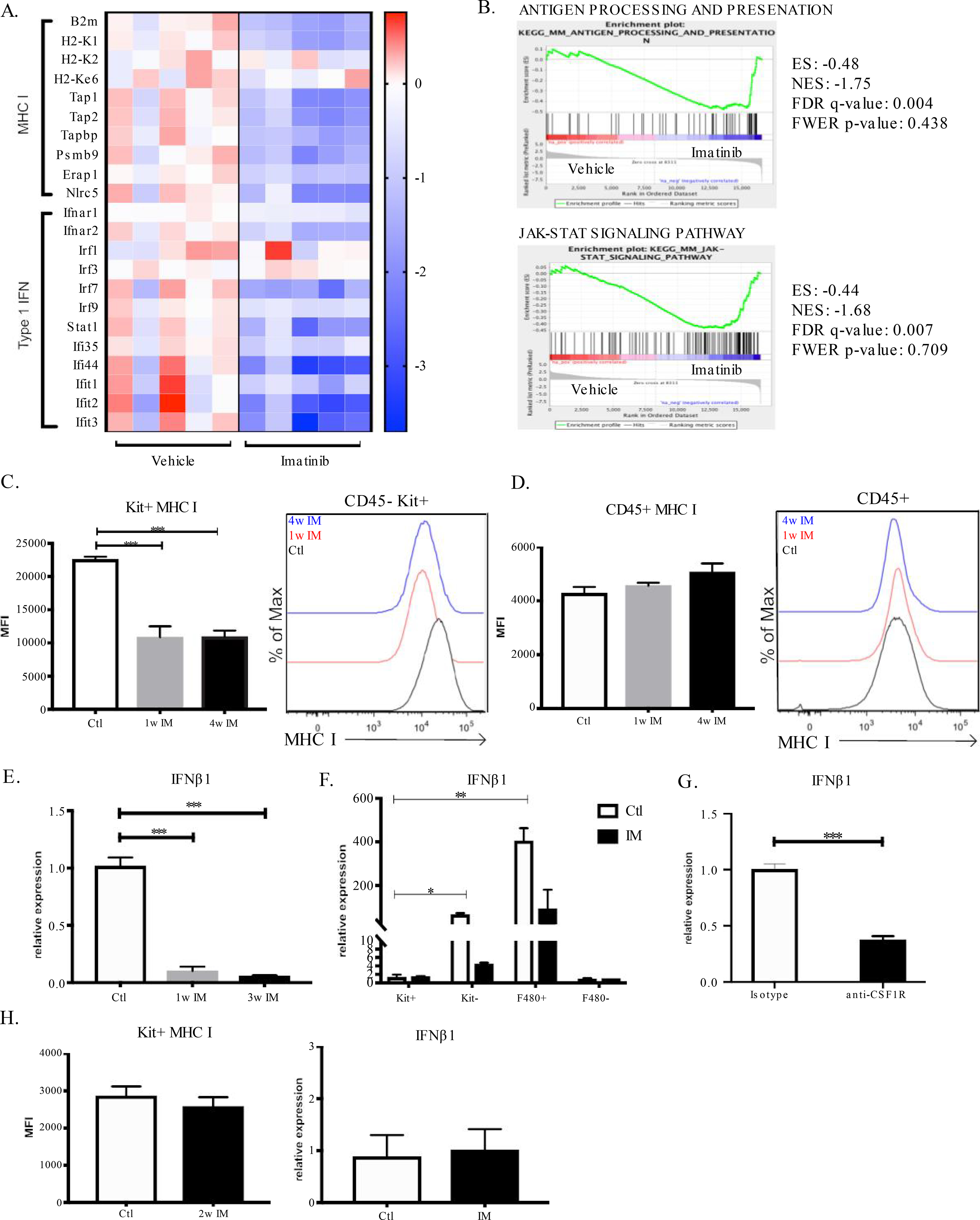
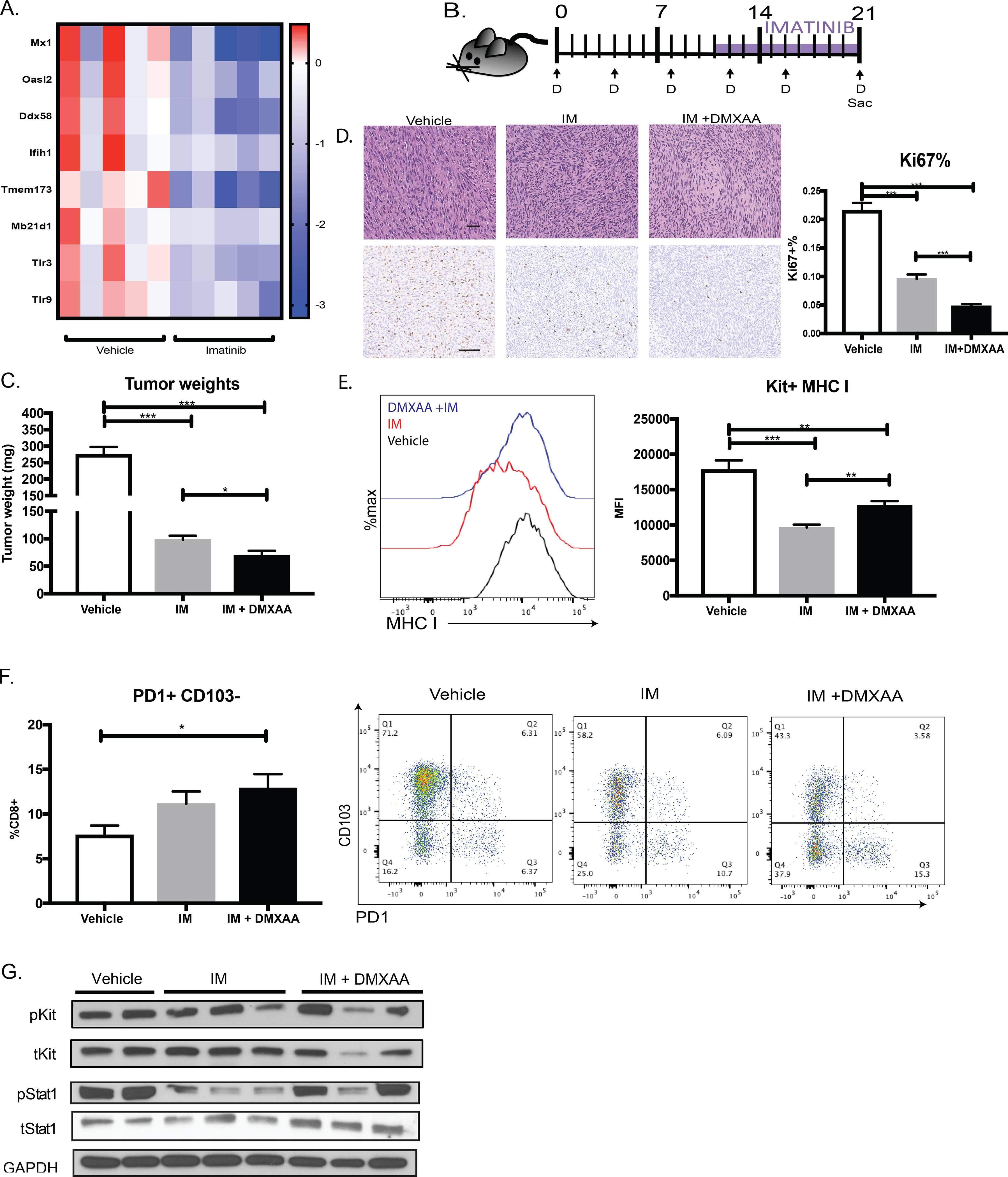
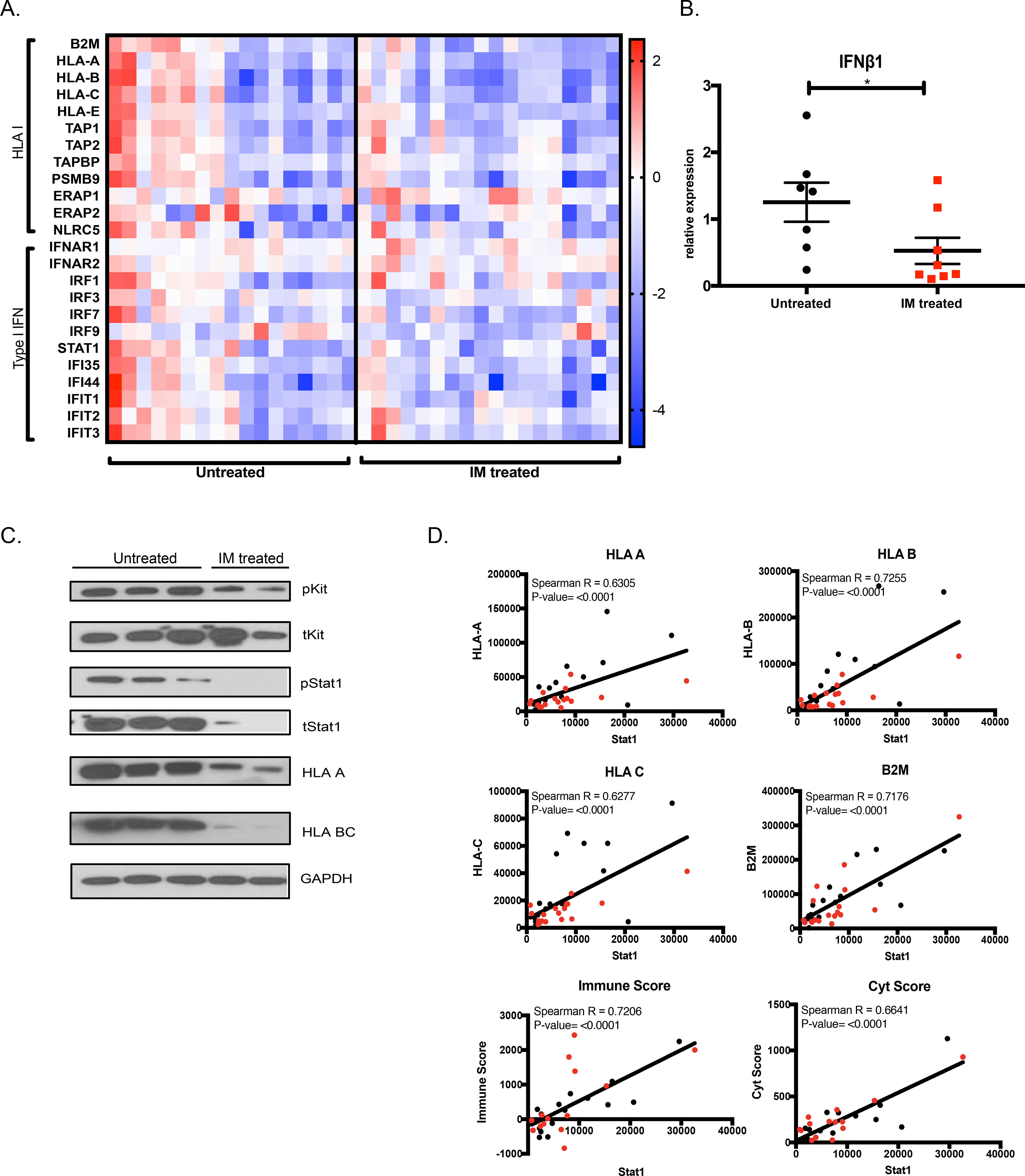
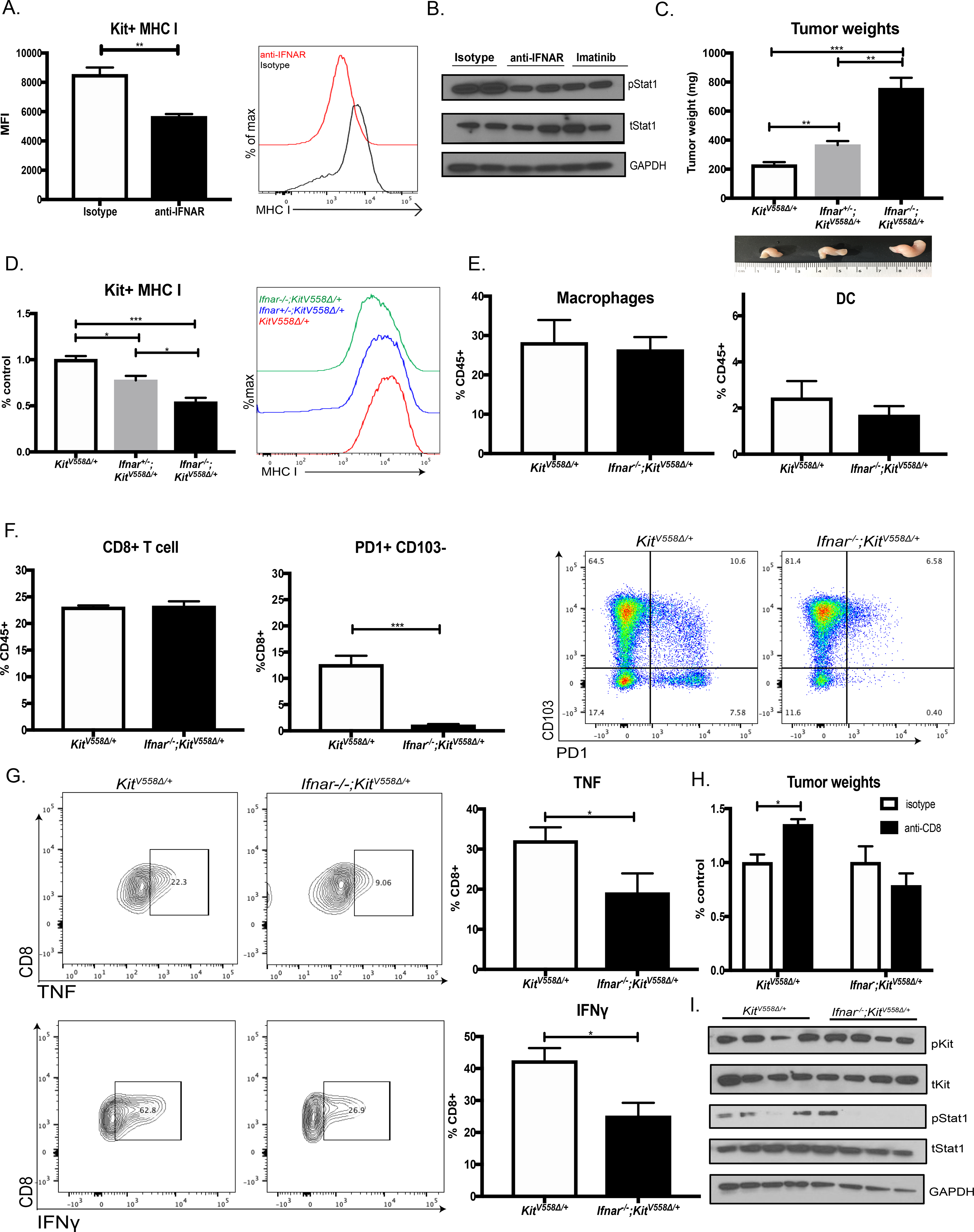
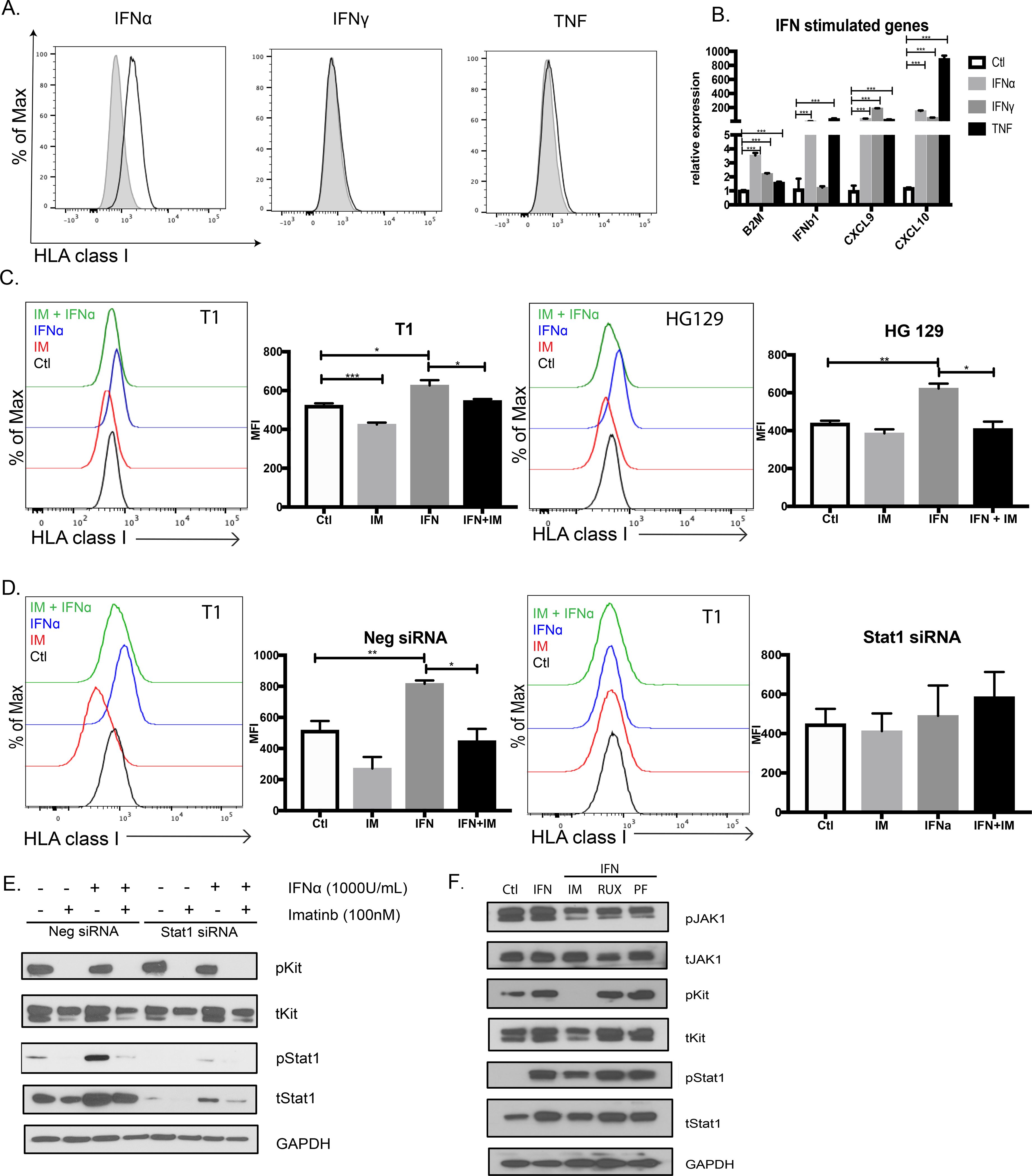
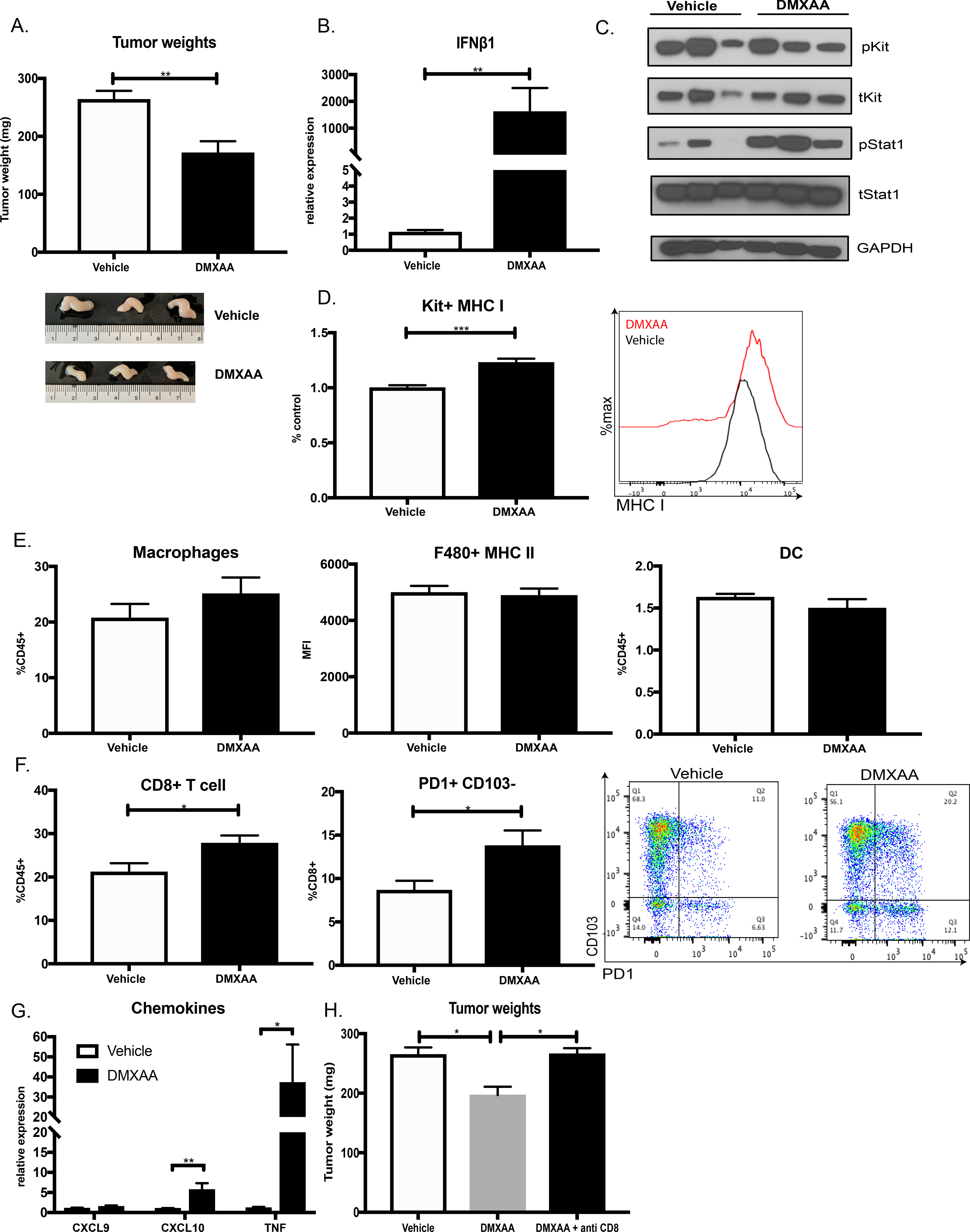
Type I IFNs are implicated in tumor immunogenicity and response to systemic therapy, but their interaction with oncogene signaling is not well understood. Here, we studied oncogenic KIT, which drives gastrointestinal stromal tumor (GIST), the most common sarcoma. Using mouse models of GIST, we found that KIT inhibition reduced type I IFN production and signaling, which downregulated tumor MHC class I expression. Absence of type I IFN signaling increased tumor size, in part due to CD8 T-cell impairment. Oncogenic KIT was required for GIST type I IFN signal transduction via STAT1. In human GIST cell lines and surgical specimens, type I IFN signaling contributed to human lymphocyte antigen class I expression and correlated with tumor immunogenicity. Augmenting the type I IFN response partially compensated for the immunosuppressive effects of KIT inhibition. Thus, KIT signaling contributes to type I IFN signaling, whereas KIT inhibition attenuates tumor immunogenicity and is partly rescued by innate immune stimulation..
I 型干扰素与肿瘤免疫原性和对全身治疗的反应有关,但它们与癌基因信号的相互作用尚不清楚。在这里,我们研究了驱动胃肠道间质瘤(GIST)的致癌 KIT,GIST 是最常见的肉瘤。使用 GIST 的小鼠模型,我们发现 KIT 抑制减少了 I 型 IFN 的产生和信号转导,从而下调了肿瘤 MHC Ⅰ类表达。缺乏 I 型 IFN 信号会增加肿瘤大小,部分原因是 CD8 T 细胞功能受损。致癌 KIT 通过 STAT1 参与 GIST 的 I 型 IFN 信号转导。在人类 GIST 细胞系和手术标本中,I 型 IFN 信号促进人类淋巴细胞抗原Ⅰ类表达,并与肿瘤免疫原性相关。增强 I 型 IFN 反应部分补偿了 KIT 抑制的免疫抑制作用。因此,KIT 信号有助于 I 型 IFN 信号,而 KIT 抑制会减弱肿瘤免疫原性,并且通过先天免疫刺激部分得到挽救。