School of Biomedical Sciences and Engineering, South China University of Technology, Guangzhou International Campus, Guangzhou, 511442, PR China.
School of Life Sciences, University of Science and Technology of China, Hefei, 230027, PR China.
Nat Commun. 2021 Mar 1;12(1):1359. doi: 10.1038/s41467-021-21497-6.
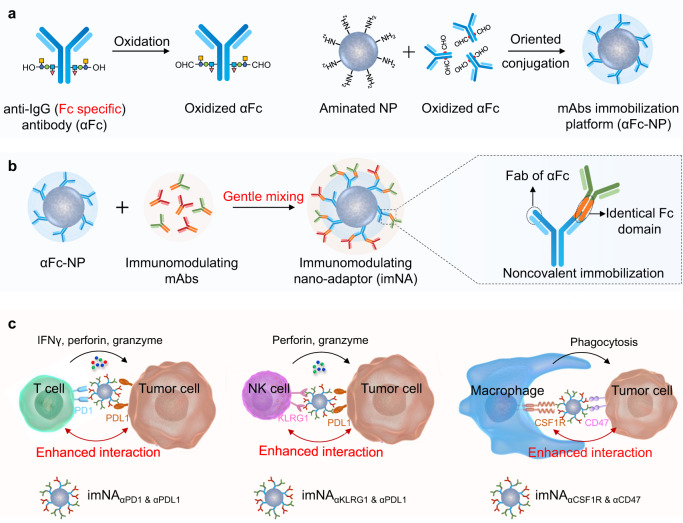
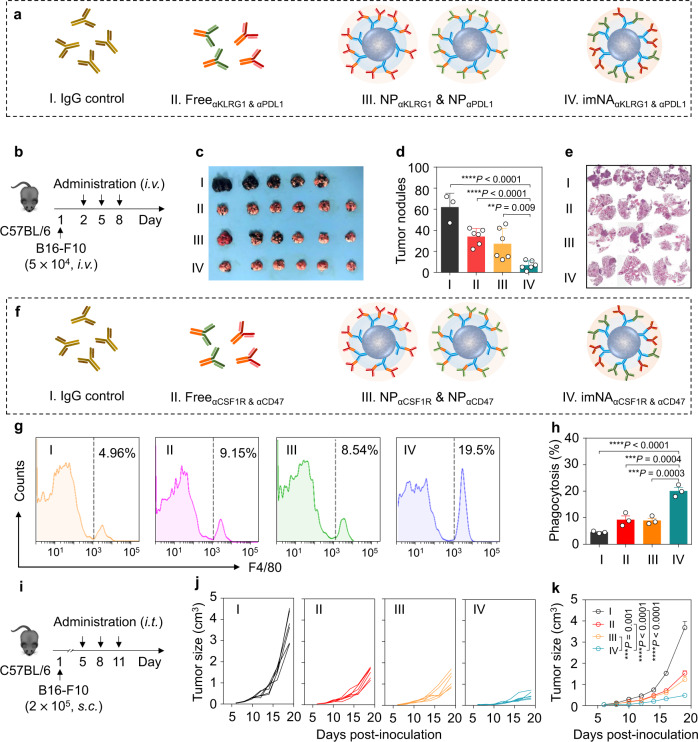
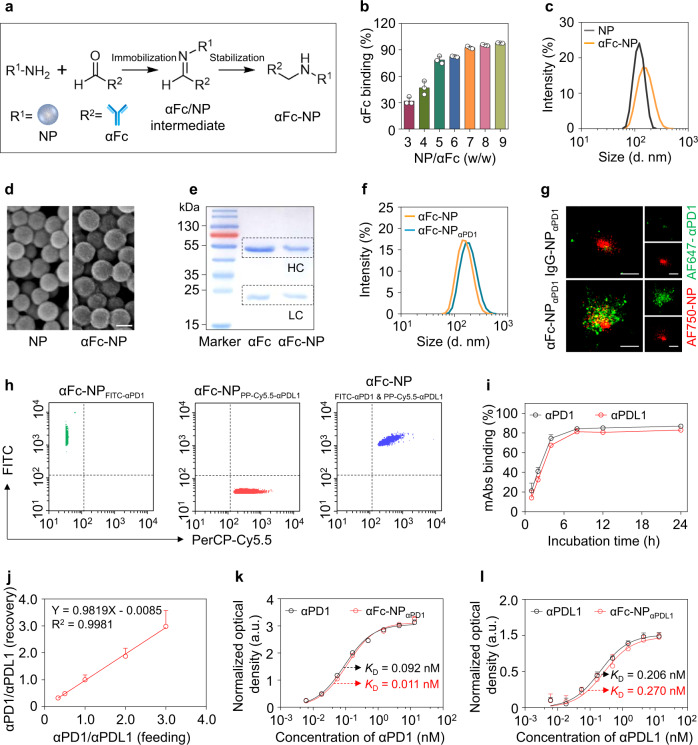
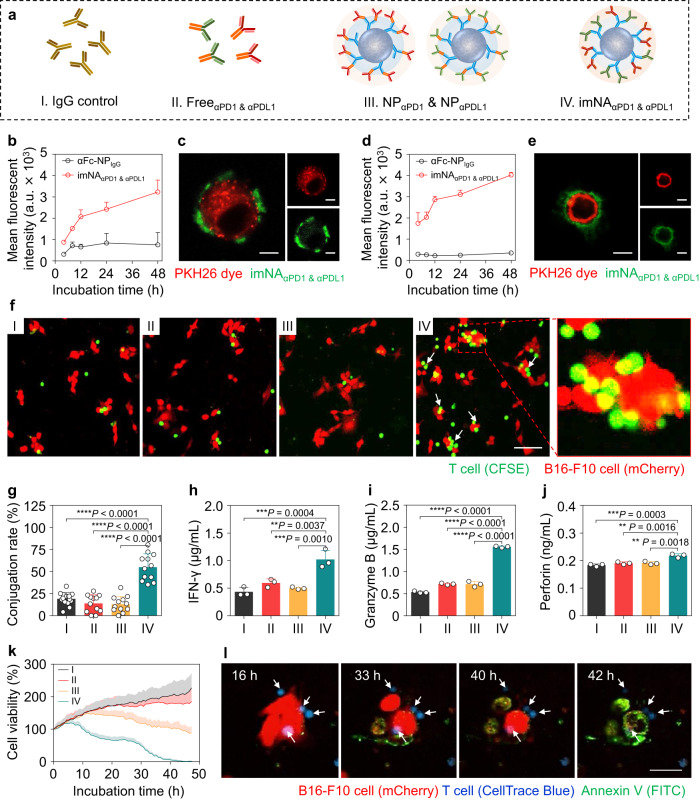
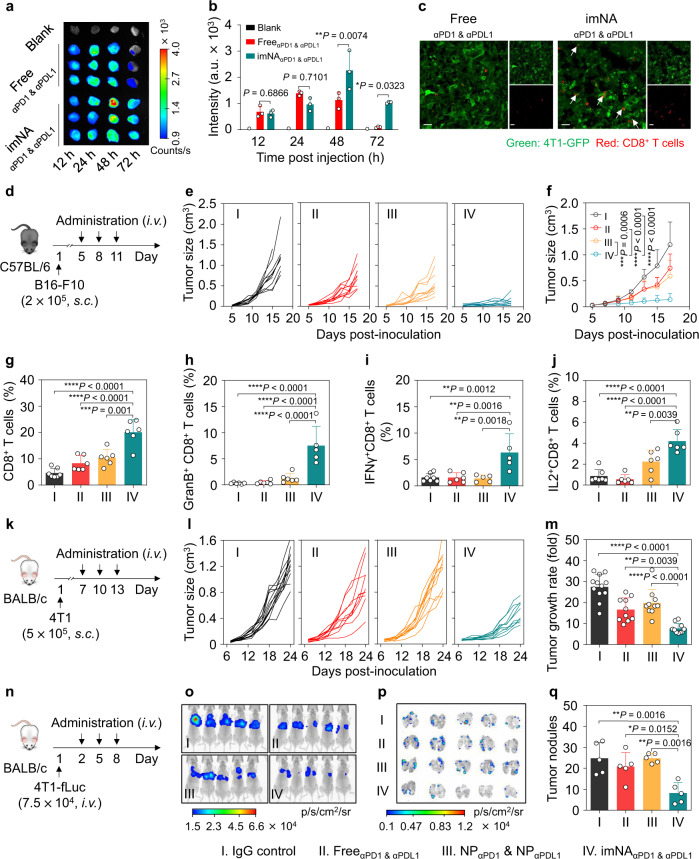
Modulating effector immune cells via monoclonal antibodies (mAbs) and facilitating the co-engagement of T cells and tumor cells via chimeric antigen receptor- T cells or bispecific T cell-engaging antibodies are two typical cancer immunotherapy approaches. We speculated that immobilizing two types of mAbs against effector cells and tumor cells on a single nanoparticle could integrate the functions of these two approaches, as the engineered formulation (immunomodulating nano-adaptor, imNA) could potentially associate with both cells and bridge them together like an 'adaptor' while maintaining the immunomodulatory properties of the parental mAbs. However, existing mAbs-immobilization strategies mainly rely on a chemical reaction, a process that is rough and difficult to control. Here, we build up a versatile antibody immobilization platform by conjugating anti-IgG (Fc specific) antibody (αFc) onto the nanoparticle surface (αFc-NP), and confirm that αFc-NP could conveniently and efficiently immobilize two types of mAbs through Fc-specific noncovalent interactions to form imNAs. Finally, we validate the superiority of imNAs over the mixture of parental mAbs in T cell-, natural killer cell- and macrophage-mediated antitumor immune responses in multiple murine tumor models.
通过单克隆抗体 (mAbs) 调节效应免疫细胞,并通过嵌合抗原受体-T 细胞或双特异性 T 细胞结合抗体促进 T 细胞和肿瘤细胞的共同结合,是两种典型的癌症免疫治疗方法。我们推测,将两种针对效应细胞和肿瘤细胞的 mAbs 固定在单个纳米颗粒上可以整合这两种方法的功能,因为工程化配方(免疫调节纳米接头,imNA)可能同时与两种细胞结合,并像“接头”一样将它们桥接在一起,同时保持亲本 mAbs 的免疫调节特性。然而,现有的 mAbs 固定化策略主要依赖于化学反应,这是一个粗糙且难以控制的过程。在这里,我们通过将抗 IgG(Fc 特异性)抗体(αFc)缀合到纳米颗粒表面(αFc-NP),建立了一个通用的抗体固定化平台,并证实αFc-NP 可以通过 Fc 特异性非共价相互作用方便有效地固定两种类型的 mAbs,从而形成 imNAs。最后,我们在多个小鼠肿瘤模型中验证了 imNAs 优于亲本 mAbs 混合物在 T 细胞、自然杀伤细胞和巨噬细胞介导的抗肿瘤免疫反应中的优越性。