
聚合物纳米颗粒在喉癌细胞和免疫细胞内摄取的定量评估以增强药物递送
Quantitative evaluation of cellular internalization of polymeric nanoparticles within laryngeal cancer cells and immune cells for enhanced drug delivery.
作者信息
Ma Li-Juan, Niu Ruichao, Wu Xi, Wu Jun, Zhou En, Xiao Xu-Ping, Chen Jie
机构信息
Department of Otolaryngology Head/Neck Surgery, Hunan Provincial People's Hospital, The First Affiliated Hospital of Hunan Normal University, Changsha, 410005, People's Republic of China.
Department of Respiratory Medicine, Xiangya Hospital, Central South University, Hunan Province, Changsha, People's Republic of China.
出版信息
Nanoscale Res Lett. 2021 Mar 2;16(1):40. doi: 10.1186/s11671-021-03498-y.
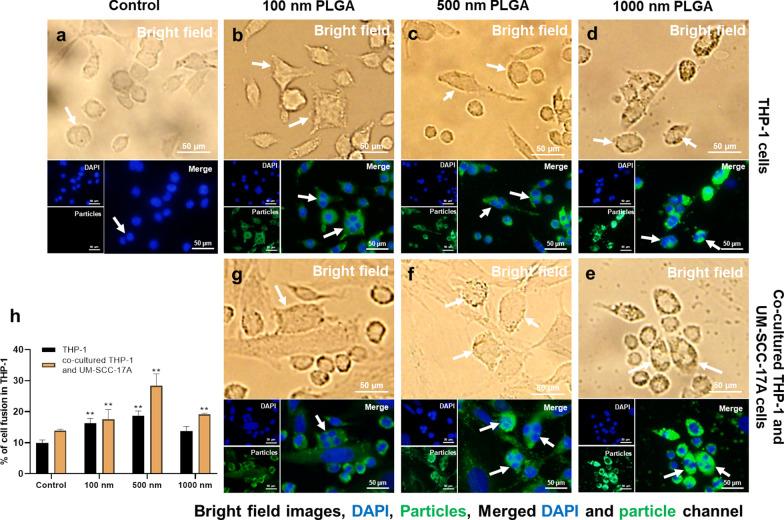
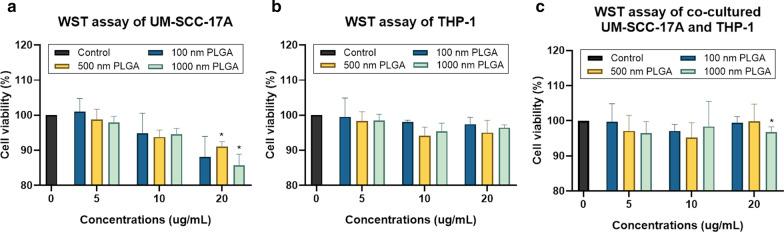
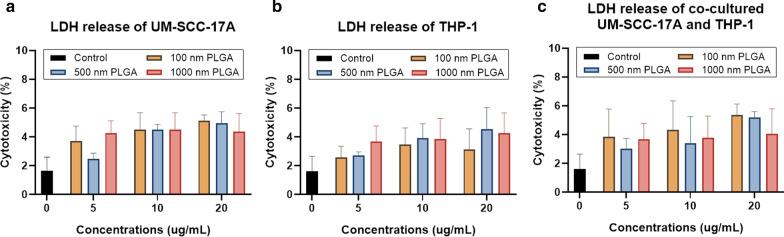
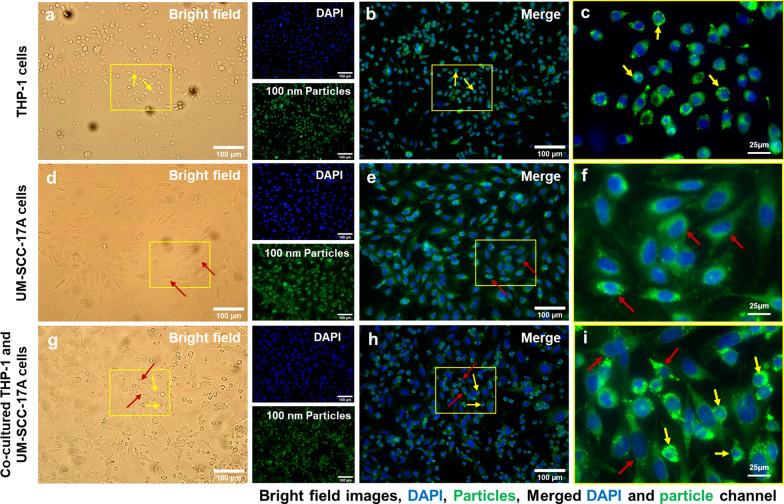
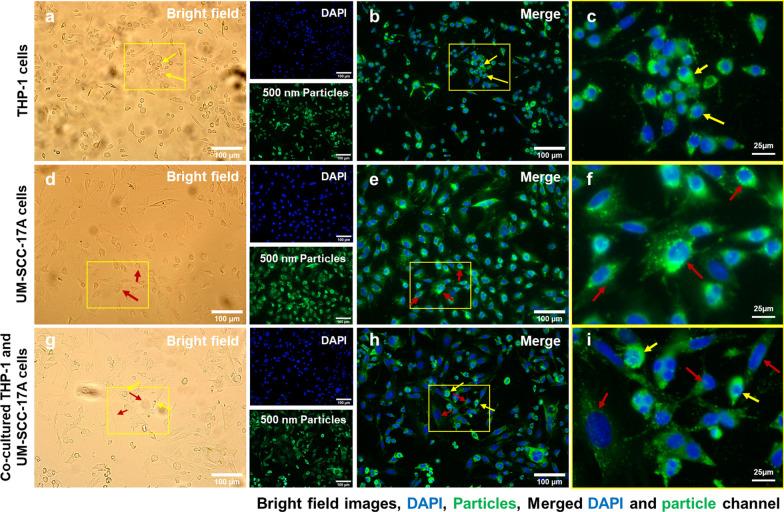
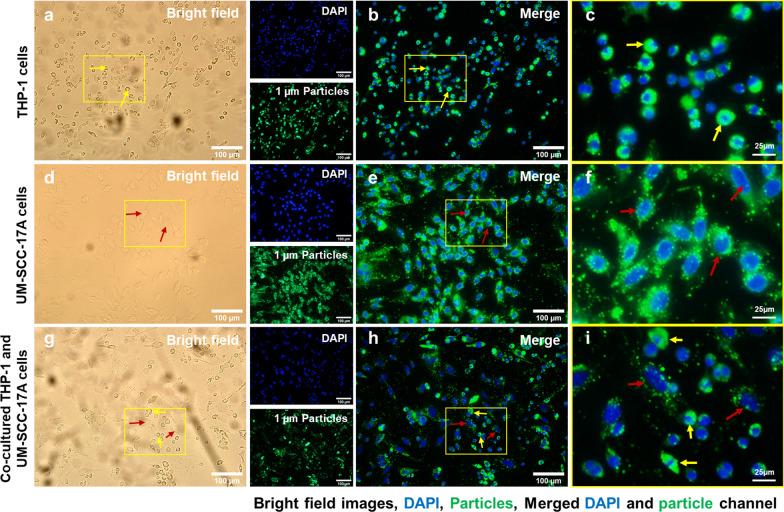
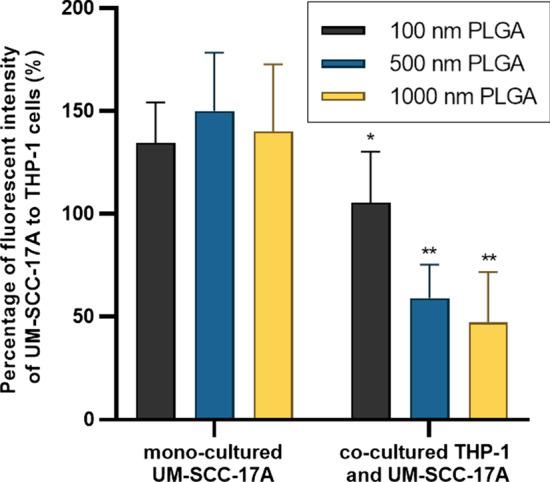
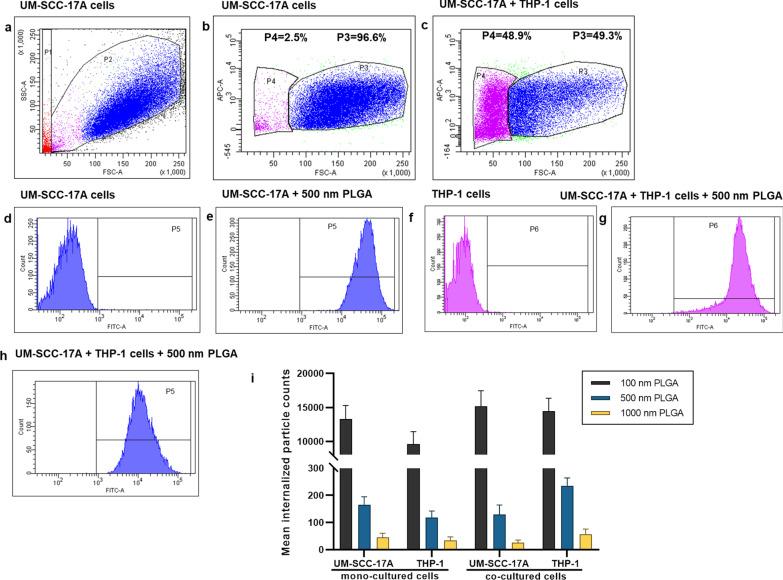
Clinical translation of poly (lactic-co-glycolic acid) (PLGA)-based nanomedicine is limited, partly because of the poor delivery efficiency resulting from non-specific phagocytosis by phagocytes. Understanding the nanoparticle interplay between cancer cells and immune cells remains largely elusive. In this study, a quantitative investigation on cellular internalization of fluorescent PLGA particles (100 nm, 500 nm, and 1 µm) against laryngeal carcinoma cells with or without monocytes/macrophages in monoculture or co-culture systems was first performed. PLGA particles at concentrations of 5-20 µg/mL show superior biocompatibility except for 500 nm and 1 µm PLGA particles at 20 µg/mL slightly reduce cell viability. Microscopic observation has discovered all three sizes of particles are effectively ingested by both cancer cells and macrophages; however, quantitative fluorescence examination has disclosed that the uptake index of cancer cells (mean intracellular particle fluorescence per cancer cell normalized to that of per macrophage) is substantially declined for all PLGA particles in co-cultures compared to that in monocultures (1.35-1.05, 1.50-0.59, and 1.4-0.47 for 100 nm, 500 nm, and 1 µm particles, respectively). Quantitative analysis using flow cytometry further confirmed the reduced uptake index of cancer cells in co-cultures, but higher particle counts per macrophage. It has also been found that the formation of multinucleated giant cells via the fusion of macrophages increased after PLGA treatment, which could be further exploited as a potential approach for tumor drug delivery. Overall, these findings provide new insights into the interaction of nanoparticle-immune-cancer cells, which may facilitate the application of PLGA-based nanocarriers for the treatment of laryngeal carcinoma.
基于聚乳酸-乙醇酸共聚物(PLGA)的纳米药物的临床转化受到限制,部分原因是吞噬细胞的非特异性吞噬导致递送效率低下。目前对于癌细胞与免疫细胞之间纳米颗粒相互作用的了解仍很有限。在本研究中,首次在单培养或共培养系统中,对荧光PLGA颗粒(100纳米、500纳米和1微米)在有或无单核细胞/巨噬细胞存在的情况下对喉癌细胞的细胞内化进行了定量研究。浓度为5-20微克/毫升的PLGA颗粒具有优异的生物相容性,不过20微克/毫升的500纳米和1微米PLGA颗粒会略微降低细胞活力。显微镜观察发现,所有三种尺寸的颗粒都能被癌细胞和巨噬细胞有效摄取;然而,定量荧光检测表明,与单培养相比,共培养中所有PLGA颗粒的癌细胞摄取指数(每个癌细胞的平均细胞内颗粒荧光与每个巨噬细胞的平均细胞内颗粒荧光之比)均大幅下降(100纳米、500纳米和1微米颗粒分别从1.35降至1.05、从1.50降至0.59和从1.4降至0.47)。使用流式细胞术进行的定量分析进一步证实了共培养中癌细胞摄取指数的降低,但每个巨噬细胞的颗粒计数更高。研究还发现,PLGA处理后巨噬细胞融合形成多核巨细胞的情况增加,这可进一步开发为肿瘤药物递送的潜在方法。总体而言,这些发现为纳米颗粒-免疫-癌细胞的相互作用提供了新的见解,可能有助于基于PLGA的纳米载体在喉癌治疗中的应用。
 Zotero 插件