Luckowitsch Marie, Rudolph Henriette, Bochennek Konrad, Porto Luciana, Lehrnbecher Thomas
Division of Pediatric Hematology and Oncology, Hospital for Children and Adolescents, University Hospital Frankfurt, Goethe University, 60590 Frankfurt am Main, Germany.
Institute for Neuroradiology, University Hospital Frankfurt, Goethe University, 60590 Frankfurt am Main, Germany.
J Fungi (Basel). 2021 Feb 26;7(3):168. doi: 10.3390/jof7030168.
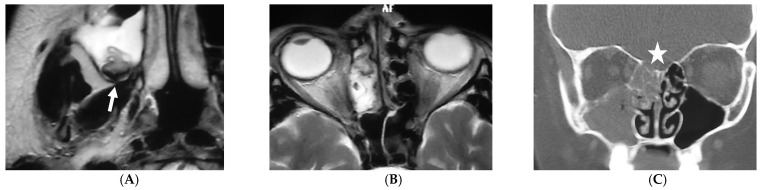
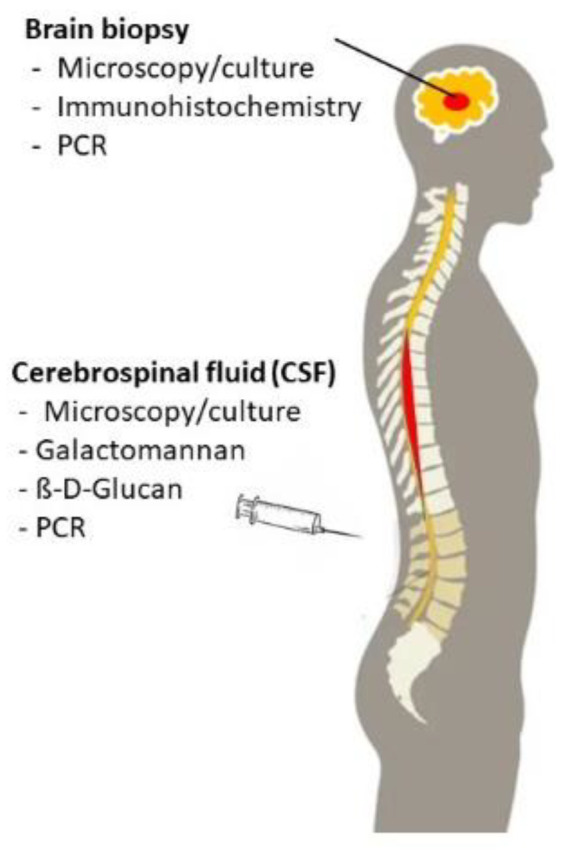
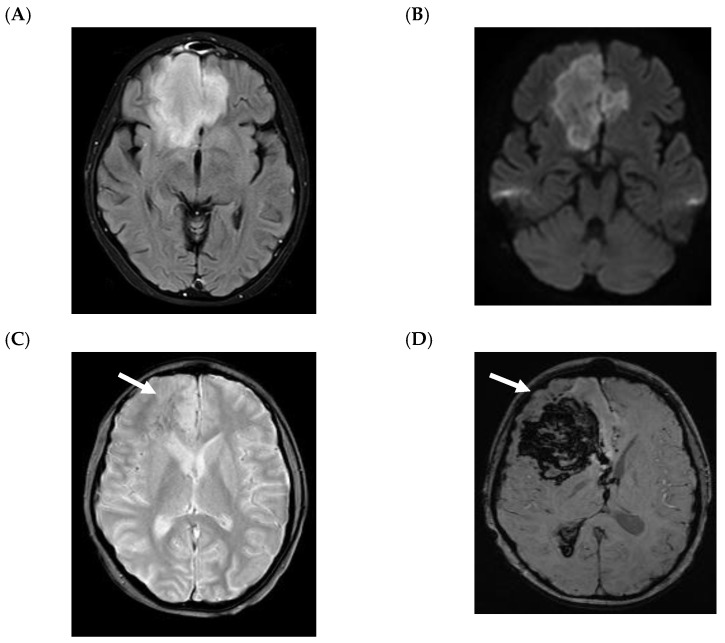
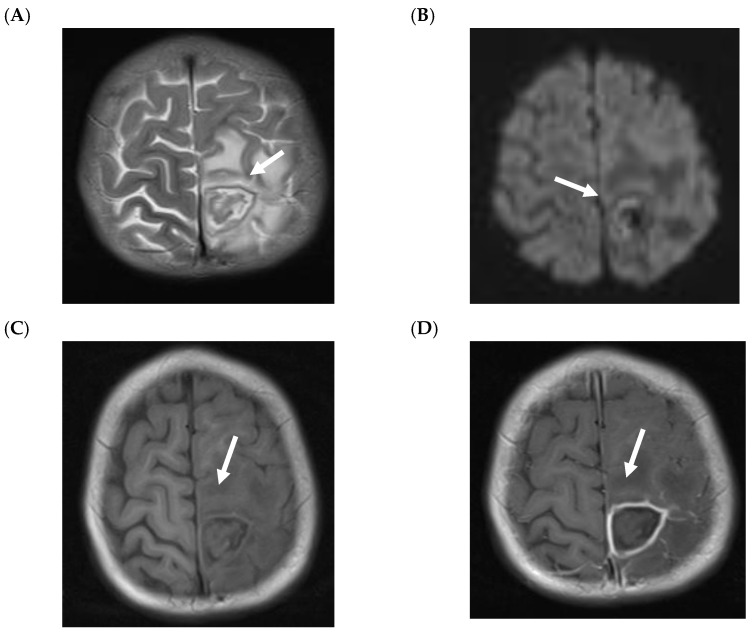
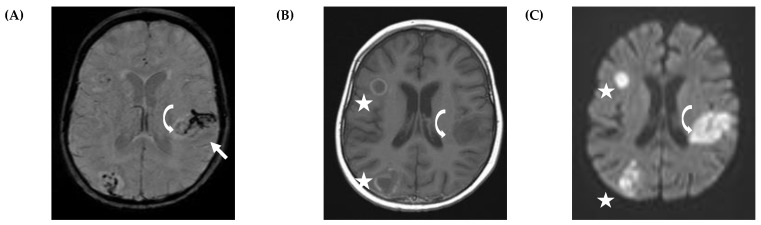
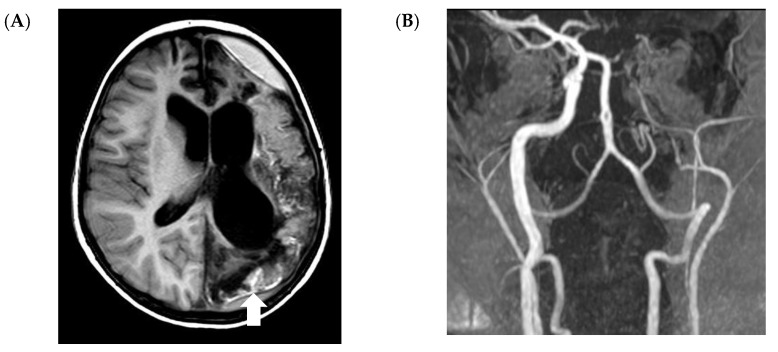
The incidence of invasive mold disease (IMD) has significantly increased over the last decades, and IMD of the central nervous system (CNS) is a particularly severe form of this infection. Solid data on the incidence of CNS IMD in the pediatric setting are lacking, in which spp. is the most prevalent pathogen, followed by mucorales. CNS IMD is difficult to diagnose, and although imaging tools such as magnetic resonance imaging have considerably improved, these techniques are still unspecific. As microscopy and culture have a low sensitivity, non-culture-based assays such as the detection of fungal antigens (e.g., galactomannan or beta-D-glucan) or the detection of fungal nucleic acids by molecular assays need to be validated in children with suspected CNS IMD. New and potent antifungal compounds helped to improve outcome of CNS IMD, but not all agents are approved for children and a pediatric dosage has not been established. Therefore, studies have to rapidly evaluate dosage, safety and efficacy of antifungal compounds in the pediatric setting. This review will summarize the current knowledge on diagnostic tools and on the management of CNS IMD with a focus on pediatric patients.
在过去几十年中,侵袭性霉菌病(IMD)的发病率显著上升,而中枢神经系统(CNS)的IMD是这种感染的一种特别严重的形式。目前缺乏关于儿科患者中枢神经系统IMD发病率的确切数据,其中 属是最常见的病原体,其次是毛霉目。中枢神经系统IMD难以诊断,尽管诸如磁共振成像等影像学工具已有显著改进,但这些技术仍然缺乏特异性。由于显微镜检查和培养的敏感性较低,对于疑似中枢神经系统IMD的儿童,需要对基于非培养的检测方法进行验证,例如检测真菌抗原(如半乳甘露聚糖或β-D-葡聚糖)或通过分子检测方法检测真菌核酸。新型强效抗真菌化合物有助于改善中枢神经系统IMD的治疗结果,但并非所有药物都已获批用于儿童,且尚未确定儿科用药剂量。因此,必须迅速开展研究,评估抗真菌化合物在儿科患者中的剂量、安全性和疗效。本综述将总结目前关于诊断工具以及中枢神经系统IMD治疗的知识,重点关注儿科患者。