Zeng Zhao-Lei, Lu Jia-Huan, Wang Yun, Sheng Hui, Wang Ying-Nan, Chen Zhan-Hong, Wu Qi-Nian, Zheng Jia-Bo, Chen Yan-Xing, Yang Dong-Dong, Yu Kai, Mo Hai-Yu, Hu Jia-Jia, Hu Pei-Shan, Liu Ze-Xian, Ju Huai-Qiang, Xu Rui-Hua
State Key Laboratory of Oncology in South China, Collaborative Innovation Center for Cancer Medicine, Sun Yat-sen University Cancer Center, Guangzhou, China.
Department of Medical Oncology, Sun Yat-sen University Cancer Center, Guangzhou, China.
Cancer Med. 2021 Apr;10(7):2423-2441. doi: 10.1002/cam4.3777. Epub 2021 Mar 5.
Numerous reports on microRNAs have illustrated their role in tumor growth and metastasis. Recently, a new prognostic factor, miR-125b-2-3p, has been identified for predicting chemotherapeutic sensitivity in advanced colorectal cancer (CRC). However, the specific mechanisms and biological functions of miR-125b-2-3p in advanced CRC under chemotherapy have yet to be elucidated.
MiR-125b-2-3p expression was detected by real-time PCR (RT-PCR) in CRC tissues. The effects of miR-125b-2-3p on the growth, metastasis, and drug sensitivity of CRC cells were tested in vitro and in vivo. Based on multiple databases, the upstream competitive endogenous RNAs (ceRNAs) and the downstream genes for miR-125b-2-3p were predicted by bioinformatic analysis, followed by the experiments including luciferase reporter assays, western blot assays, and so on.
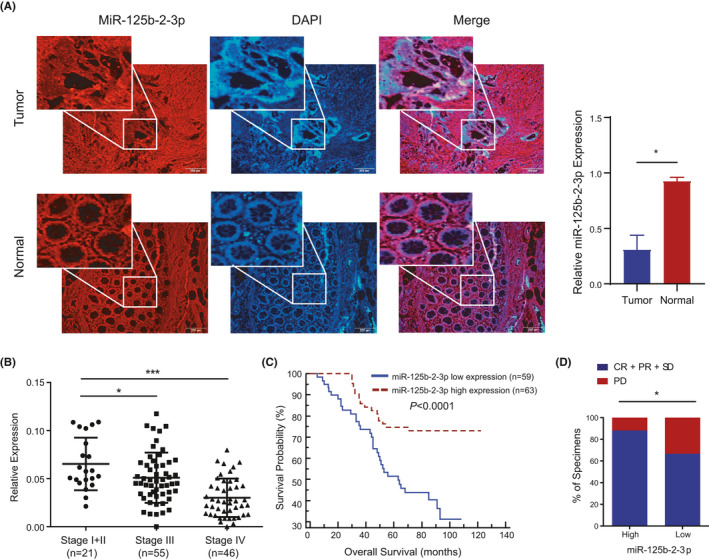
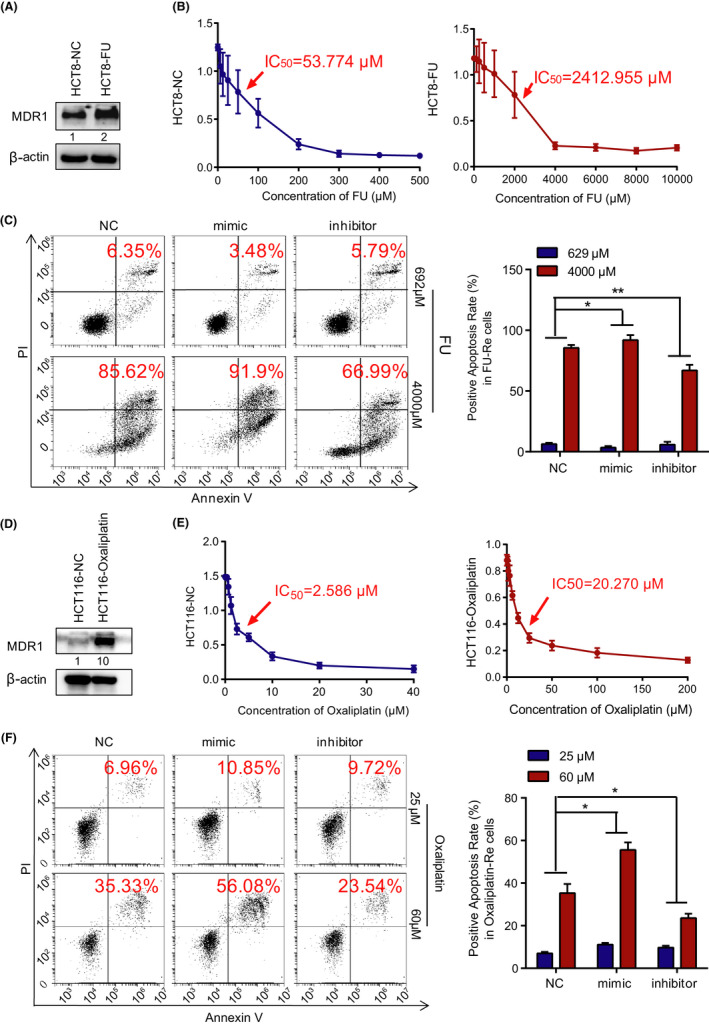
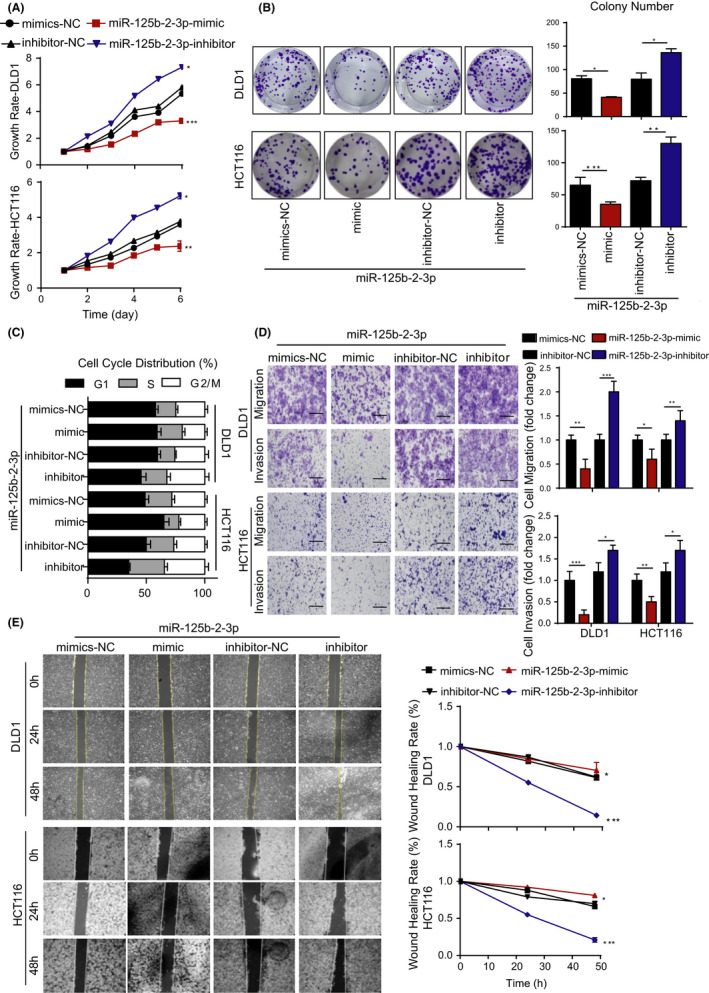
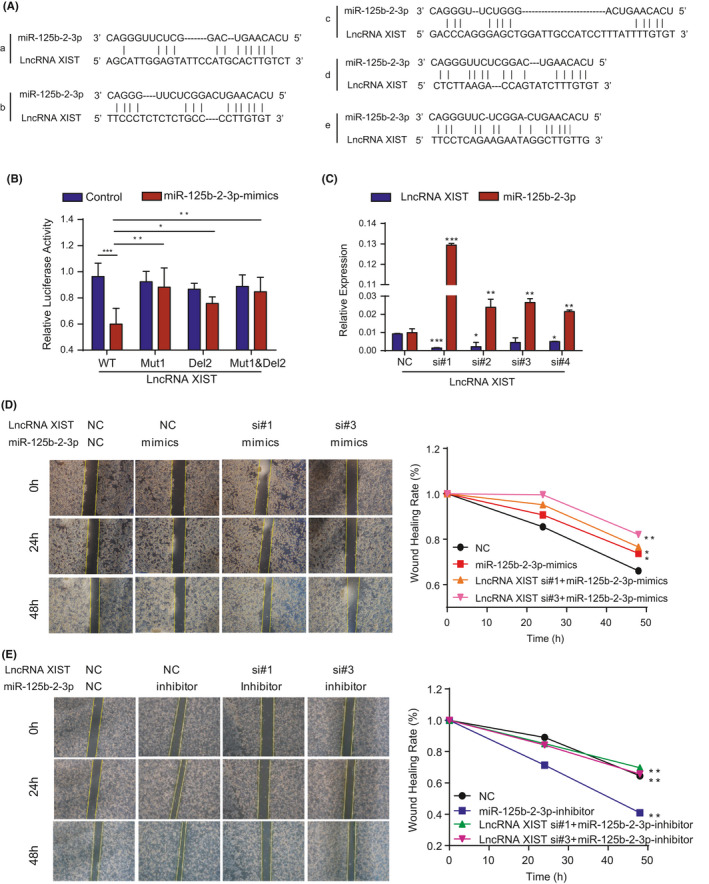
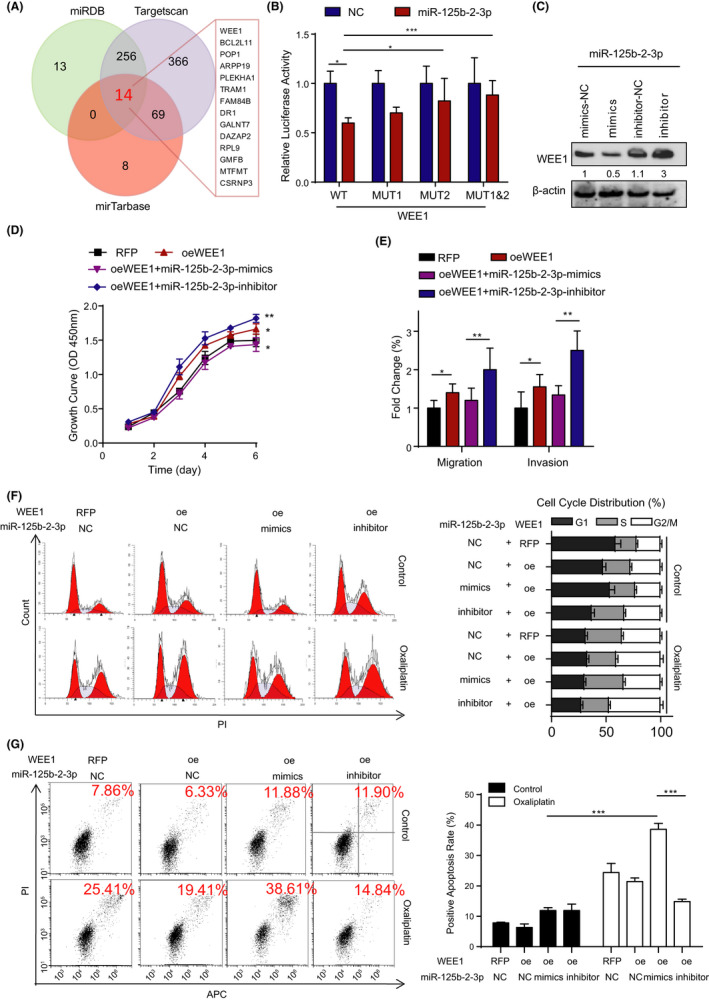
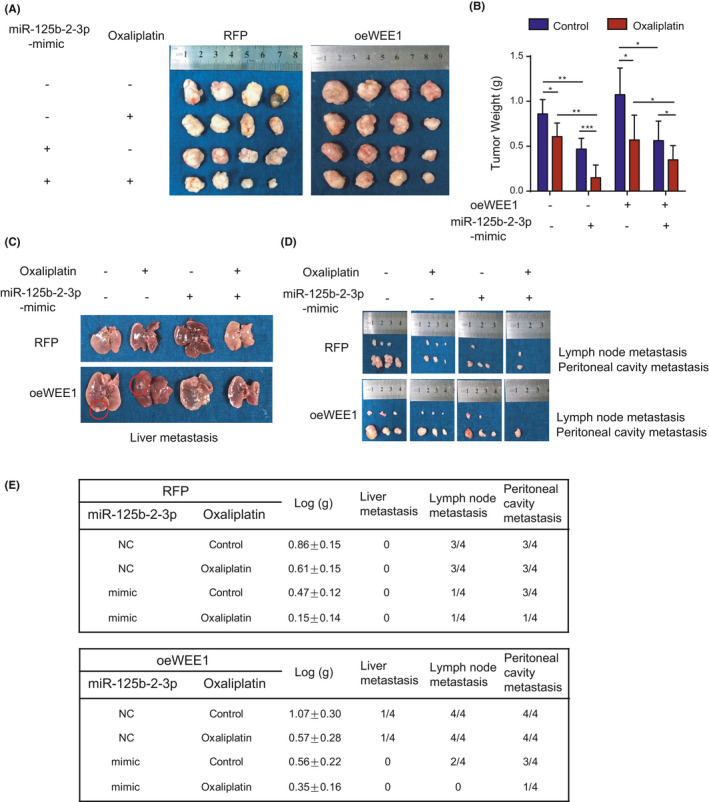
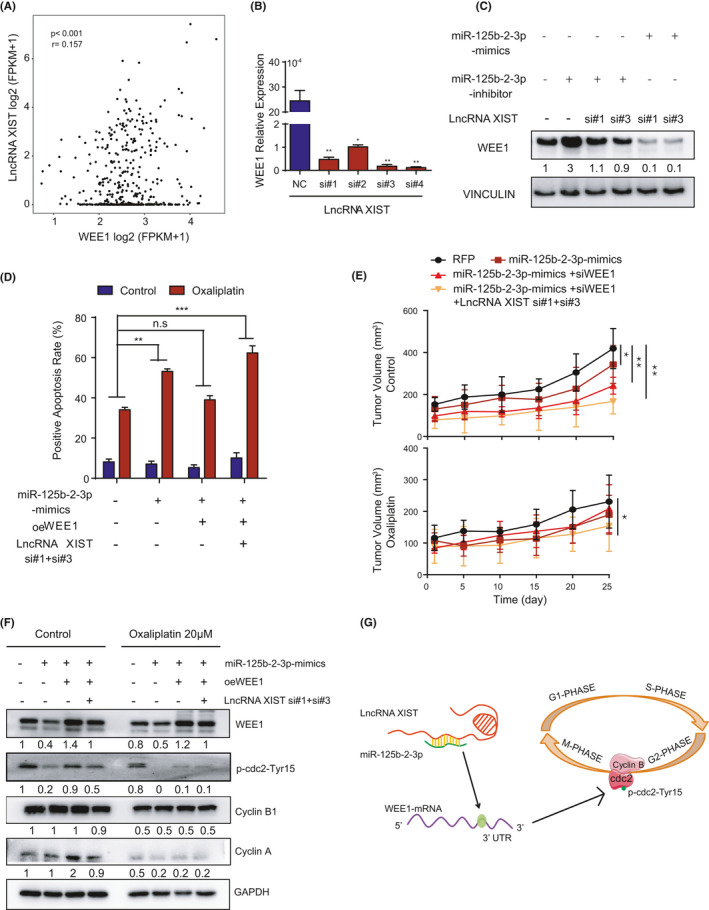
MiR-125b-2-3p was significantly lowly expressed in the tissues and cell lines of CRC. Higher expression of miR-125b-2-3p was associated with relatively lower proliferation rates and fewer metastases. Moreover, overexpressed miR-125b-2-3p remarkably improved chemotherapeutic sensitivity of CRC in vivo and in vitro. Mechanistically, miR-125b-2-3p was absorbed by long noncoding RNA (lncRNA) XIST regulating WEE1 G2 checkpoint kinase (WEE1) expression. The upregulation of miR-125b-2-3p inhibited the proliferation and epithelial-mesenchymal transition (EMT) of CRC induced by lncRNA XIST.
Lower miR-125b-2-3p expression resulted in lower sensitivity of CRC to chemotherapy and was correlated with poorer survival of CRC patients. LncRNA XIST promoted CRC metastasis acting as a ceRNA for miR-125b-2-3p to mediate WEE1 expression. LncRNA XIST-miR-125b-2-3p-WEE1 axis not only regulated CRC growth and metastasis but also contributed to chemotherapeutic resistance to CRC.
关于微小RNA的大量报道已经阐明了它们在肿瘤生长和转移中的作用。最近,一种新的预后因子miR-125b-2-3p已被确定用于预测晚期结直肠癌(CRC)的化疗敏感性。然而,miR-125b-2-3p在化疗条件下的晚期CRC中的具体机制和生物学功能尚未阐明。
通过实时PCR(RT-PCR)检测CRC组织中miR-125b-2-3p的表达。在体外和体内测试miR-125b-2-3p对CRC细胞生长、转移和药物敏感性的影响。基于多个数据库,通过生物信息学分析预测miR-125b-2-3p的上游竞争性内源RNA(ceRNA)和下游基因,随后进行包括荧光素酶报告基因检测、蛋白质免疫印迹检测等实验。
miR-125b-2-3p在CRC的组织和细胞系中显著低表达。miR-125b-2-3p的高表达与相对较低的增殖率和较少的转移相关。此外,过表达的miR-125b-2-3p在体内和体外均显著提高了CRC的化疗敏感性。机制上,miR-125b-2-3p被长链非编码RNA(lncRNA)XIST吸附,从而调节WEE1 G2检查点激酶(WEE1)的表达。miR-125b-2-3p的上调抑制了lncRNA XIST诱导的CRC的增殖和上皮-间质转化(EMT)。
较低的miR-125b-2-3p表达导致CRC对化疗的敏感性降低,并与CRC患者较差的生存率相关。lncRNA XIST作为miR-125b-2-3p的ceRNA介导WEE1表达,促进CRC转移。lncRNA XIST-miR-125b-2-3p-WEE1轴不仅调节CRC的生长和转移,还导致CRC的化疗耐药。