Carmell Natasha, Rominiyi Ola, Myers Katie N, McGarrity-Cottrell Connor, Vanderlinden Aurelie, Lad Nikita, Perroux-David Eva, El-Khamisy Sherif F, Fernando Malee, Finegan Katherine G, Brown Stephen, Collis Spencer J
Weston Park Cancer Centre, Department of Oncology & Metabolism, The University of Sheffield Medical School, Sheffield S10 2SJ, UK.
Department of Neurosurgery, Royal Hallamshire Hospital, Sheffield Teaching Hospitals NHS Foundation Trust, Sheffield S10 2JF, UK.
Cancers (Basel). 2021 Feb 24;13(5):944. doi: 10.3390/cancers13050944.
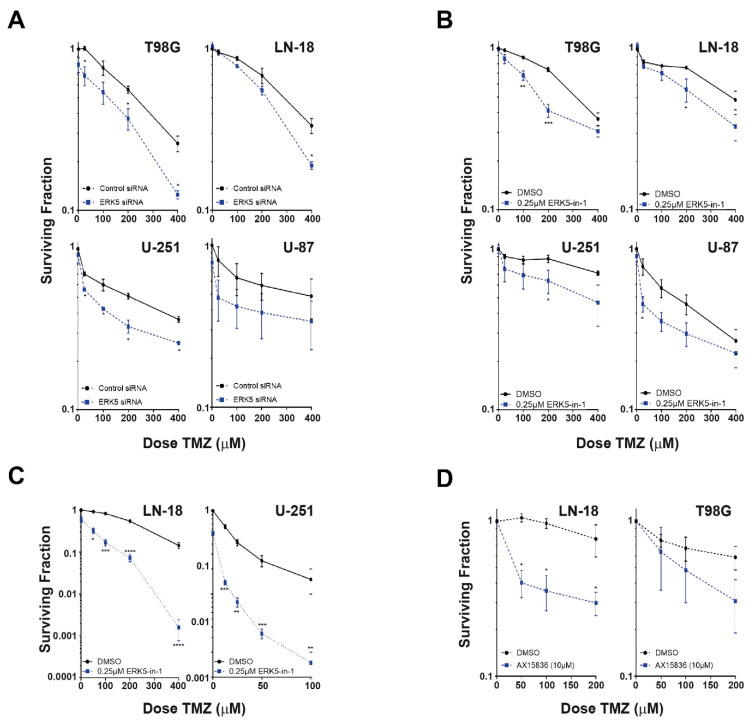
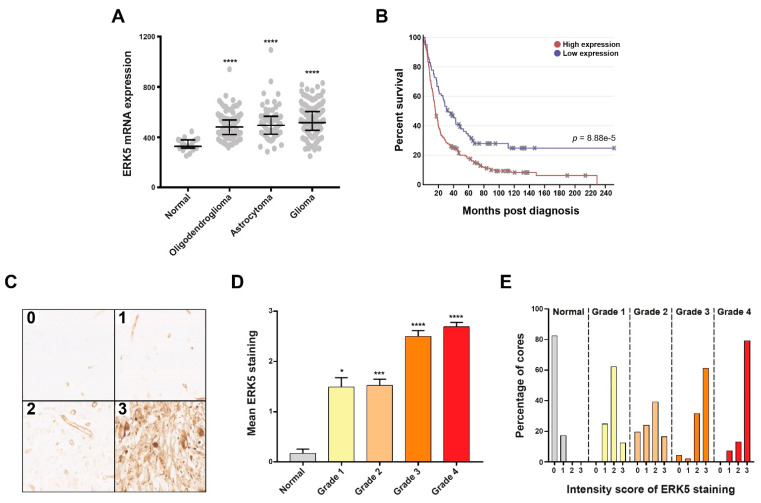
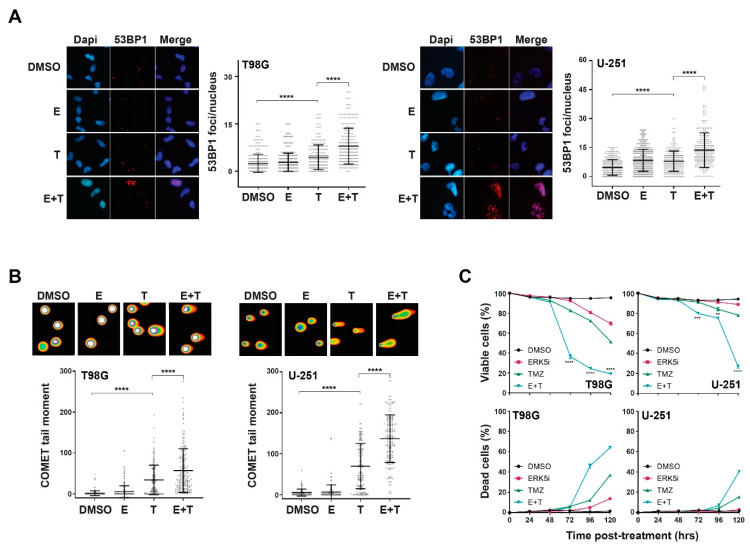
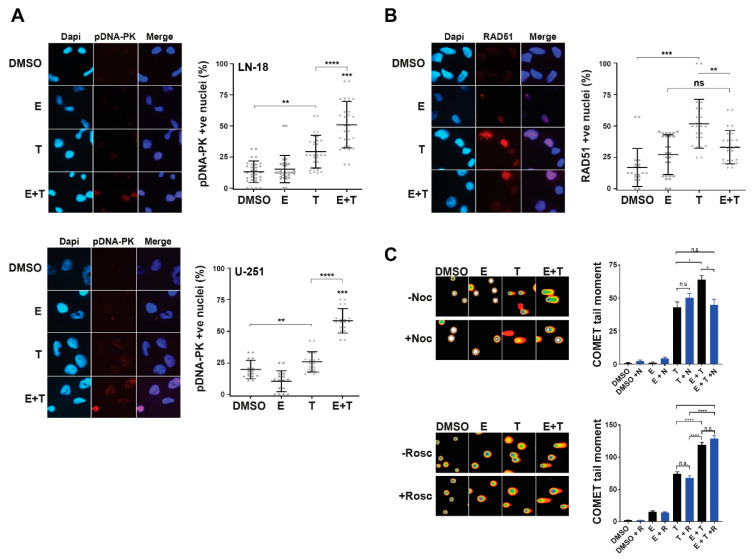
Brain tumours kill more children and adults under 40 than any other cancer, with approximately half of primary brain tumours being diagnosed as high-grade malignancies known as glioblastomas. Despite de-bulking surgery combined with chemo-/radiotherapy regimens, the mean survival for these patients is only around 15 months, with less than 10% surviving over 5 years. This dismal prognosis highlights the urgent need to develop novel agents to improve the treatment of these tumours. To address this need, we carried out a human kinome siRNA screen to identify potential drug targets that augment the effectiveness of temozolomide (TMZ)-the standard-of-care chemotherapeutic agent used to treat glioblastoma. From this we identified ERK5/MAPK7, which we subsequently validated using a range of siRNA and small molecule inhibitors within a panel of glioma cells. Mechanistically, we find that ERK5 promotes efficient repair of TMZ-induced DNA lesions to confer cell survival and clonogenic capacity. Finally, using several glioblastoma patient cohorts we provide target validation data for ERK5 as a novel drug target, revealing that heightened ERK5 expression at both the mRNA and protein level is associated with increased tumour grade and poorer patient survival. Collectively, these findings provide a foundation to develop clinically effective ERK5 targeting strategies in glioblastomas and establish much-needed enhancement of the therapeutic repertoire used to treat this currently incurable disease.
脑肿瘤导致40岁以下儿童和成年人死亡的人数超过其他任何癌症,大约一半的原发性脑肿瘤被诊断为高级别恶性肿瘤,即胶质母细胞瘤。尽管进行了减瘤手术并结合化疗/放疗方案,但这些患者的平均生存期仅约15个月,5年生存率不到10%。这种严峻的预后凸显了开发新型药物以改善这些肿瘤治疗的迫切需求。为满足这一需求,我们进行了一项人类激酶组siRNA筛选,以确定可增强替莫唑胺(TMZ)疗效的潜在药物靶点,替莫唑胺是治疗胶质母细胞瘤的标准护理化疗药物。由此我们鉴定出ERK5/MAPK7,随后我们在一组胶质瘤细胞中使用一系列siRNA和小分子抑制剂对其进行了验证。从机制上讲,我们发现ERK5促进TMZ诱导的DNA损伤的有效修复,从而赋予细胞存活和克隆能力。最后,我们使用几个胶质母细胞瘤患者队列提供了ERK5作为新型药物靶点的验证数据,表明mRNA和蛋白质水平上ERK5表达升高与肿瘤分级增加和患者生存率降低相关。总体而言,这些发现为在胶质母细胞瘤中开发临床有效的ERK5靶向策略奠定了基础,并为治疗这种目前无法治愈的疾病提供了急需的治疗方法补充。