Bosworth Lucy A, Doherty Kyle G, Hsuan James D, Cray Samuel P, D'Sa Raechelle A, Pineda Molina Catalina, Badylak Stephen F, Williams Rachel L
Department of Eye and Vision Science, Institute of Life Course and Medical Sciences, University of Liverpool, Liverpool, L7 8TX, UK.
Liverpool University Hospitals NHS Foundation Trust, Liverpool, L9 7AL, UK.
Pharmaceutics. 2021 Feb 28;13(3):318. doi: 10.3390/pharmaceutics13030318.
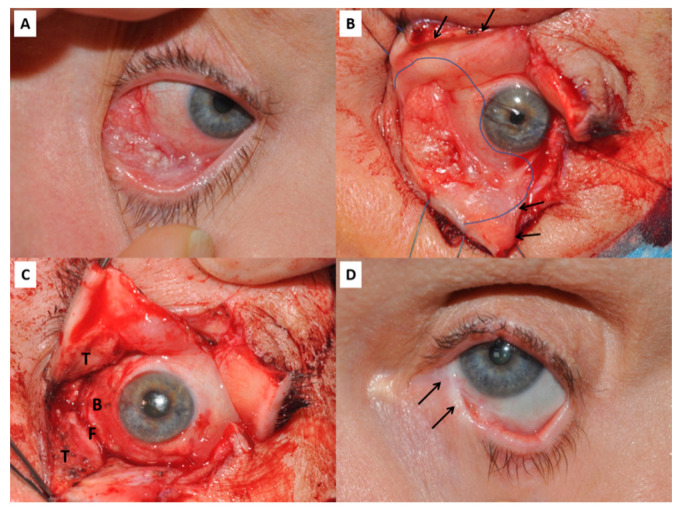
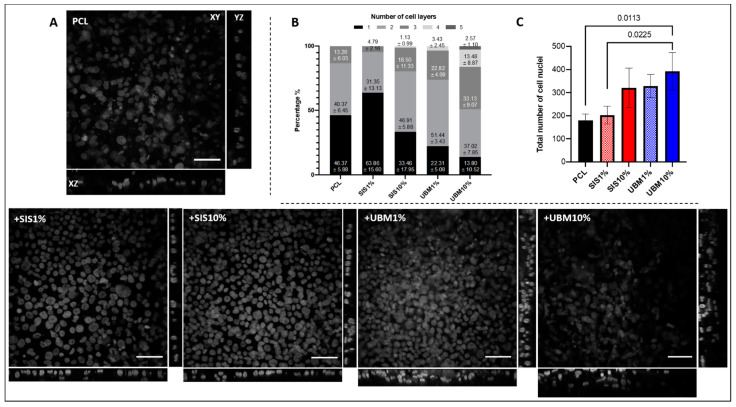
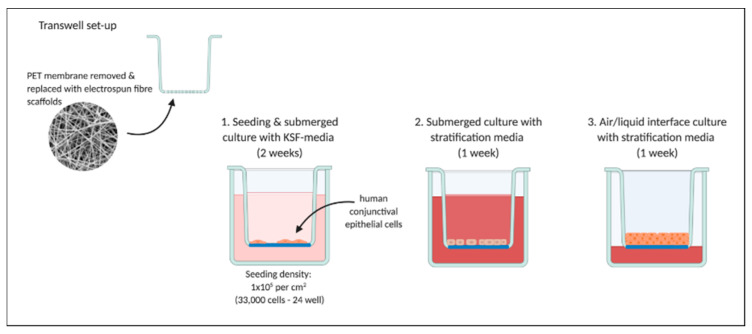
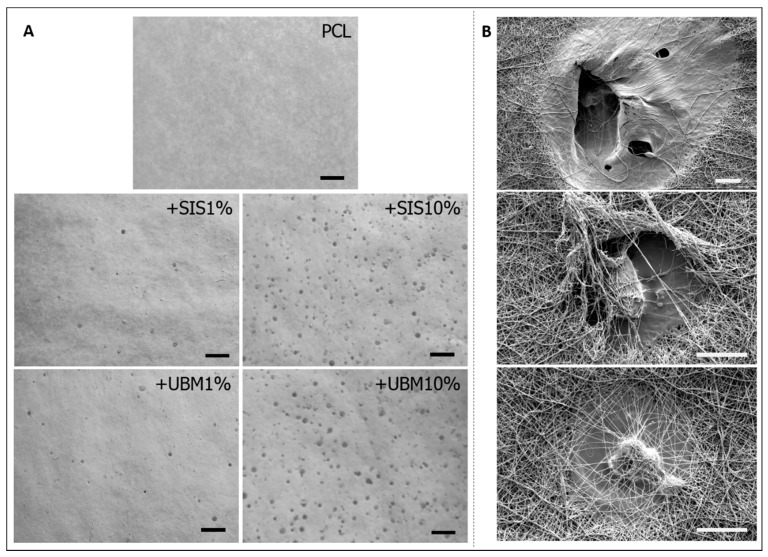
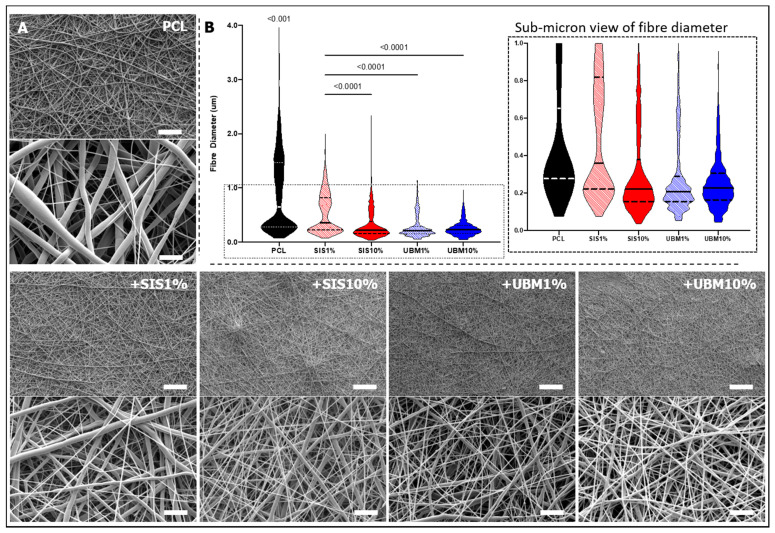
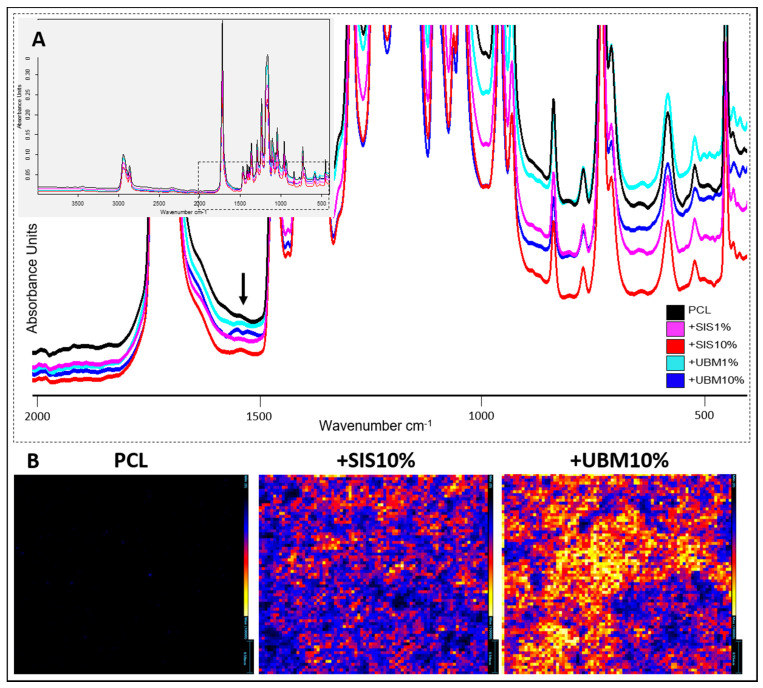
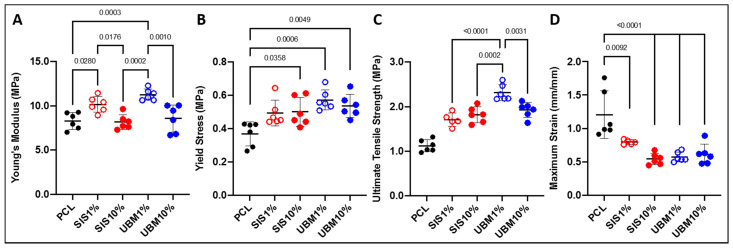
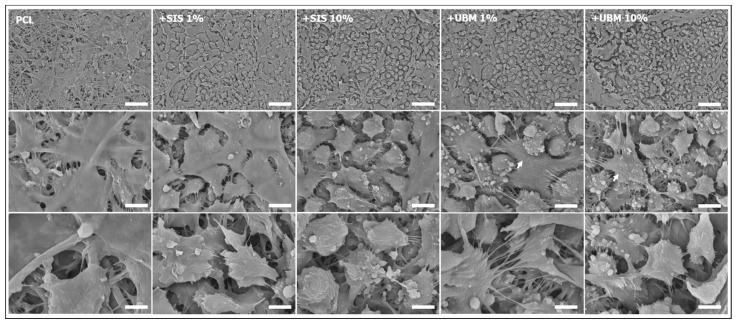
The conjunctiva, an under-researched yet incredibly important tissue, plays key roles in providing protection to the eye and maintaining homeostasis of its ocular surface. Multiple diseases can impair conjunctival function leading to severe consequences that require surgical intervention. Small conjunctival defects can be repaired relatively easily, but larger defects rely on tissue grafts which generally do not provide adequate healing. A tissue engineering approach involving a biomaterial substrate capable of supporting a stratified epithelium with embedded, mucin-secreting goblet cells offers a potential solution. As a first step, this study aimed to induce stratification of human conjunctival epithelial cells cultured on electrospun scaffolds composed from poly(ε-caprolactone) (PCL) and decellularised tissue matrix (small intestinal submucosa (SIS) or urinary bladder matrix (UBM)) and held at the air/liquid interface. Stratification, up to 5 cell layers, occurred more frequently on scaffolds containing PCL + UBM. Incorporation of these decellularised tissue matrices also impacted material properties, with significant changes occurring to their fibre diameter, tensile properties, and chemical composition throughout the scaffold structure compared to PCL alone. These matrix containing scaffolds warrant further long-term investigation as a potential advanced therapy medicinal product for conjunctiva repair and regeneration.
结膜是一种研究不足但极其重要的组织,在保护眼睛和维持眼表内环境稳定方面发挥着关键作用。多种疾病会损害结膜功能,导致需要手术干预的严重后果。较小的结膜缺损相对容易修复,但较大的缺损则依赖组织移植,而组织移植通常无法实现充分愈合。一种组织工程方法,即使用一种能够支持分层上皮细胞并嵌入分泌粘蛋白的杯状细胞的生物材料基质,提供了一种潜在的解决方案。作为第一步,本研究旨在诱导人结膜上皮细胞在由聚(ε-己内酯)(PCL)和脱细胞组织基质(小肠黏膜下层(SIS)或膀胱基质(UBM))组成的电纺支架上培养并保持在气液界面时发生分层。在含有PCL + UBM的支架上,分层至5个细胞层的情况更频繁发生。这些脱细胞组织基质的掺入也影响了材料特性,与单独的PCL相比,整个支架结构的纤维直径、拉伸性能和化学成分都发生了显著变化。这些含基质的支架作为结膜修复和再生的潜在先进治疗药物产品值得进一步长期研究。