Zhu Chengbo, Li Jingrui, Tian Chaonan, Qin Mengmeng, Wang Zhenni, Shi Bingjun, Qu Guanggang, Wu Chunyan, Nan Yuchen
Department of Preventive Veterinary Medicine, College of Veterinary Medicine, Northwest A&F University, Yangling 712100, China.
State Key Laboratory of Plant Physiology and Biochemistry, College of Biological Sciences, China Agricultural University, Beijing 100193, China.
Vaccines (Basel). 2021 Feb 17;9(2):164. doi: 10.3390/vaccines9020164.
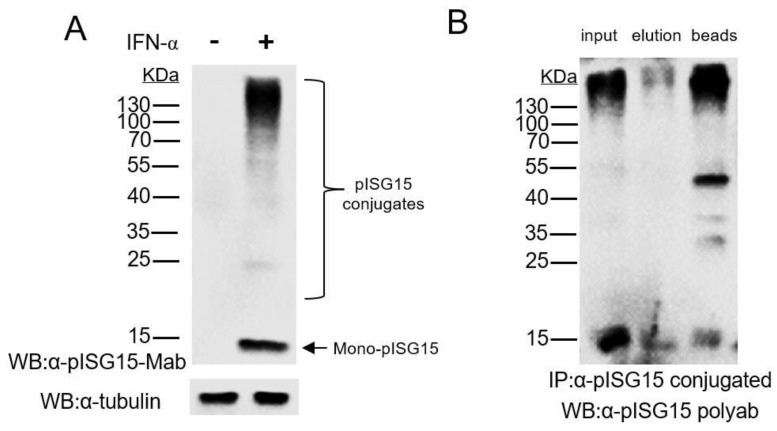
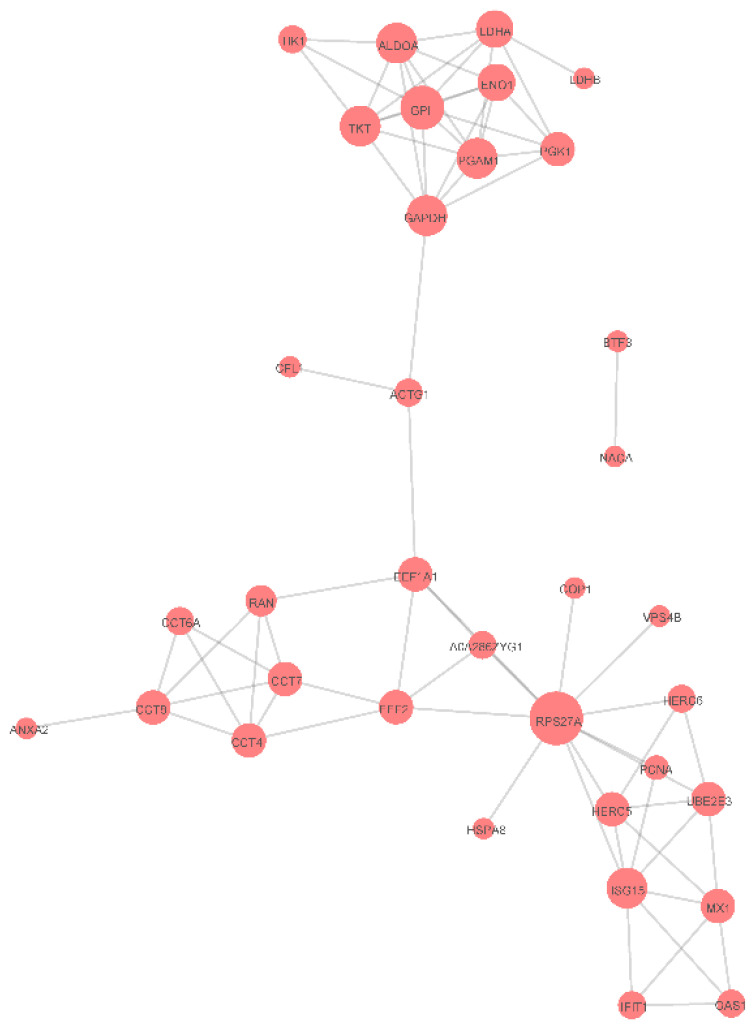
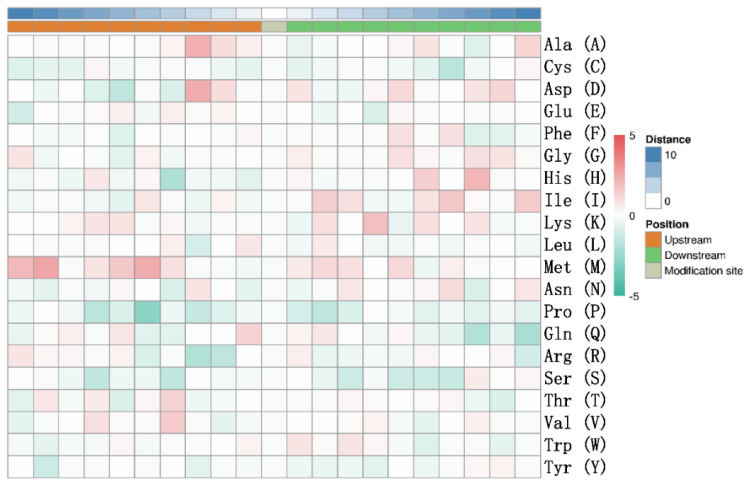
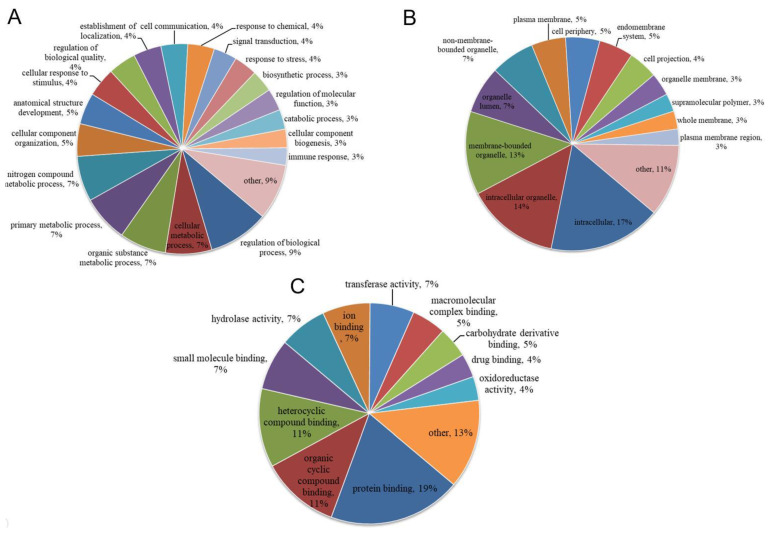
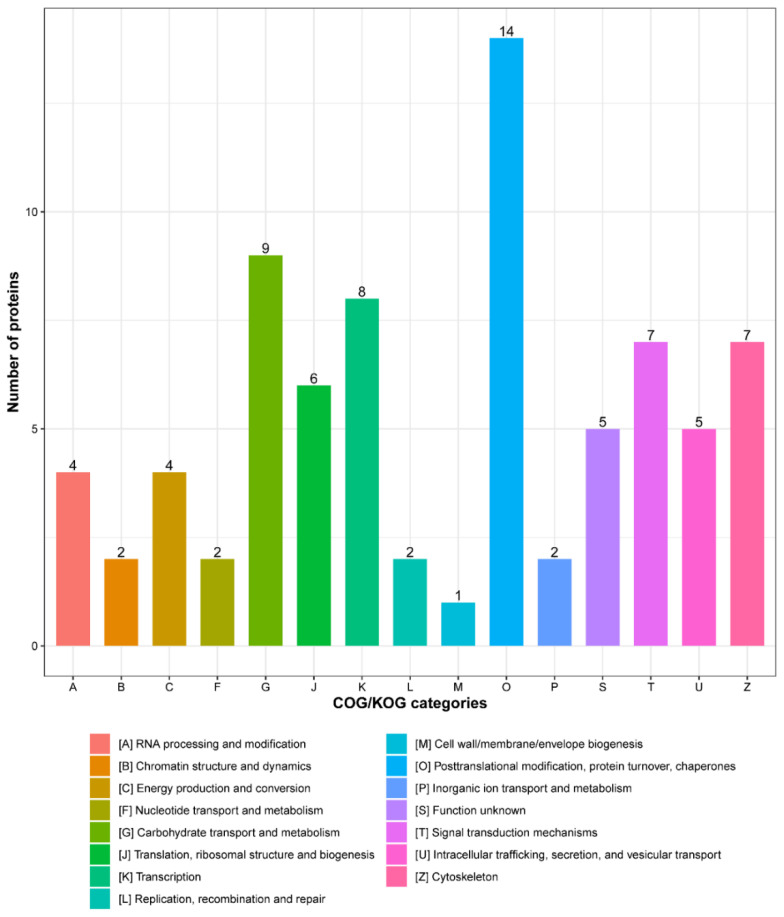
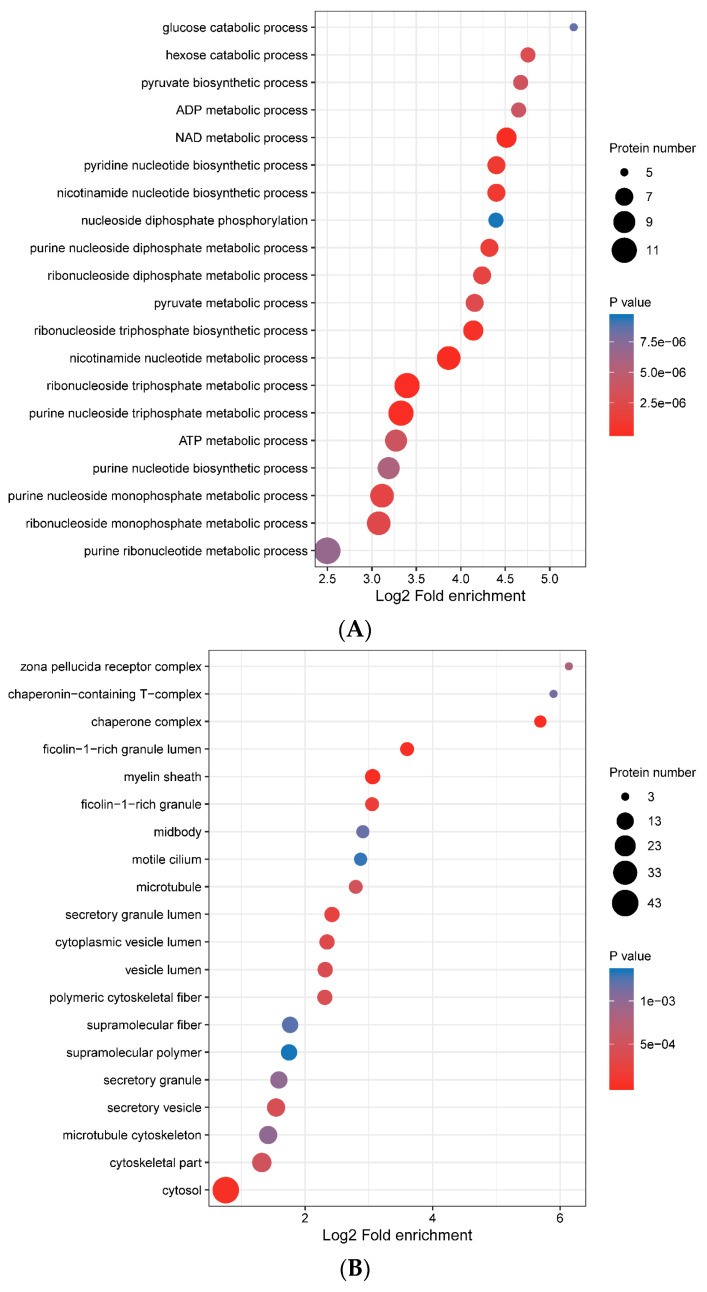
Interferon-stimulated gene product 15 (ISG15), a ubiquitin-like molecule, can be conjugated to protein substrates through a reversible process known as ISGylation. ISG15 and ISGylation are both strongly upregulated by type I interferons and play putative key roles in host innate immunity against viral infection. However, the function of ISGylation and identities of ISGylation substrates are largely unknown. Here, a novel monoclonal antibody (Mab) that specifically recognizes porcine ISG15 (pISG15) was employed to capture ISG15-conjugated proteins from IFNs-stimulated porcine cell lysates. Next, Mab-captured conjugates were analyzed using proteomics-based tools to identify potential ISGylation protein targets in order to elucidate the roles of ISG15 and ISGylation in porcine cells. Subsequently, 190 putative ISGylation sites were detected within 98 identified ISGylation candidates; several candidates contained more than one ISGylation-modifiable lysine residue, including pISG15 itself. Motif enrichment analysis of confirmed ISGylation sites demonstrated a moderate bias towards certain sites with specific upstream amino acid residues. Meanwhile, results of Gene Ontology (GO)-based annotation and functional enrichment and protein-protein interaction (PPI) network analyses of porcine ISG15-conjugated substrate proteins indicated that these substrates were mainly associated with the host metabolism, especially nucleotide metabolic pathways that ultimately may participate in cellular antiviral defenses. Notably, several ISGs (MX1, IFIT1, OAS1, ISG15 and putative ISG15 E3 ligase Herc6) were also identified as putative ISGylation substrates within a regulatory loop involving ISGylation of ISGs themselves. Taken together, proteomics analysis of porcine ISGylation substrates revealed putative functional roles of ISG15 and novel host ISGylation targets that may ultimately be involved in cellular antiviral responses.
干扰素刺激基因产物15(ISG15)是一种类泛素分子,可通过一种称为ISGylation的可逆过程与蛋白质底物结合。ISG15和ISGylation均受到I型干扰素的强烈上调,并在宿主针对病毒感染的固有免疫中发挥关键作用。然而,ISGylation的功能以及ISGylation底物的身份在很大程度上尚不清楚。在此,一种特异性识别猪ISG15(pISG15)的新型单克隆抗体(Mab)被用于从干扰素刺激的猪细胞裂解物中捕获与ISG15结合的蛋白质。接下来,使用基于蛋白质组学的工具分析Mab捕获的结合物,以鉴定潜在的ISGylation蛋白靶点,从而阐明ISG15和ISGylation在猪细胞中的作用。随后,在98个已鉴定的ISGylation候选物中检测到190个假定的ISGylation位点;几个候选物包含不止一个可被ISGylation修饰的赖氨酸残基,包括pISG15本身。对已确认的ISGylation位点进行基序富集分析表明,对某些具有特定上游氨基酸残基的位点存在适度偏向。同时,基于基因本体(GO)的注释、功能富集以及猪ISG15结合底物蛋白的蛋白质-蛋白质相互作用(PPI)网络分析结果表明,这些底物主要与宿主代谢相关,尤其是最终可能参与细胞抗病毒防御的核苷酸代谢途径。值得注意的是,在一个涉及ISG自身ISGylation的调控环中,几个ISG(MX1、IFIT1、OAS1、ISG15和假定的ISG15 E3连接酶Herc6)也被鉴定为假定的ISGylation底物。综上所述,对猪ISGylation底物的蛋白质组学分析揭示了ISG15的假定功能作用以及可能最终参与细胞抗病毒反应的新型宿主ISGylation靶点。