Department of Food Technology of Plant Origin, Poznań University of Life Sciences, 31 Wojska Polskiego St., 60-624 Poznań, Poland.
Department of Technology and Instrumental Analysis, Poznań University of Economics and Business, Al. Niepodległości 10, 61-875 Poznań, Poland.
Molecules. 2021 Feb 23;26(4):1184. doi: 10.3390/molecules26041184.
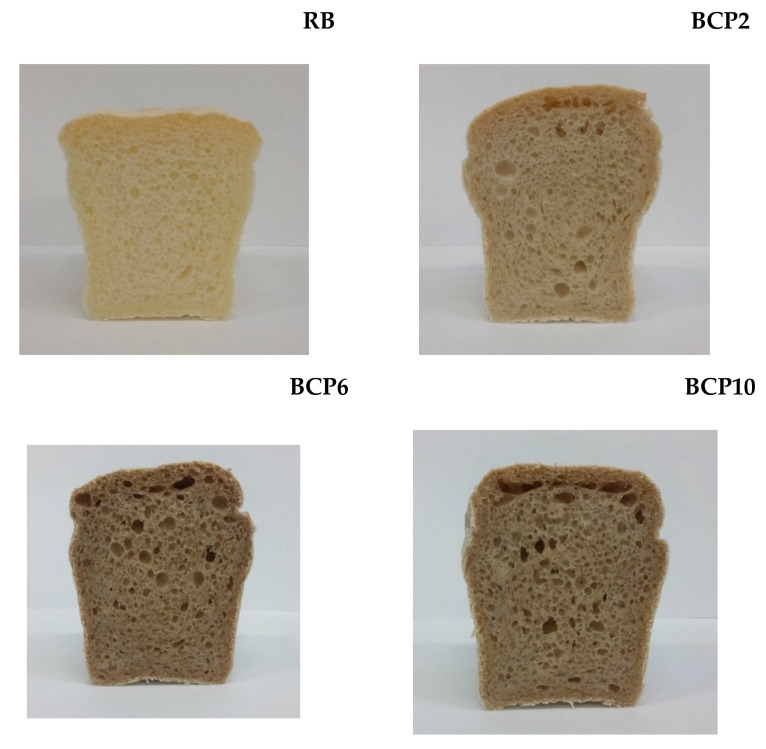
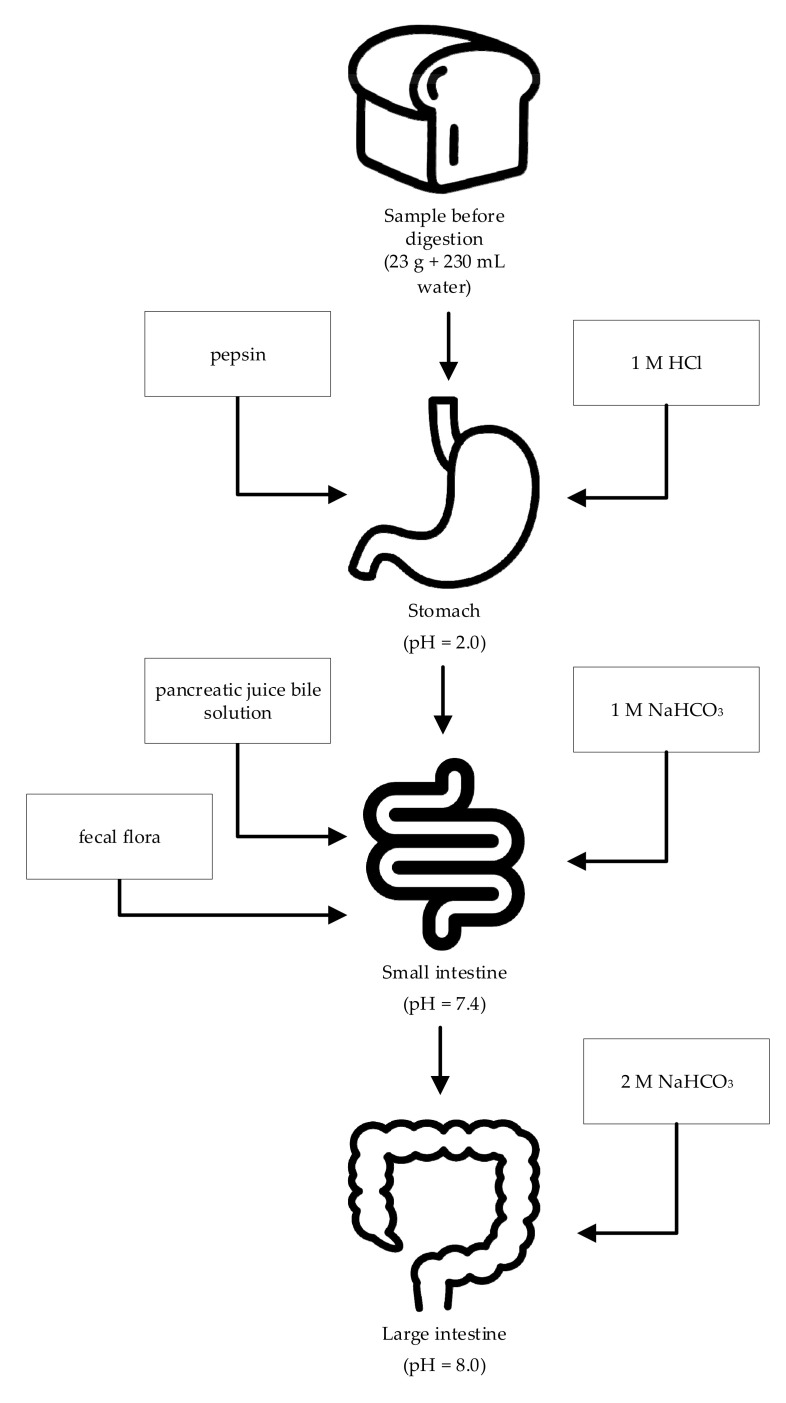
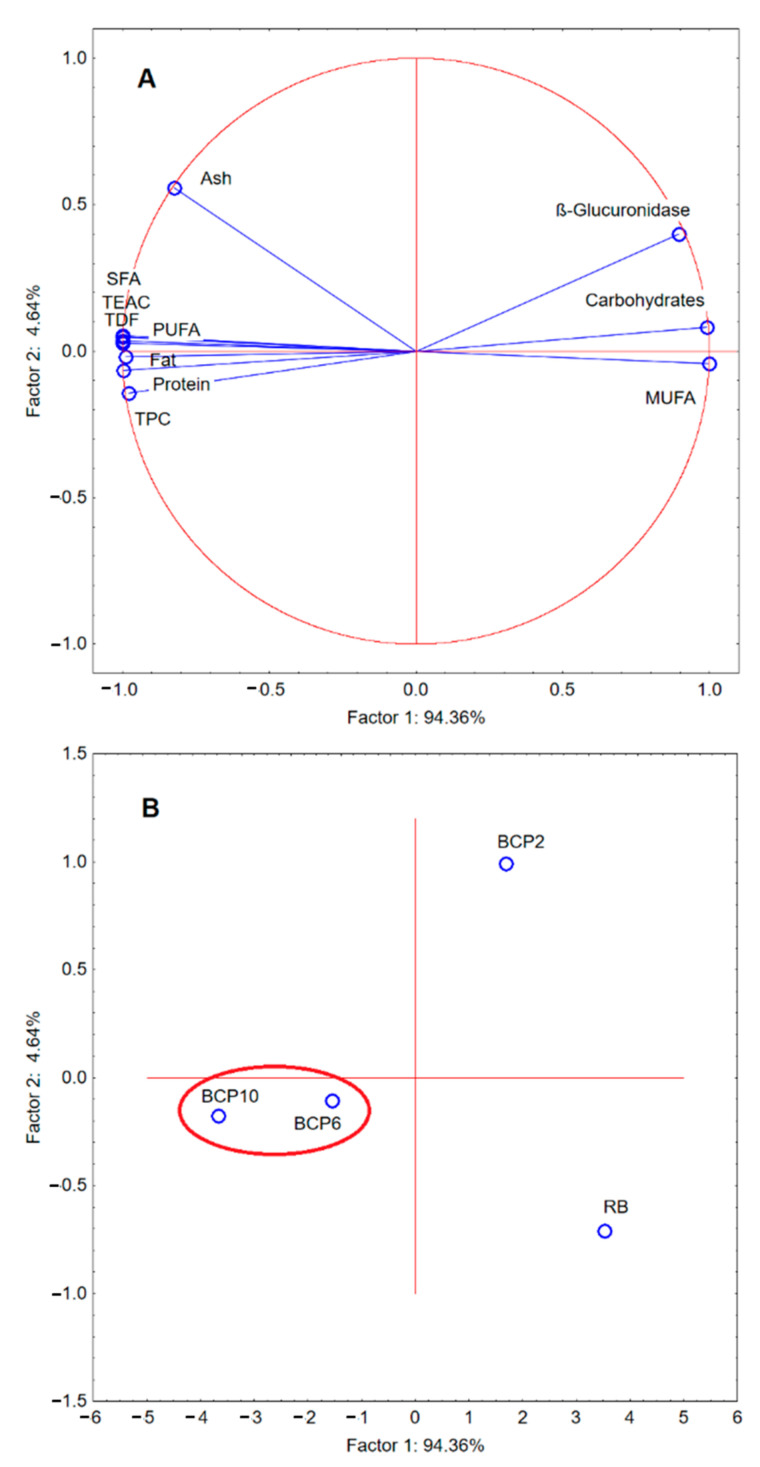
Cricket powder, described in the literature as a source of nutrients, can be a valuable ingredient to supplement deficiencies in various food products. Work continues on the implementation of cricket powder in products that are widely consumed. The aim of this study was to obtain gluten-free bread with a superior nutritional profile by means of insect powder addition. Gluten-free breads enriched with 2%, 6%, and 10% of cricket () powder were formulated and extensively characterized. The nutritional value, as well as antioxidant and β-glucuronidase activities, were assessed after simulated in vitro digestion. Addition of cricket powder significantly increased the nutritional value, both in terms of the protein content (exceeding two-, four-, and seven-fold the reference bread (RB), respectively) and above all mineral compounds. The most significant changes were observed for Cu, P, and Zn. A significant increase in the content of polyphenolic compounds and antioxidant activity in the enriched bread was also demonstrated; moreover, both values additionally increased after the digestion process. The total polyphenolic compounds content increased about five-fold from RB to bread with 10% CP (BCP10), and respectively about three-fold after digestion. Similarly, the total antioxidant capacity before digestion increased about four-fold, and after digestion about six-fold. The use of CP also reduced the undesirable activity of β-glucuronidase by 65.9% (RB vs. BCP10) in the small intestine, down to 78.9% in the large intestine. The influence of bread on the intestinal microflora was also evaluated, and no inhibitory effect on the growth of microflora was demonstrated, both beneficial ( and ) and pathogenic ( and ). Our results underscore the benefits of using cricket powder to increase the nutritional value and biological activity of gluten-free food products.
蟋蟀粉在文献中被描述为一种营养来源,可以作为补充各种食品中营养成分的有价值的成分。人们继续研究将蟋蟀粉应用于广泛消费的产品中。本研究旨在通过添加昆虫粉获得具有优异营养特性的无麸质面包。本研究通过添加 2%、6%和 10%的蟋蟀粉来配制无麸质面包,并对其进行了广泛的特性分析。在模拟体外消化后,评估了营养价值、抗氧化和β-葡萄糖醛酸酶活性。添加蟋蟀粉显著提高了营养价值,无论是蛋白质含量(分别超过参考面包 (RB) 的两倍、四倍和七倍),还是矿物质化合物。观察到铜、磷和锌的变化最为显著。此外,还证明了富含面包中多酚类化合物含量和抗氧化活性的显著增加;而且,消化过程后这些值进一步增加。从 RB 到添加 10% CP(BCP10)的面包,总多酚类化合物含量增加了约五倍,而消化后则分别增加了三倍。同样,消化前的总抗氧化能力增加了约四倍,消化后的总抗氧化能力增加了约六倍。CP 的使用还使β-葡萄糖醛酸酶的不良活性在小肠中降低了 65.9%(RB 与 BCP10),在大肠中降低到 78.9%。还评估了面包对肠道微生物群的影响,没有显示出对有益菌(和)和病原菌(和)生长的抑制作用。我们的结果强调了使用蟋蟀粉来提高无麸质食品营养价值和生物活性的好处。