Gorecki Lukas, Andrs Martin, Korabecny Jan
Biomedical Research Center, University Hospital Hradec Kralove, Sokolska 581, 500 05 Hradec Kralove, Czech Republic.
Laboratory of Cancer Cell Biology, Institute of Molecular Genetics of the Czech Academy of Sciences, Videnska 1083, 142 00 Prague, Czech Republic.
Cancers (Basel). 2021 Feb 14;13(4):795. doi: 10.3390/cancers13040795.
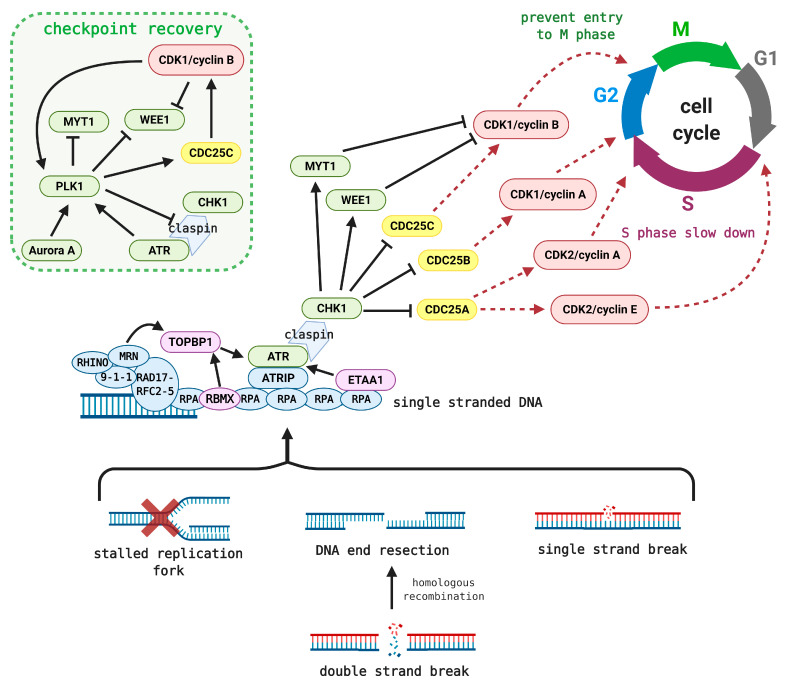
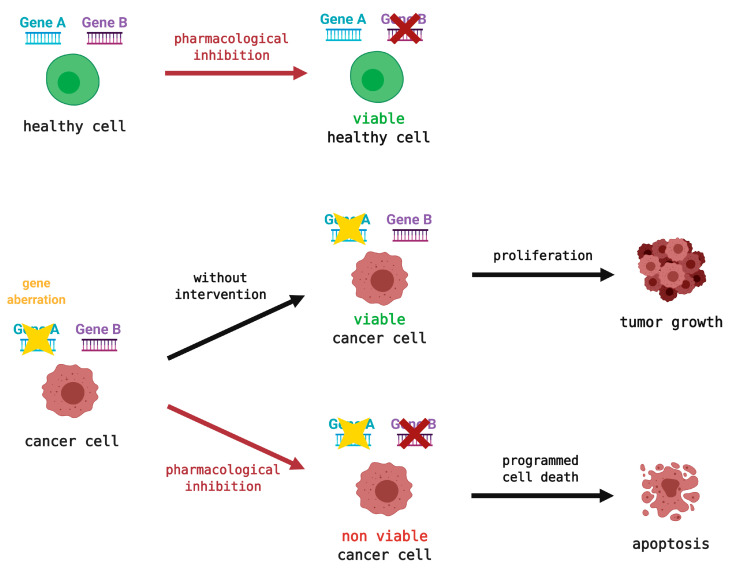
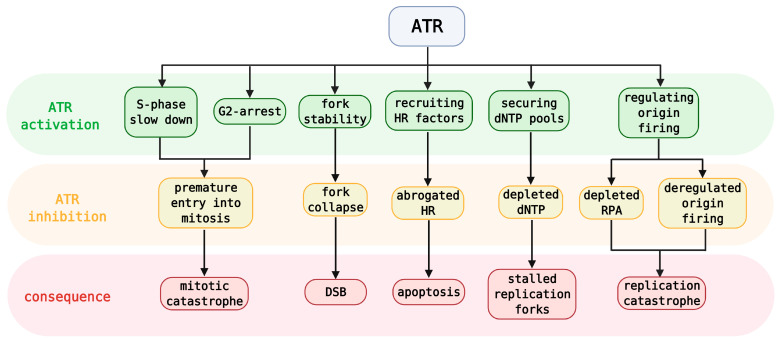
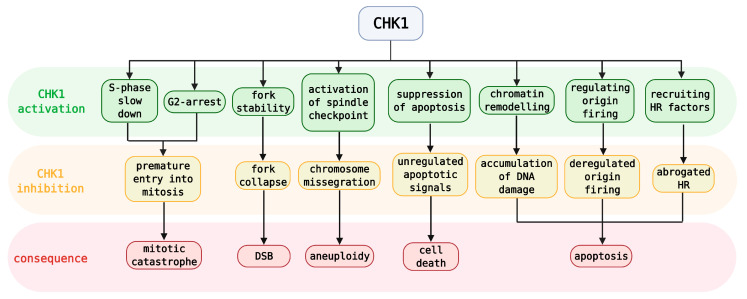
Selective killing of cancer cells while sparing healthy ones is the principle of the perfect cancer treatment and the primary aim of many oncologists, molecular biologists, and medicinal chemists. To achieve this goal, it is crucial to understand the molecular mechanisms that distinguish cancer cells from healthy ones. Accordingly, several clinical candidates that use particular mutations in cell-cycle progressions have been developed to kill cancer cells. As the majority of cancer cells have defects in G1 control, targeting the subsequent intra‑S or G2/M checkpoints has also been extensively pursued. This review focuses on clinical candidates that target the kinases involved in intra‑S and G2/M checkpoints, namely, ATR, CHK1, and WEE1 inhibitors. It provides insight into their current status and future perspectives for anticancer treatment. Overall, even though CHK1 inhibitors are still far from clinical establishment, promising accomplishments with ATR and WEE1 inhibitors in phase II trials present a positive outlook for patient survival.
选择性杀死癌细胞同时使健康细胞免受伤害是完美癌症治疗的原则,也是许多肿瘤学家、分子生物学家和药物化学家的主要目标。为实现这一目标,了解区分癌细胞与健康细胞的分子机制至关重要。因此,已经开发出几种利用细胞周期进程中特定突变的临床候选药物来杀死癌细胞。由于大多数癌细胞在G1期控制方面存在缺陷,针对随后的S期内或G2/M期检查点也进行了广泛研究。本综述聚焦于靶向参与S期内和G2/M期检查点的激酶的临床候选药物,即ATR、CHK1和WEE1抑制剂。它深入探讨了它们在抗癌治疗方面的现状和未来前景。总体而言,尽管CHK1抑制剂距离临床应用仍有很大差距,但ATR和WEE1抑制剂在II期试验中取得的令人鼓舞的成果为患者生存带来了积极的前景。