Rapelli Giada, Donato Silvia, Pagani Ariela Francesca, Parise Miriam, Iafrate Raffaella, Pietrabissa Giada, Giusti Emanuele Maria, Castelnuovo Gianluca, Bertoni Anna
Department of Psychology, Family Studies and Research University Centre, Università Cattolica del Sacro Cuore, Milan, Italy.
Psychology Research Laboratory, Istituto Auxologico Italiano, IRCCS, Milan, Italy.
Front Psychol. 2021 Feb 17;12:624095. doi: 10.3389/fpsyg.2021.624095. eCollection 2021.
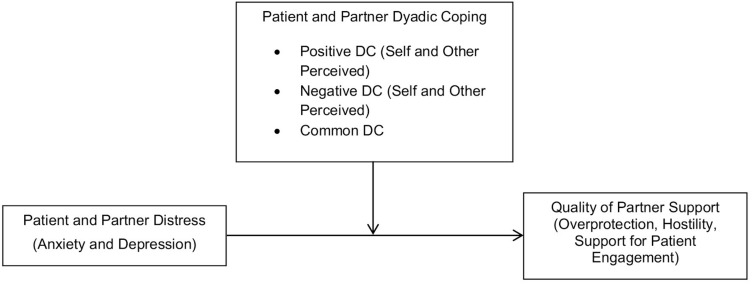
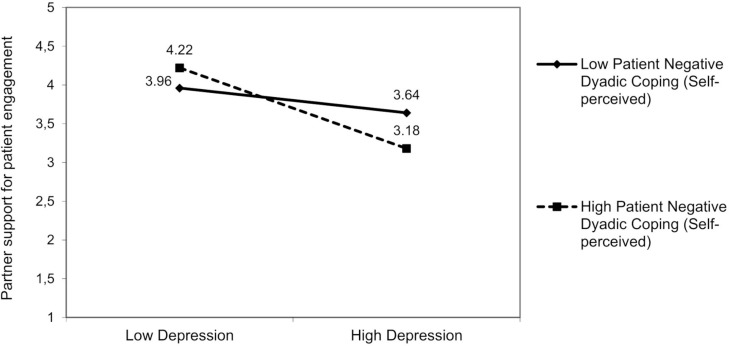
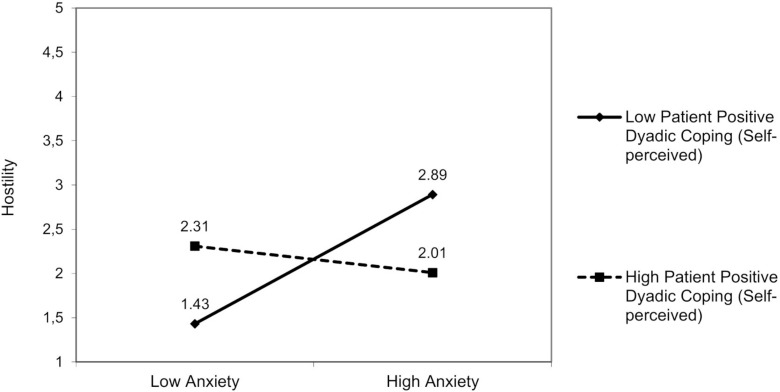
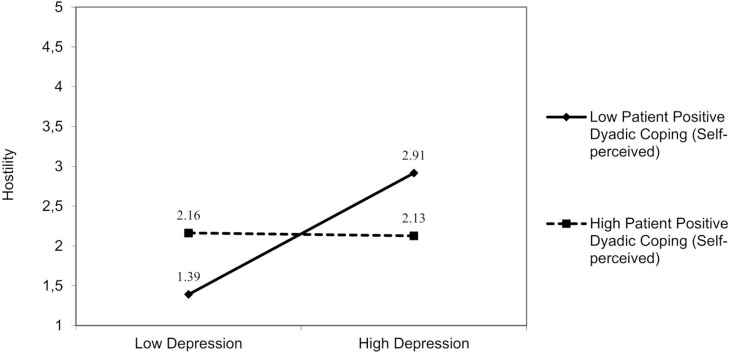
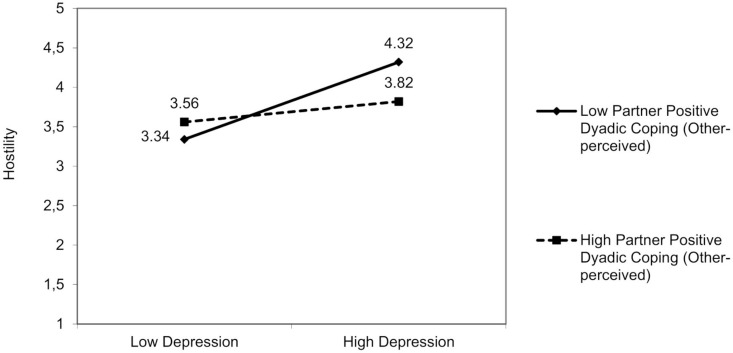
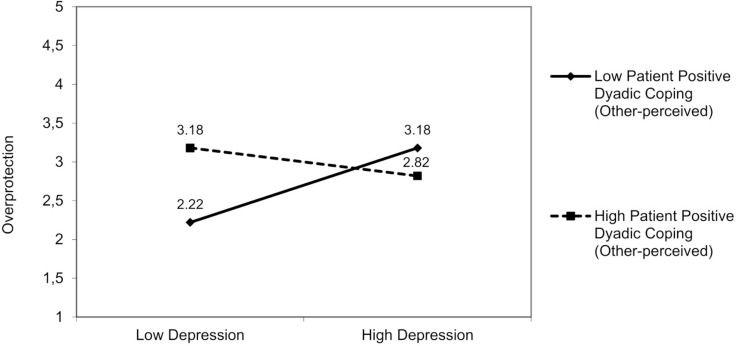
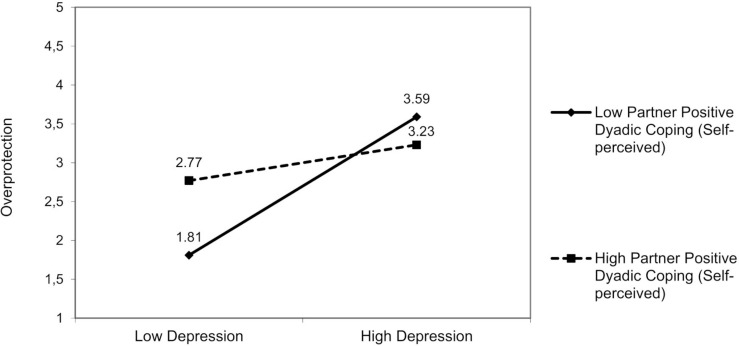
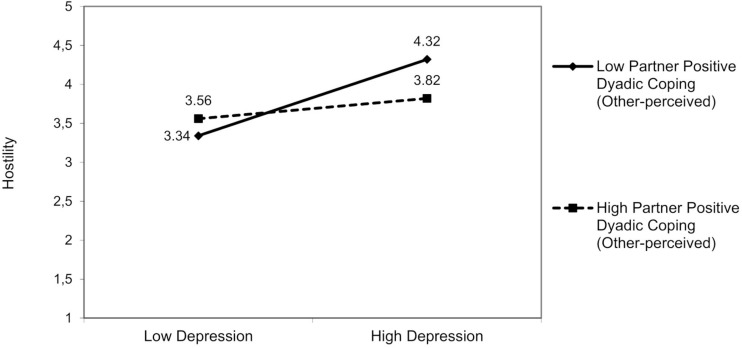
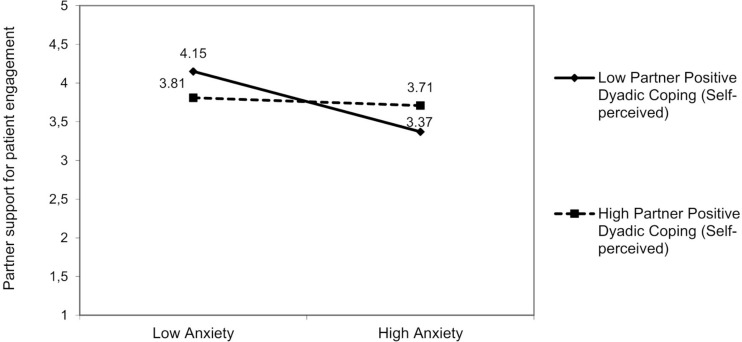
Managing cardiac illness is not easy because it dramatically disrupts people's daily life and both the patient and his/her spouse are at risk for experiencing distress, which, in turn, may affect the support provided by the partner as caregiver. The partner, in fact, is the main source of support, but his/her support may sometimes be inadequate. In addition, dyadic coping (i.e., the way partners cope together against stress and support each other in times of difficulty) could likely be a moderating factor. The main aim of the present study was to examine the role that dyadic coping (DC, in terms of positive, negative, and common dyadic coping responses) plays in moderating the link between patient and partner cardiac illness-related distress (in terms of anxiety and depression) and partner support (in terms of overprotection, hostility, and partner support for patient engagement). The study included 100 married couples faced with cardiac illness who completed a self-report questionnaire. We analyzed our data in PROCESS using multiple regressions in order to assess the moderating effects of DC responses in the relationship between the couple's cardiac illness-related distress and partner support. With regard to patient distress, results showed that higher levels of patient anxiety and depression were linked with ineffective partner support (i.e., overprotection and hostility). With regard to partner distress, higher levels of partner depression were linked with hostility; higher levels of partner depression and anxiety were associated with less partner support for patient engagement. Moreover, the association between distress and partner support was moderated by the quality of DC. In particular, low positive DC represented a risk factor for both the patient and the partner during a cardiac illness, as low positive DC exacerbated the link between patient and partner distress and less effective partner support styles. Also, higher levels of negative DC were risky for couples: The association between distress and less adequate partner supportive behaviors was stronger in the case of higher negative DC. These results imply a need for psychosocial interventions for couples in cardiac illness, especially for couples lacking relational competences, such as positive dyadic coping.
管理心脏病并非易事,因为它会极大地扰乱人们的日常生活,患者及其配偶都有陷入痛苦的风险,而这反过来又可能影响伴侣作为照顾者所提供的支持。事实上,伴侣是主要的支持来源,但他/她的支持有时可能并不充分。此外,二元应对(即伴侣共同应对压力并在困难时期相互支持的方式)很可能是一个调节因素。本研究的主要目的是探讨二元应对(从积极、消极和共同的二元应对反应方面)在调节患者与伴侣的心脏病相关痛苦(从焦虑和抑郁方面)以及伴侣支持(从过度保护、敌意和伴侣对患者参与的支持方面)之间的联系中所起的作用。该研究纳入了100对面临心脏病的已婚夫妇,他们完成了一份自我报告问卷。我们在PROCESS中使用多元回归分析数据,以评估二元应对反应在夫妻心脏病相关痛苦与伴侣支持关系中的调节作用。关于患者的痛苦,结果显示患者较高水平的焦虑和抑郁与无效的伴侣支持(即过度保护和敌意)有关。关于伴侣的痛苦,伴侣较高水平的抑郁与敌意有关;伴侣较高水平的抑郁和焦虑与伴侣对患者参与的支持较少有关。此外,痛苦与伴侣支持之间的关联受到二元应对质量的调节。特别是,低水平的积极二元应对是心脏病期间患者和伴侣的一个风险因素,因为低水平的积极二元应对加剧了患者与伴侣痛苦之间的联系以及不太有效的伴侣支持方式。而且,高水平的消极二元应对对夫妻来说是有风险的:在消极二元应对水平较高的情况下,痛苦与不太充分的伴侣支持行为之间的关联更强。这些结果表明,对于患有心脏病的夫妻,尤其是缺乏关系能力(如积极的二元应对)的夫妻,需要进行心理社会干预。