Gregor Mendel Institute of Molecular Plant Biology (GMI), Austrian Academy of Sciences, Vienna Biocenter (VBC), Vienna, Austria.
PLoS Genet. 2021 Mar 9;17(3):e1009444. doi: 10.1371/journal.pgen.1009444. eCollection 2021 Mar.
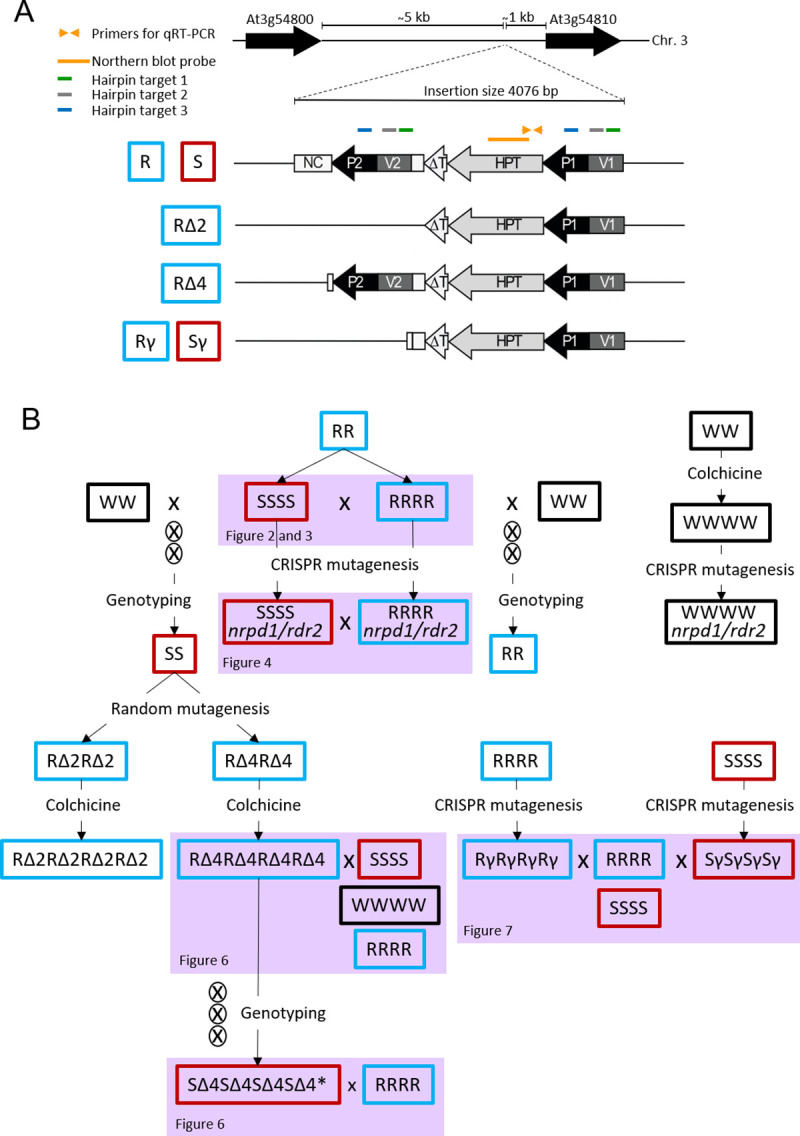
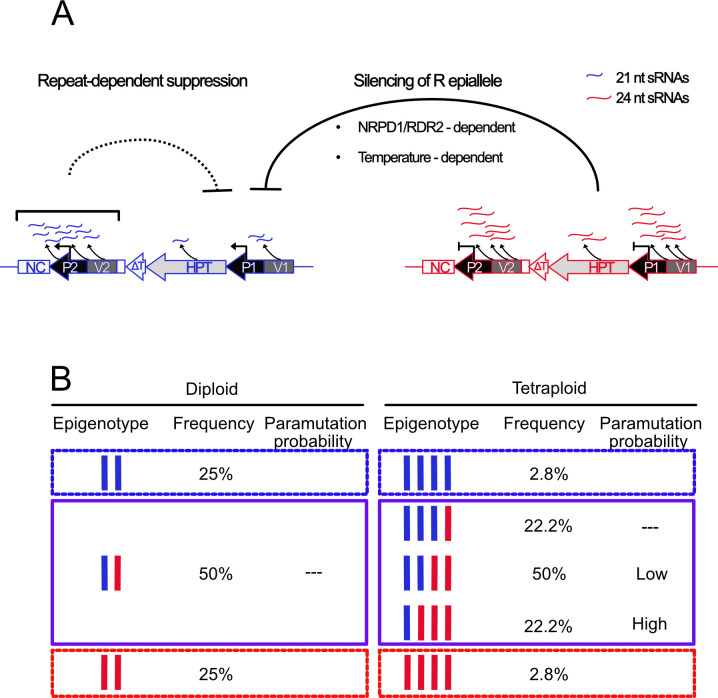
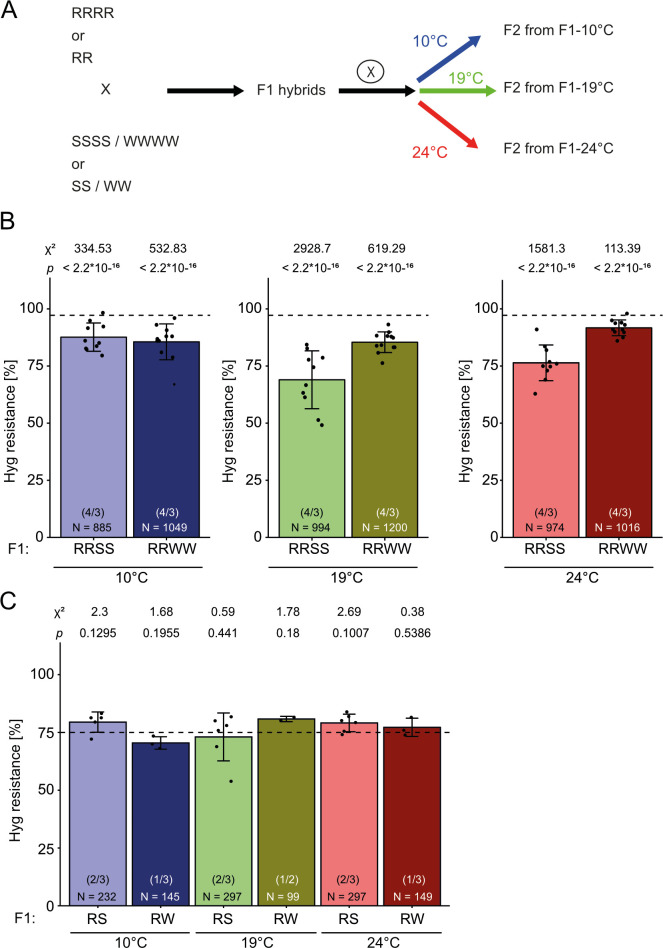
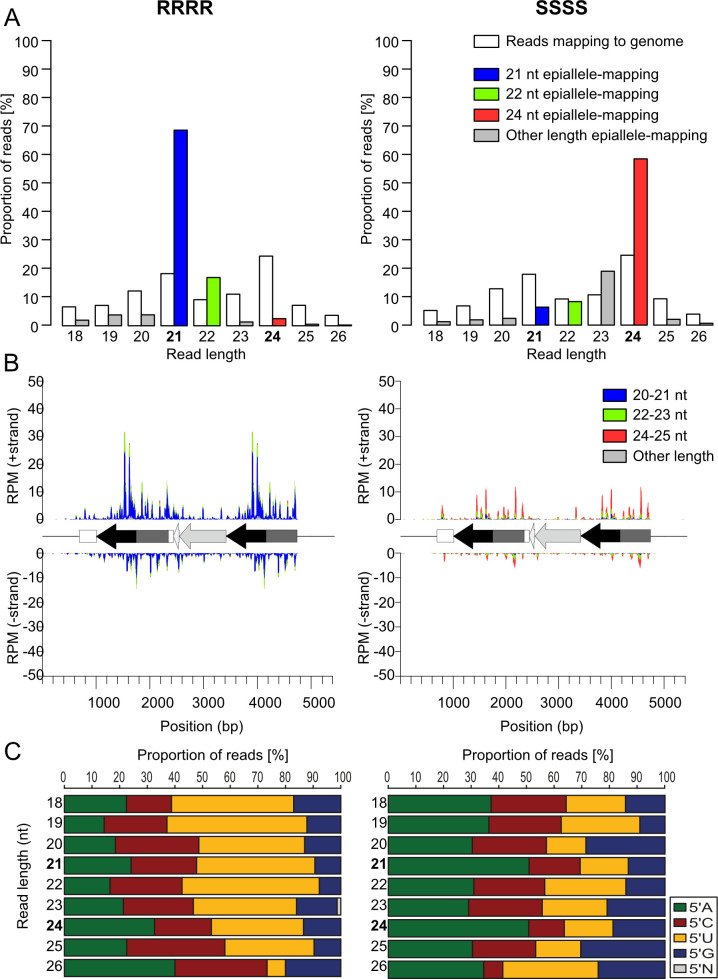
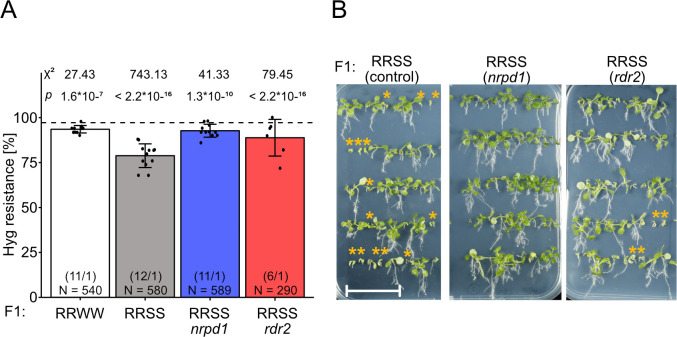
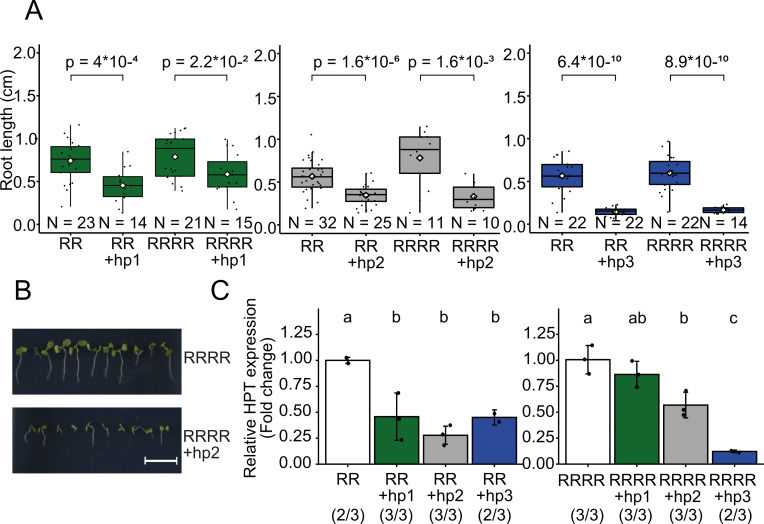
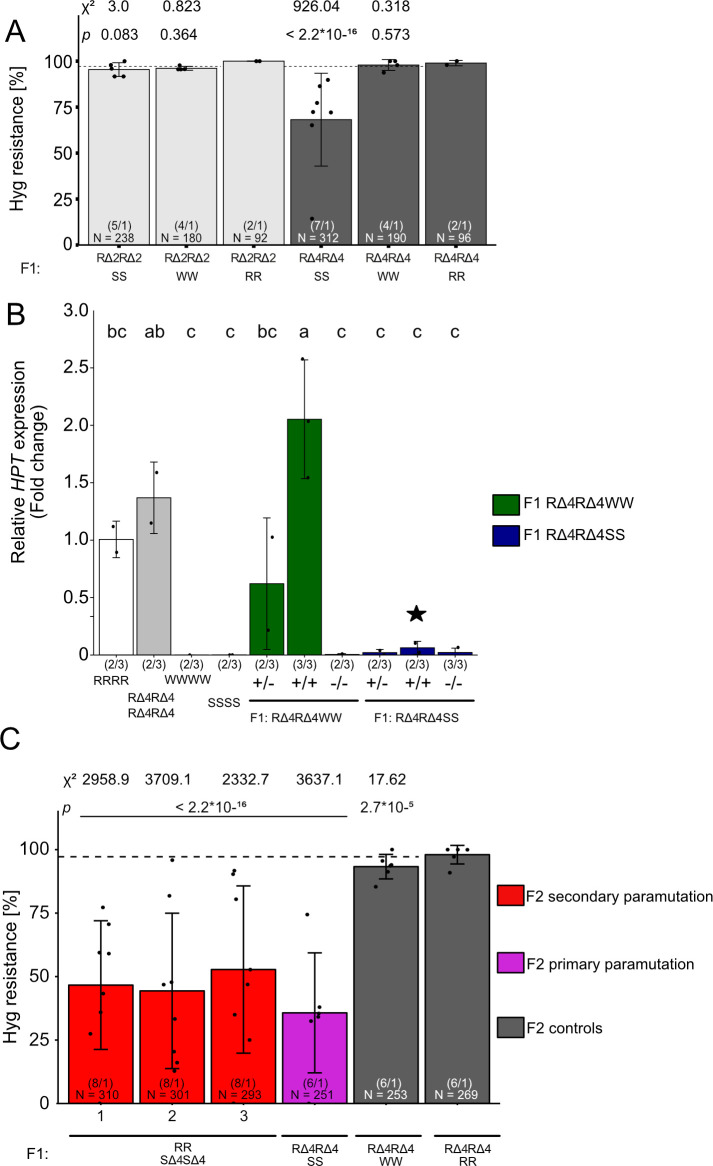
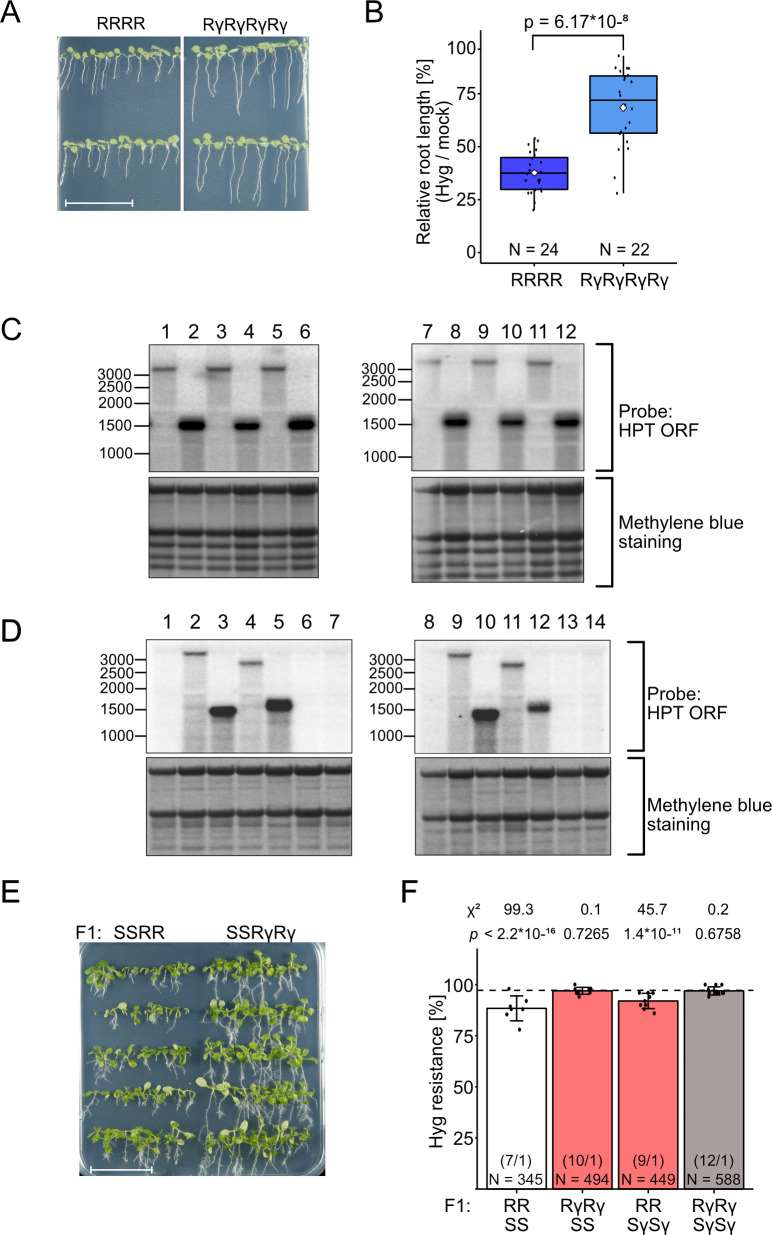
Paramutation is a form of non-Mendelian inheritance in which the expression of a paramutable allele changes when it encounters a paramutagenic allele. This change in expression of the paramutable alleles is stably inherited even after segregation of both alleles. While the discovery of paramutation and studies of its underlying mechanism were made with alleles that change plant pigmentation, paramutation-like phenomena are known to modulate the expression of other traits and in other eukaryotes, and many cases have probably gone undetected. It is likely that epigenetic mechanisms are responsible for the phenomenon, as paramutation forms epialleles, genes with identical sequences but different expression states. This could account for the intergenerational inheritance of the paramutated allele, providing profound evidence that triggered epigenetic changes can be maintained over generations. Here, we use a case of paramutation that affects a transgenic selection reporter gene in tetraploid Arabidopsis thaliana. Our data suggest that different types of small RNA are derived from paramutable and paramutagenic epialleles. In addition, deletion of a repeat within the epiallele changes its paramutability. Further, the temperature during the growth of the epiallelic hybrids determines the degree and timing of the allelic interaction. The data further make it plausible why paramutation in this system becomes evident only in the segregating F2 population of tetraploid plants containing both epialleles. In summary, the results support a model for polyploidy-associated paramutation, with similarities as well as distinctions from other cases of paramutation.
同位突变是一种非孟德尔遗传形式,其中可突变等位基因的表达在遇到同位突变等位基因时发生变化。即使在两个等位基因分离后,可突变等位基因的这种表达变化也能稳定遗传。虽然同位突变及其潜在机制的发现是针对改变植物色素沉着的等位基因进行的,但已知同位突变样现象可以调节其他性状的表达,并在其他真核生物中发生,而且许多情况可能尚未被发现。很可能是表观遗传机制导致了这种现象,因为同位突变形成了表观等位基因,即具有相同序列但表达状态不同的基因。这可以解释被同位突变的等位基因的跨代遗传,为触发的表观遗传变化可以在几代中保持提供了深刻的证据。在这里,我们使用影响四倍体拟南芥中转基因选择报告基因的同位突变的一个案例。我们的数据表明,不同类型的小 RNA 来源于可突变和同位突变的表观等位基因。此外,删除表观等位基因内的重复序列会改变其同位突变能力。此外,在表观等位基因杂种生长期间的温度决定了等位基因相互作用的程度和时间。这些数据进一步解释了为什么在包含两个表观等位基因的四倍体植物的分离 F2 群体中,该系统中的同位突变才变得明显。总之,这些结果支持了与多倍体相关的同位突变模型,与其他同位突变情况既有相似之处,也有区别。