Department of Pharmacy, Zhejiang Provincial People's Hospital, People's Hospital of Hangzhou Medical College, Hangzhou, 310014, China.
Department of Pathology, Zhejiang Provincial People's Hospital, People's Hospital of Hangzhou Medical College, Hangzhou, 310014, China.
J Nat Med. 2021 Jun;75(3):590-601. doi: 10.1007/s11418-021-01505-1. Epub 2021 Mar 13.
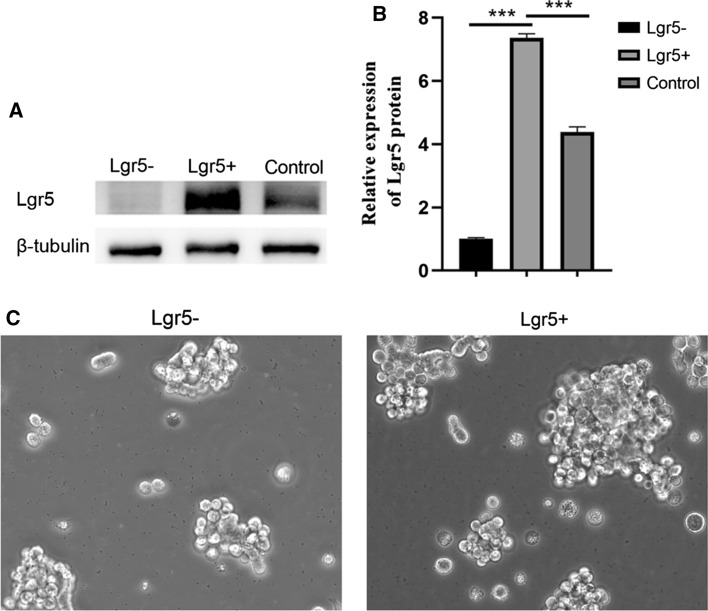
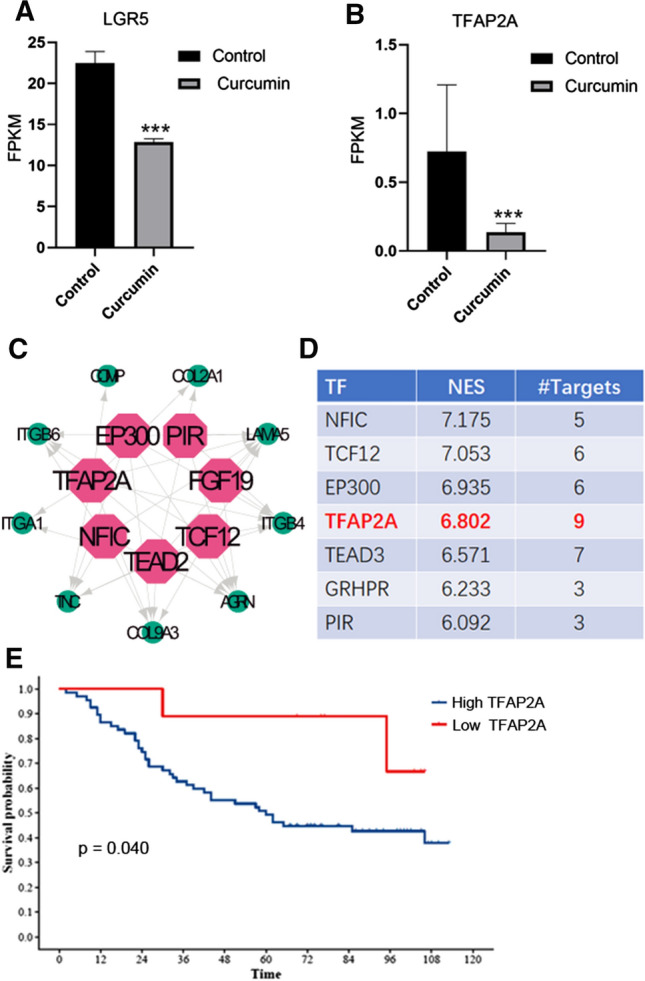
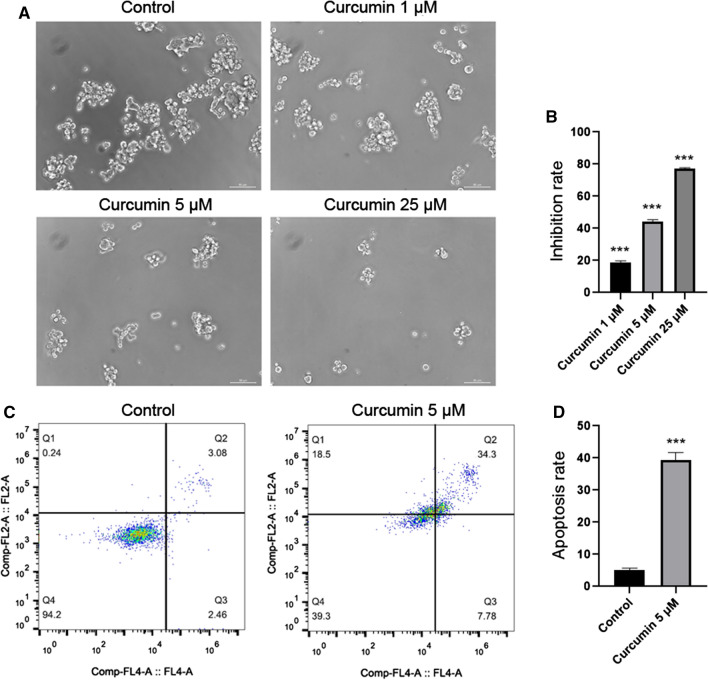
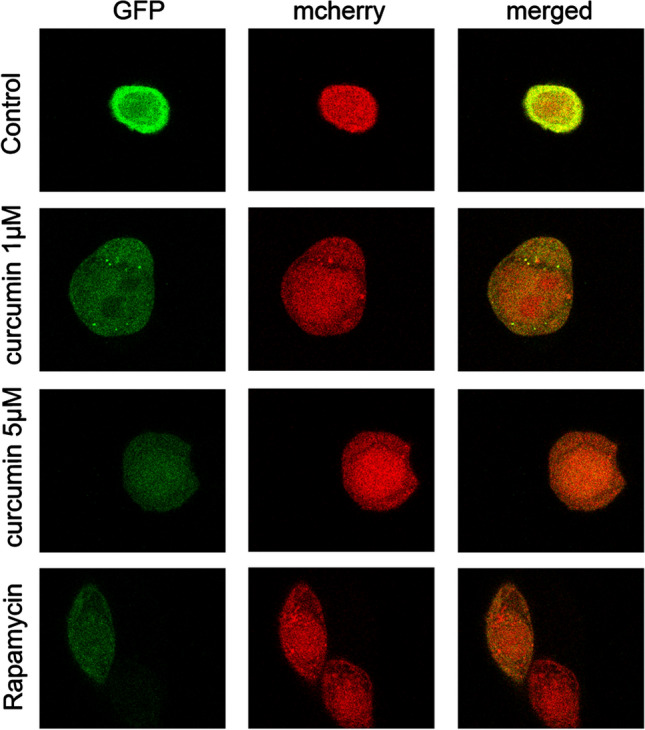
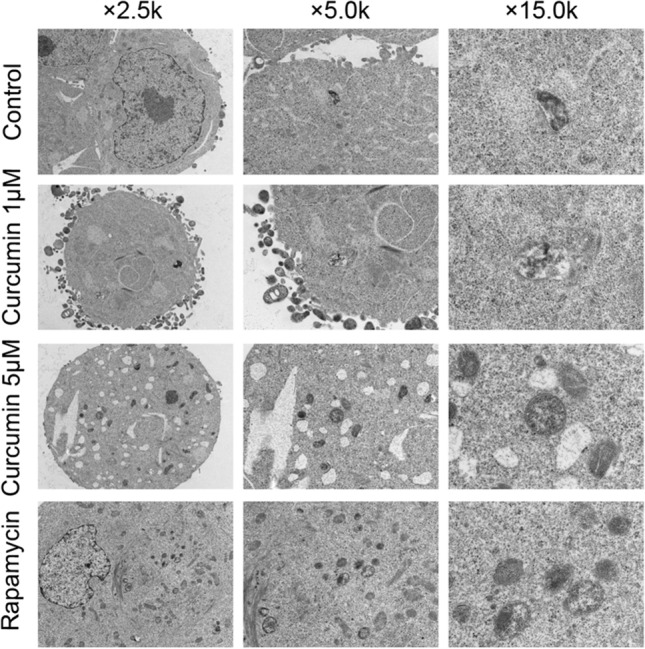
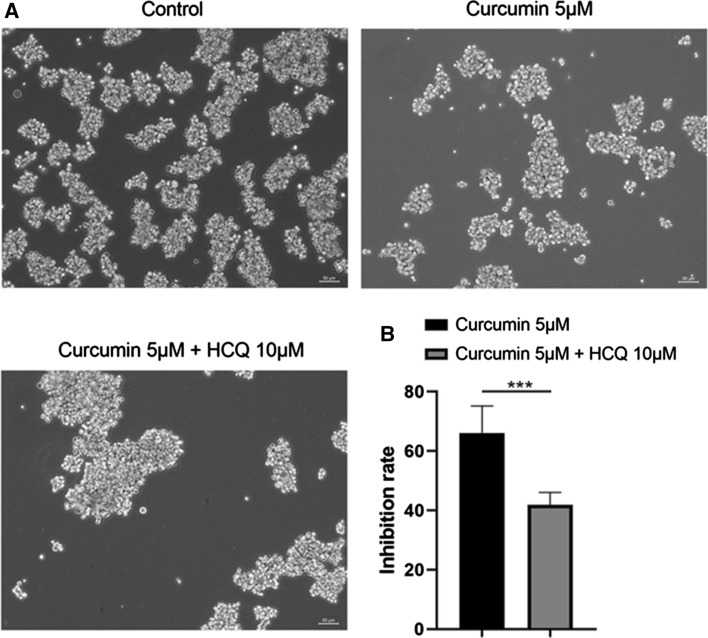
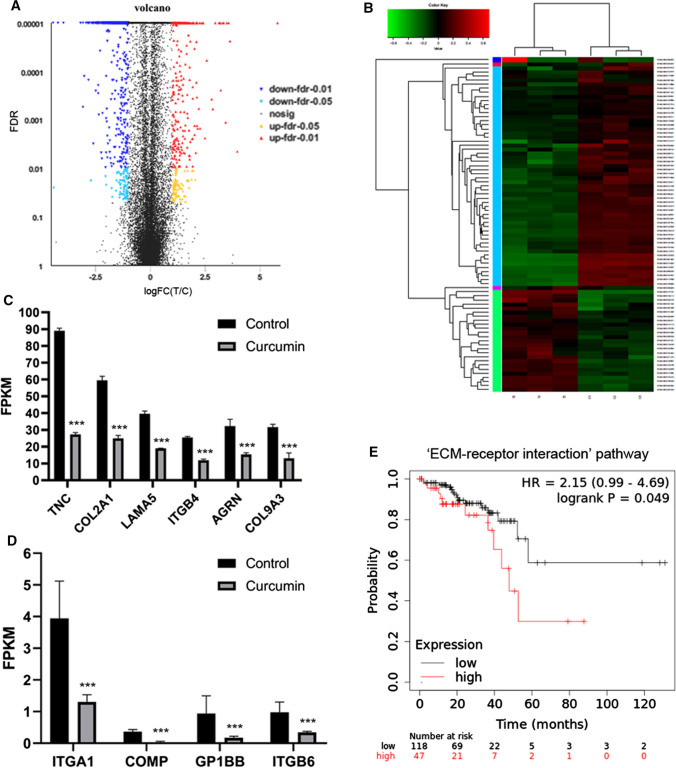
Colorectal cancer stem cells (CSCs) have the potential for self-renewal, proliferation, and differentiation. And LGR5 is a stem cell marker gene of colorectal cancer. Curcumin can suppress oncogenicity of many cancer cells, yet the effect and mechanism of curcumin in LGR5(+) colorectal cancer stem cells (CSCs) have not been studied. In this study, we studied the effect of curcumin on LGR5(+) colorectal CSCs using the experiments of tumorsphere formation, cell viability and cell apoptosis. Then autophagy analysis, RNA-Seq, and real-time PCR were used to identify the mechanism responsible for the inhibition of LGR5(+) colorectal CSCs. Our results showed that curcumin inhibited tumorsphere formation, decreased cell viability in a dose-dependent manner, and also promoted apoptosis of LGR5(+) colorectal CSCs. Next, we found curcumin induced autophagy of LGR5(+) colorectal CSCs. When LGR5(+) colorectal CSCs were co-treated with curcumin and the autophagy inhibitor (hydroxychloroquine), curcumin-induced cell proliferation inhibition decreased. In addition, we also found that curcumin inhibited the extracellular matrix (ECM)-receptor interaction pathway via the downregulation of the following genes: GP1BB, COL9A3, COMP, AGRN, ITGB4, LAMA5, COL2A1, ITGB6, ITGA1, and TNC. Further, these genes were transcriptionally regulated by TFAP2A, and the high expression of TFAP2A was associated with poor prognosis in colorectal cancer. In conclusion, curcumin suppressed LGR5(+) colorectal CSCs, potentially by inducing autophagy and repressing the oncogenic TFAP2A-mediated ECM pathway.
结直肠肿瘤干细胞(CSCs)具有自我更新、增殖和分化的潜能。LGR5 是结直肠癌的干细胞标记基因。姜黄素可以抑制许多癌细胞的致癌性,但姜黄素对 LGR5(+)结直肠肿瘤干细胞(CSCs)的作用和机制尚未研究。本研究采用肿瘤球形成实验、细胞活力和细胞凋亡实验,研究了姜黄素对 LGR5(+)结直肠 CSCs 的作用。然后,利用自噬分析、RNA-Seq 和实时 PCR 来鉴定抑制 LGR5(+)结直肠 CSCs 的机制。研究结果表明,姜黄素抑制肿瘤球形成,呈剂量依赖性降低细胞活力,促进 LGR5(+)结直肠 CSCs 凋亡。接下来,发现姜黄素诱导 LGR5(+)结直肠 CSCs 自噬。当 LGR5(+)结直肠 CSCs 与姜黄素和自噬抑制剂(羟氯喹)共同处理时,姜黄素诱导的细胞增殖抑制作用降低。此外,还发现姜黄素通过下调以下基因抑制细胞外基质(ECM)-受体相互作用途径:GP1BB、COL9A3、COMP、AGRN、ITGB4、LAMA5、COL2A1、ITGB6、ITGA1 和 TNC。进一步研究发现,这些基因受 TFAP2A 的转录调控,TFAP2A 的高表达与结直肠癌的不良预后相关。总之,姜黄素抑制 LGR5(+)结直肠 CSCs,可能通过诱导自噬和抑制致癌 TFAP2A 介导的 ECM 途径。