de Mello Iasmim Silva, Fernandes Déberli Ruiz, Furtado Nathália Dias, Dos Santos Alexandre Araújo Cunha, Dos Santos Marta Pereira, Ribeiro Ieda Pereira, Raphael Lidiane Menezes Souza, Nogueira Mônica da Silva, da Cruz Stephanie Oliveira Diaz, Rocha Adalgiza da Silva, Manso Pedro Paulo de Abreu, Pelajo-Machado Marcelo, Bonaldo Myrna Cristina
Laboratório de Biologia Molecular de Flavivírus, Instituto Oswaldo Cruz, Fundação Oswaldo Cruz, Rio de Janeiro, Brazil.
Centro de Experimentação Animal, Instituto Oswaldo Cruz - FIOCRUZ, Rio de Janeiro, Brazil.
Front Microbiol. 2021 Feb 24;12:639655. doi: 10.3389/fmicb.2021.639655. eCollection 2021.
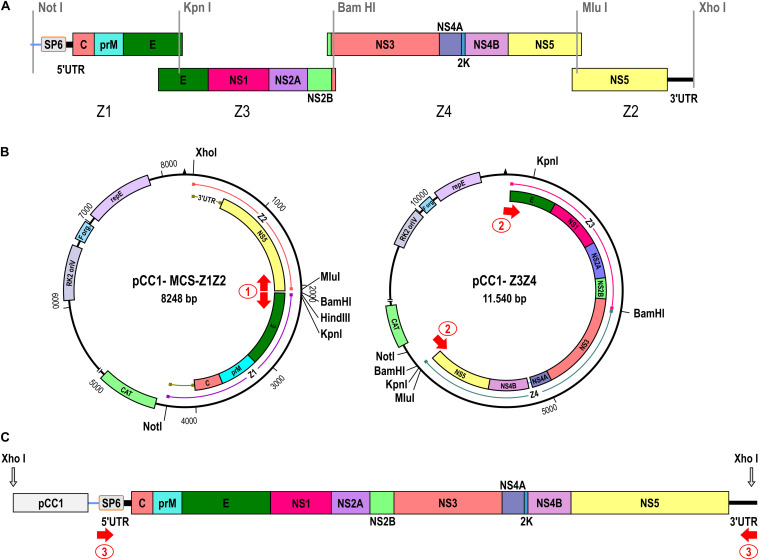
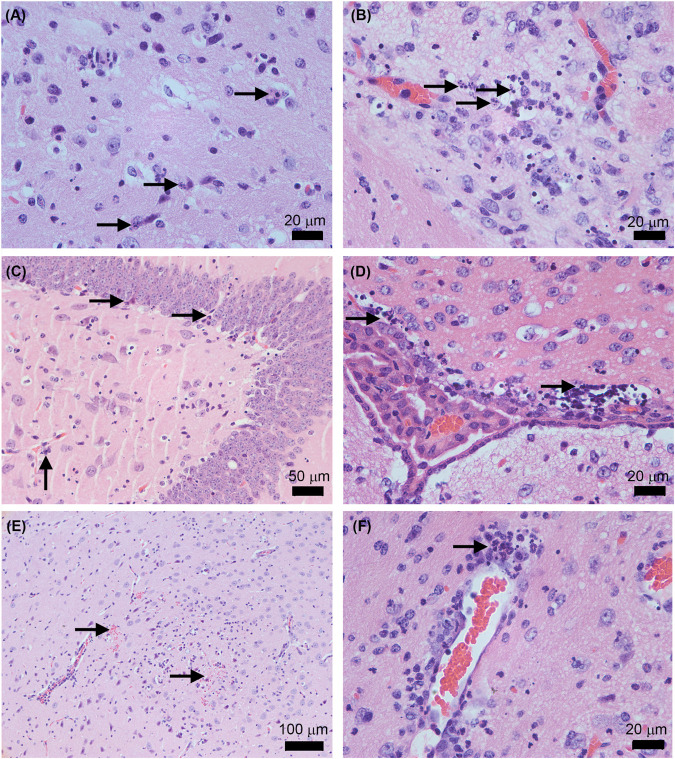
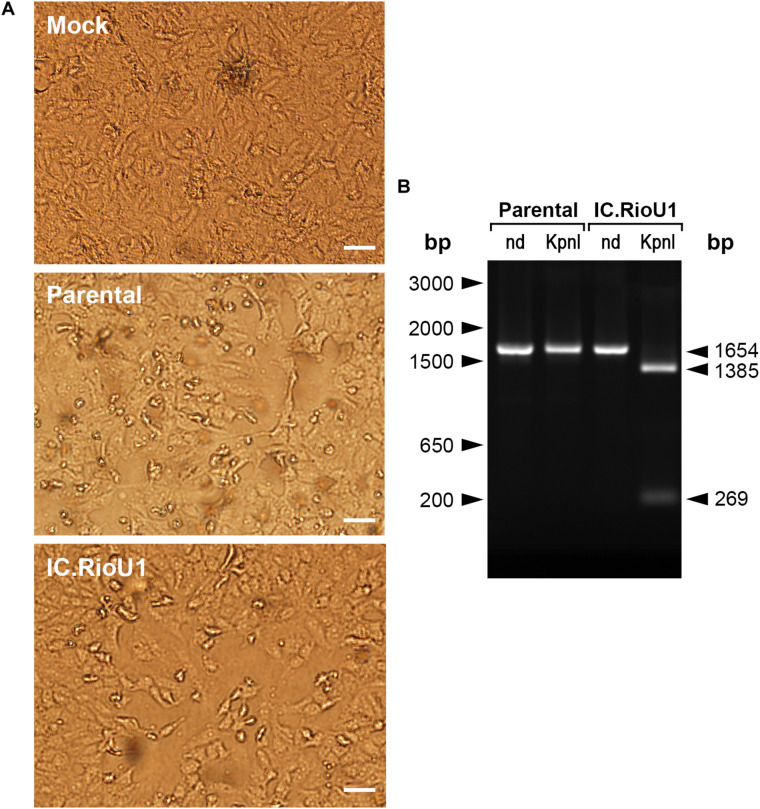
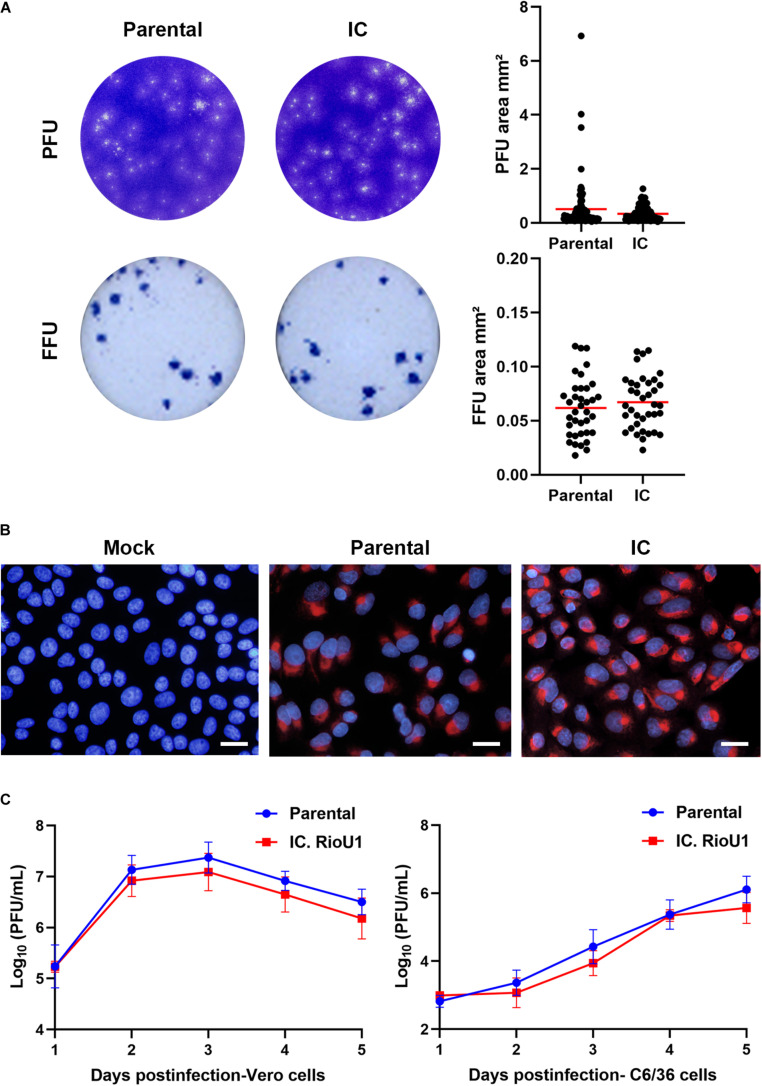
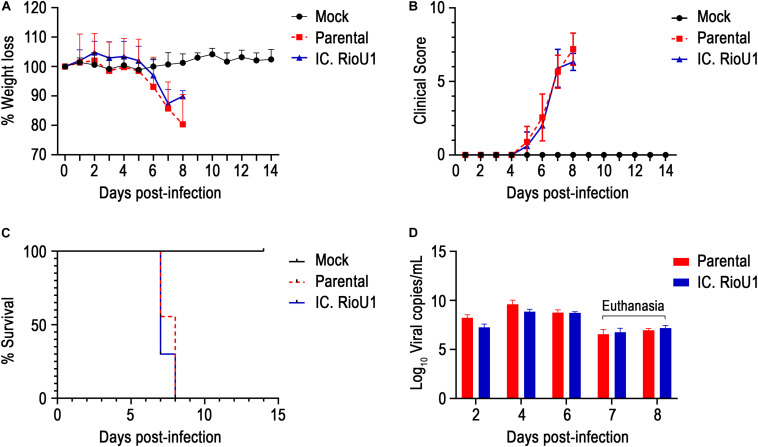
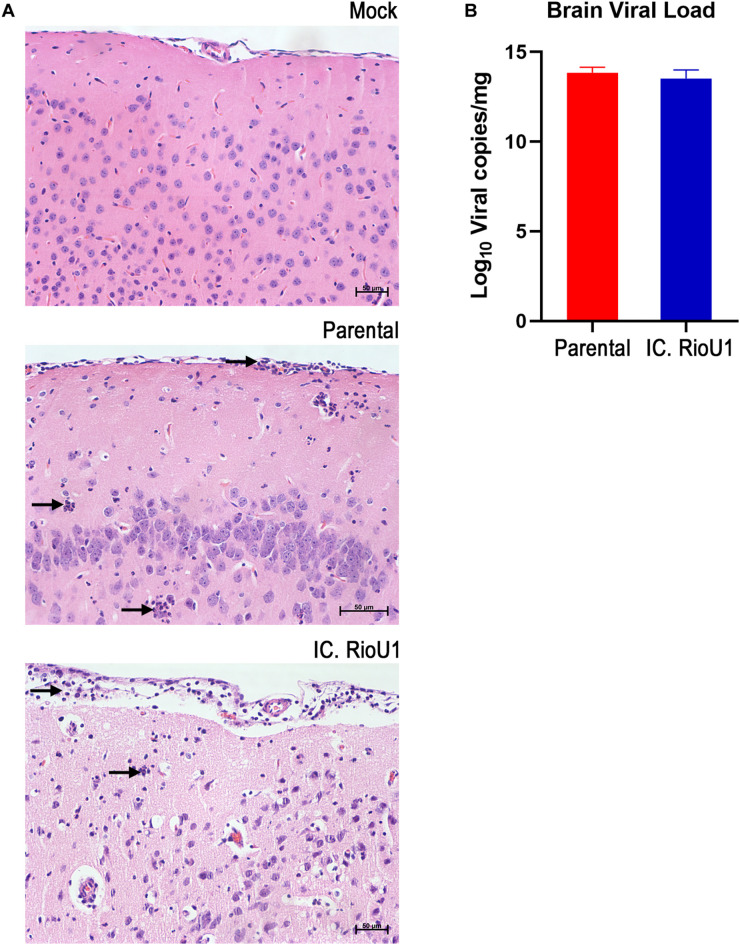
In 2016, the world experienced the unprecedented Zika epidemic. The ZIKV emerged as a major human pathogen due to its association with the impairment of perinatal development and Guillain-Barré syndrome. The occurrence of these severe cases of Zika points to the significance of studies for understanding the molecular determinants of flavivirus pathogenesis. Reverse genetics is a powerful method for studying the replication and determinants of pathogenesis, virulence, and viral attenuation of flaviviruses, facilitating the design of vaccines and therapeutics. However, the main hurdle in the development of infectious clones is the instability of full-length cDNA in . Here, we described the development of a genetically stable and efficient infectious clone based on the ZIKV Rio-U1 isolated in the 2016 epidemic in Brazil. The employed strategy consisted of cloning the viral cDNA genome into two stable plasmid subclones and obtaining a high-quality cDNA template with increment in DNA mass for transcription by PCR amplification. The strategy for developing a ZIKV infectious cDNA clone designed in this study was successful, yielding a replicative and efficient clone-derived virus with high similarities with its parental virus, Rio-U1, by comparison of the proliferation capacity in mammal and insect cells. The infection of AG129 immunocompromised mice caused identical mortality rates, with similar disease progression and morbidity in the animals infected with the parental and the cDNA-derived virus. Histopathological analyses of mouse brains infected with the parental and the cDNA-derived viruses revealed a similar pathogenesis degree. We observed meningoencephalitis, cellular pyknosis, and neutrophilic invasion adjacent to the choroid plexus and perivascular cuffs with the presence of neutrophils. The developed infectious clone will be a tool for genetic and functional studies and to understand viral infection and pathogenesis better.
2016年,全球经历了前所未有的寨卡疫情。寨卡病毒因与围产期发育受损和吉兰 - 巴雷综合征有关,成为一种主要的人类病原体。这些严重寨卡病例的出现表明,开展研究以了解黄病毒发病机制的分子决定因素具有重要意义。反向遗传学是研究黄病毒复制、发病机制决定因素、毒力和病毒减毒的有力方法,有助于疫苗和治疗药物的设计。然而,构建感染性克隆的主要障碍是全长cDNA在……中的不稳定性。在此,我们描述了基于2016年巴西疫情中分离出的寨卡病毒里约 - U1株构建的一种遗传稳定且高效的感染性克隆。所采用的策略包括将病毒cDNA基因组克隆到两个稳定的质粒亚克隆中,并通过PCR扩增获得高质量的DNA模板,其DNA量增加用于转录。本研究设计的寨卡病毒感染性cDNA克隆构建策略取得成功,通过比较在哺乳动物和昆虫细胞中的增殖能力,产生了一种与亲代病毒里约 - U1高度相似的具有复制能力且高效的克隆衍生病毒。感染AG129免疫缺陷小鼠时,亲代病毒和cDNA衍生病毒感染的动物死亡率相同,疾病进展和发病率相似。对感染亲代病毒和cDNA衍生病毒的小鼠脑进行组织病理学分析,发现发病程度相似。我们观察到脑膜脑炎、细胞固缩以及脉络丛和血管周围套袖处有嗜中性粒细胞浸润,伴有嗜中性粒细胞。所构建的感染性克隆将成为遗传和功能研究的工具,有助于更好地理解病毒感染和发病机制。