Department of Rehabilitation Medicine, The First Affiliated Hospital of Fujian Medical University, 20 Chazhong Road, Fuzhou, China.
Medicine (Baltimore). 2021 Mar 19;100(11):e24909. doi: 10.1097/MD.0000000000024909.
Botulinum toxin (BTX) injection is a widely used treatment option for dysphagia associated with cricopharyngeal (CP) muscle achalasia, but uniform standards and protocols for administration techniques and injection sites are still lacking. This case study suggests that a unique administration technique involving a combination of ultrasound, electromyography, and balloon guidance for injecting the CP muscle can reduce inadvertent migration of BTX to non-injected tissues and increase the effectiveness and safety of BTX treatment.
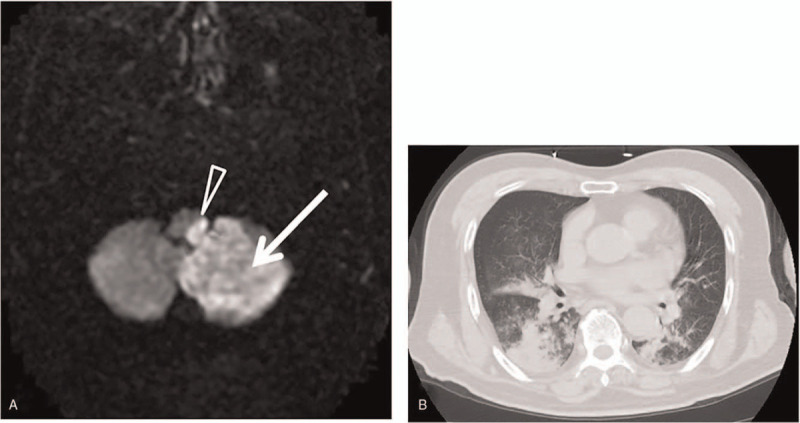
We describe the case of a 74-year-old man who could not swallow food or saliva for 8 months.
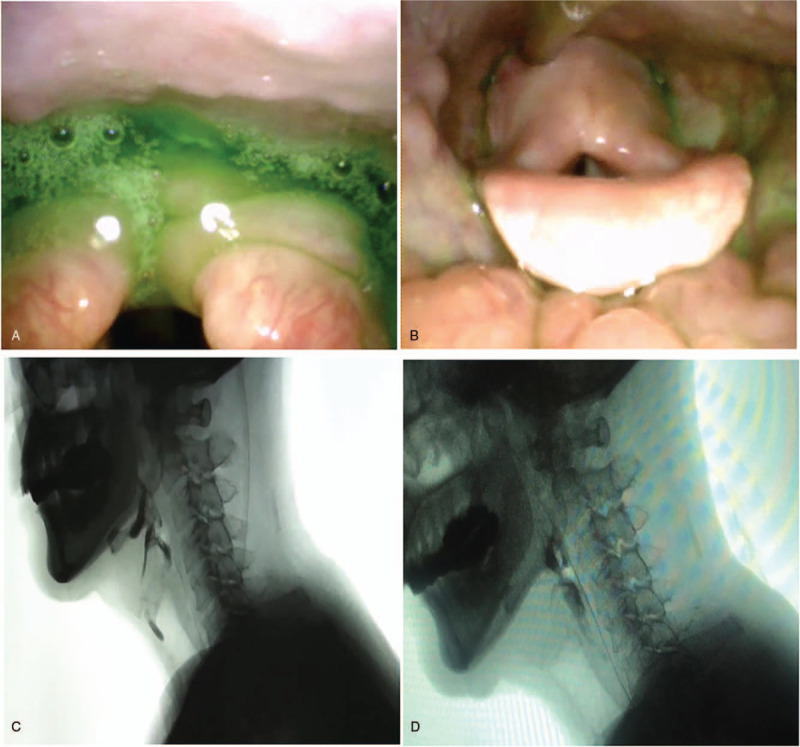
The patient showed signs of true bulbar paralysis, including dizziness, hoarseness, and dysphagia. The fiberoptic endoscopic evaluation of swallowing showed massive mucilage secretion and residual materials in the postcricoid region and aspiration when swallowing 1 ml of yogurt. The video fluoroscopic swallowing study showed profoundly limited epiglottic folding and CP muscle non-relaxation, despite several unsuccessful swallow attempts.
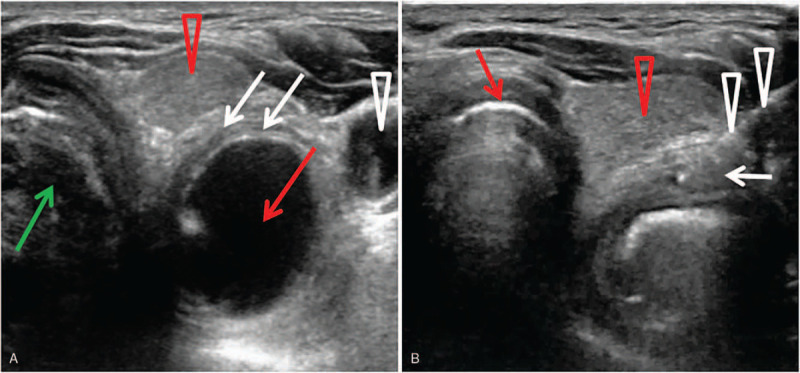
To manage insufficient relaxation opening of the CP muscle, BTX injection was performed using ultrasound, electromyography, and balloon catheter guidance. The narrow CP muscle situated above the balloon was identified as the target of injection by ultrasound.
The patient was able to eat a soft diet. The follow-up fibrotic endoscopic swallowing study demonstrated a reduction in the amount of pharyngeal residue. The video fluoroscopic swallowing study showed that CP muscle relaxation was significantly enhanced and no penetration was shown.
The unique administration technique with triple guidance holds several advantages, suggesting that it may be a promising treatment for CP muscle achalasia.
肉毒杆菌毒素(BTX)注射是治疗环咽肌(CP)失弛缓症相关吞咽困难的常用方法,但给药技术和注射部位的统一标准和方案仍缺乏。本病例研究表明,一种独特的给药技术,结合超声、肌电图和球囊引导,用于注射 CP 肌,可以减少 BTX 无意中迁移到未注射组织,并提高 BTX 治疗的有效性和安全性。
我们描述了一名 74 岁男性患者,他 8 个月来无法吞咽食物或唾液。
患者表现出真性球麻痹的迹象,包括头晕、声音嘶哑和吞咽困难。纤维内镜吞咽评估显示在后环状区域有大量黏液分泌和残留物质,吞咽 1ml 酸奶时出现吸入。视频荧光吞咽研究显示,尽管多次吞咽尝试失败,会厌软骨折叠和 CP 肌松弛仍然明显受限。
为了治疗 CP 肌松弛不足的问题,采用超声、肌电图和球囊导管引导进行 BTX 注射。超声识别出位于球囊上方的狭窄 CP 肌为注射目标。
患者能够进食软食。随访纤维内镜吞咽研究显示,咽部残留量减少。视频荧光吞咽研究显示 CP 肌松弛明显增强,无渗透现象。
具有三重引导的独特给药技术具有多个优势,提示其可能是 CP 肌失弛缓症的一种有前途的治疗方法。