Central Laboratory, Beijing Obstetrics and Gynecology Hospital, Capital Medical University, Beijing, 100026, China.
J Ovarian Res. 2021 Mar 16;14(1):46. doi: 10.1186/s13048-021-00794-0.
Epithelial ovarian cancer (EOC), as a lethal malignancy in women, is often diagnosed as advanced stages. In contrast, intermediating between benign and malignant tumors, ovarian low malignant potential (LMP) tumors show a good prognosis. However, the differential diagnosis of the two diseases is not ideal, resulting in delays or unnecessary therapies. Therefore, unveiling the molecular differences between LMP and EOC may contribute to differential diagnosis and novel therapeutic and preventive policies development for EOC.
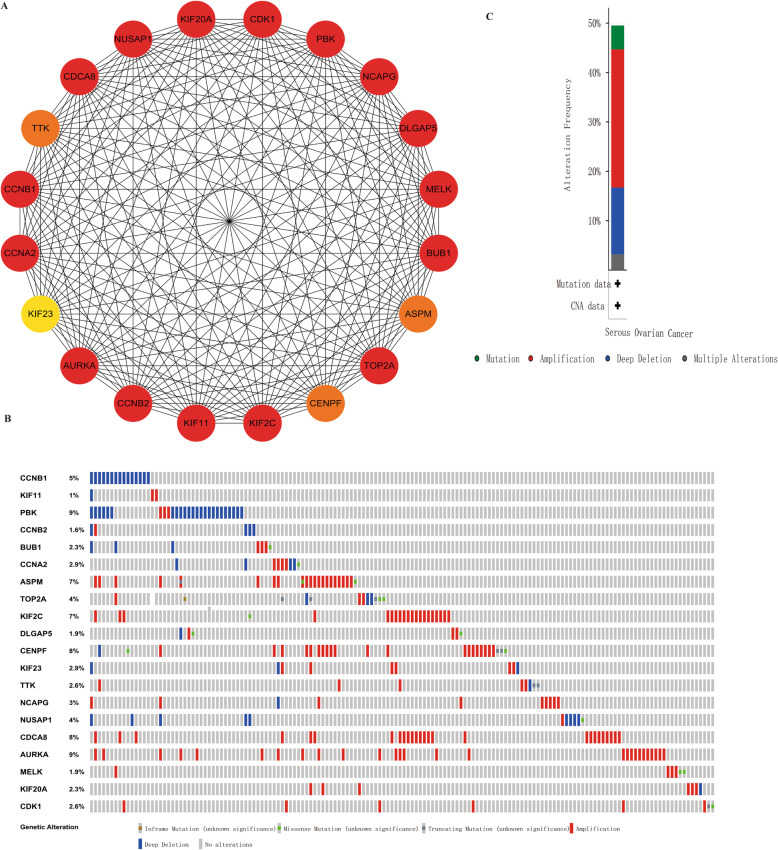
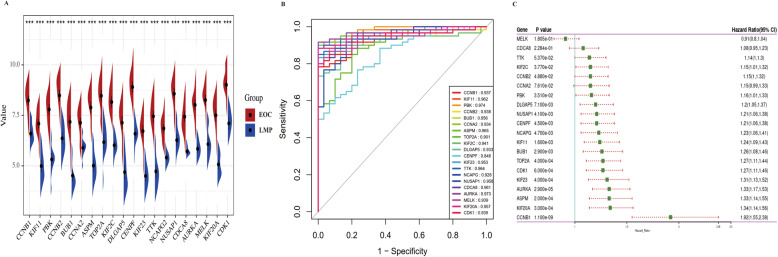
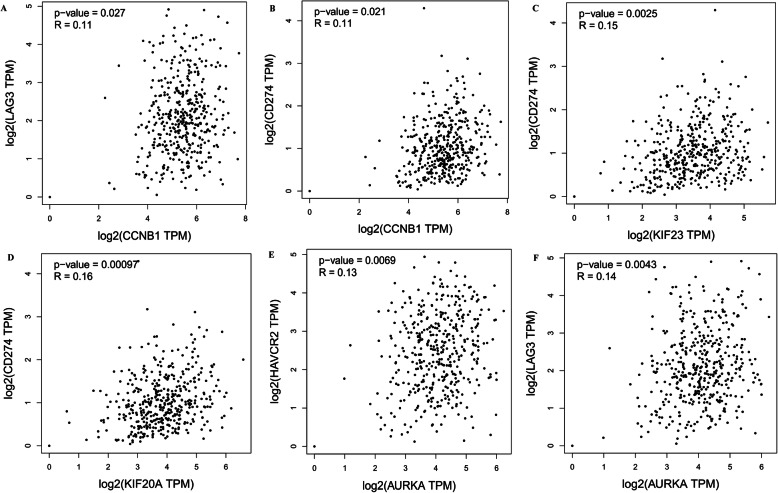
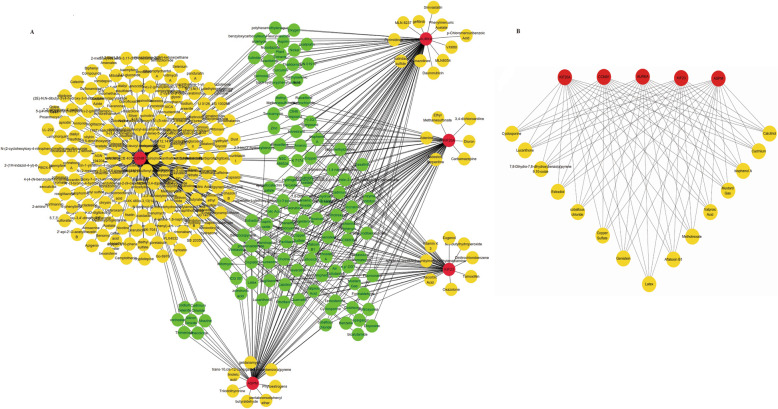
In this study, three microarray data (GSE9899, GSE57477 and GSE27651) were used to explore the differentially expressed genes (DEGs) between LMP and EOC samples. Then, 5 genes were screened by protein-protein interaction (PPI) network, receiver operating characteristic (ROC), survival and Pearson correlation analysis. Meanwhile, chemical-core gene network construction was performed to identify the potential drugs or risk factors for EOC based on 5 core genes. Finally, we also identified the potential function of the 5 genes for EOC through pathway analysis.
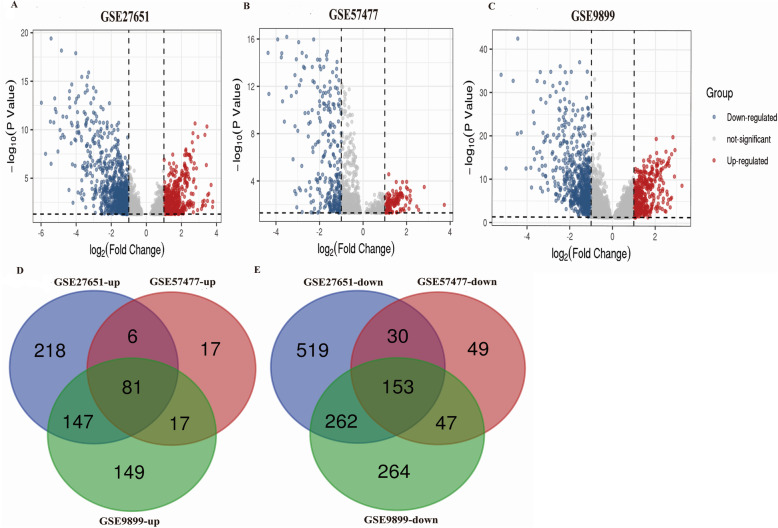
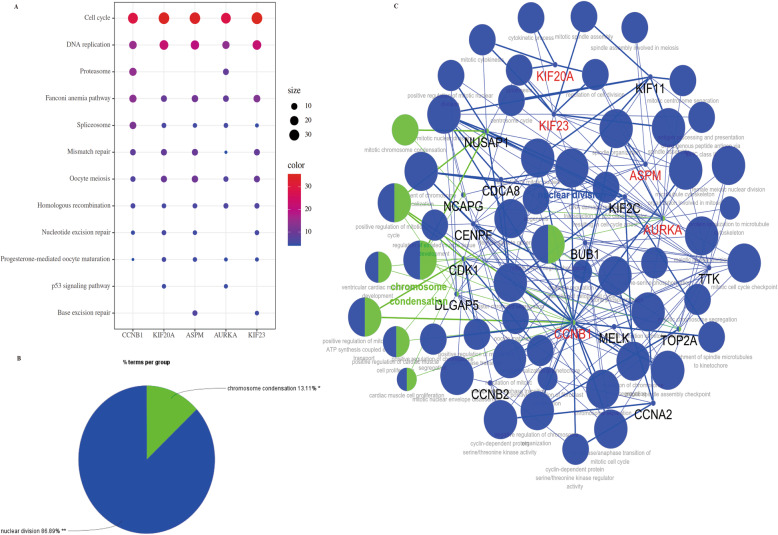
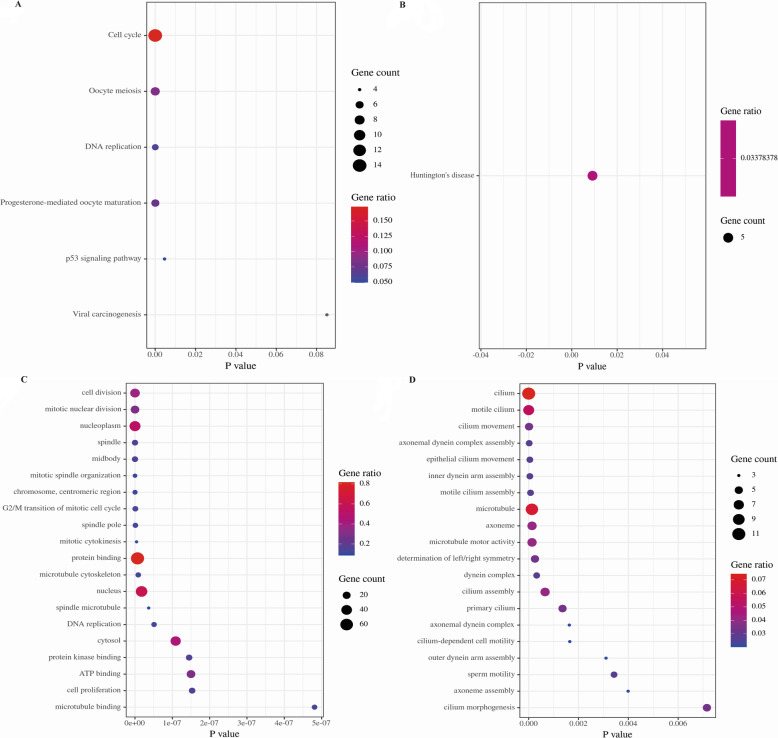
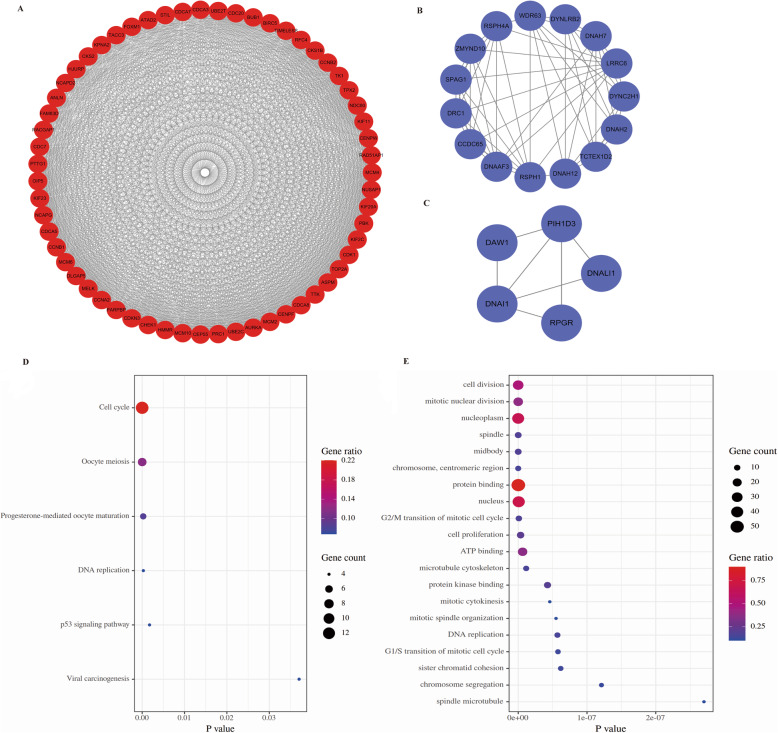
Two hundred thirty-four DEGs were successfully screened, including 81 up-regulated genes and 153 down-regulated genes. Then, 5 core genes (CCNB1, KIF20A, ASPM, AURKA, and KIF23) were identified through PPI network analysis, ROC analysis, survival and Pearson correlation analysis, which show better diagnostic efficiency and higher prognostic value for EOC. Furthermore, NetworkAnalyst was used to identify top 15 chemicals that link with the 5 core genes. Among them, 11 chemicals were potential drugs and 4 chemicals were risk factors for EOC. Finally, we found that all 5 core genes mainly regulate EOC development via the cell cycle pathway by the bioinformatic analysis.
Based on an integrated bioinformatic analysis, we identified potential biomarkers, risk factors and drugs for EOC, which may help to provide new ideas for EOC diagnosis, condition appraisal, prevention and treatment in future.
上皮性卵巢癌(EOC)是一种女性致命的恶性肿瘤,通常在晚期诊断。相比之下,卵巢低度恶性潜能(LMP)肿瘤处于良性和恶性肿瘤之间,预后良好。然而,这两种疾病的鉴别诊断并不理想,导致诊断延误或不必要的治疗。因此,揭示 LMP 和 EOC 之间的分子差异可能有助于鉴别诊断和为 EOC 开发新的治疗和预防策略。
本研究使用了三个微阵列数据集(GSE9899、GSE57477 和 GSE27651)来探讨 LMP 和 EOC 样本之间的差异表达基因(DEGs)。然后,通过蛋白质-蛋白质相互作用(PPI)网络、接收器工作特征(ROC)、生存和 Pearson 相关性分析筛选出 5 个基因。同时,基于 5 个核心基因构建化学核心基因网络,以确定 EOC 的潜在药物或风险因素。最后,我们还通过通路分析确定了这 5 个基因对 EOC 的潜在功能。
成功筛选出 234 个 DEGs,包括 81 个上调基因和 153 个下调基因。然后,通过 PPI 网络分析、ROC 分析、生存和 Pearson 相关性分析,确定了 5 个核心基因(CCNB1、KIF20A、ASPM、AURKA 和 KIF23),它们对 EOC 的诊断效率更高,预后价值更高。此外,使用 NetworkAnalyst 识别与 5 个核心基因相关的前 15 种化学物质。其中,11 种化学物质是潜在的药物,4 种化学物质是 EOC 的风险因素。最后,我们发现所有 5 个核心基因主要通过细胞周期通路调节 EOC 的发展,这一结果通过生物信息学分析得到证实。
通过综合生物信息学分析,我们确定了 EOC 的潜在生物标志物、风险因素和药物,这可能有助于为未来的 EOC 诊断、病情评估、预防和治疗提供新的思路。