Lucky Sasidharan Swarnalatha, Law Martin, Lui Ming Hong, Mong Jamie, Shi Junli, Yu Sidney, Yoon Do Kun, Djeng Shih Kien, Wang Jiguang, Lim Chwee Ming, Tan Min Han
Institute of Bioengineering and Nanotechnology, Agency for Science Technology and Research (ASTAR), Singapore, Singapore.
Proton Therapy Centre Pte Ltd., Singapore, Singapore.
Front Oncol. 2021 Feb 23;11:622244. doi: 10.3389/fonc.2021.622244. eCollection 2021.
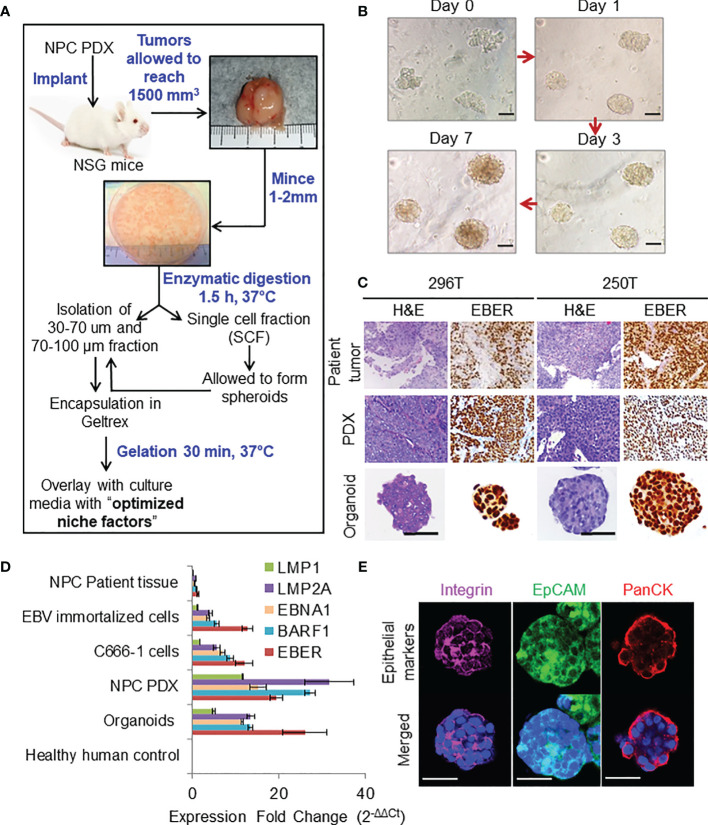
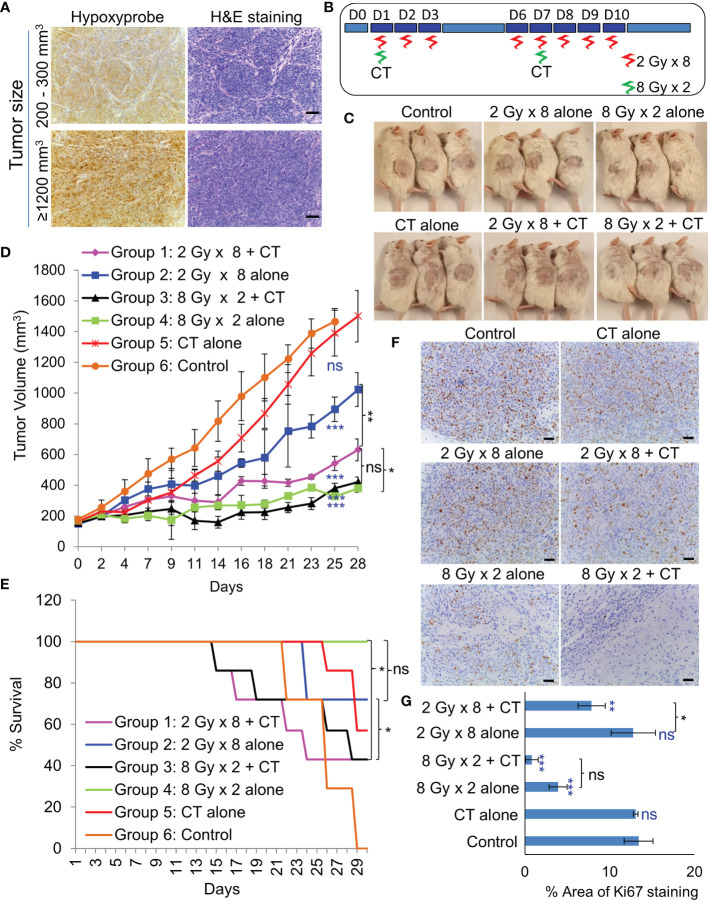
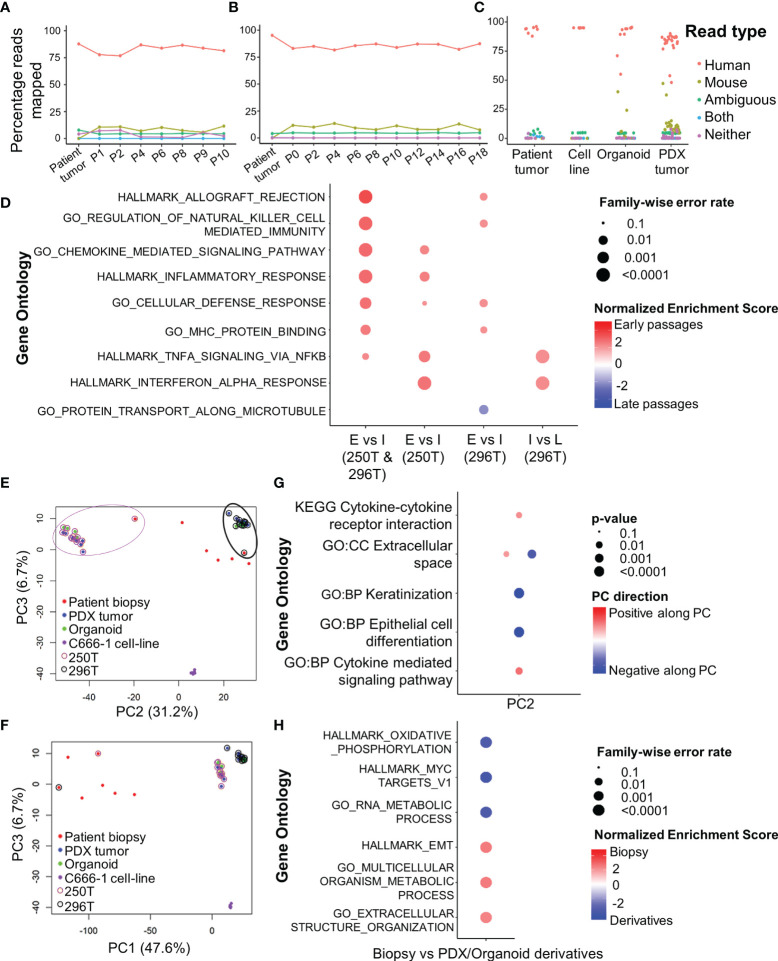
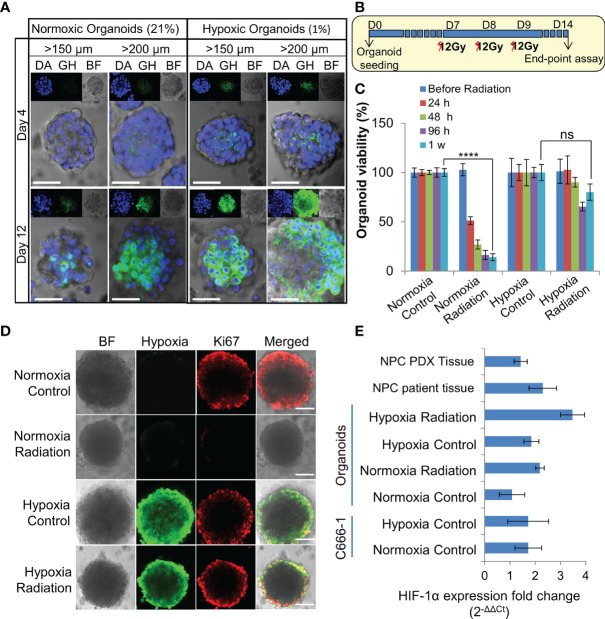
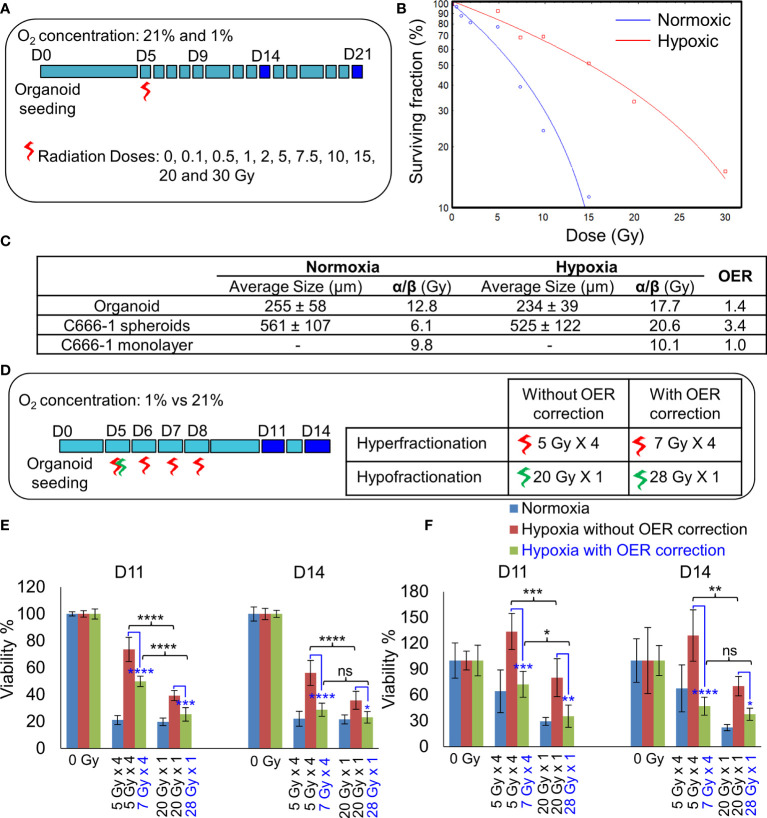
Effective radiation treatment (RT) for recurrent nasopharyngeal cancers (NPC), featuring an intrinsic hypoxic sub-volume, remains a clinical challenge. Lack of disease-specific models of NPC, together with difficulties in establishing patient derived xenograft (PDX) models, have further hindered development of personalized therapeutic options. Herein, we established two NPC organoid lines from recurrent NPC PDX models and further characterized and compared these models with original patient tumors using RNA sequencing analysis. Organoids were cultured in hypoxic conditions to examine the effects of hypoxia and radioresistance. These models were then utilized to determine the radiobiological parameters, such as α/β ratio and oxygen enhancement ratio (OER), characteristic to radiosensitive normoxic and radioresistant hypoxic NPC, using simple dose-survival data analytic tools. The results were further validated and , to determine the optimal boost dose and fractionation regimen required to achieve effective NPC tumor regression. Despite the differences in tumor microenvironment due to the lack of human stroma, RNA sequencing analysis revealed good correlation of NPC PDX and organoid models with patient tumors. Additionally, the established models also mimicked inter-tumoral heterogeneity. Hypoxic NPC organoids were highly radioresistant and had high α/β ratio compared to its normoxic counterparts. and fractionation studies showed that hypoxic NPC was less sensitive to RT fractionation scheme and required a large bolus dose or 1.4 times of the fractionated dose that was effective against normoxic cells in order to compensate for oxygen deficiency. This study is the first direct experimental evidence to predict optimal RT boost dose required to cause sufficient damage to recurrent hypoxic NPC tumor cells, which can be further used to develop dose-painting algorithms in clinical practice.
复发性鼻咽癌(NPC)的有效放射治疗(RT)面临临床挑战,因其存在内在缺氧亚体积。缺乏NPC疾病特异性模型以及建立患者来源异种移植(PDX)模型的困难,进一步阻碍了个性化治疗方案的发展。在此,我们从复发性NPC的PDX模型中建立了两条NPC类器官系,并使用RNA测序分析对这些模型进行了进一步表征,并与原始患者肿瘤进行了比较。将类器官在缺氧条件下培养,以研究缺氧和放射抗性的影响。然后利用这些模型,使用简单的剂量生存数据分析工具,确定放射生物学参数,如α/β比值和氧增强比(OER),这些参数是放射敏感的常氧和放射抗性缺氧NPC的特征。对结果进行了进一步验证,并确定实现有效NPC肿瘤消退所需的最佳增敏剂量和分割方案。尽管由于缺乏人基质导致肿瘤微环境存在差异,但RNA测序分析显示NPC的PDX和类器官模型与患者肿瘤具有良好的相关性。此外,建立的模型还模拟了肿瘤间的异质性。与常氧的NPC类器官相比,缺氧的NPC类器官具有高度放射抗性且α/β比值较高。分割研究表明,缺氧的NPC对放疗分割方案不太敏感,需要大剂量推注或对常氧细胞有效的分割剂量的1.4倍,以补偿缺氧。本研究是第一个直接实验证据,可预测对复发性缺氧NPC肿瘤细胞造成足够损伤所需的最佳放疗增敏剂量,这可进一步用于临床实践中制定剂量描绘算法。