Liu Chao, Piao Jingjing, Shang Zhiyang
Department of Oncology, Zhuozhou Hospital, No.129, Fanyang Road, Zhuozhou City, Hebei Province, China.
College of Nursing, Hebei University of Chinese Medicine, Shijiazhuang, Hebei Province, China.
BMC Urol. 2021 Mar 21;21(1):42. doi: 10.1186/s12894-021-00813-8.
Studies have shown that immune checkpoint inhibitors (ICIs) have limited efficacy and can even increase tumour burden in short time periods. This is usually called hyperprogressive disease (HPD). To date, there are few reports regarding HPD; fewer have analysed the relationship between HPD and radiotherapy combined with ICIs, and their conclusions are controversial.
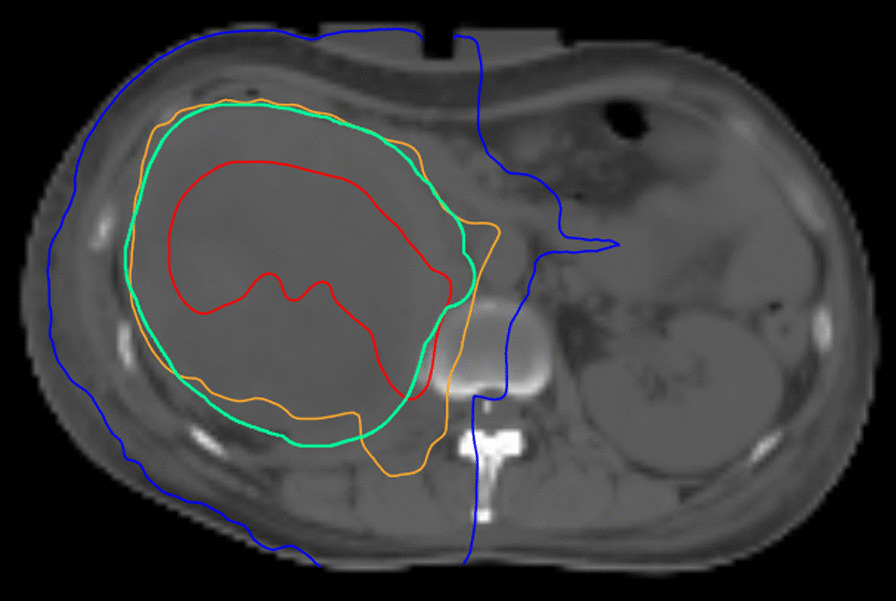
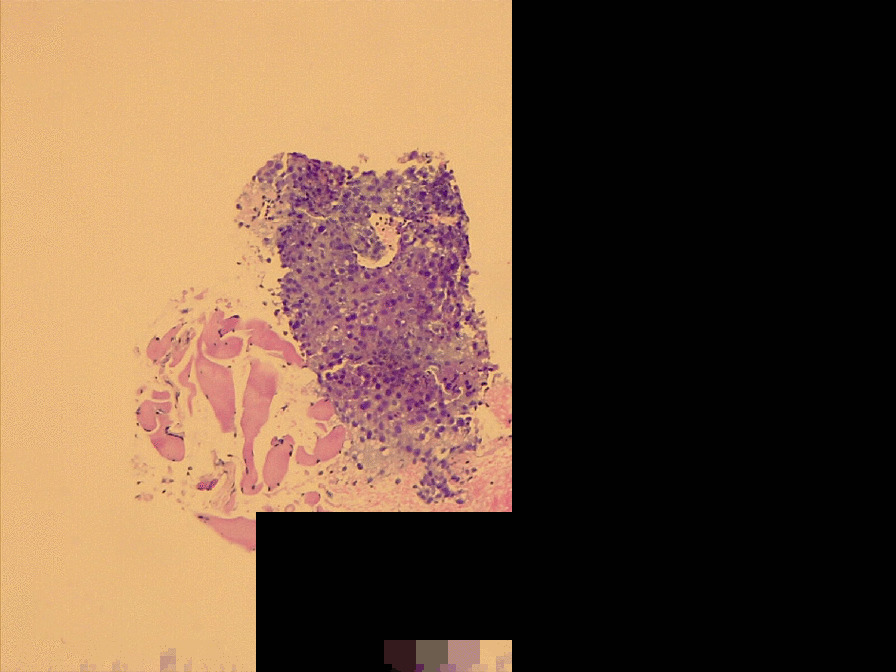
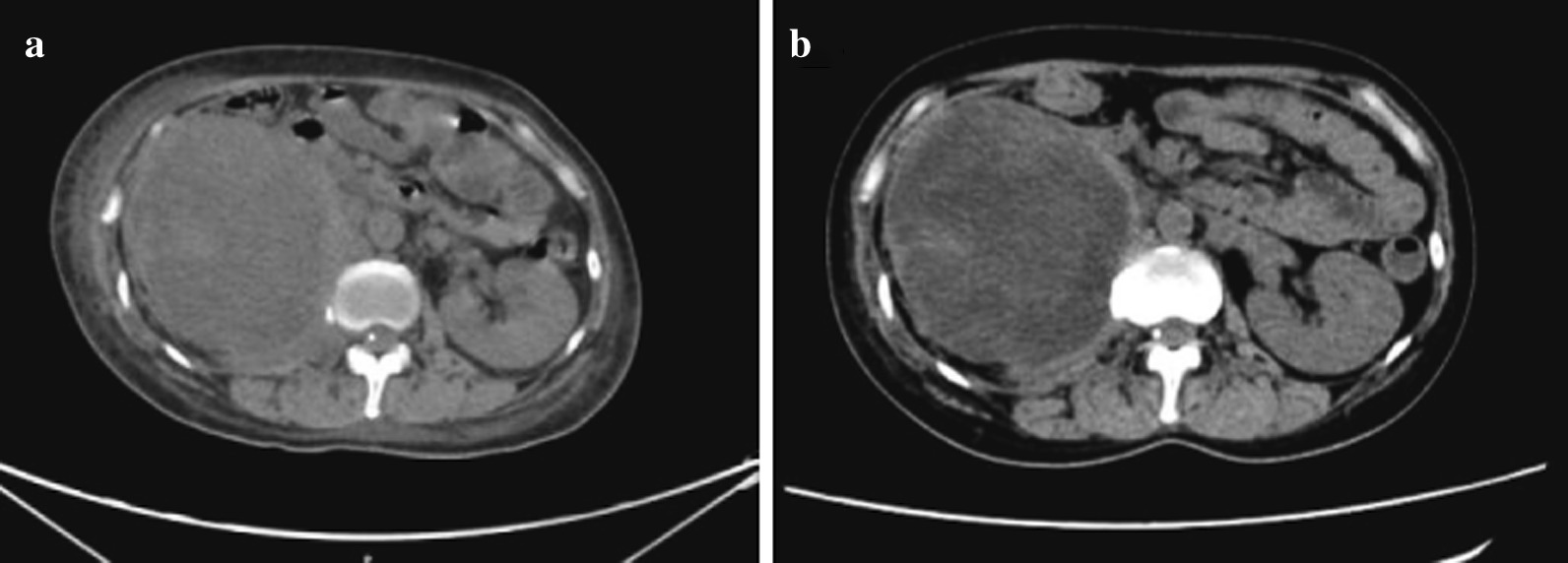
A 42-year-old woman was diagnosed with stage IV renal clear cell carcinoma. The patient had previously received sorafenib and pazopanib as first- and second-line therapies, respectively. She received radiotherapy combined with nivolumab. Eighteen days after administration of the third dose of nivolumab, the patient's general condition deteriorated; this was associated with immune-related adverse events. Computed tomography showed that the diameter of left lung metastases had sharply increased. A biopsy of the lung metastasis showed no infiltration of lymphocytes. The patient's general condition worsened and she died of the disease on the 70th day after administration of the third dose of nivolumab.
This report describes the development of HPD following the administration of radiotherapy combined with ICIs in a case of advanced renal cell carcinoma. The case indicates that radiotherapy may show bidirectional regulation effects on anti-tumour immune response. If the immunosuppressive function of radiotherapy is dominant, combined with ICIs, it could result in HPD.
研究表明,免疫检查点抑制剂(ICIs)疗效有限,甚至在短时间内会增加肿瘤负荷。这通常被称为超进展性疾病(HPD)。迄今为止,关于HPD的报道很少;分析HPD与放疗联合ICIs之间关系的报道更少,且其结论存在争议。
一名42岁女性被诊断为IV期肾透明细胞癌。该患者此前分别接受过索拉非尼和帕唑帕尼作为一线和二线治疗。她接受了放疗联合纳武单抗治疗。在给予第三剂纳武单抗18天后,患者的一般状况恶化;这与免疫相关不良事件有关。计算机断层扫描显示左肺转移灶直径急剧增大。肺转移灶活检显示无淋巴细胞浸润。患者的一般状况恶化,并在给予第三剂纳武单抗后的第70天死于该疾病。
本报告描述了1例晚期肾细胞癌患者在放疗联合ICIs治疗后发生HPD的情况。该病例表明,放疗可能对抗肿瘤免疫反应具有双向调节作用。如果放疗的免疫抑制功能占主导,联合ICIs可能导致HPD。