Department of Animal Sciences, Purdue University, West Lafayette, IN 47907-2050, USA.
Department of Animal and Avian Sciences, University of Maryland, College Park, MD, 20742, USA.
Poult Sci. 2021 May;100(5):101054. doi: 10.1016/j.psj.2021.101054. Epub 2021 Feb 16.
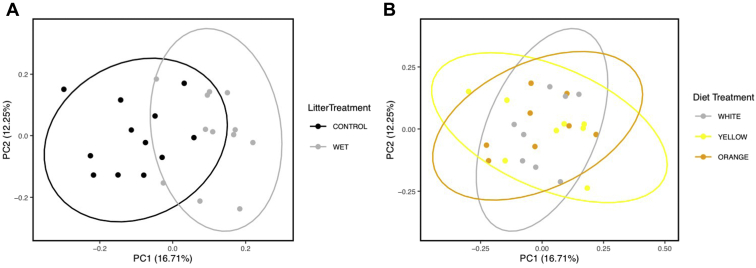
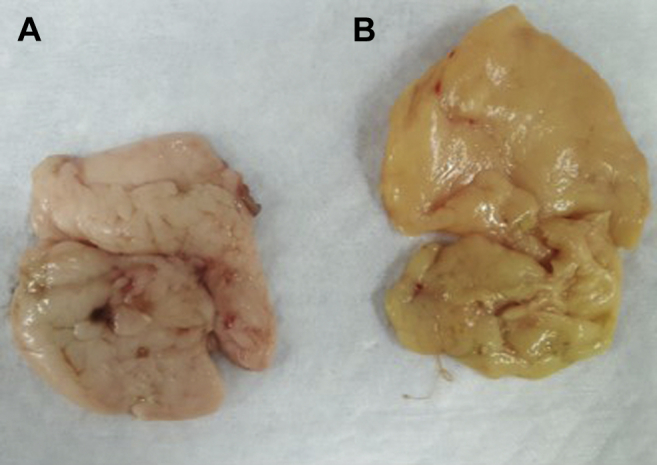
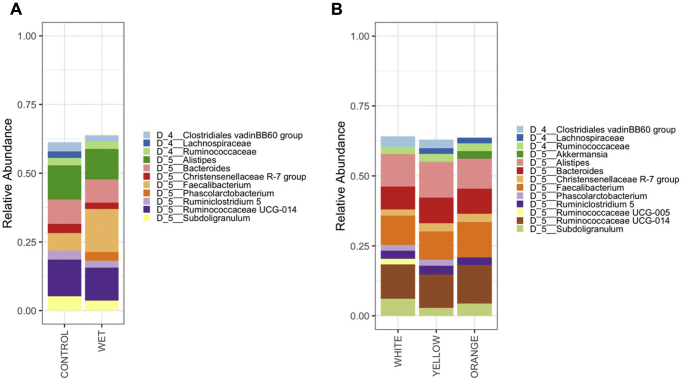
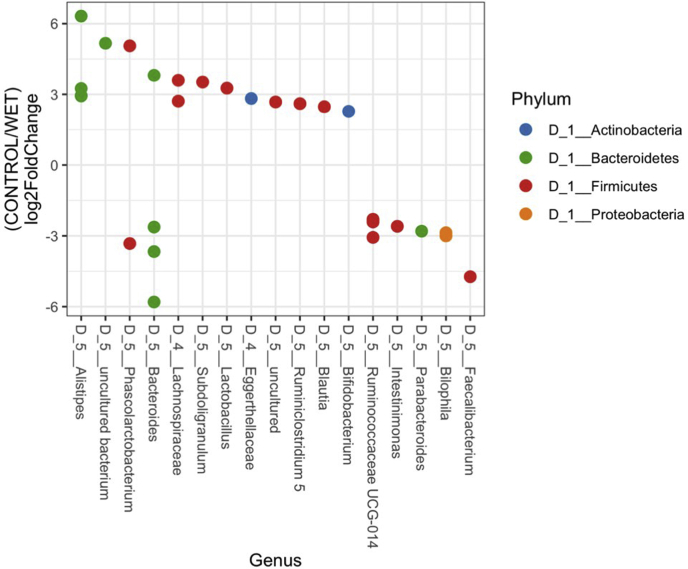
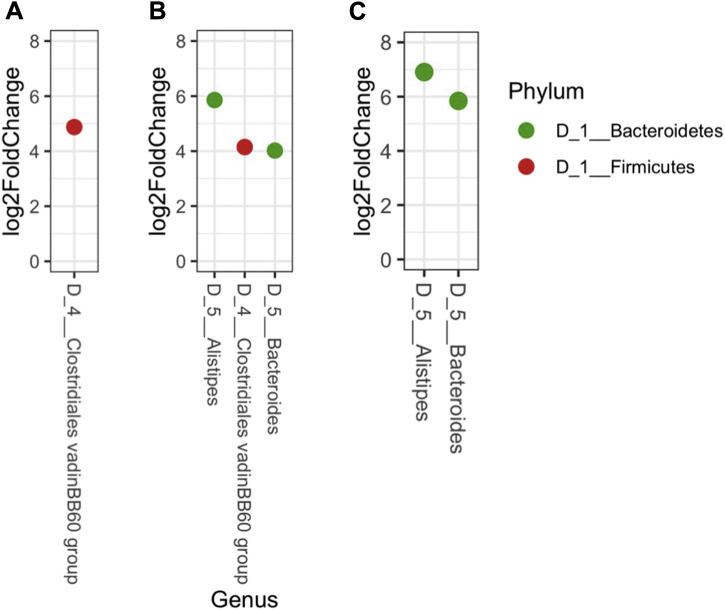
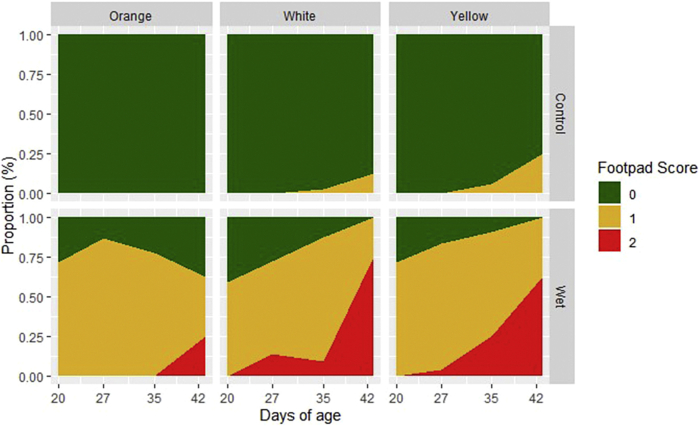
Footpad dermatitis (FPD), damage and inflammation of the plantar surface of the foot, is of concern for poultry because FPD affects the birds' welfare and production value. Footpad dermatitis is painful and causes costly chicken paw downgrades, carcass condemnations, and reduced live weights. However, a universal preventative has not been found. The hypothesis was that diets containing orange corn, when compared with diets containing yellow or white corn, would reduce the severity of footpad dermatitis in broiler chickens on wet litter. When compared with yellow and white corn, orange corn contains higher quantities of carotenoids, antioxidant pigments, believed to play a role in skin and feather health. This experiment was a randomized block, 3 × 2 factorial design: orange, yellow, and white corn diets with birds raised on wet or dry litter (control group). Female Ross 708 broilers (n = 960) were used to create 4 replicates of each diet x litter treatment combination. Footpads were scored at day 19, 27, 35, and 42, following the Global Animal Partnership standard's 0-2 scale of visual increasing severity: 0 indicates minimal damage and 1 and 2 indicate mild to severe lesions and ulceration, dark papillae, and/or bumble foot. At 42 d of age, birds on the wet litter had greater severity of FPD, scores 1 and 2, compared with the control group (88 vs. 13% respectively; P < 0.0001). At 42 d of age, prevalence of more severe footpad scores, 1 or 2, was lowest on the orange corn diet (33%), followed by white corn (56%) and yellow corn (63%). Birds fed the orange corn diet had higher BW throughout the study (P = 0.004) and had fat pads and livers with higher yellow pigment deposition (P < 0.005). Litter moisture content altered microbiome composition but corn type did not. In conclusion, the main determinant of FPD in this study was exposure to wet litter. When compared with yellow and white corn, orange corn was associated with improved bird growth and reduced severity of footpad dermatitis, especially at later time points.
脚垫皮炎(FPD)是指足部跖面的损伤和炎症,是家禽关注的问题,因为 FPD 会影响鸟类的福利和生产价值。脚垫皮炎会引起疼痛,并导致昂贵的鸡脚降级、胴体废弃和体重减轻。然而,目前还没有找到普遍的预防方法。本研究的假设是,与黄色或白色玉米相比,含有橙色玉米的日粮可减少潮湿垫料上肉鸡脚垫皮炎的严重程度。与黄色和白色玉米相比,橙色玉米含有更高量的类胡萝卜素,这些抗氧化色素被认为在皮肤和羽毛健康中发挥作用。本实验采用随机分组、3×2 析因设计:橙色、黄色和白色玉米日粮,鸡群分别饲养在潮湿或干燥垫料(对照组)上。使用雌性罗斯 708 肉鸡(n=960),创建每个日粮×垫料处理组合的 4 个重复。按照全球动物伙伴关系标准 0-2 级视觉严重程度评分(0 表示最小损伤,1 和 2 表示轻度至重度损伤和溃疡、深色乳头和/或跛行),在第 19、27、35 和 42 天对脚垫进行评分。42 日龄时,与对照组相比(分别为 88%和 13%;P<0.0001),潮湿垫料组的脚垫皮炎严重程度评分(1 和 2)更高。42 日龄时,橙色玉米日粮的严重脚垫评分(1 或 2)发生率最低(33%),其次是白色玉米(56%)和黄色玉米(63%)。饲喂橙色玉米日粮的鸡在整个研究期间体重更高(P=0.004),且脂肪垫和肝脏中黄色色素沉积更高(P<0.005)。垫料水分含量改变了微生物组的组成,但玉米类型没有。综上所述,本研究中脚垫皮炎的主要决定因素是暴露于潮湿垫料。与黄色和白色玉米相比,橙色玉米与鸡的生长性能提高和脚垫皮炎严重程度降低有关,尤其是在后期。