Chen Donglai, Wang Yifei, Zhang Xi, Ding Qifeng, Wang Xiaofan, Xue Yuhang, Wang Wei, Mao Yiming, Chen Chang, Chen Yongbing
Department of Thoracic Surgery, Shanghai Pulmonary Hospital, Tongji University, School of Medicine, Shanghai, China.
Department of Thoracic Surgery, The Second Affiliated Hospital of Soochow University, Suzhou, China.
Front Oncol. 2021 Mar 5;11:581030. doi: 10.3389/fonc.2021.581030. eCollection 2021.
Increasing evidence has elucidated the clinicopathological significance of individual TME component in predicting outcomes and immunotherapeutic efficacy in lung adenocarcinoma (LUAD). Therefore, we aimed to investigate whether comprehensive TME-based signatures could predict patient survival and therapeutic responses in LUAD, and to assess the associations among TME signatures, single nucleotide variations and clinicopathological characteristics.
In this study, we comprehensively estimated the TME infiltration patterns of 493 LUAD patients and systematically correlated the TME phenotypes with genomic characteristics and clinicopathological features of LUADs using two proposed computational algorithms. A TMEscore was then developed based on the TME signature genes, and its prognostic value was validated in different datasets. Bioinformatics analysis was used to evaluate the efficacy of the TMEscore in predicting responses to immunotherapy and chemotherapy.
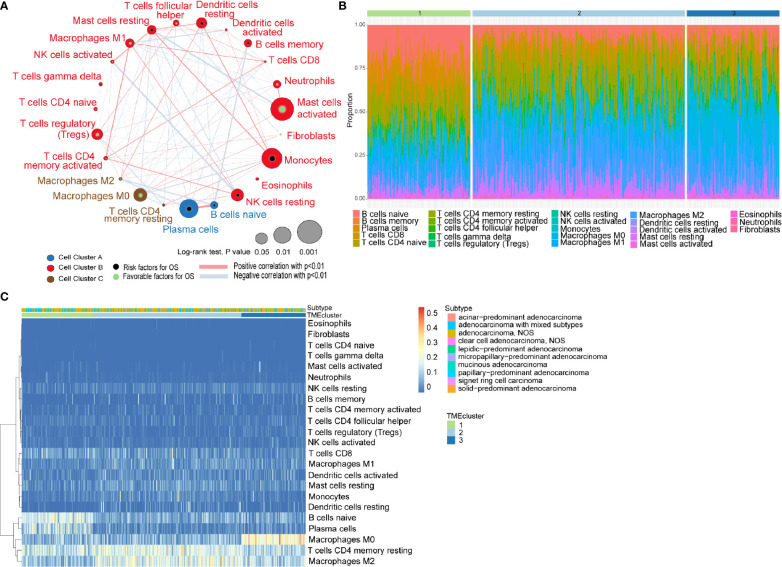
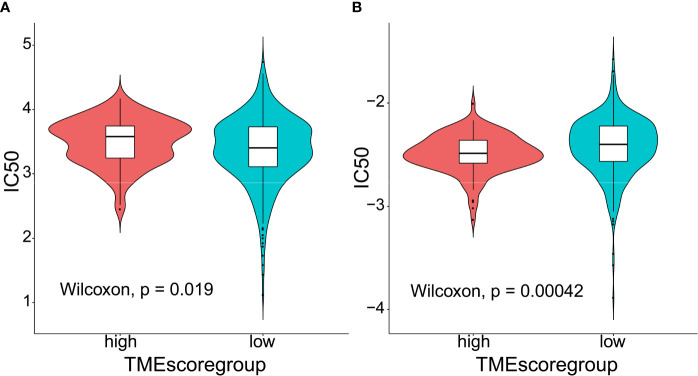
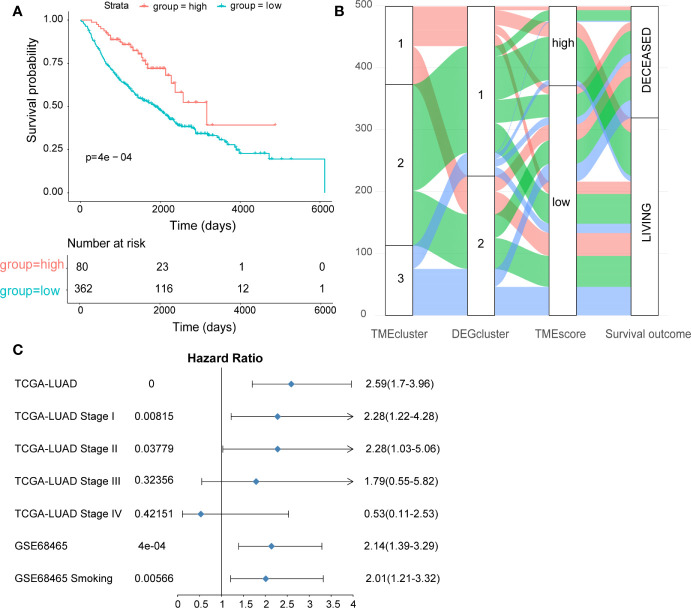
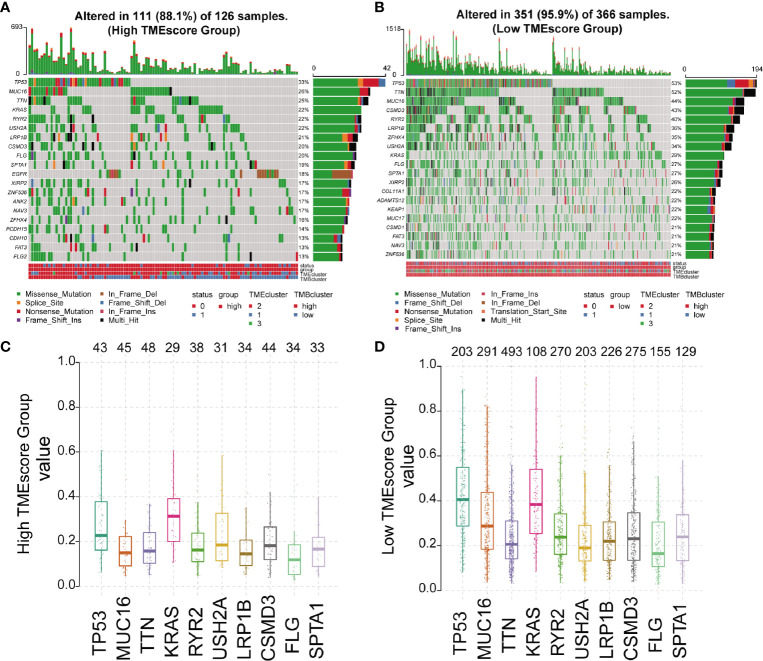
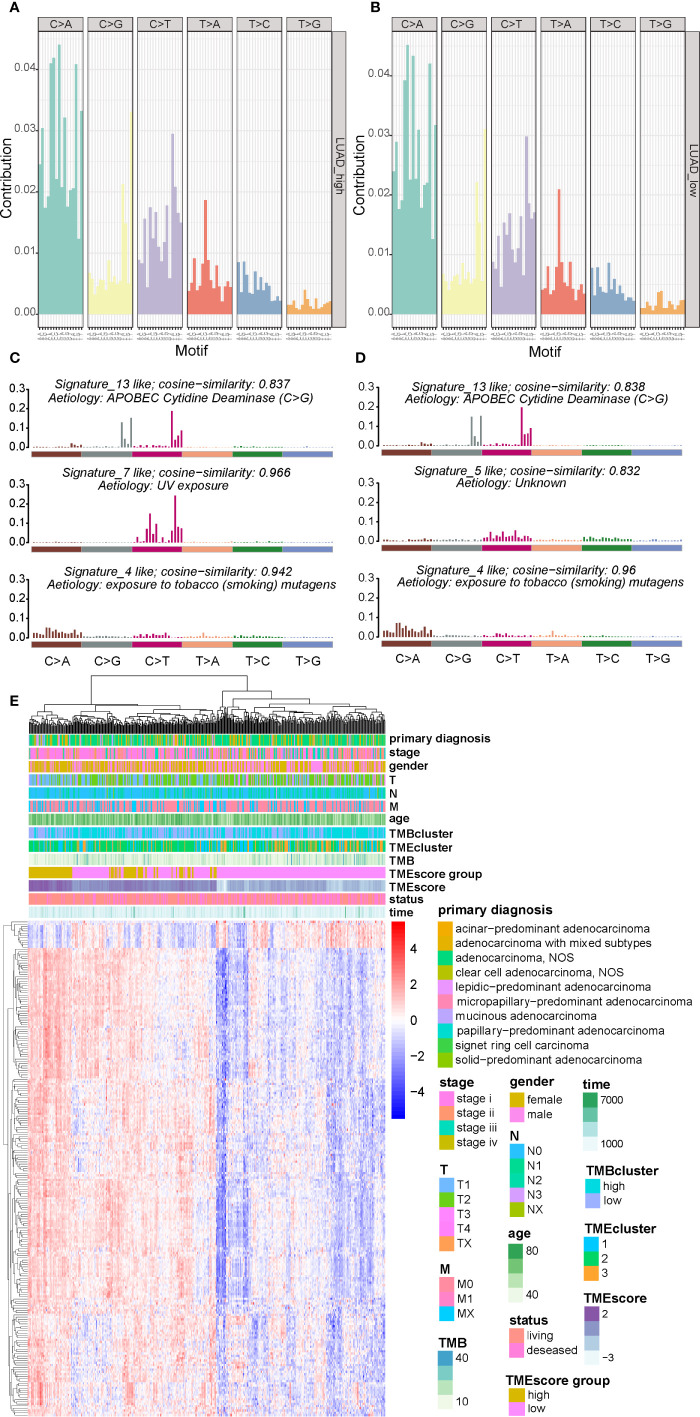
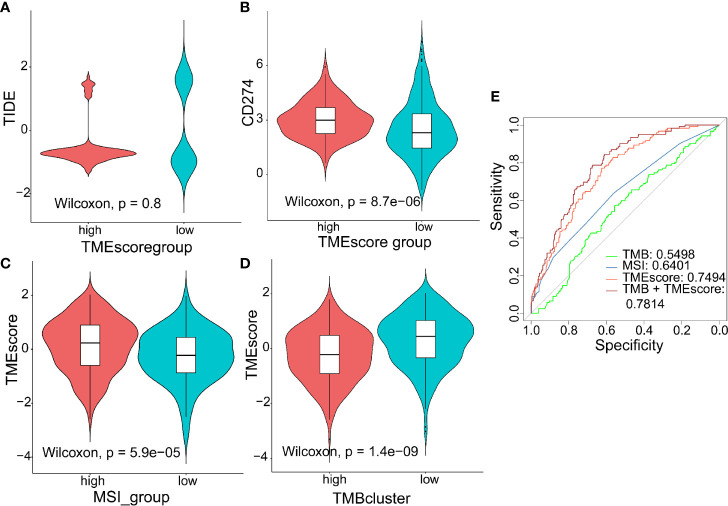
Three TME subtypes were identified with no prognostic significance exhibited. Among them, naïve B cells accounted for the majority in TMEcluster1, while M2 TAMs and M0 TAMs took the largest proportion in TMEcluster2 and TMEcluster3, respectively. A total of 3395 DEGs among the three TME clusters were determined, among which 217 TME signature genes were identified. Interestingly, these signature genes were mainly involved in T cell activation, lymphocyte proliferation and mononuclear cell proliferation. With somatic variations and tumor mutation burden (TMB) of the LUAD samples characterized, a genomic landscape of the LUADs was thereby established to visualize the relationships among the TMEscore, mutation spectra and clinicopathological profiles. In addition, the TMEscore was identified as not only a prognosticator for long-term survival in different datasets, but also a predictive biomarker for the responses to immune checkpoint blockade (ICB) and chemotherapeutic agents. Furthermore, the TMEscore exhibited greater accuracy than other conventional biomarkers including TMB and microsatellite instability in predicting immunotherapeutic response ( < 0.001).
In conclusion, our present study depicted a comprehensive landscape of the TME signatures in LUADs. Meanwhile, the TMEscore was proved to be a promising predictor of patient survival and therapeutic responses in LUADs, which might be helpful to the future administration of personalized adjuvant therapy.
越来越多的证据阐明了个体肿瘤微环境(TME)成分在预测肺腺癌(LUAD)预后和免疫治疗疗效方面的临床病理意义。因此,我们旨在研究基于TME的综合特征能否预测LUAD患者的生存和治疗反应,并评估TME特征、单核苷酸变异与临床病理特征之间的关联。
在本研究中,我们全面评估了493例LUAD患者的TME浸润模式,并使用两种提出的计算算法系统地将TME表型与LUAD的基因组特征和临床病理特征相关联。然后基于TME特征基因开发了一个TME评分,并在不同数据集中验证其预后价值。采用生物信息学分析评估TME评分在预测免疫治疗和化疗反应方面的疗效。
确定了三种TME亚型,未显示出预后意义。其中,幼稚B细胞在TMEcluster1中占多数,而M2肿瘤相关巨噬细胞(TAM)和M0 TAM分别在TMEcluster2和TMEcluster3中占最大比例。确定了三个TME簇之间共有3395个差异表达基因(DEG),其中鉴定出217个TME特征基因。有趣的是,这些特征基因主要参与T细胞活化、淋巴细胞增殖和单核细胞增殖。通过对LUAD样本的体细胞变异和肿瘤突变负荷(TMB)进行表征,从而建立了LUAD的基因组图谱,以可视化TME评分、突变谱和临床病理特征之间的关系。此外,TME评分不仅被确定为不同数据集中长期生存的预后指标,也是免疫检查点阻断(ICB)和化疗药物反应的预测生物标志物。此外,在预测免疫治疗反应方面,TME评分比包括TMB和微卫星不稳定性在内的其他传统生物标志物表现出更高的准确性(<0.001)。
总之,我们目前的研究描绘了LUAD中TME特征的全面图景。同时,TME评分被证明是LUAD患者生存和治疗反应的有前景的预测指标,这可能有助于未来个性化辅助治疗的实施。