Department of Biomedicine, Department of Surgery, University Hospital Basel, University of Basel, Basel, Switzerland.
Friedrich Miescher Institute for Biomedical Research, Basel, Switzerland.
EMBO Mol Med. 2021 Apr 9;13(4):e13162. doi: 10.15252/emmm.202013162. Epub 2021 Mar 10.
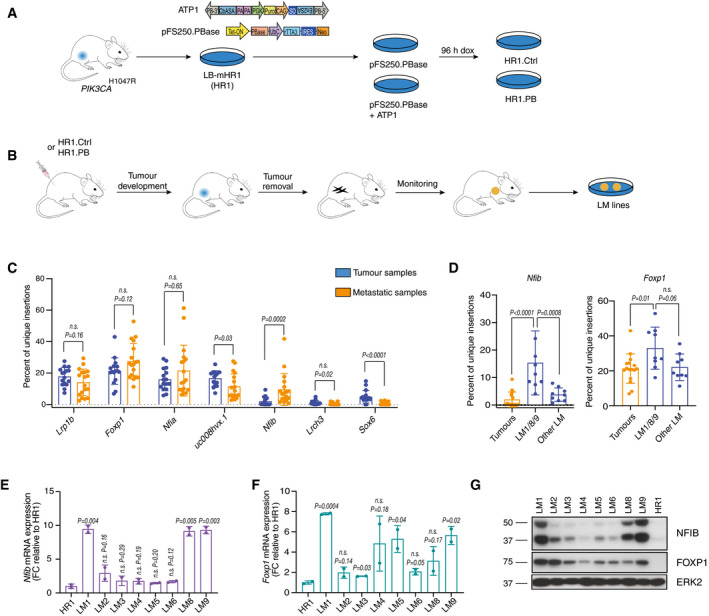
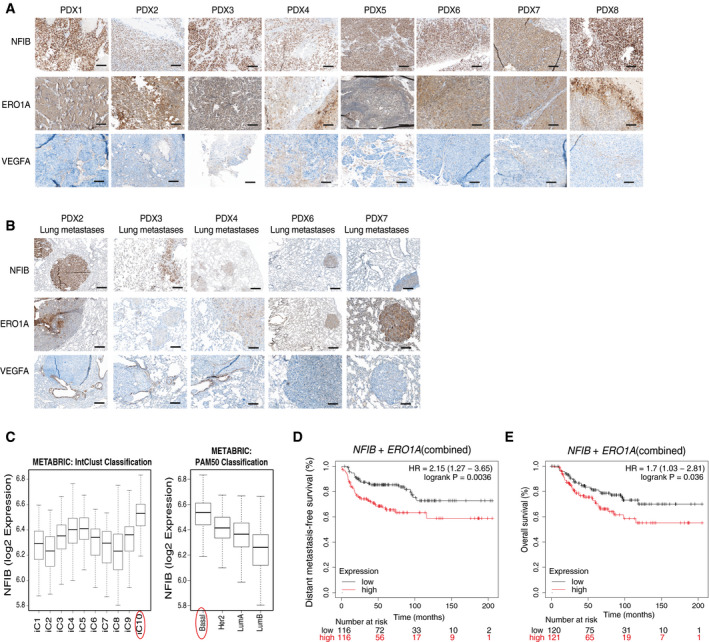
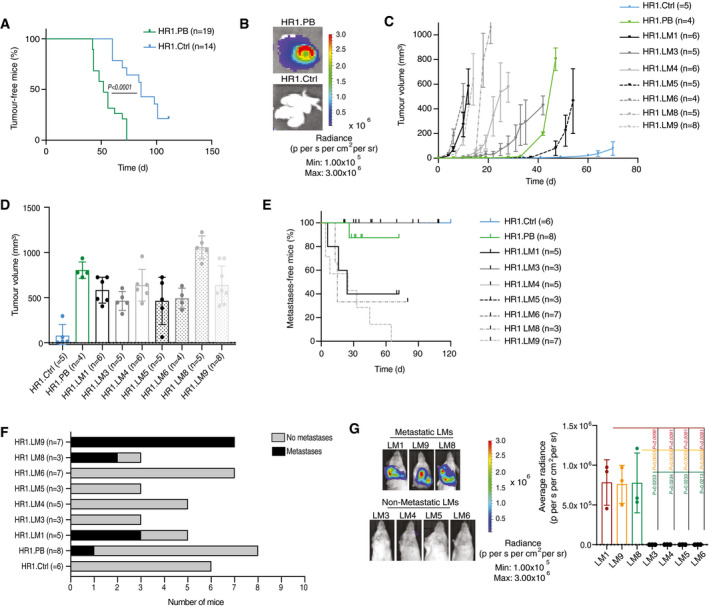
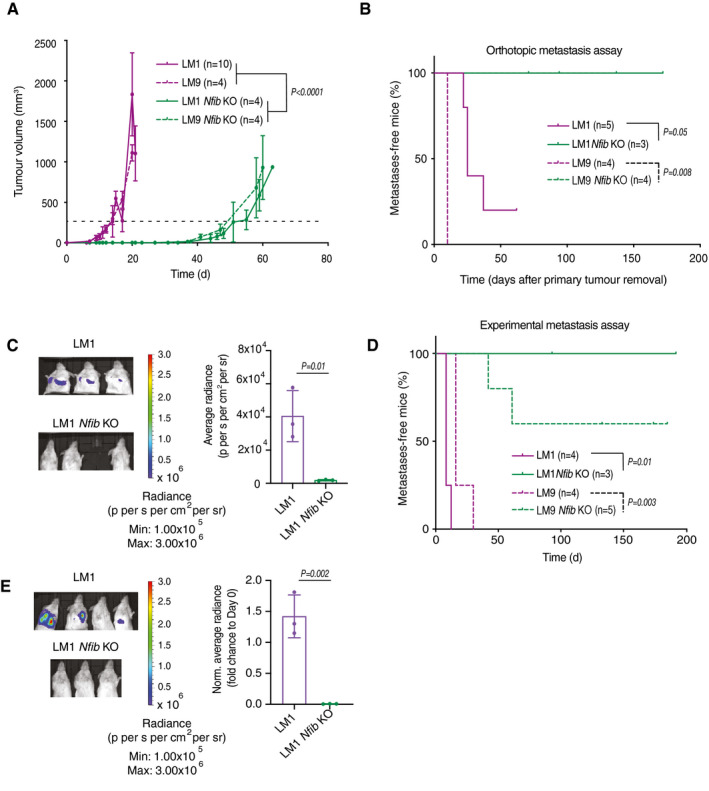
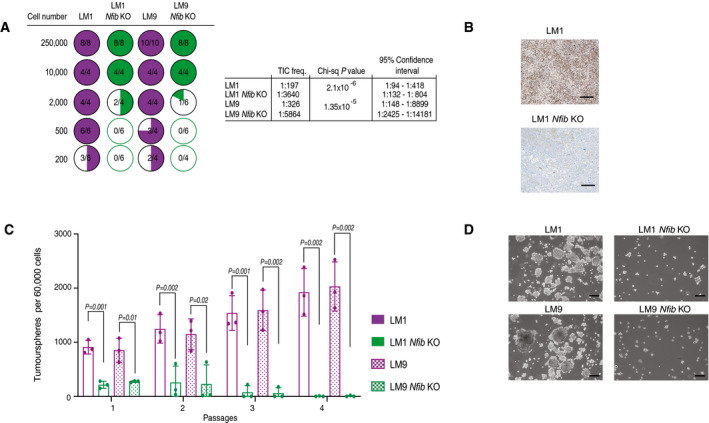
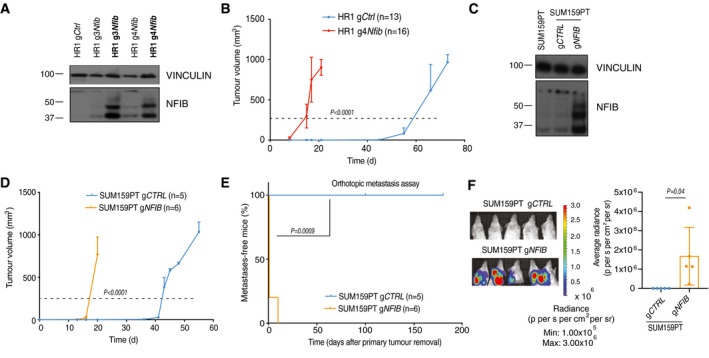
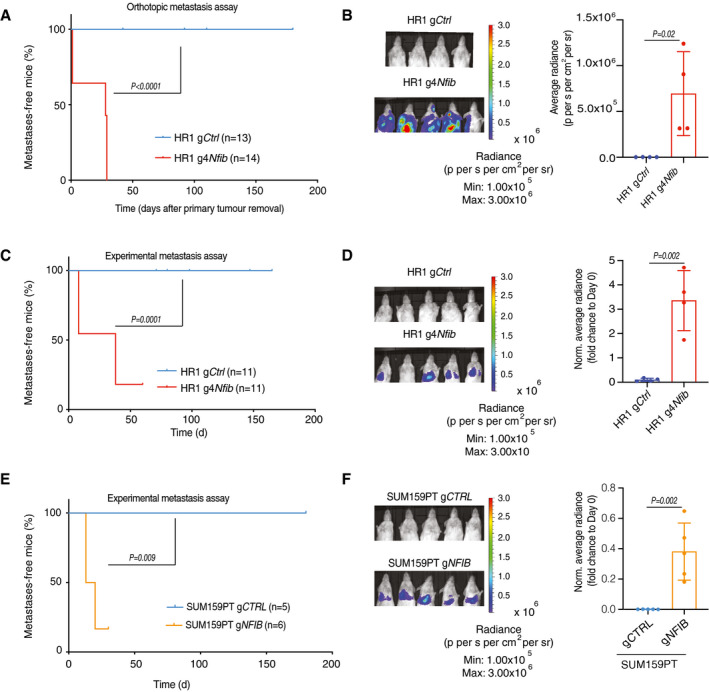
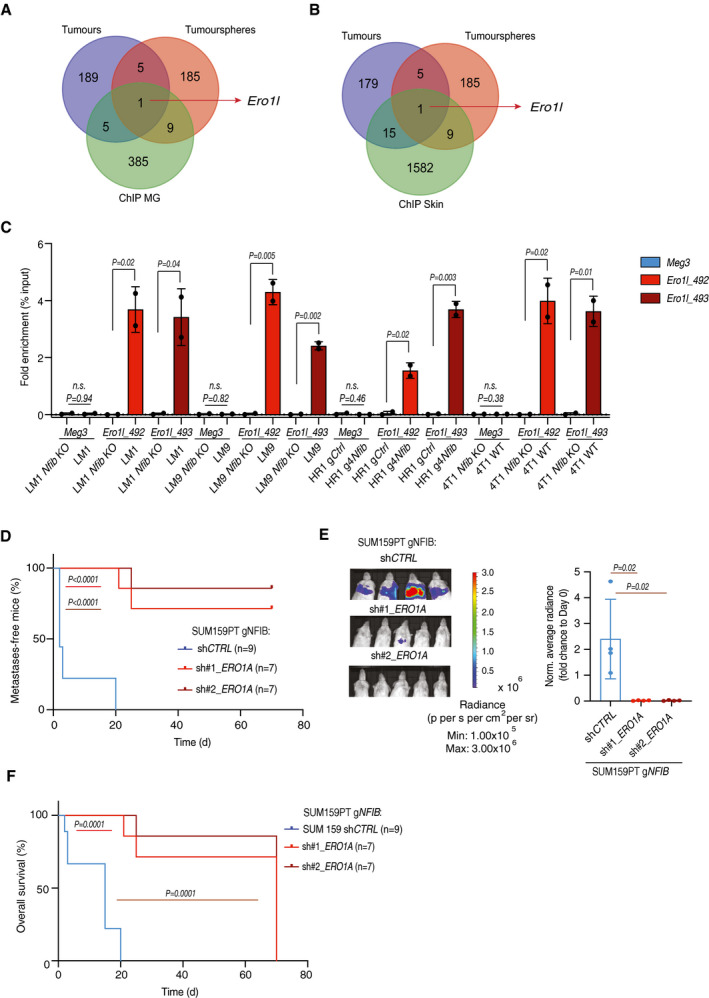
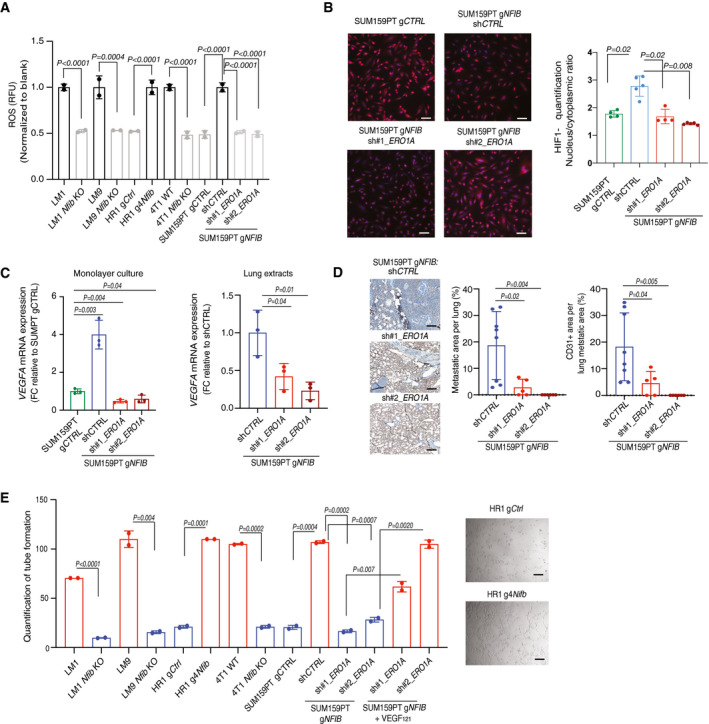
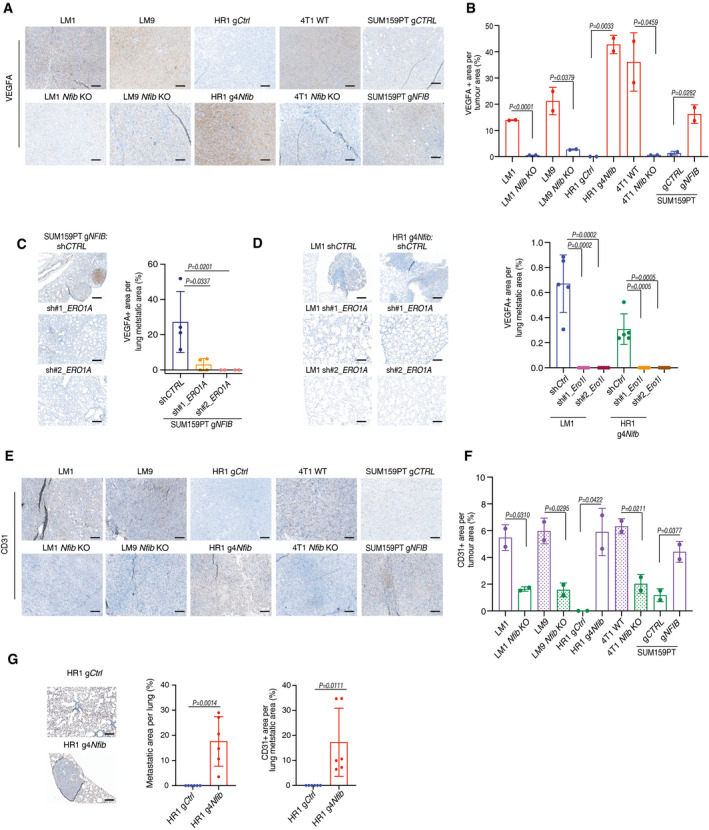
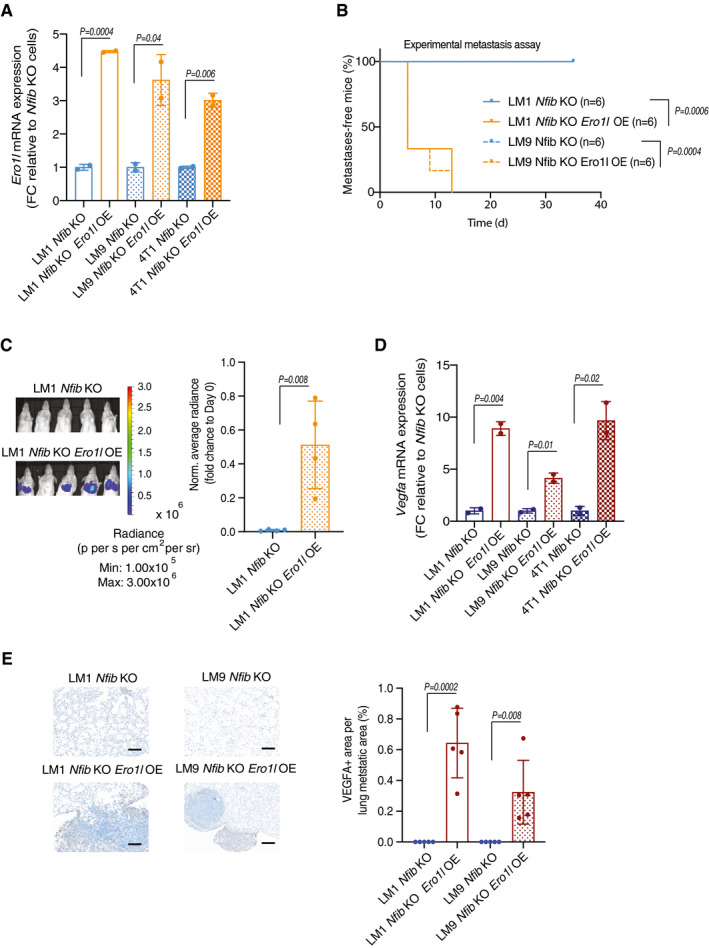
Metastasis is the main cause of deaths related to solid cancers. Active transcriptional programmes are known to regulate the metastatic cascade but the molecular determinants of metastatic colonization remain elusive. Using an inducible piggyBac (PB) transposon mutagenesis screen, we have shown that overexpression of the transcription factor nuclear factor IB (NFIB) alone is sufficient to enhance primary mammary tumour growth and lung metastatic colonization. Mechanistically and functionally, NFIB directly increases expression of the oxidoreductase ERO1A, which enhances HIF1α-VEGFA-mediated angiogenesis and colonization, the last and fatal step of the metastatic cascade. NFIB is thus clinically relevant: it is preferentially expressed in the poor-prognostic group of basal-like breast cancers, and high expression of the NFIB/ERO1A/VEGFA pathway correlates with reduced breast cancer patient survival.
转移是导致实体癌相关死亡的主要原因。已知活跃的转录程序可以调节转移级联反应,但转移定植的分子决定因素仍难以捉摸。使用可诱导的 piggyBac (PB) 转座子诱变筛选,我们已经表明,转录因子核因子 IB (NFIB) 的过表达本身足以增强原发性乳腺肿瘤的生长和肺转移定植。从机制和功能上讲,NFIB 直接增加了氧化还原酶 ERO1A 的表达,从而增强了 HIF1α-VEGFA 介导的血管生成和定植,这是转移级联反应的最后也是致命的一步。因此,NFIB 具有临床相关性:它在预后不良的基底样乳腺癌组中优先表达,而 NFIB/ERO1A/VEGFA 通路的高表达与降低乳腺癌患者生存率相关。