Department of Psychology, Middlebury College, Middlebury, Vermont, United States of America.
Department of Psychology, Bucknell University, Lewisburg, Pennsylvania, United States of America.
PLoS One. 2021 Mar 25;16(3):e0247579. doi: 10.1371/journal.pone.0247579. eCollection 2021.
While trigger warnings have garnered significant debate, few studies have investigated how students typically respond to potentially triggering material.
In this study, three hundred and fifty-five undergraduate students from four universities read a passage describing incidences of both physical and sexual assault. Longitudinal measures of subjective distress, PTSD symptoms, and emotional reactivity were taken.
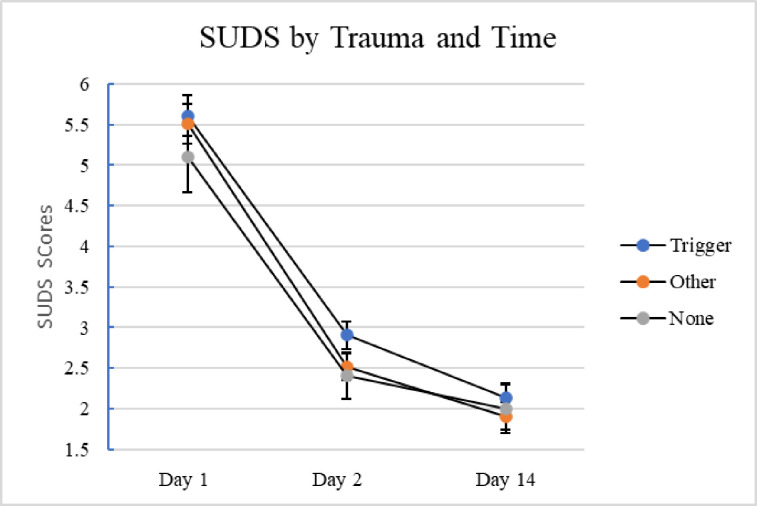
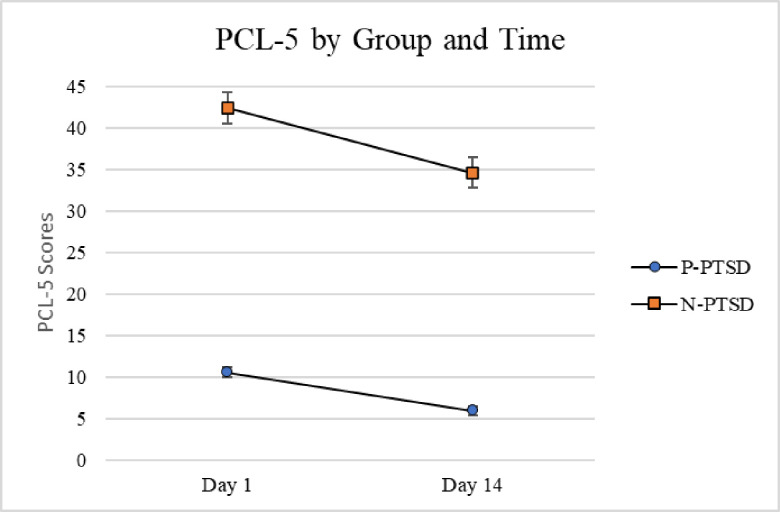
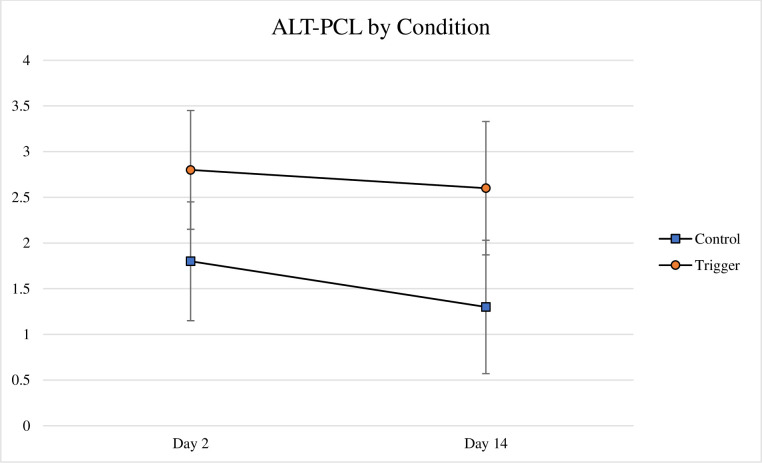
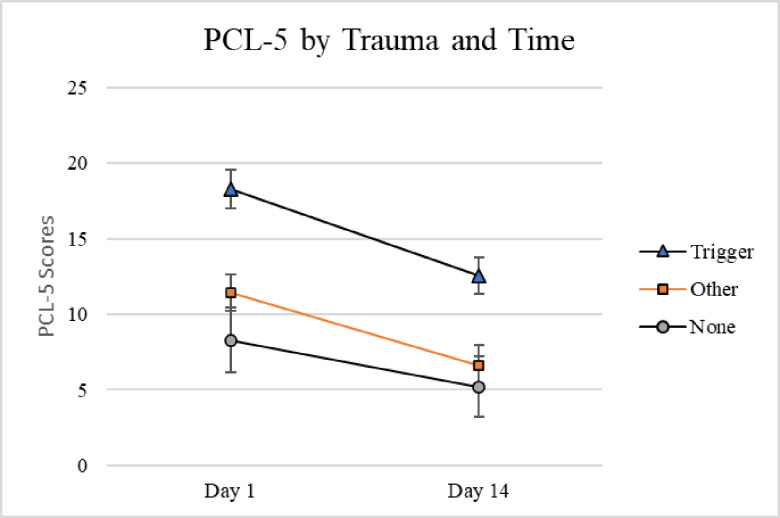
Greater than 96% of participants read the triggering passage even when given a non-triggering alternative to read. Of those who read the triggering passage, those with triggering traumas did not report more distress although those with higher PTSD scores did. Two weeks later, those with trigger traumas and/or PTSD did not report an increase in trauma symptoms as a result of reading the triggering passage.
Students with relevant traumas do not avoid triggering material and the effects appear to be brief. Students with PTSD do not report an exacerbation of symptoms two weeks later as a function of reading the passage.
尽管触发警告引起了广泛争议,但很少有研究调查学生通常如何应对潜在的触发材料。
本研究中,来自四所大学的 355 名本科生阅读了一段描述身体和性侵犯事件的文章。对主观痛苦、创伤后应激障碍症状和情绪反应进行了纵向测量。
即使提供了非触发替代阅读材料,超过 96%的参与者仍阅读了触发材料。在阅读触发材料的参与者中,有触发创伤的人报告的痛苦并没有增加,尽管 PTSD 得分较高的人报告的痛苦有所增加。两周后,有触发创伤和/或 PTSD 的人并没有因为阅读触发材料而导致创伤症状加重。
有相关创伤的学生不会回避触发材料,而且这种影响似乎是短暂的。两周后,阅读文章并没有导致 PTSD 患者的症状恶化。