Departamento de Fisiologia e Biofísica, Instituto de Ciencias Biomedicas, Universidade de Sao Paulo, Sao Paulo, Brazil.
Departamento de Anatomia, Instituto de Ciencias Biomedicas, Universidade de Sao Paulo, Sao Paulo, Brazil.
J Neuroendocrinol. 2021 Mar;33(3):e12957. doi: 10.1111/jne.12957.
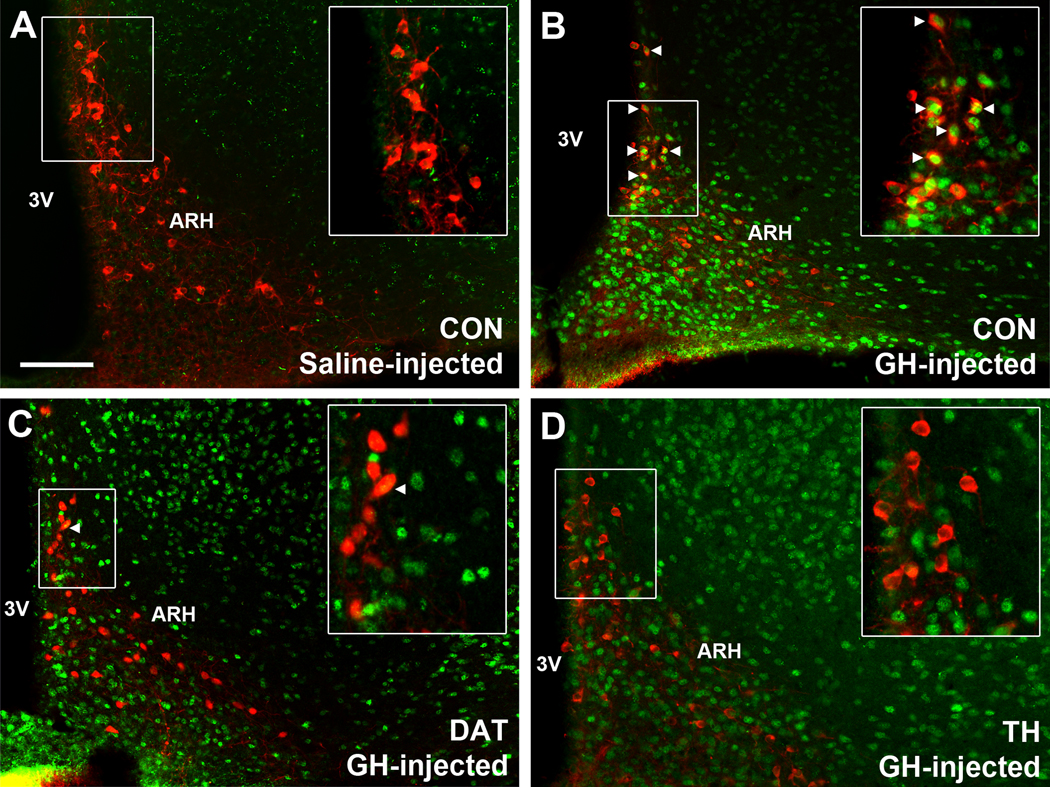
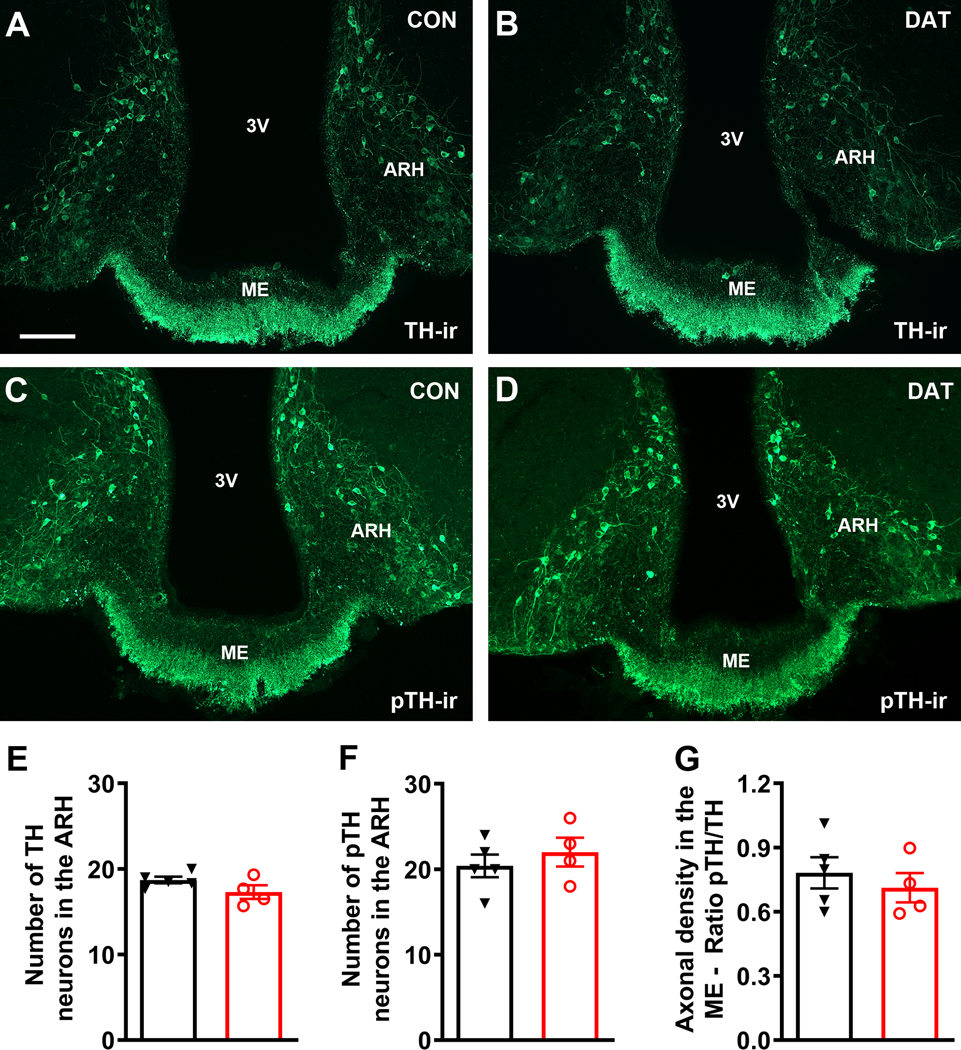
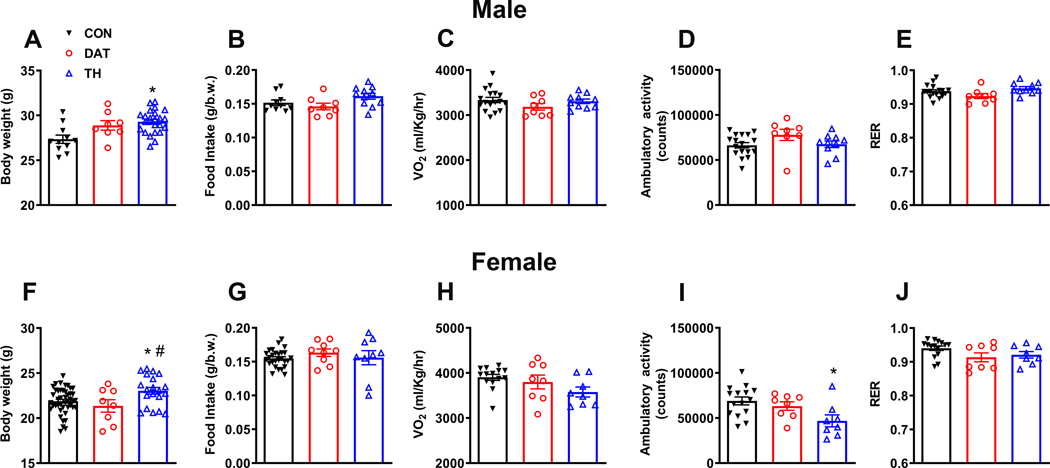
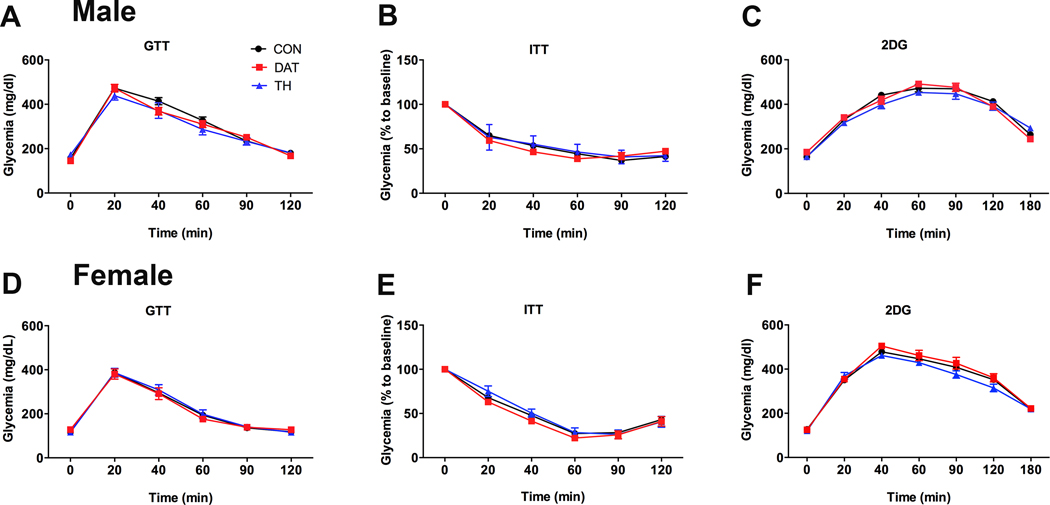
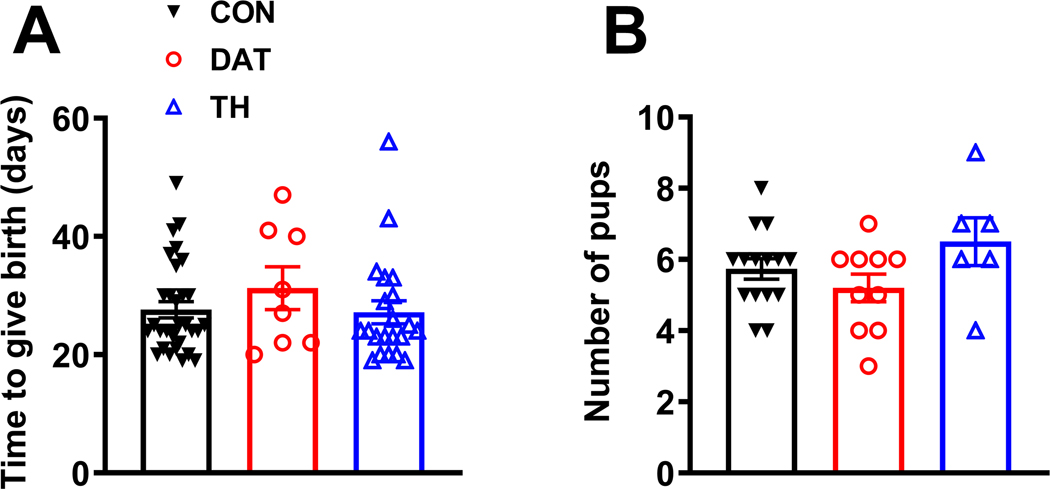
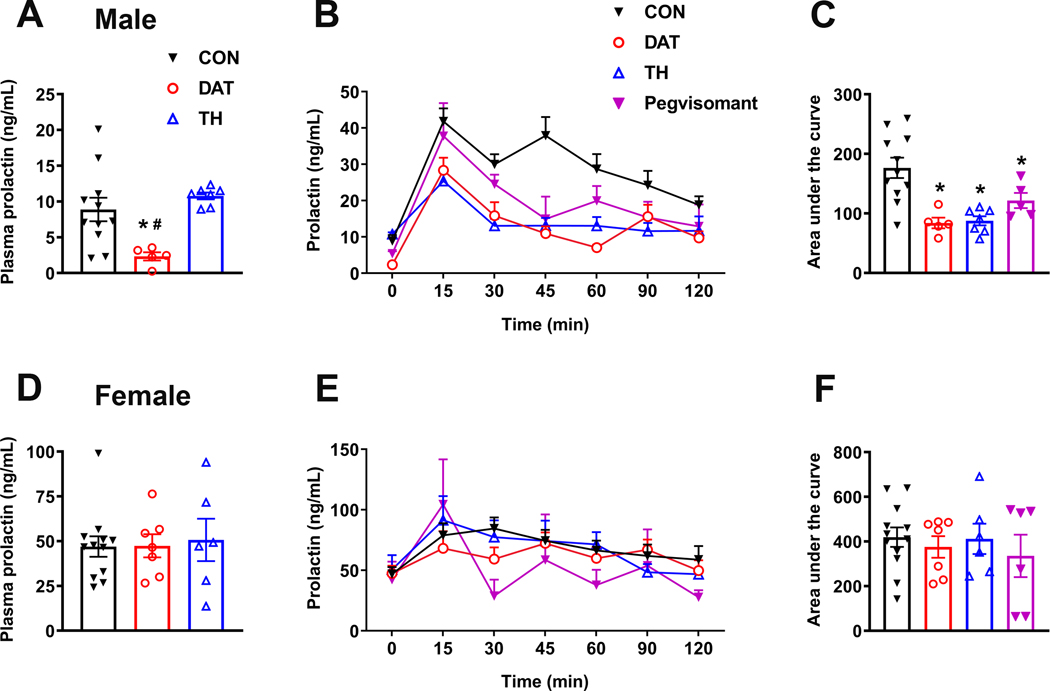
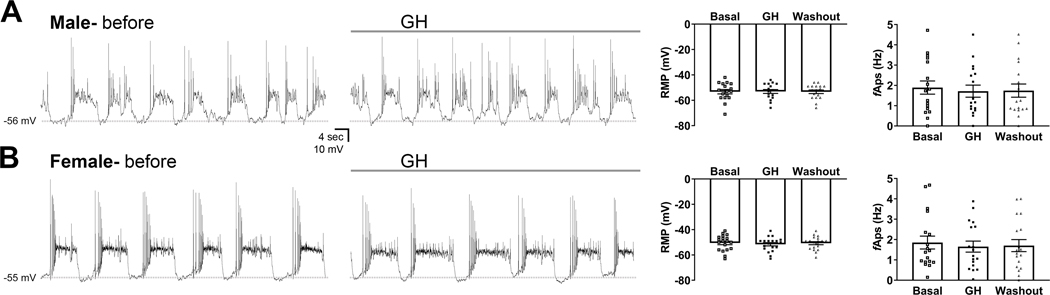
Arcuate nucleus (ARH) dopaminergic neurones regulate several biological functions, including prolactin secretion and metabolism. These cells are responsive to growth hormone (GH), although it is still unknown whether GH action on ARH dopaminergic neurones is required to regulate different physiological aspects. Mice carrying specific deletion of GH receptor (GHR) in tyrosine hydroxylase (TH)- or dopamine transporter (DAT)-expressing cells were produced. We investigated possible changes in energy balance, glucose homeostasis, fertility, pup survival and restraint stress-induced prolactin release. GHR deletion in DAT- or TH-expressing cells did not cause changes in food intake, energy expenditure, ambulatory activity, nutrient oxidation, glucose tolerance, insulin sensitivity and counter-regulatory response to hypoglycaemia in male and female mice. In addition, GHR deletion in dopaminergic cells caused no gross effects on reproduction and pup survival. However, restraint stress-induced prolactin release was significantly impaired in DAT- and TH-specific GHR knockout male mice, as well as in pegvisomant-treated wild-type males, whereas an intact response was observed in females. Patch clamp recordings were performed in ARH DAT neurones and, in contrast to prolactin, GH did not cause acute changes in the electrical activity of DAT neurones. Furthermore, TH phosphorylation at Ser in ARH neurones and median eminence axonal terminals was not altered in DAT-specific GHR knockout male mice during restraint stress. In conclusion, GH action in dopaminergic neurones is required for stress-induced prolactin release in male mice, suggesting the existence of sex differences in the capacity of GHR signalling to affect prolactin secretion. The mechanism behind this regulation still needs to be identified.
弓状核(ARH)多巴胺能神经元调节多种生物学功能,包括催乳素分泌和代谢。这些细胞对生长激素(GH)有反应,尽管尚不清楚 GH 对 ARH 多巴胺能神经元的作用是否是调节不同生理方面所必需的。制作了在酪氨酸羟化酶(TH)或多巴胺转运蛋白(DAT)表达细胞中特异性缺失 GH 受体(GHR)的小鼠。我们研究了能量平衡、葡萄糖稳态、生育力、幼仔存活率和束缚应激诱导的催乳素释放的可能变化。DAT 或 TH 表达细胞中 GHR 的缺失不会引起雌雄小鼠的食物摄入、能量消耗、活动、营养氧化、葡萄糖耐量、胰岛素敏感性和低血糖时的代偿性反应发生变化。此外,多巴胺能细胞中 GHR 的缺失对生殖和幼仔存活率没有明显影响。然而,束缚应激诱导的催乳素释放在 DAT 和 TH 特异性 GHR 敲除雄性小鼠以及 pegvisomant 治疗的野生型雄性小鼠中显著受损,而在雌性小鼠中观察到完整的反应。在 ARH DAT 神经元中进行了膜片钳记录,与催乳素相反,GH 不会引起 DAT 神经元电活动的急性变化。此外,在束缚应激期间,DAT 特异性 GHR 敲除雄性小鼠的 ARH 神经元和正中隆起轴突末端中的 TH 在 Ser 上的磷酸化没有改变。总之,GH 在多巴胺能神经元中的作用是雄性小鼠应激诱导的催乳素释放所必需的,这表明 GHR 信号对催乳素分泌的影响存在性别差异。这种调节背后的机制仍需确定。