Chair of Biochemistry and Molecular Medicine, Faculty of Health/School of Medicine, Witten/Herdecke University, Witten, Germany.
Department of Internal Medicine, Neu-Ulm Hospital, Neu-Ulm, Germany.
Physiol Rep. 2021 Mar;9(6):e14795. doi: 10.14814/phy2.14795.
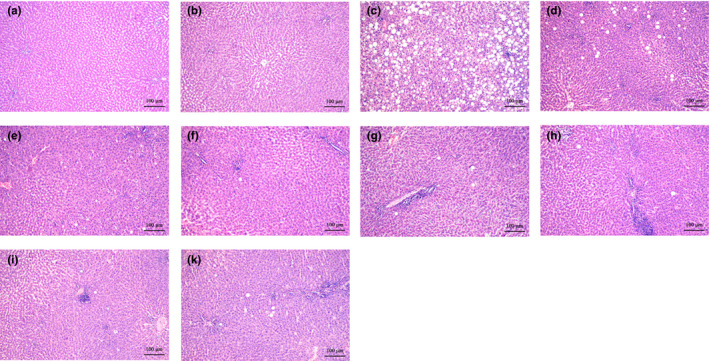
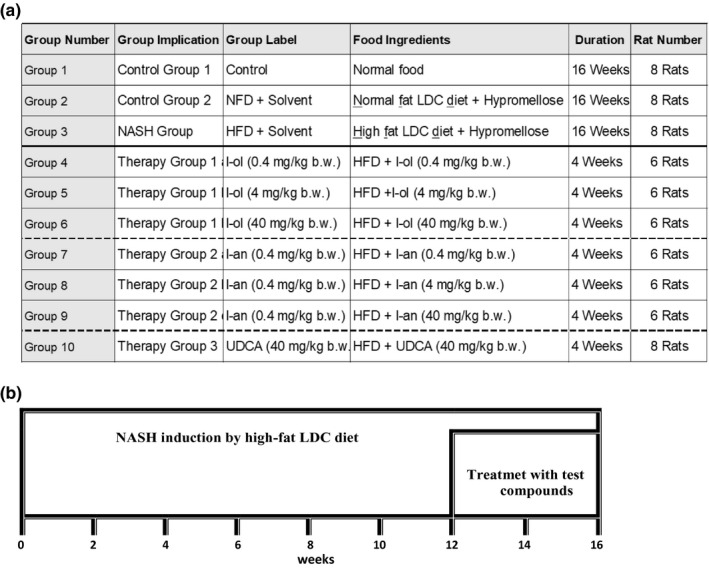
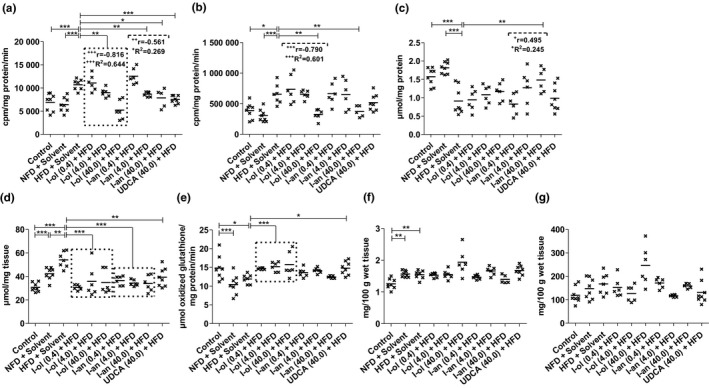
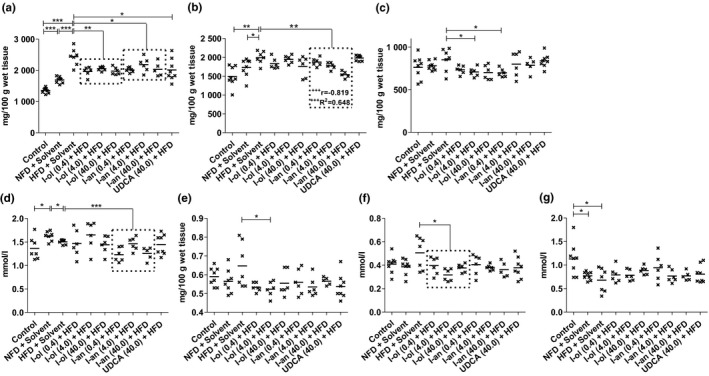
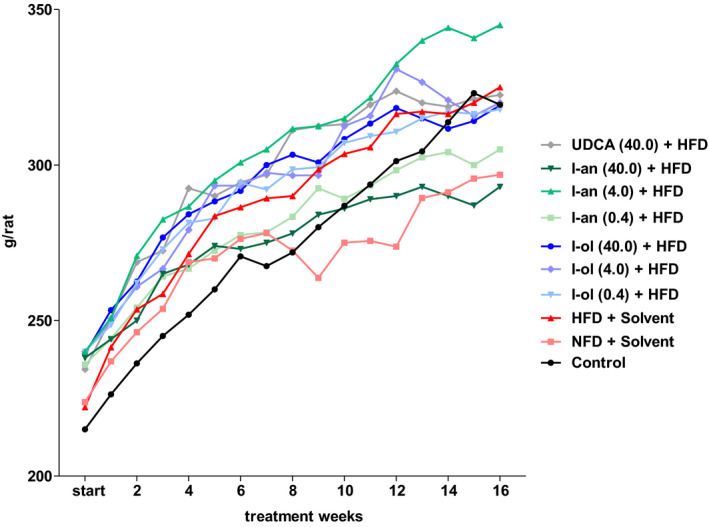
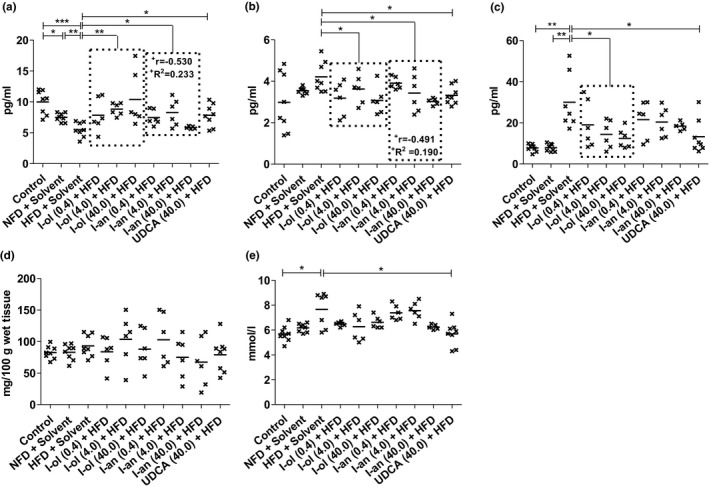
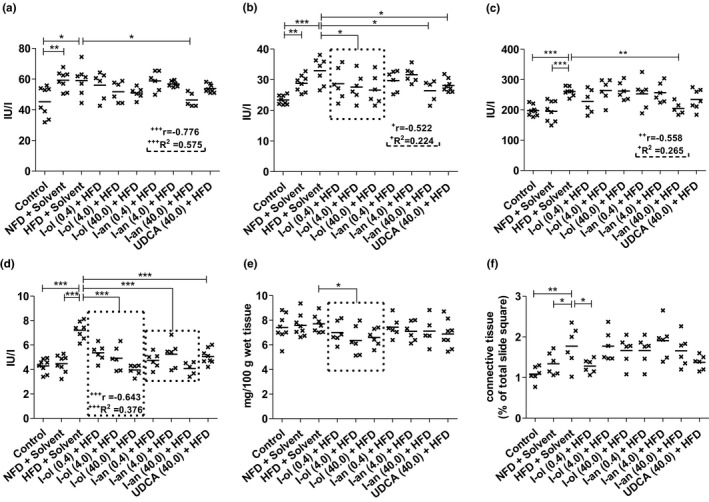
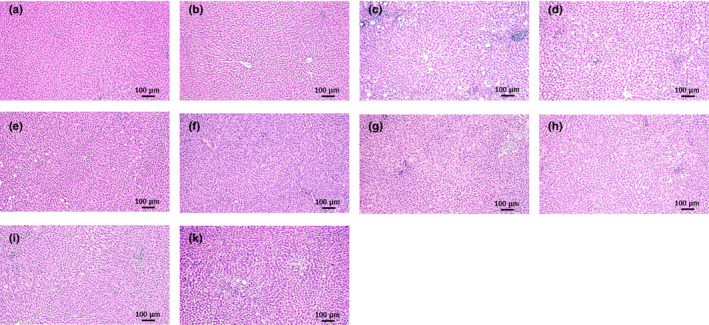
Cytochrome P450 2E1 (CYP2E1)-associated reactive oxygen species production plays an important role in the development and progression of inflammatory liver diseases such as alcoholic steatohepatitis. We developed two new inhibitors for this isoenzyme, namely 12-imidazolyl-1-dodecanol (I-ol) and 1-imidazolyldodecane (I-an), and aimed to test their effects on non-alcoholic steatohepatitis (NASH). The fat-rich and CYP2E1 inducing Lieber-DeCarli diet was administered over 16 weeks of the experimental period to induce the disease in a rat model, and the experimental substances were administered simultaneously over the last four weeks. The high-fat diet (HFD) pathologically altered the balance of reactive oxygen species and raised the activities of the liver enzymes alanine aminotransferase (ALT), aspartate aminotransferase (AST), alkaline phosphatase (AP) and γ-glutamyl-transferase (γ-GT); lowered the level of adiponectine and raised the one of tumor necrosis factor (TNF)-α; increased the hepatic triglyceride and phospholipid content and diminished the serum HDL cholesterol concentration. Together with the histological findings, we concluded that the diet led to the development of NASH. I-ol and, to a lesser extent, I-an shifted the pathological values toward the normal range, despite the continued administration of the noxious agent (HFD). The hepatoprotective drug ursodeoxycholic acid (UDCA), which is used off-label in clinical practice, showed a lower effectiveness overall. I-ol, in particular, showed extremely good tolerability during the acute toxicity study in rats. Therefore, cytochrome P450 2E1 may be considered a suitable drug target, with I-ol and I-an being promising drug candidates for the treatment of NASH.
细胞色素 P450 2E1(CYP2E1)相关的活性氧物质的产生在酒精性脂肪性肝炎等炎症性肝病的发展和进展中起着重要作用。我们开发了两种这种同工酶的新抑制剂,即 12-咪唑基-1-十二醇(I-ol)和 1-咪唑基十二烷(I-an),并旨在测试它们对非酒精性脂肪性肝炎(NASH)的影响。高脂肪和 CYP2E1 诱导的 Lieber-DeCarli 饮食在实验期间的 16 周内给予,以在大鼠模型中诱导疾病,同时在最后四周给予实验物质。高脂肪饮食(HFD)病理性地改变了活性氧物质的平衡,并提高了肝脏酶丙氨酸氨基转移酶(ALT)、天冬氨酸氨基转移酶(AST)、碱性磷酸酶(AP)和γ-谷氨酰转移酶(γ-GT)的活性;降低了脂联素的水平,提高了肿瘤坏死因子(TNF)-α的水平;增加了肝甘油三酯和磷脂含量,降低了血清高密度脂蛋白胆固醇浓度。结合组织学发现,我们得出结论,饮食导致 NASH 的发展。I-ol 和在较小程度上,I-an 将病理性值向正常范围转移,尽管继续给予有害剂(HFD)。熊去氧胆酸(UDCA)是一种在临床实践中被非适应证使用的肝保护药物,总体上显示出较低的有效性。I-ol 特别是在大鼠急性毒性研究中表现出极好的耐受性。因此,细胞色素 P450 2E1 可能被认为是一个合适的药物靶点,I-ol 和 I-an 是治疗 NASH 的有前途的药物候选物。