Department of MRI, Key Laboratory for Functional Magnetic Resonance Imaging and Molecular Imaging of Henan Province, The First Affiliated Hospital of Zhengzhou University, Zhengzhou, China.
Department of Radiology, Tianjin Key Laboratory of Functional Imaging, Tianjin Medical University General Hospital, Tianjin, China.
J Neurochem. 2021 Oct;159(1):172-184. doi: 10.1111/jnc.15359. Epub 2021 Aug 17.
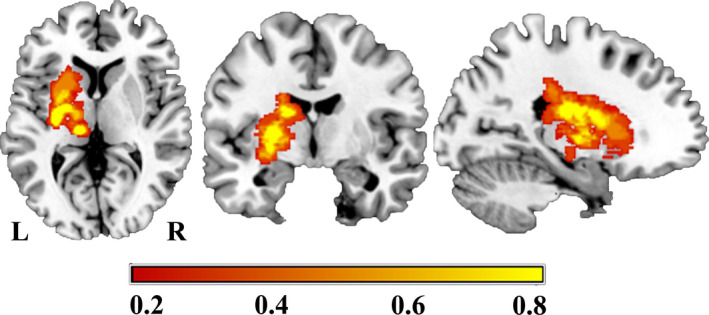
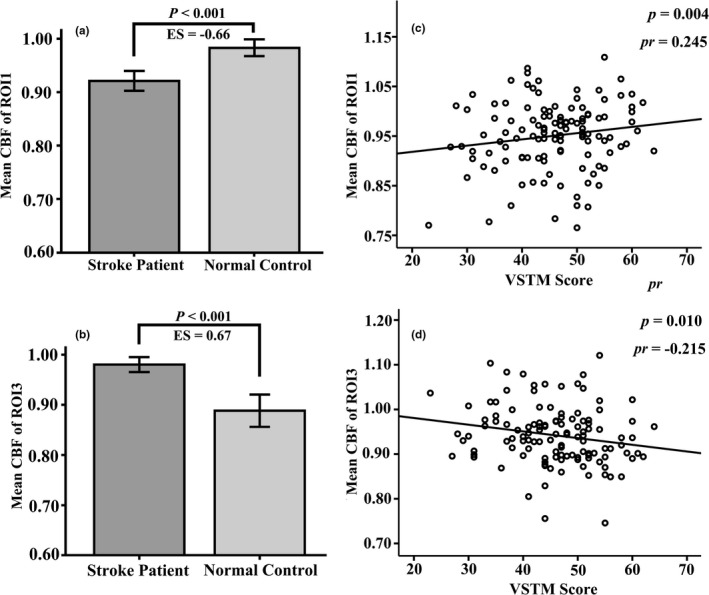
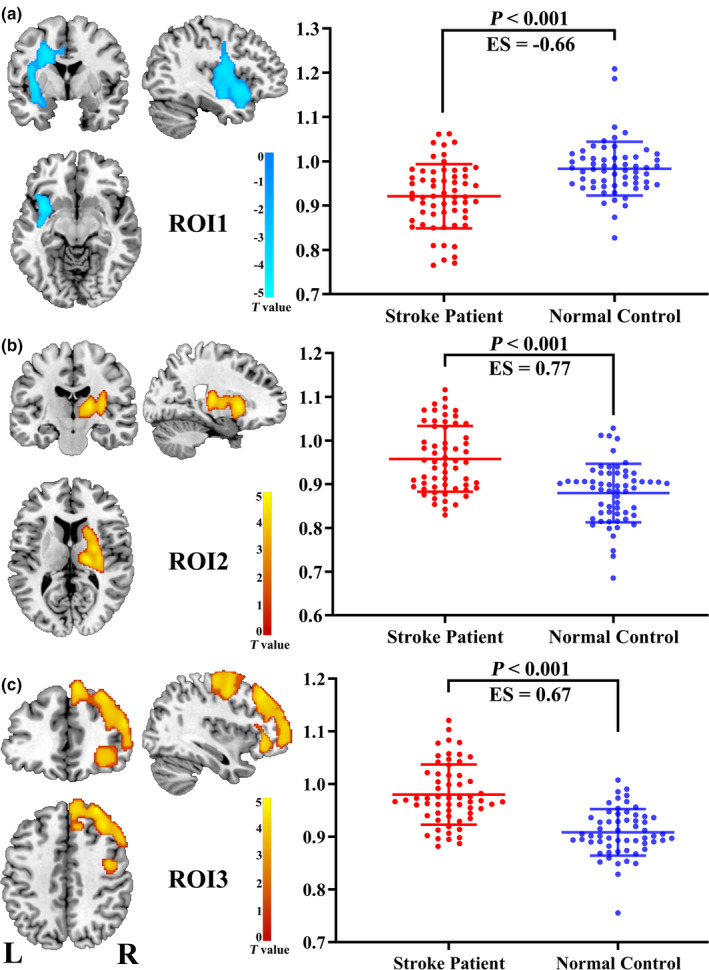
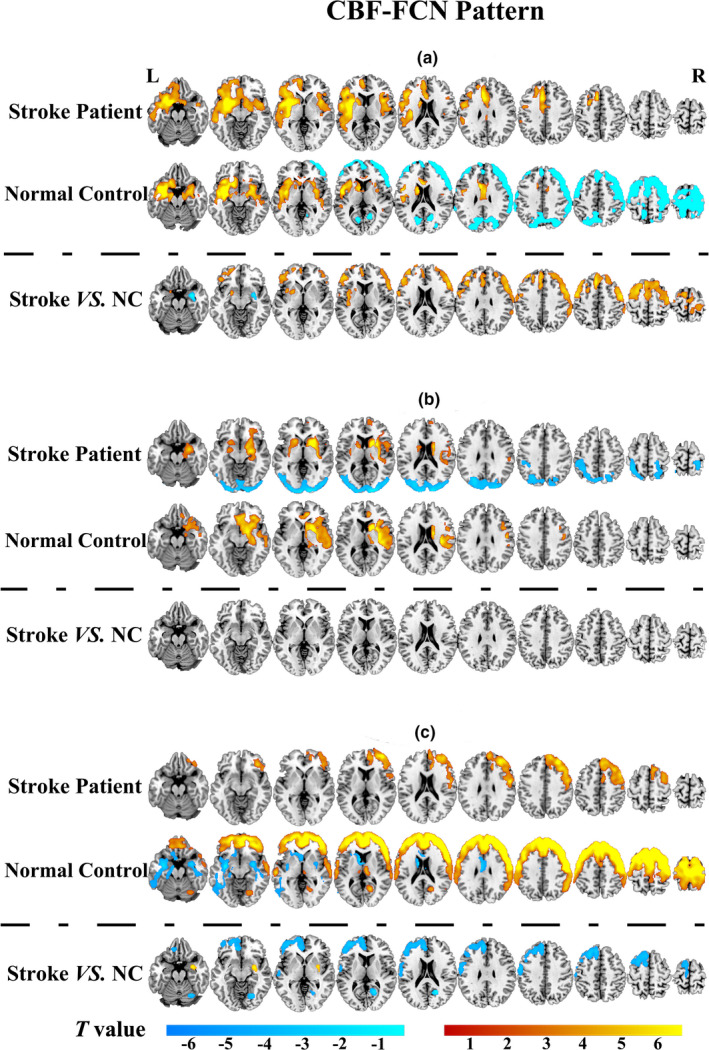
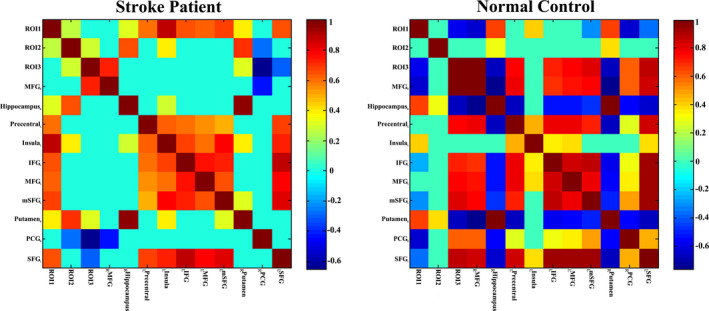
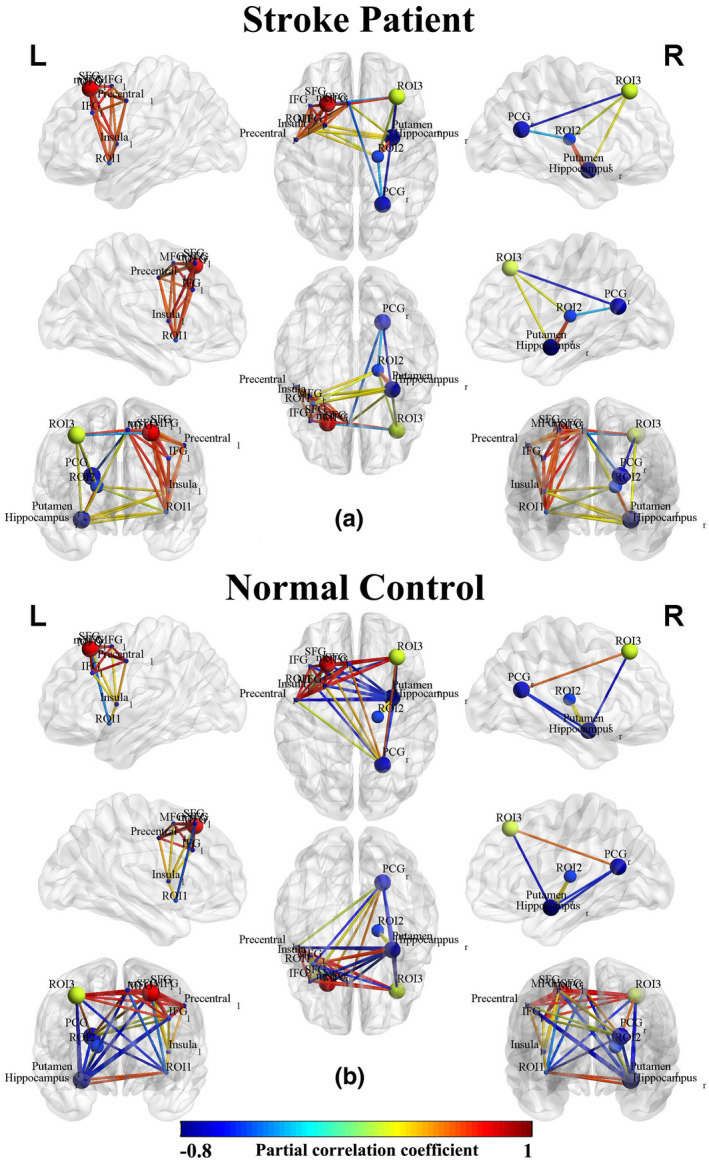
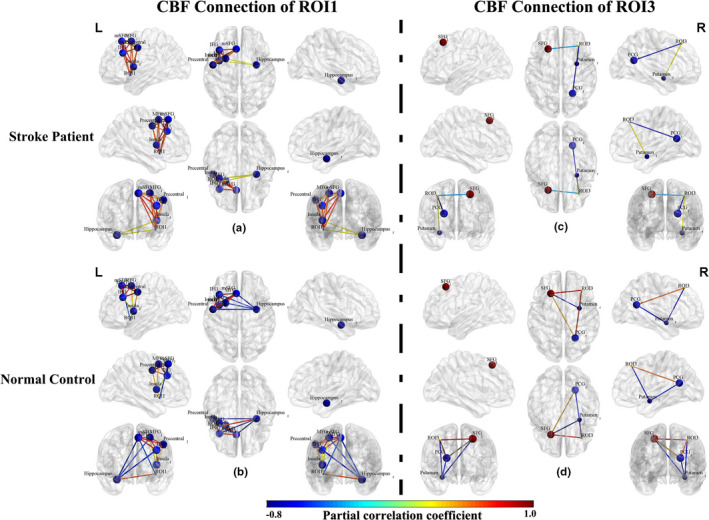
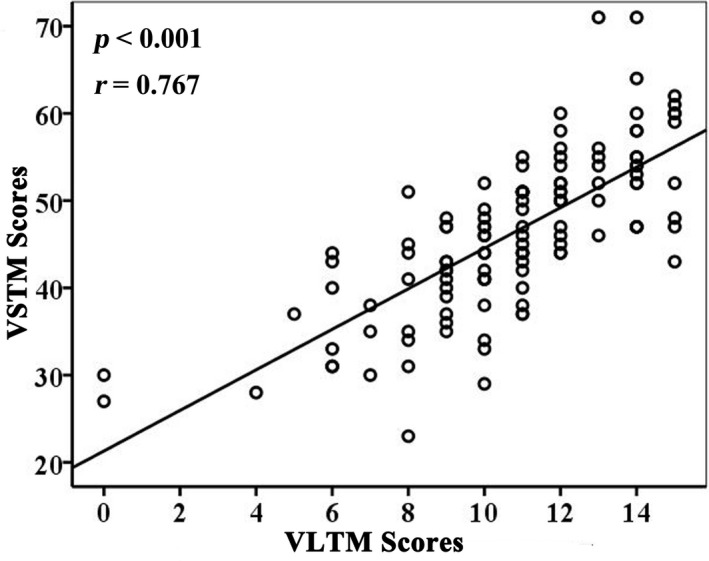
Stroke is a major cause of vascular cognitive dysfunction, such as memory impairment. We aimed to explore the neural substrates underlying verbal memory impairment in subcortical stroke patients by the methods of voxel-wise cerebral blood flow (CBF) and the functional covariance network (FCN). Sixty patients with chronic subcortical stroke and 60 normal controls (NCs) were recruited into this study. We used a three-dimensional pseudo-continuous arterial spin-labeling imaging to measure alterations in CBF and FCNs. We mapped the overall CBF alterations in a voxel-wise manner and compared CBF measurements using a two-sample t test. Correlations between CBF and verbal memory were also investigated. Subsequently, we constructed FCNs by calculating the correlation between specific regions and all other voxels of a whole brain, separately within the two groups. Thereafter, by comparing differences of the FCN patterns between the patient and NC groups, we investigated the connection alterations within the FCN maps. The stroke patients showed verbal short-term memory (VSTM) deficits compared to NCs. The patients exhibited decreased CBF in the ipsilesional insula and ventral sensorimotor network, and increased CBF in contralesional frontal cortical and subcortical regions (putamen and thalamus). Meanwhile, the CBF in the ipsilesional insula was positively correlated, and the contralesional frontal cortical was negativity correlated, with VSTM scores. Moreover we found that stroke patients exhibited disordered connection within FCNs compared to NCs. The study suggests that the underlying imaging biomarker of VSTM impairment in patients with subcortical stroke was associated with disconnection of the frontal lobe network.
中风是血管性认知功能障碍(如记忆障碍)的主要原因。我们旨在通过体素血流(CBF)和功能协变网络(FCN)的方法,探索皮质下中风患者言语记忆障碍的神经基础。本研究纳入了 60 例慢性皮质下中风患者和 60 例正常对照组(NCs)。我们使用三维伪连续动脉自旋标记成像来测量 CBF 和 FCN 的变化。我们以体素为单位绘制了总体 CBF 变化,并通过两样本 t 检验比较了 CBF 测量值。还研究了 CBF 与言语记忆之间的相关性。随后,我们通过计算特定区域与整个大脑中所有其他体素之间的相关性,分别在两组内构建 FCN。然后,通过比较患者组和 NC 组之间 FCN 模式的差异,我们研究了 FCN 图内的连接变化。与 NCs 相比,中风患者表现出言语短期记忆(VSTM)缺陷。患者表现为同侧岛叶和腹侧感觉运动网络的 CBF 降低,对侧额皮质和皮质下区域(壳核和丘脑)的 CBF 增加。同时,同侧岛叶的 CBF 与 VSTM 评分呈正相关,对侧额皮质与 VSTM 评分呈负相关。此外,与 NCs 相比,我们发现中风患者的 FCN 内连接紊乱。研究表明,皮质下中风患者 VSTM 损伤的潜在影像学生物标志物与额叶网络的连接中断有关。