Complement Research Group, Hospital La Paz Institute for Health Research (IdiPAZ), La Paz University Hospital, Madrid, Spain.
Center for Biomedical Network Research on Rare Diseases (CIBERER), Madrid, Spain.
Front Immunol. 2021 Mar 11;12:641656. doi: 10.3389/fimmu.2021.641656. eCollection 2021.
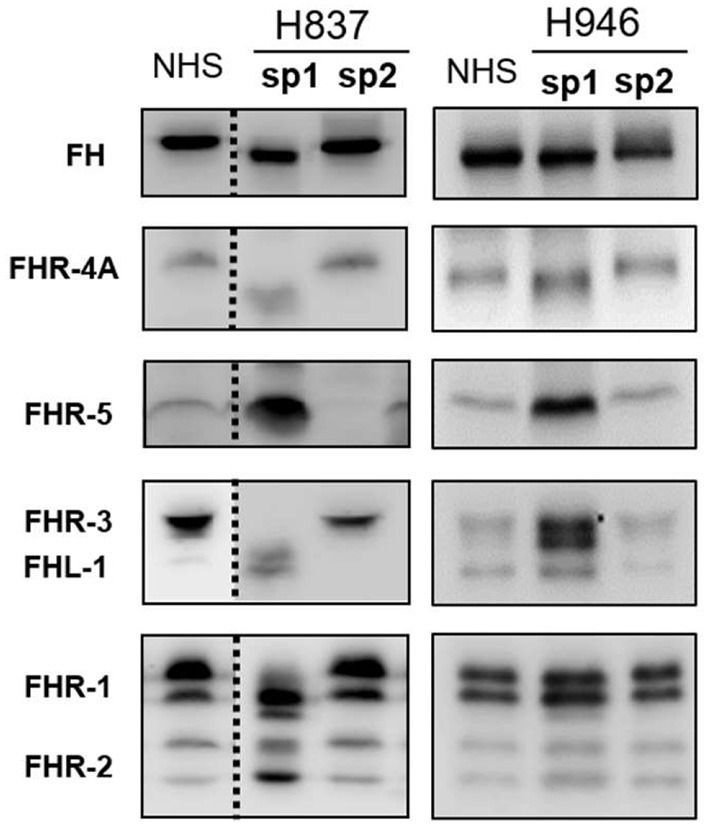
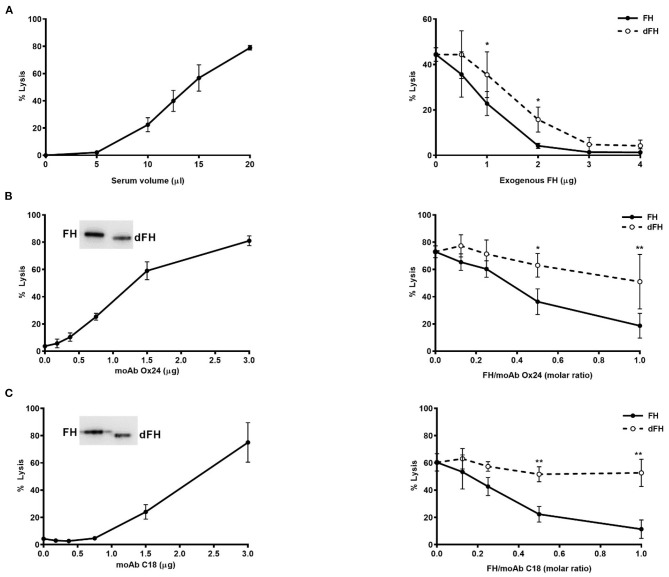
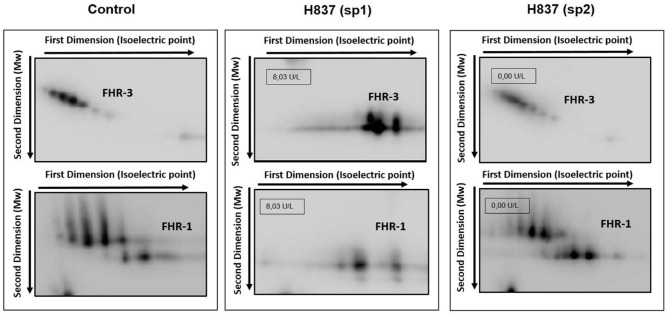
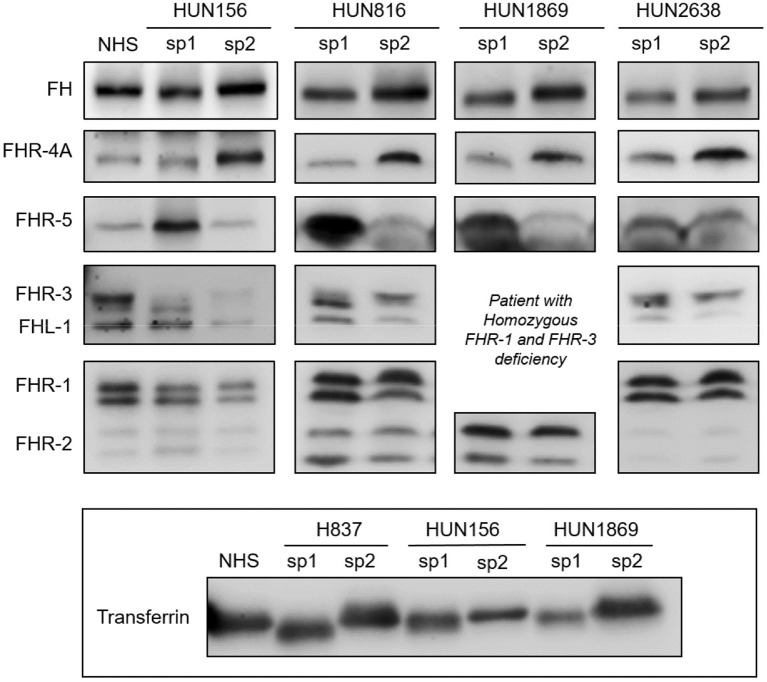
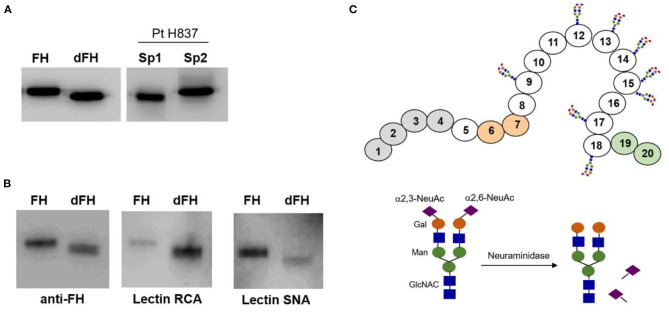
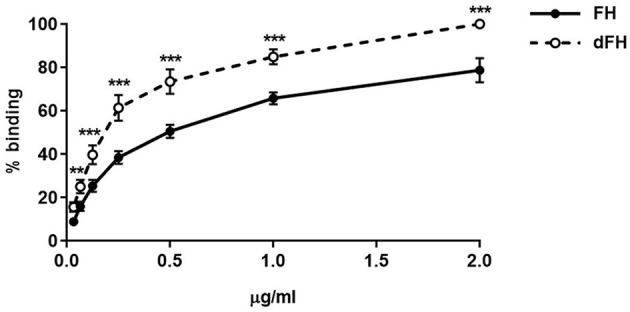
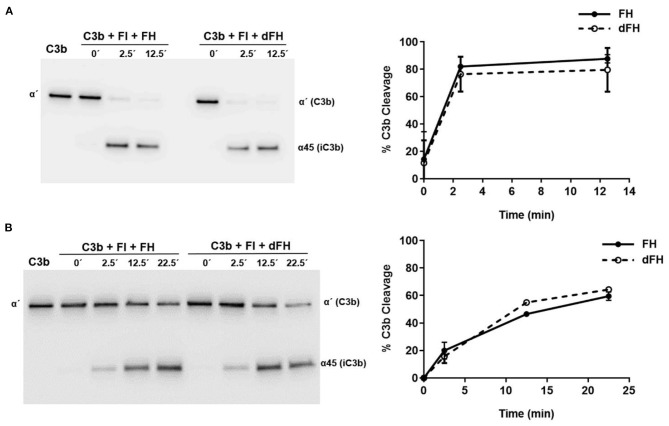
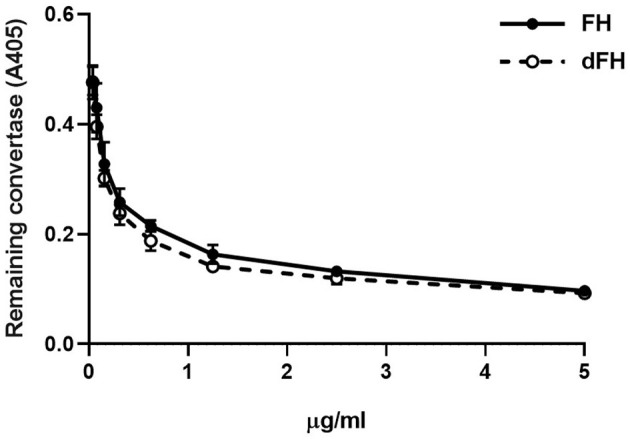
Haemolytic Uraemic Syndrome associated with infections (SP-HUS) is a clinically well-known entity that generally affects infants, and could have a worse prognosis than HUS associated to infections. It has been assumed that complement genetic variants associated with primary atypical HUS cases (aHUS) do not contribute to SP-HUS, which is solely attributed to the action of the pneumococcal neuraminidase on the host cellular surfaces. We previously identified complement pathogenic variants and risk polymorphisms in a few Hungarian SP-HUS patients, and have now extended these studies to a cohort of 13 Spanish SP-HUS patients. Five patients presented rare complement variants of unknown significance, but the frequency of the risk haplotypes in the region was similar to the observed in aHUS. Moreover, we observed desialylation of Factor H (FH) and the FH-Related proteins in plasma samples from 2 Spanish and 4 Hungarian SP-HUS patients. To analyze the functional relevance of this finding, we compared the ability of native and "" desialylated FH in: (a) binding to C3b-coated microtiter plates; (b) proteolysis of fluid-phase and surface-bound C3b by Factor I; (c) dissociation of surface bound-C3bBb convertase; (d) haemolytic assays on sheep erythrocytes. We found that desialylated FH had reduced capacity to control complement activation on sheep erythrocytes, suggesting a role for FH sialic acids on binding to cellular surfaces. We conclude that aHUS-risk variants in the region could also contribute to disease-predisposition to SP-HUS, and that transient desialylation of complement FH by the pneumococcal neuraminidase may have a role in disease pathogenesis.
溶血尿毒症综合征与 感染(SP-HUS)相关,是一种临床上众所周知的实体,通常影响婴儿,且其预后可能比 感染相关的溶血尿毒症综合征更差。人们曾认为,与原发性非典型溶血尿毒症综合征(aHUS)相关的补体遗传变异不会导致 SP-HUS,而 SP-HUS 仅归因于肺炎球菌神经氨酸酶对宿主细胞表面的作用。我们之前在少数匈牙利 SP-HUS 患者中鉴定了补体致病变异和风险多态性,现在已经将这些研究扩展到了一组 13 名西班牙 SP-HUS 患者。5 名患者表现出罕见的意义不明的补体变异,但在 区域中风险单倍型的频率与 aHUS 观察到的相似。此外,我们观察到 2 名西班牙和 4 名匈牙利 SP-HUS 患者的血浆样本中 FH 和 FH 相关蛋白去唾液酸化。为了分析这一发现的功能相关性,我们比较了天然和“去唾液酸化”FH 在以下方面的能力:(a)结合到 C3b 包被的微量滴定板上;(b)通过因子 I 对液相等位点和表面结合的 C3b 的蛋白水解;(c)表面结合的 C3bBb 转化酶的解离;(d)绵羊红细胞的溶血试验。我们发现去唾液酸化的 FH 控制绵羊红细胞上补体激活的能力降低,表明 FH 唾液酸在结合到细胞表面上的作用。我们得出结论,区域中的 aHUS 风险变异也可能导致 SP-HUS 的易感性,肺炎球菌神经氨酸酶对补体 FH 的短暂去唾液酸化可能在疾病发病机制中起作用。