Zeng Shenxin, Zhang Hongjie, Shen Zhengrong, Huang Wenhai
School of Pharmacy, Hangzhou Medical College, Hangzhou, China.
Key Laboratory of Neuropsychiatric Drug Research of Zhejiang Province, Institute of Materia Medica, Hangzhou Medical College, Hangzhou, China.
Front Chem. 2021 Mar 10;9:639176. doi: 10.3389/fchem.2021.639176. eCollection 2021.
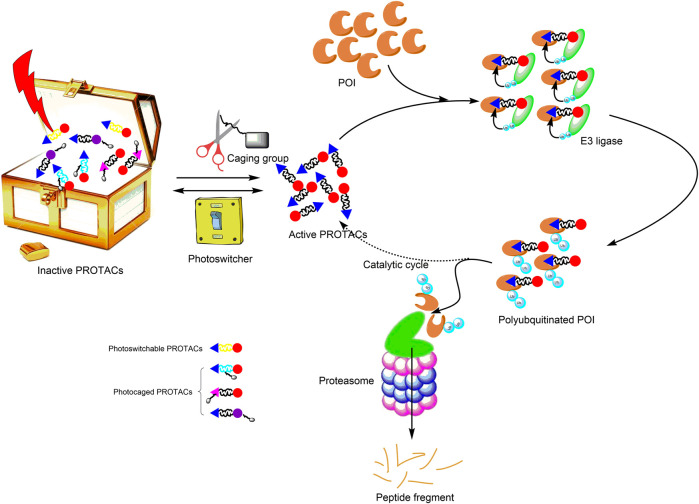
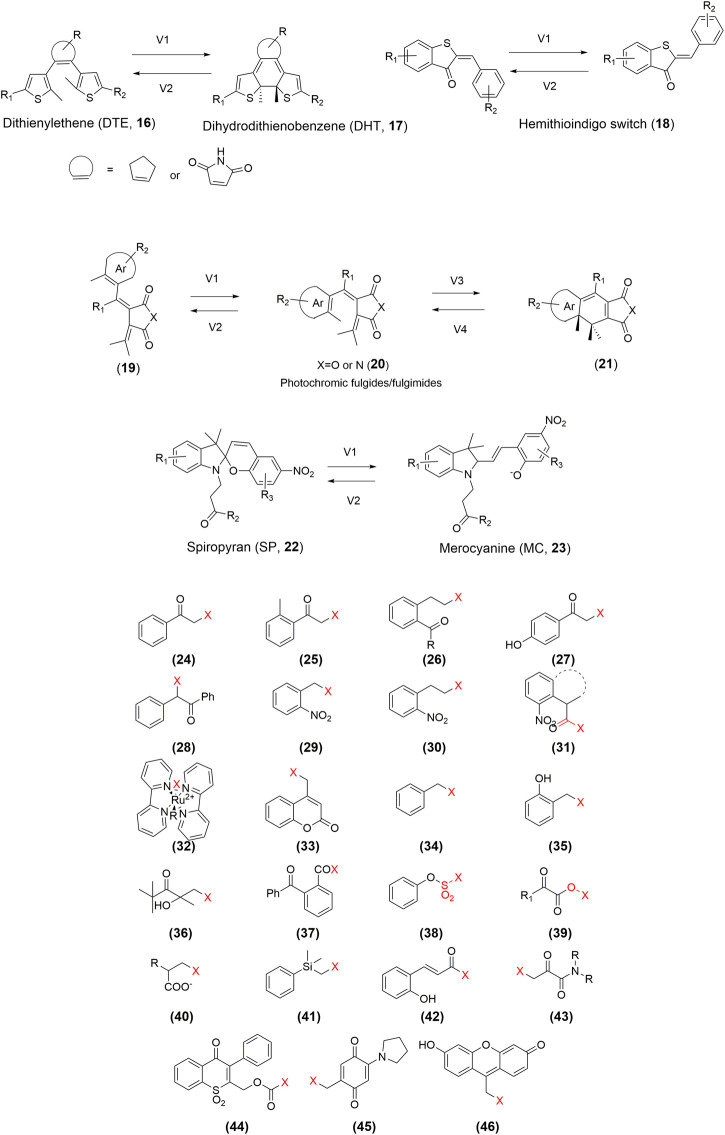
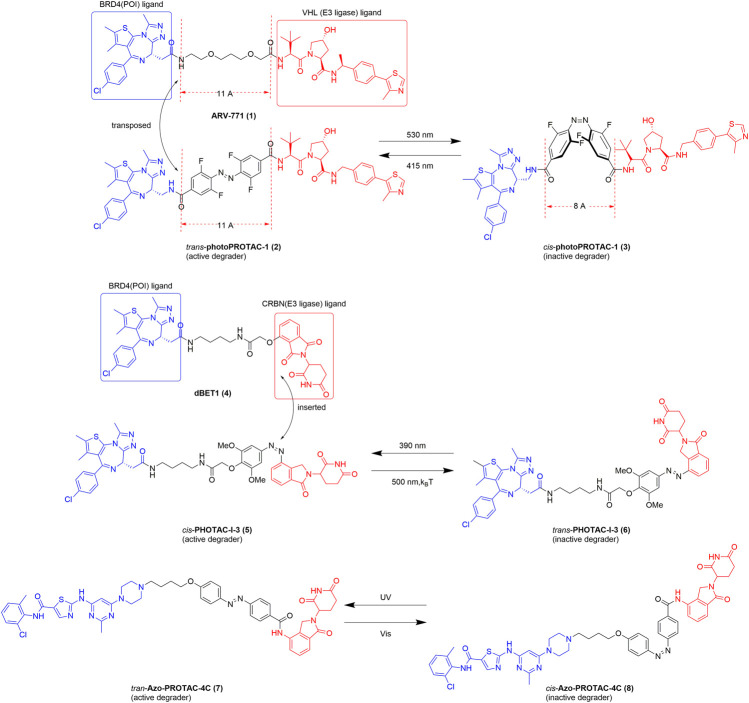
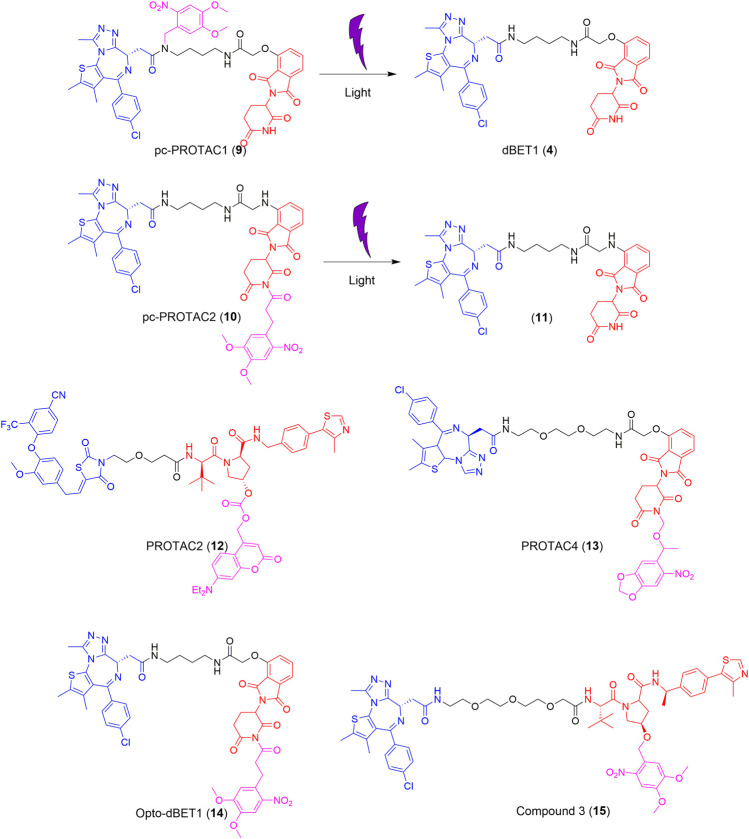
Photopharmacology is an emerging field that uses light to precisely control drug activity. This strategy promises to improve drug specificity for reducing off-target effects. Proteolysis-targeting chimeras (PROTACs) are an advanced technology engineered to degrade pathogenic proteins through the ubiquitin-proteasome system for disease treatment. This approach has the potential to target the undruggable proteome via event-driven pharmacology. Recently, the combination strategy of photopharmacology and PROTACs has gained tremendous momentum for its use in the discovery and development of new therapies. This review systematically focuses on PROTAC-based photopharmacology. Herein, we provide an overview of the new and vibrant research on photoPROTACs, discuss the advantages and disadvantages of this approach as a biological tool, and outline the challenges it faces in a clinical setting.
光药理学是一个新兴领域,它利用光来精确控制药物活性。这一策略有望提高药物特异性,以减少脱靶效应。蛋白水解靶向嵌合体(PROTACs)是一种先进技术,旨在通过泛素-蛋白酶体系统降解致病蛋白用于疾病治疗。这种方法有潜力通过事件驱动药理学靶向不可成药的蛋白质组。最近,光药理学和PROTACs的联合策略在新疗法的发现和开发中得到了广泛应用。本综述系统地聚焦于基于PROTAC的光药理学。在此,我们概述了关于光激活PROTAC的新的和充满活力的研究,讨论了这种方法作为一种生物学工具的优缺点,并概述了它在临床环境中面临的挑战。