College of Medicine and Public Health, Flinders University, Bedford Park, Australia.
J Med Internet Res. 2021 Mar 30;23(3):e25698. doi: 10.2196/25698.
As the use of technology to deliver health services is increasing rapidly and has further intensified during the COVID-19 pandemic, these initiatives may fail if ethical impacts are not fully identified and acted upon by practitioners. Ignoring the ethical impacts of information and communication technology health service delivery creates an unintended risk for patients and can lead to reduced effectiveness, noncompliance, and harm, undermining the best intentions of governments and clinicians.
Our aim was to explore how ethical considerations or impacts may be different, greater, or more variable in information and communication technology methods versus face-to-face health care delivery models, and how they may be applied in practice.
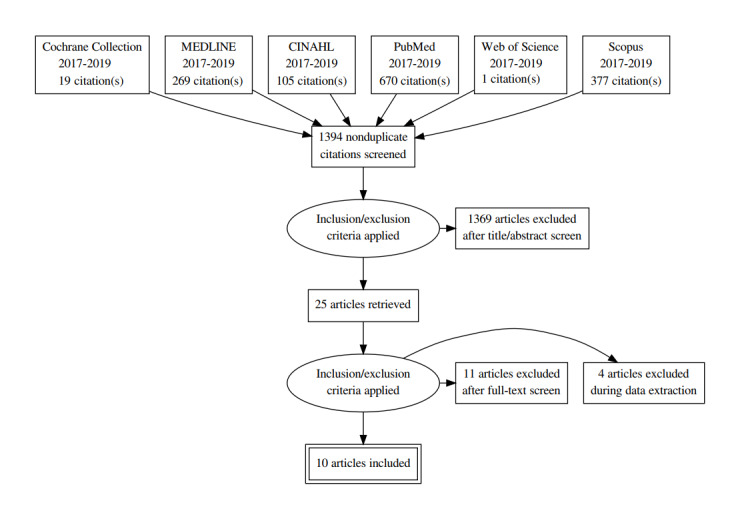
We undertook a systemic literature review to provide a critical overview of existing research into the incorporation of ethical principles into telehealth practice. Six databases were searched between March 2016 to May 2016 and again in December 2020 to provide the benefit of currency. A combination of broad terms ("ethics," "ethical," "health," and "care") with the restrictive terms of "telehealth" and "telemedicine" was used in keyword searches. Thematic analysis and synthesis of each paper was conducted, aligned to the framework developed by Beauchamp and Childress.
From the 49 papers reviewed, authors identified or discussed the following ethical principles in relation to telehealth practice: autonomy (69% of authors, 34/49), professional-patient relationship (53% of authors, 26/49), nonmaleficence (41% of authors, 20/49), beneficence (39%, of authors, 19/49), and justice (39% of authors, 19/49).
Although a small number of studies identified ethical issues associated with telehealth practice and discussed their potential impact on service quality and effectiveness, there is limited research on how ethical principles are incorporated into clinical practice. Several studies proposed frameworks, codes of conduct, or guidelines, but there was little discussion or evidence of how these recommendations are being used to improve ethical telehealth practice.
随着技术在提供医疗服务方面的应用迅速增加,并且在 COVID-19 大流行期间进一步加剧,这些举措如果从业者未能充分识别和应对其伦理影响,可能会失败。忽视信息和通信技术提供医疗服务的伦理影响,会给患者带来意想不到的风险,并导致效力降低、不遵守规定和伤害,从而破坏政府和临床医生的良好意愿。
我们旨在探讨在信息和通信技术方法与面对面医疗保健提供模式相比,伦理考虑或影响可能有何不同、更大或更具可变性,以及如何将这些考虑应用于实践。
我们进行了系统文献综述,以批判性地概述现有研究,了解将伦理原则纳入远程医疗实践的情况。在 2016 年 3 月至 5 月和 2020 年 12 月之间进行了六次数据库搜索,以获得最新的研究成果。在关键词搜索中,我们使用了广泛的术语(“伦理”、“道德”、“健康”和“护理”)和限制性术语“远程医疗”和“远程医学”。对每篇论文进行主题分析和综合,以 Beauchamp 和 Childress 制定的框架为指导。
从审查的 49 篇论文中,作者确定或讨论了与远程医疗实践相关的以下伦理原则:自主性(69%的作者,34/49)、专业医患关系(53%的作者,26/49)、不伤害(41%的作者,20/49)、善行(39%的作者,19/49)和公正(39%的作者,19/49)。
尽管少数研究确定了与远程医疗实践相关的伦理问题,并讨论了这些问题对服务质量和效果的潜在影响,但关于如何将伦理原则纳入临床实践的研究有限。一些研究提出了框架、行为准则或指南,但很少讨论或有证据表明这些建议如何用于改进远程医疗实践的伦理问题。