Department of Pediatrics, Child Health Research Center, University of Virginia School of Medicine, Charlottesville, VA, USA.
Sci Rep. 2021 Mar 31;11(1):7251. doi: 10.1038/s41598-021-86629-w.
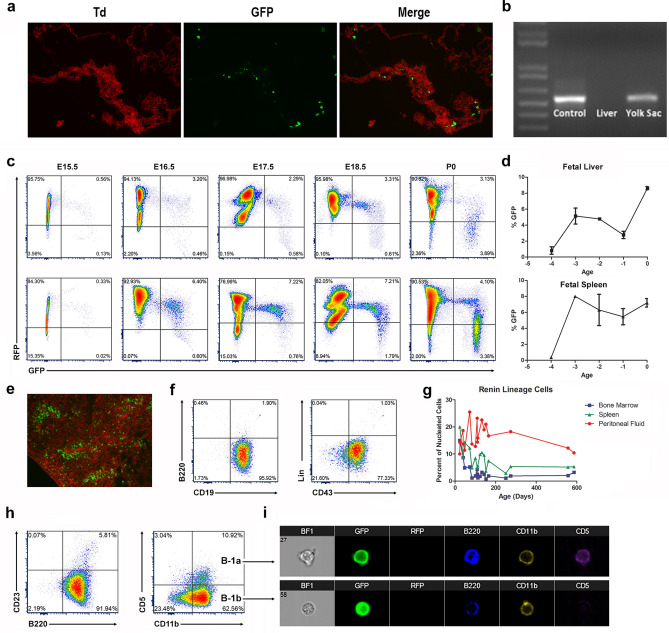
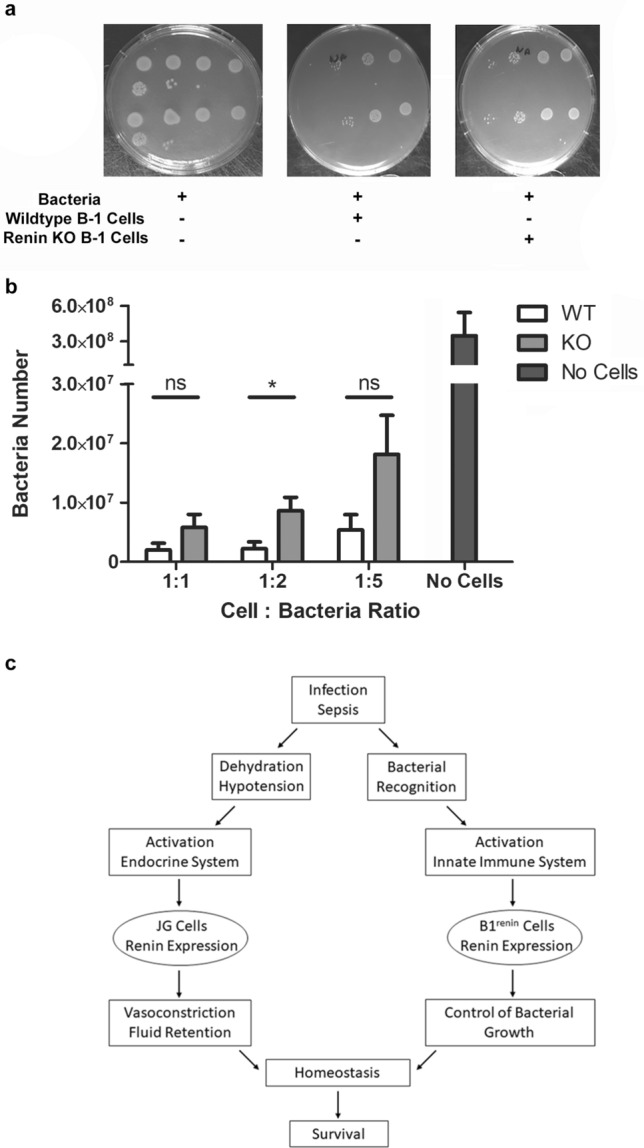
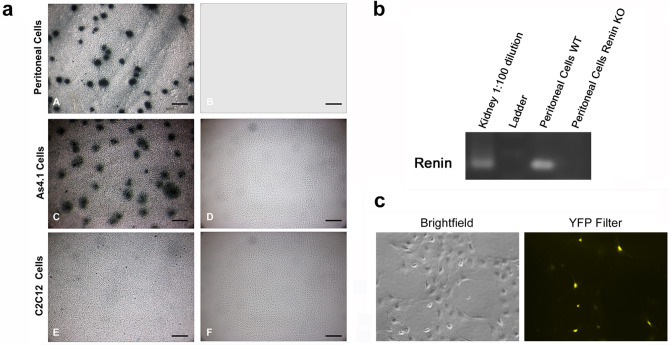
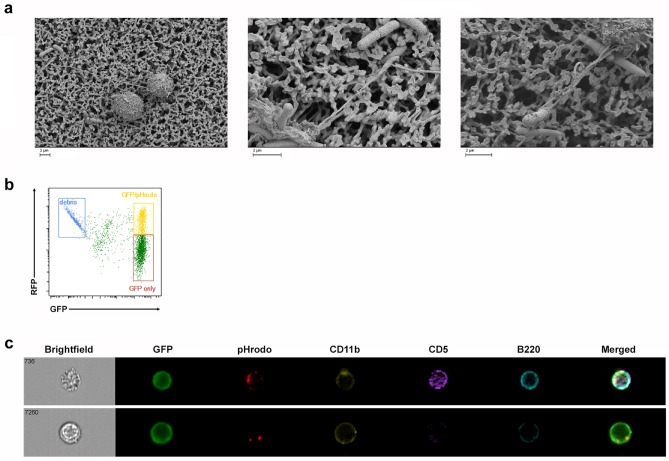
The hormone renin plays a crucial role in the regulation of blood pressure and fluid-electrolyte homeostasis. Normally, renin is synthesized by juxtaglomerular (JG) cells, a specialized group of myoepithelial cells located near the entrance to the kidney glomeruli. In response to low blood pressure and/or a decrease in extracellular fluid volume (as it occurs during dehydration, hypotension, or septic shock) JG cells respond by releasing renin to the circulation to reestablish homeostasis. Interestingly, renin-expressing cells also exist outside of the kidney, where their function has remained a mystery. We discovered a unique type of renin-expressing B-1 lymphocyte that may have unrecognized roles in defending the organism against infections. These cells synthesize renin, entrap and phagocyte bacteria and control bacterial growth. The ability of renin-bearing lymphocytes to control infections-which is enhanced by the presence of renin-adds a novel, previously unsuspected dimension to the defense role of renin-expressing cells, linking the endocrine control of circulatory homeostasis with the immune control of infections to ensure survival.
激素肾素在调节血压和体液电解质平衡中起着至关重要的作用。通常,肾素由肾小球旁(JG)细胞合成,肾小球旁细胞是位于肾小囊入口附近的一组特殊的肌上皮细胞。当血压降低和/或细胞外液体积减少(如脱水、低血压或感染性休克时发生)时,JG 细胞通过将肾素释放到循环中以恢复体内平衡来做出反应。有趣的是,表达肾素的细胞也存在于肾脏之外,其功能仍然是一个谜。我们发现了一种独特类型的表达肾素的 B-1 淋巴细胞,它可能在抵抗感染方面具有未被认识的作用。这些细胞合成肾素,捕获和吞噬细菌并控制细菌生长。带有肾素的淋巴细胞控制感染的能力——肾素的存在增强了这种能力——为表达肾素的细胞的防御作用增添了一个新的、以前未被怀疑的维度,将循环内环境的内分泌控制与感染的免疫控制联系起来,以确保生存。