Department of Clinical and Translational Sciences and Appalachian Clinical and Translational Science Institute, Joan C. Edwards School of Medicine, Marshall University, 1600 Medical Center Drive, Huntington, WV 25701, USA.
Cells. 2021 Mar 21;10(3):697. doi: 10.3390/cells10030697.
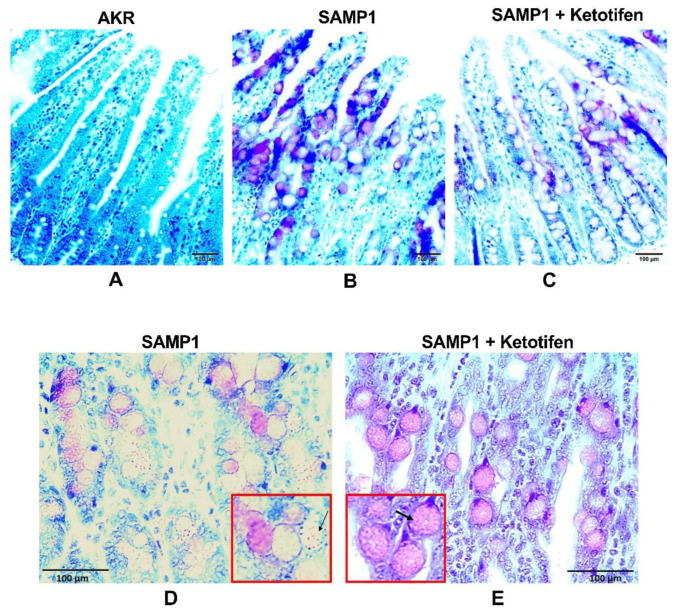
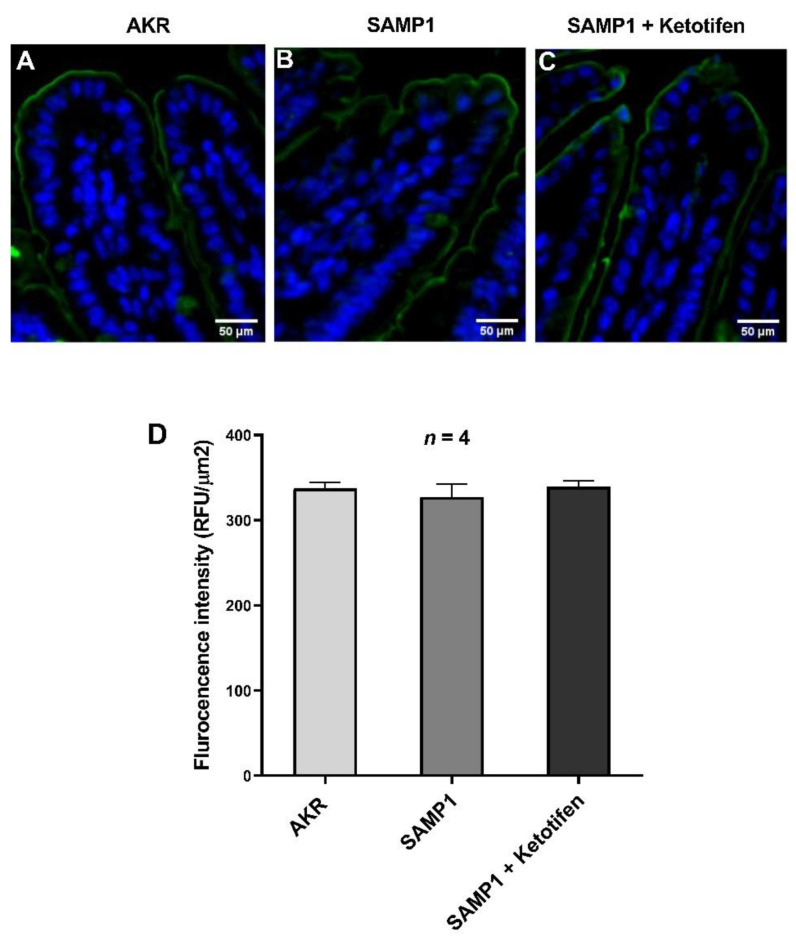
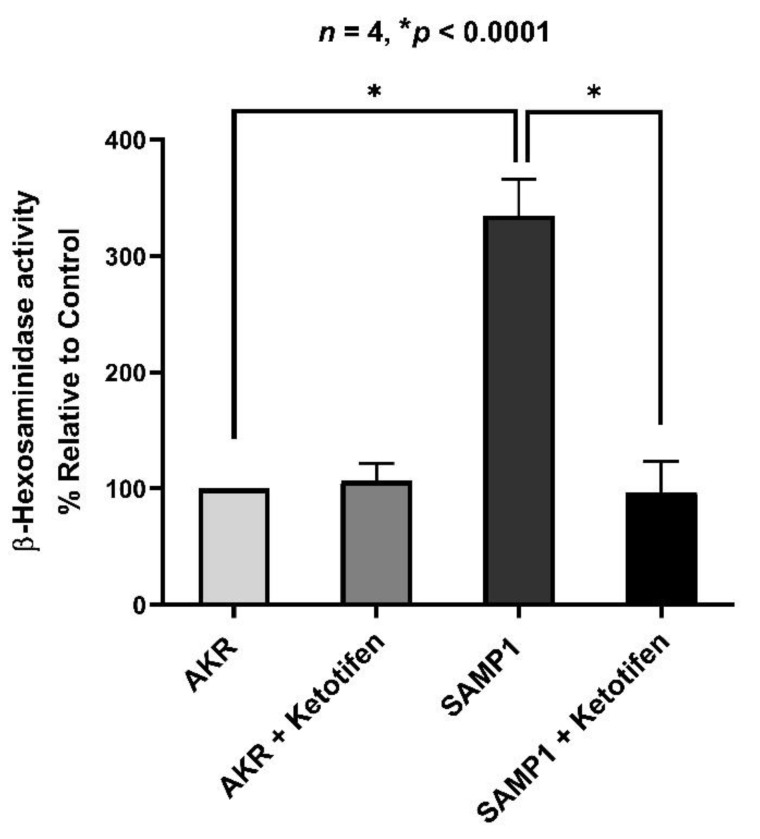
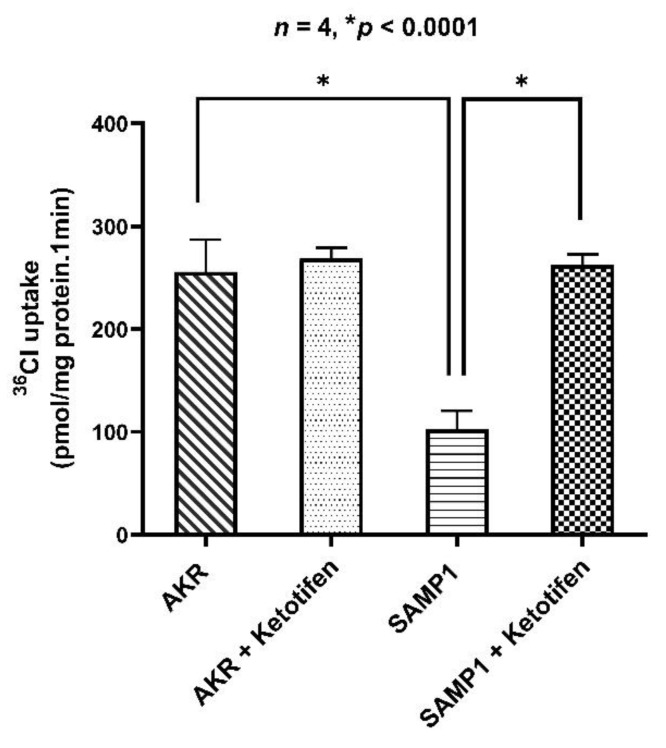
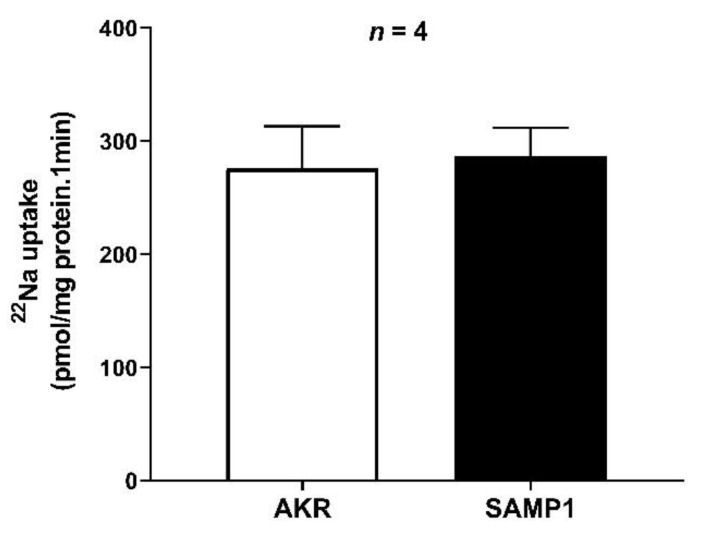
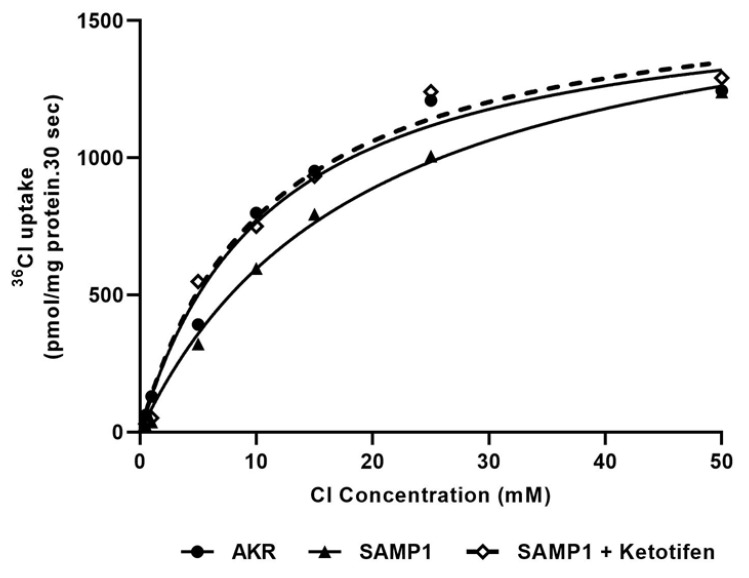
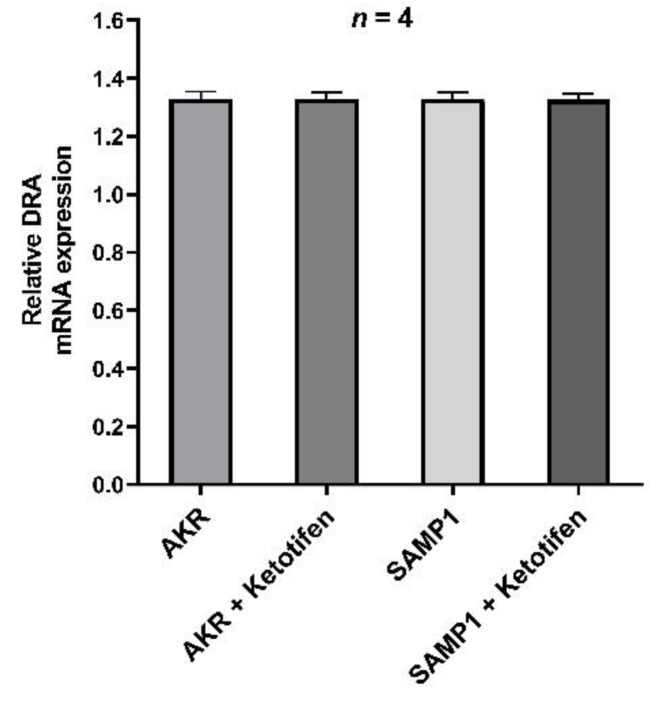
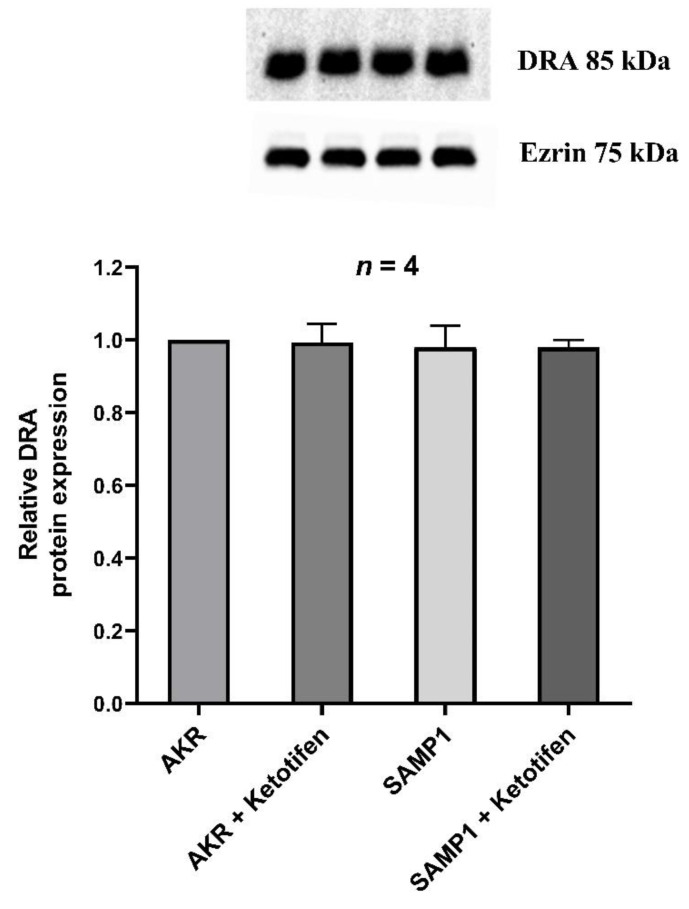
In Inflammatory Bowel Disease (IBD), malabsorption of electrolytes (NaCl) results in diarrhea. Inhibition of coupled NaCl absorption, mediated by the dual operation of Na:H and Cl:HCO exchangers on the brush border membrane (BBM) of the intestinal villus cells has been reported in IBD. In the SAMP1/YitFcs (SAMP1) mice model of spontaneous ileitis, representing Crohn's disease, DRA (Downregulated in Adenoma) mediated Cl:HCO exchange was shown to be inhibited secondary to diminished affinity of the exchanger for Cl. However, NHE3 mediated Na:H exchange remained unaffected. Mast cells and their secreted mediators are known to be increased in the IBD mucosa and can affect intestinal electrolyte absorption. However, how mast cell mediators may regulate Cl:HCO exchange in SAMP1 mice is unknown. Therefore, the aim of this study was to determine the effect of mast cell mediators on the downregulation of DRA in SAMP1 mice. Mast cell numbers and their degranulation marker enzyme (β-hexosaminidase) levels were significantly increased in SAMP1 mice compared to control AKR mice. However, treatment of SAMP1 mice with a mast cell stabilizer, ketotifen, restored the β-hexosaminidase enzyme levels to normal in the intestine, demonstrating stabilization of mast cells by ketotifen. Moreover, downregulation of Cl:HCO exchange activity was restored in ketotifen treated SAMP1 mice. Kinetic studies showed that ketotifen restored the altered affinity of Cl:HCO exchange in SAMP1 mice villus cells thus reinstating its activity to normal. Further, RT-qPCR, Western blot and immunofluorescence studies showed that the expression levels of DRA mRNA and BBM protein, respectively remained unaltered in all experimental conditions, supporting the kinetic data. Thus, inhibition of Cl:HCO exchange resulting in chloride malabsorption leading to diarrhea in IBD is likely mediated by mast cell mediators.
在炎症性肠病(IBD)中,电解质(NaCl)的吸收不良导致腹泻。据报道,在 IBD 中,肠绒毛细胞刷状缘膜(BBM)上 Na+H 和 Cl:HCO 交换器的双重作用抑制了偶联的 NaCl 吸收。在自发性回肠炎的 SAMP1/YitFcs(SAMP1)小鼠模型中,代表克罗恩病,DRA(腺瘤下调)介导的 Cl:HCO 交换被证明是由于交换器对 Cl 的亲和力降低而受到抑制。然而,NHE3 介导的 Na:H 交换仍然不受影响。已知肥大细胞及其分泌的介质在 IBD 黏膜中增加,并可能影响肠道电解质吸收。然而,肥大细胞介质如何调节 SAMP1 小鼠中的 Cl:HCO 交换尚不清楚。因此,本研究旨在确定肥大细胞介质对 SAMP1 小鼠中 DRA 下调的影响。与对照 AKR 小鼠相比,SAMP1 小鼠的肥大细胞数量及其脱颗粒标记酶(β-己糖胺酶)水平显着增加。然而,用肥大细胞稳定剂酮替芬治疗 SAMP1 小鼠可使肠道中的β-己糖胺酶酶水平恢复正常,表明酮替芬稳定了肥大细胞。此外,在酮替芬治疗的 SAMP1 小鼠中,Cl:HCO 交换活性的下调得到恢复。动力学研究表明,酮替芬恢复了 SAMP1 小鼠绒毛细胞中改变的 Cl:HCO 交换亲和力,从而将其活性恢复正常。此外,RT-qPCR、Western blot 和免疫荧光研究表明,在所有实验条件下,DRA mRNA 的表达水平和 BBM 蛋白的表达水平均保持不变,支持了动力学数据。因此,导致 IBD 腹泻的氯离子吸收不良导致氯离子吸收不良的 Cl:HCO 交换抑制可能是由肥大细胞介质介导的。