Yip Victor, Lee M Violet, Saad Ola M, Ma Shuguang, Khojasteh S Cyrus, Shen Ben-Quan
Preclinical and Translational Pharmacokinetics and Pharmacodynamics, Genentech Inc., 1 DNA Way, South San Francisco, CA 94080, USA.
BioAnalytical Sciences, Genentech Inc., 1 DNA Way, South San Francisco, CA 94080, USA.
J Clin Med. 2021 Mar 23;10(6):1323. doi: 10.3390/jcm10061323.
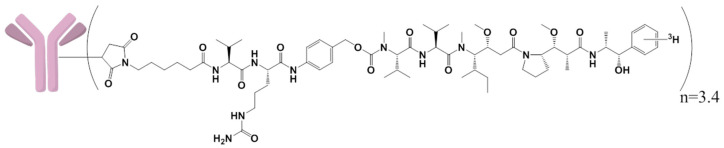
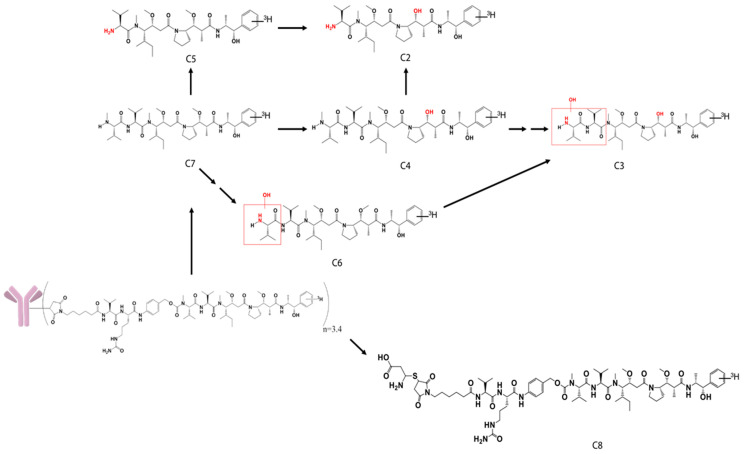
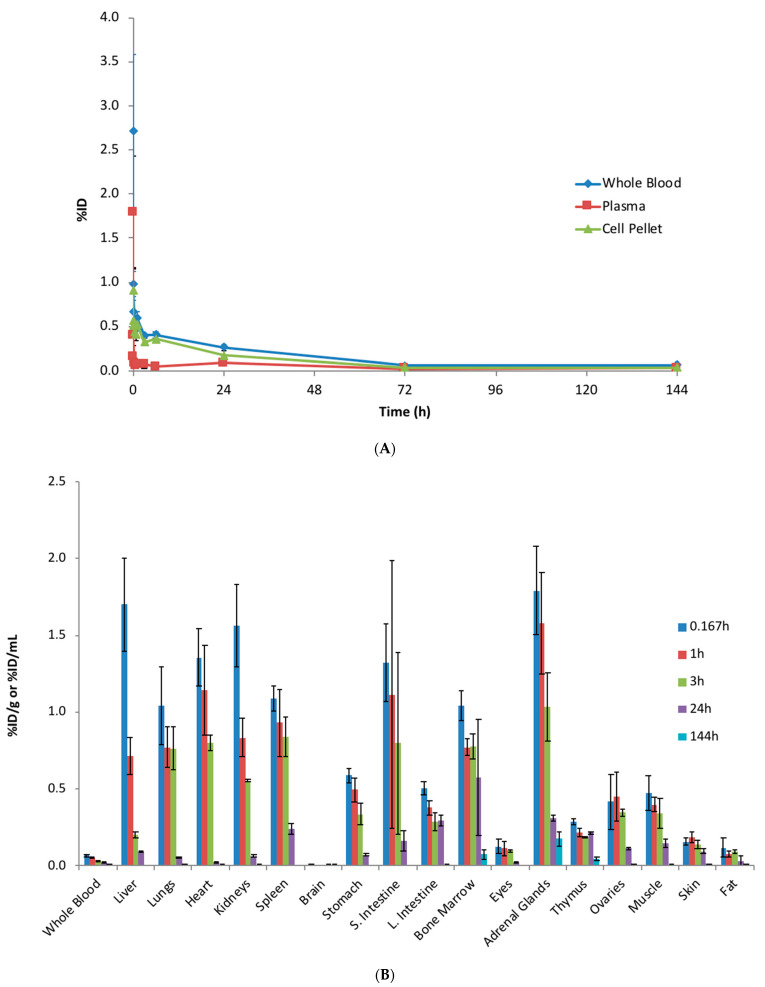
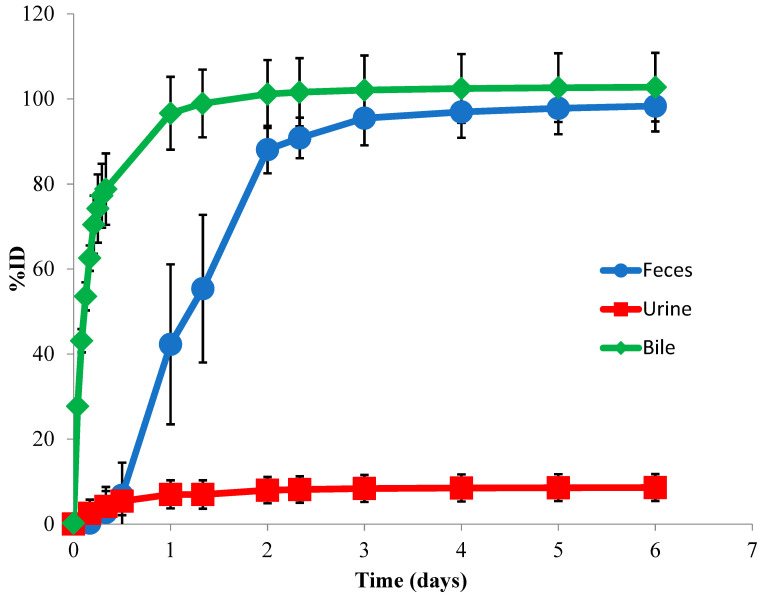
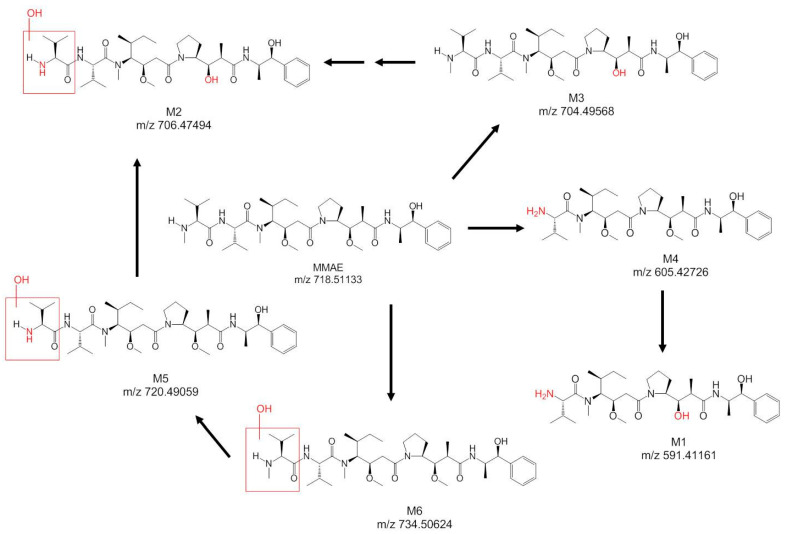
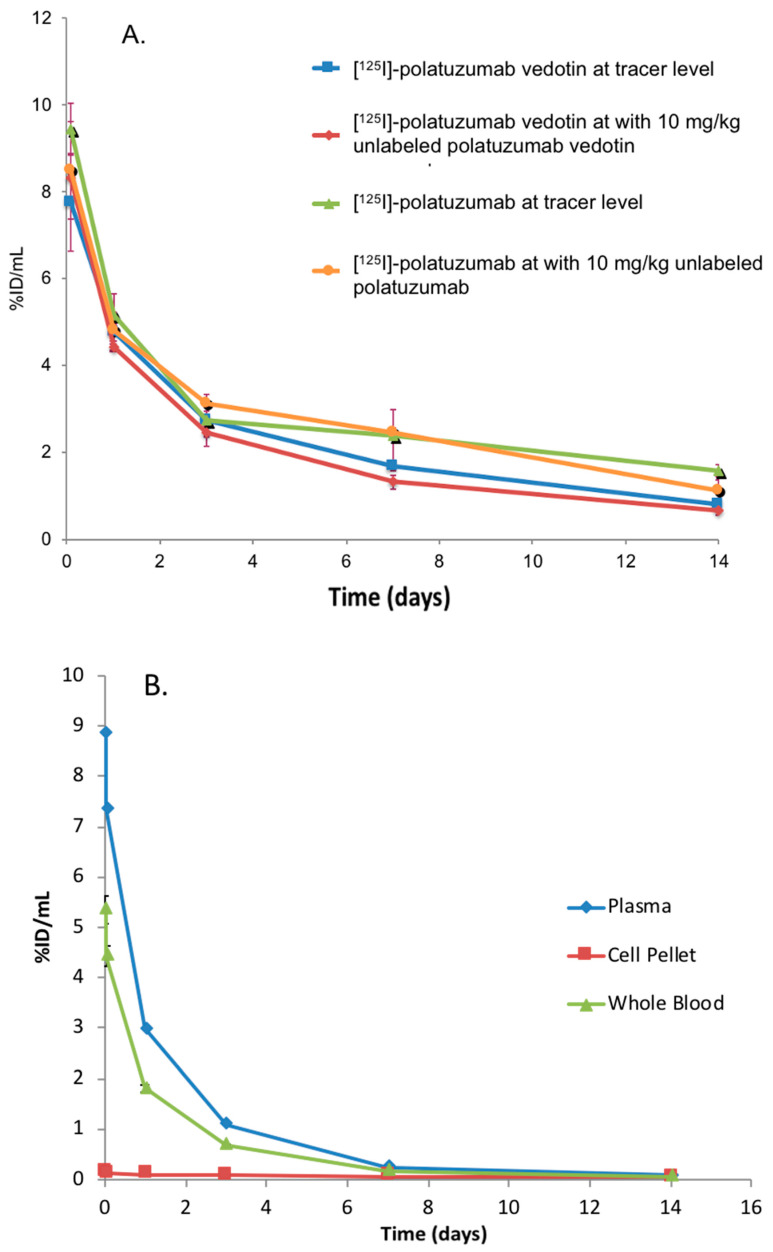
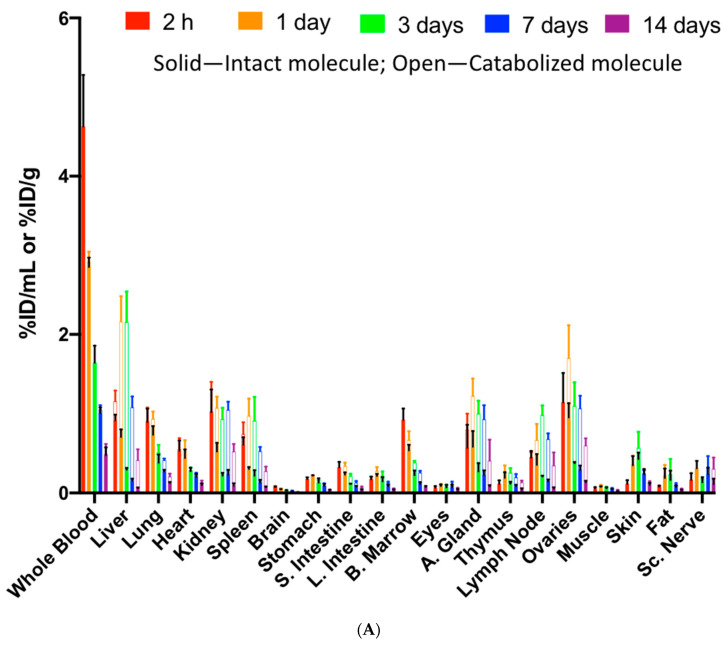
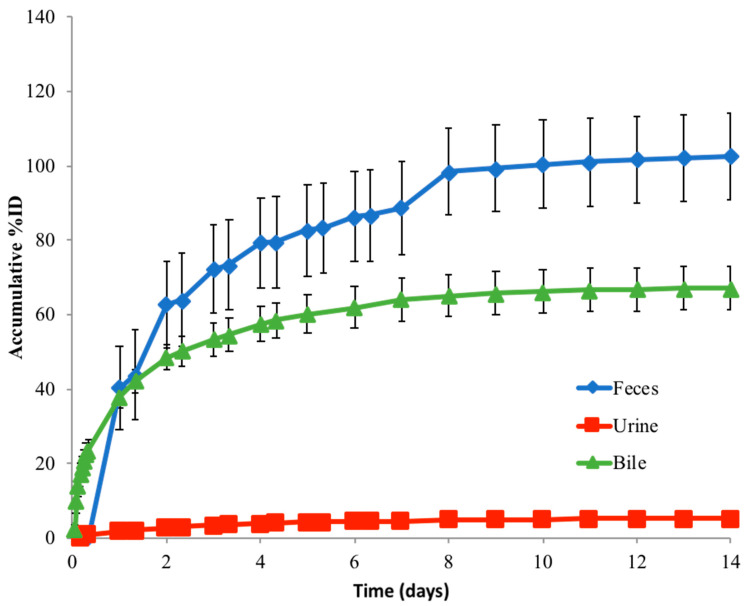
Polatuzumab vedotin (or POLIVY), an antibody-drug conjugate (ADC) composed of a polatuzumab monoclonal antibody conjugated to monomethyl auristatin E (MMAE) via a cleavable dipeptide linker, has been approved by the United States Food and Drug Administration (FDA) for the treatment of diffuse large B-cell lymphoma (DLBCL). To support the clinical development of polatuzumab vedotin, we characterized the distribution, catabolism/metabolism, and elimination properties of polatuzumab vedotin and its unconjugated MMAE payload in Sprague Dawley rats. Several radiolabeled probes were developed to track the fate of different components of the ADC, with I and In used to label the antibody component and H to label the MMAE payload of the ADC. Following a single intravenous administration of the radiolabeled probes into normal or bile-duct cannulated rats, blood, various tissues, and excreta samples were collected over 7-14 days post-dose and analyzed for radioactivity and to characterize the metabolites/catabolites. The plasma radioactivity of polatuzumab vedotin showed a biphasic elimination profile similar to that of unconjugated polatuzumab but different from unconjugated radiolabeled MMAE, which had a fast clearance. The vast majority of the radiolabeled MMAE in plasma remained associated with antibodies, with a minor fraction as free MMAE and MMAE-containing catabolites. Similar to unconjugated mAb, polatuzumab vedotin showed a nonspecific distribution to multiple highly perfused organs, including the lungs, heart, liver, spleen, and kidneys, where the ADC underwent catabolism to release MMAE and other MMAE-containing catabolites. Both polatuzumab vedotin and unconjugated MMAE were mainly eliminated through the biliary fecal route (>90%) and a small fraction (<10%) was eliminated through renal excretion in the form of catabolites/metabolites, among which, MMAE was identified as the major species, along with several other minor species. These studies provided significant insight into ADC's absorption, distribution, metabolism, and elimination (ADME) properties, which supports the clinical development of POLIVY.
泊洛妥珠单抗(或 POLIVY)是一种抗体药物偶联物(ADC),由泊洛妥珠单抗单克隆抗体通过可裂解的二肽连接子与单甲基奥瑞他汀 E(MMAE)偶联而成,已获美国食品药品监督管理局(FDA)批准用于治疗弥漫性大 B 细胞淋巴瘤(DLBCL)。为支持泊洛妥珠单抗的临床开发,我们对泊洛妥珠单抗及其未偶联的 MMAE 有效载荷在 Sprague Dawley 大鼠体内的分布、分解代谢/代谢及消除特性进行了表征。开发了几种放射性标记探针来追踪 ADC 不同组分的去向,用碘(I)和铟(In)标记抗体组分,用氢(H)标记 ADC 的 MMAE 有效载荷。将放射性标记探针单次静脉注射到正常或胆管插管大鼠体内后,在给药后 7 - 14 天收集血液、各种组织和排泄物样本,分析放射性并表征代谢产物/分解代谢产物。泊洛妥珠单抗的血浆放射性呈现出与未偶联的泊洛妥珠单抗相似的双相消除曲线,但与未偶联的放射性标记 MMAE 不同,后者清除速度很快。血浆中绝大多数放射性标记的 MMAE 仍与抗体结合,只有一小部分为游离 MMAE 和含 MMAE 的分解代谢产物。与未偶联的单克隆抗体类似,泊洛妥珠单抗在多个高灌注器官(包括肺、心脏、肝脏、脾脏和肾脏)呈现非特异性分布,在这些器官中 ADC 发生分解代谢以释放 MMAE 和其他含 MMAE 的分解代谢产物。泊洛妥珠单抗和未偶联的 MMAE 主要通过胆汁粪便途径消除(>90%),一小部分(<10%)以分解代谢产物/代谢产物的形式通过肾脏排泄消除,其中,MMAE 被确定为主要成分,还有其他几种次要成分。这些研究为 ADC 的吸收、分布、代谢和消除(ADME)特性提供了重要见解,支持了 POLIVY 的临床开发。