Fisher Richard K, West Phillip C, Mattern-Schain Samuel I, Best Michael D, Kirkpatrick Stacy S, Dieter Raymond A, Arnold Joshua D, Buckley Michael R, McNally Michael M, Freeman Michael B, Grandas Oscar H, Mountain Deidra J H
Department of Surgery, University of Tennessee Graduate School of Medicine, 1924 Alcoa Highway Box U-11, Knoxville, TN 37920, USA.
Department of Chemistry, University of Tennessee Knoxville, 1420 Circle Drive, Knoxville, TN 37996, USA.
Nanomaterials (Basel). 2021 Mar 23;11(3):825. doi: 10.3390/nano11030825.
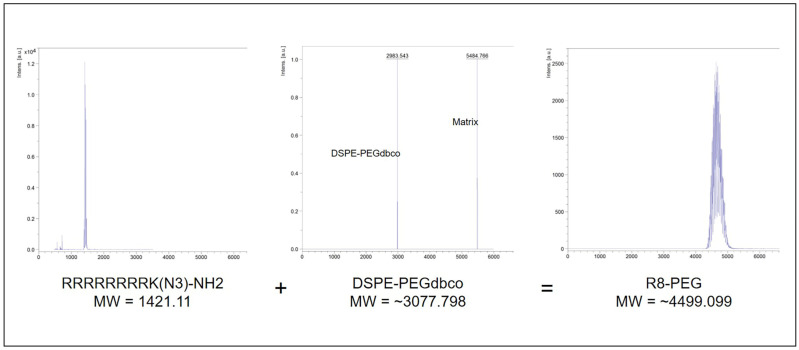
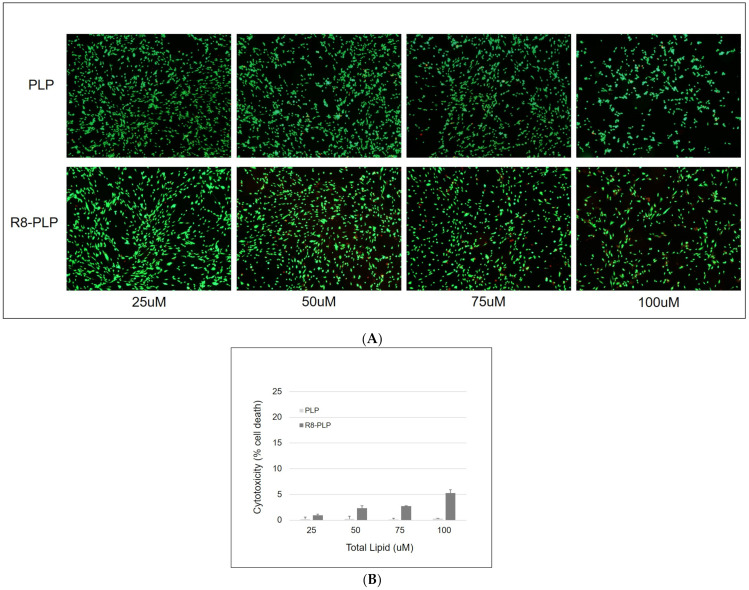
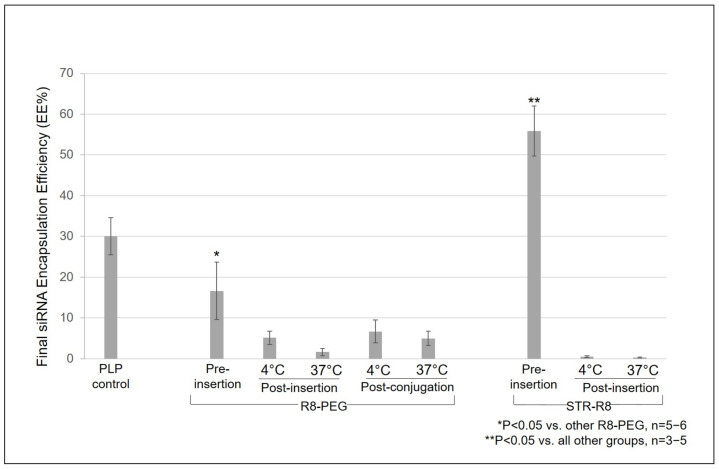
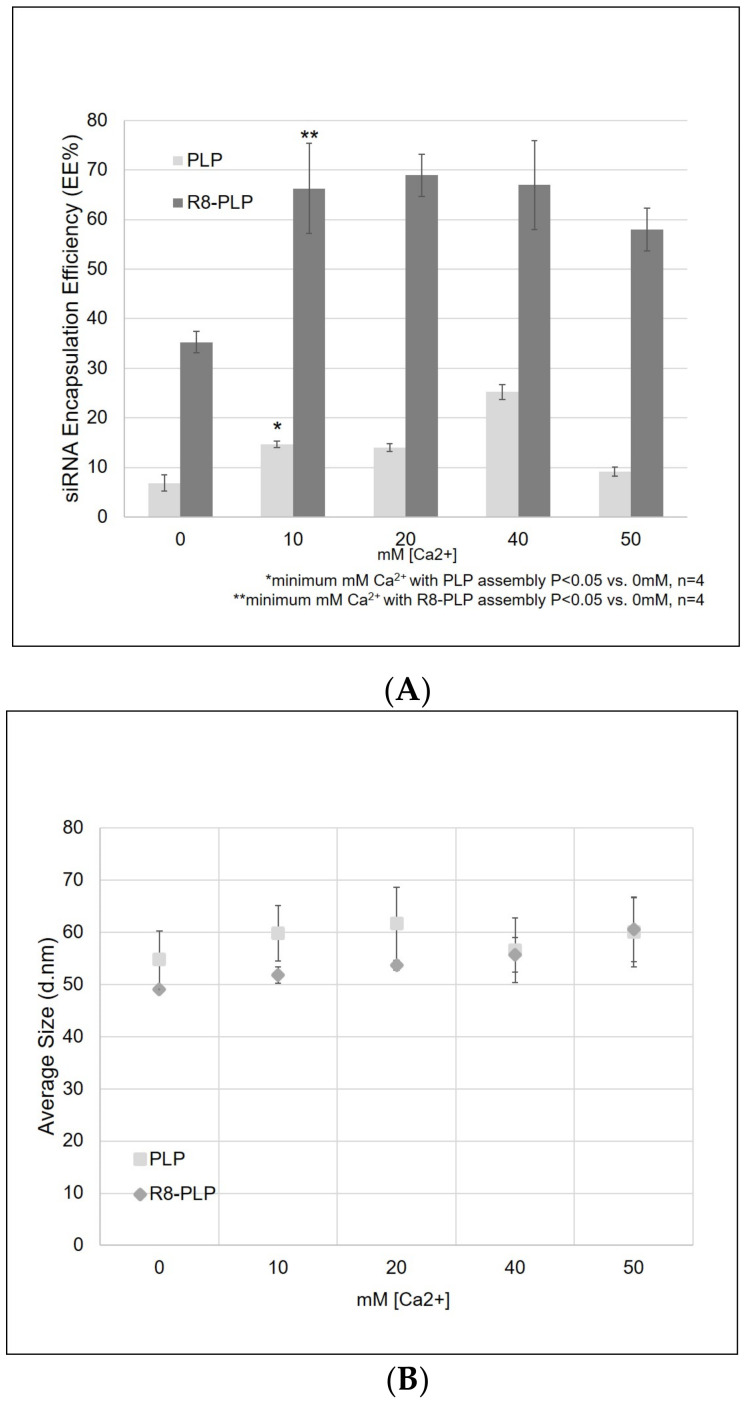
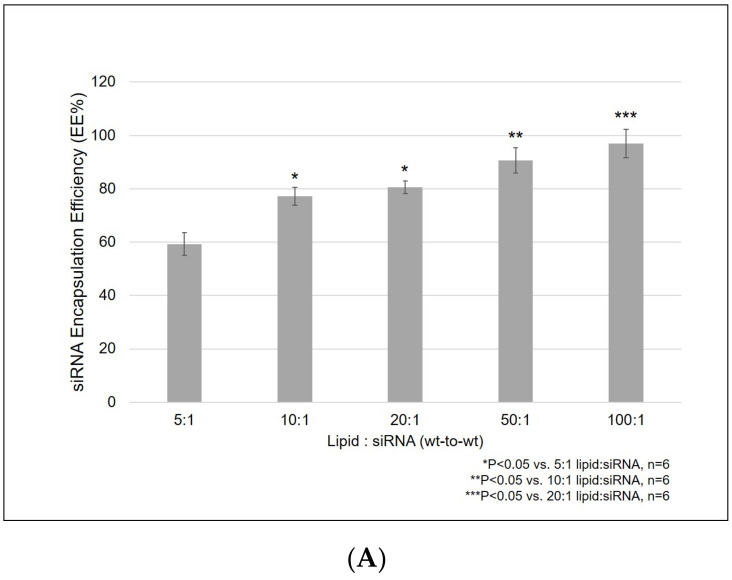
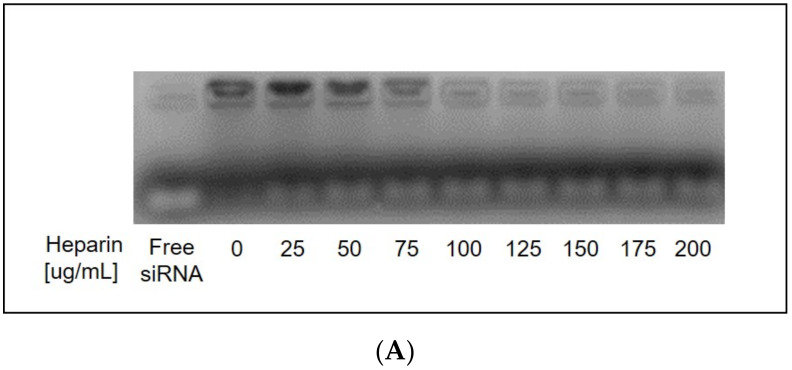
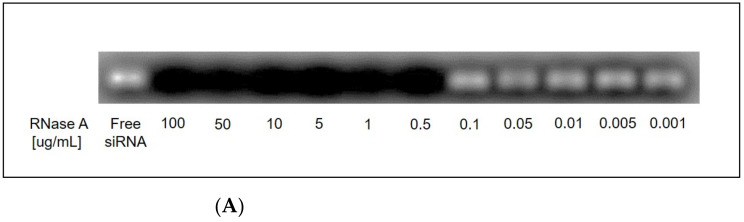
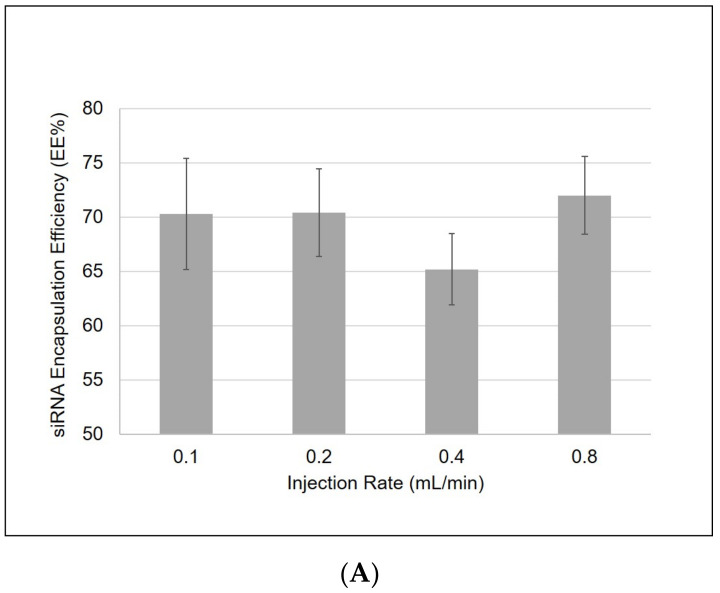
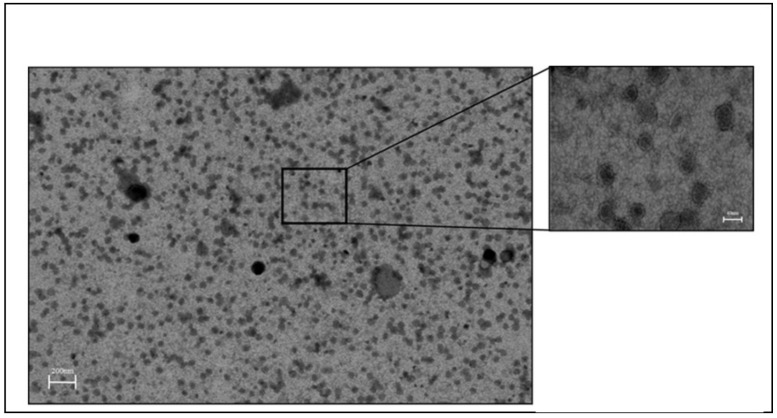
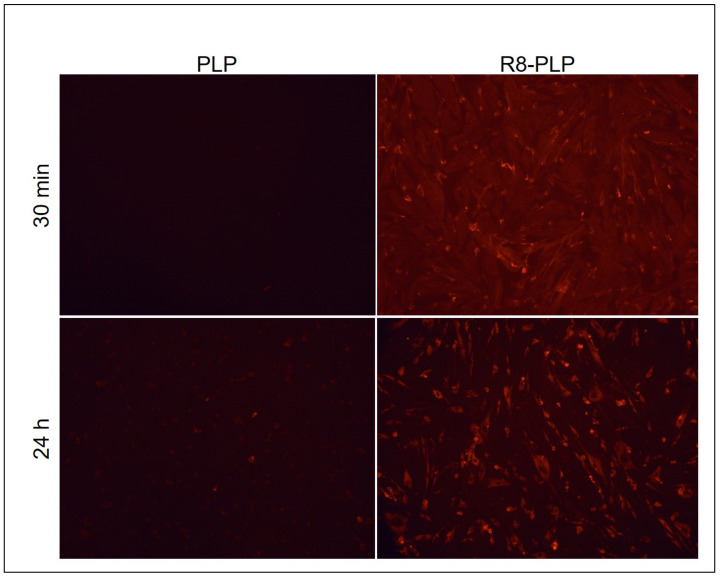
Lipid nanoparticles have become increasingly popular delivery platforms in the field of gene therapy, but bench-to-bedside success has been limited. Many liposomal gene vectors are comprised of synthetic cationic lipids, which are associated with lipid-induced cytotoxicity and immunogenicity. Natural, non-cationic PEGylated liposomes (PLPs) demonstrate favorable biocompatibility profiles but are not considered viable gene delivery vehicles due to inefficient nucleic acid loading and reduced cellular uptake. PLPs can be modified with cell-penetrating peptides (CPPs) to enhance the intracellular delivery of liposomal cargo but encapsulate leakage upon CPP-PLP assembly is problematic. Here, we aimed to identify parameters that overcome these performance barriers by incorporating nucleic acid condensers during CPP-PLP assembly and screening variable ethanol injection parameters for optimization. CPP-PLPs were formed with R8-amphiphiles via pre-insertion, post-insertion and post-conjugation techniques and liposomes were characterized for size, surface charge, homogeneity, siRNA encapsulation efficiency and retention and cell associative properties. Herein we demonstrate that pre-insertion of stearylated R8 into PLPs is an efficient method to produce non-cationic CPP-PLPs and we provide additional assembly parameter specifications for a modified ethanol injection technique that is optimized for siRNA encapsulation/retention and enhanced cell association. This assembly technique could provide improved clinical translation of liposomal based gene therapy applications.
脂质纳米颗粒已成为基因治疗领域越来越受欢迎的递送平台,但从实验室到临床的成功案例有限。许多脂质体基因载体由合成阳离子脂质组成,这与脂质诱导的细胞毒性和免疫原性有关。天然的、非阳离子聚乙二醇化脂质体(PLP)具有良好的生物相容性,但由于核酸负载效率低和细胞摄取减少,不被认为是可行的基因递送载体。PLP可以用细胞穿透肽(CPP)进行修饰,以增强脂质体货物的细胞内递送,但CPP-PLP组装时的封装泄漏是个问题。在这里,我们旨在通过在CPP-PLP组装过程中加入核酸凝聚剂并筛选可变乙醇注射参数以进行优化,来确定克服这些性能障碍的参数。通过预插入、后插入和后共轭技术,用R8两亲物形成CPP-PLP,并对脂质体的大小、表面电荷、均匀性、siRNA封装效率和保留率以及细胞结合特性进行表征。在此,我们证明将硬脂酰化R8预插入PLP是生产非阳离子CPP-PLP的有效方法,并且我们为一种改良的乙醇注射技术提供了额外的组装参数规范,该技术针对siRNA封装/保留和增强细胞结合进行了优化。这种组装技术可以改善基于脂质体的基因治疗应用的临床转化。