Solares Isabel, Izquierdo-Sánchez Laura, Morales-Conejo Montserrat, Jericó Daniel, Castelbón Francisco Javier, Córdoba Karol Marcela, Sampedro Ana, Lumbreras Carlos, Moreno-Aliaga María Jesús, Enríquez de Salamanca Rafael, Berraondo Pedro, Fontanellas Antonio
Reference Center for Inherited Metabolic Disease-MetabERN, Department of Internal Medicine, University Hospital 12 de Octubre, UCM, 28041 Madrid, Spain.
Hepatology Program, Cima Universidad de Navarra, 31008 Pamplona, Spain.
Biomedicines. 2021 Mar 5;9(3):255. doi: 10.3390/biomedicines9030255.
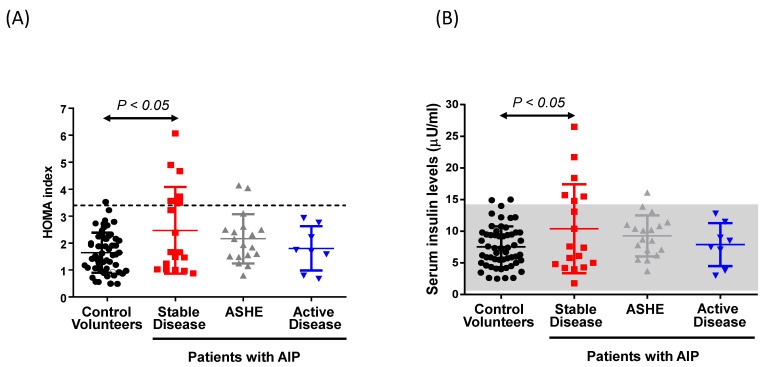
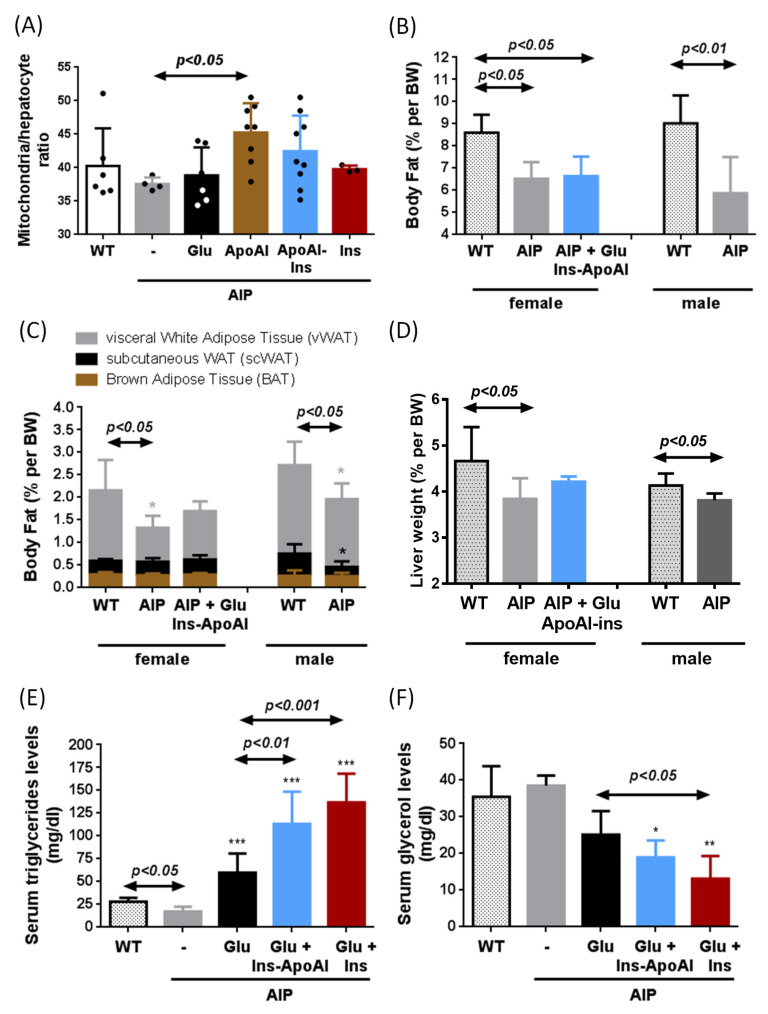
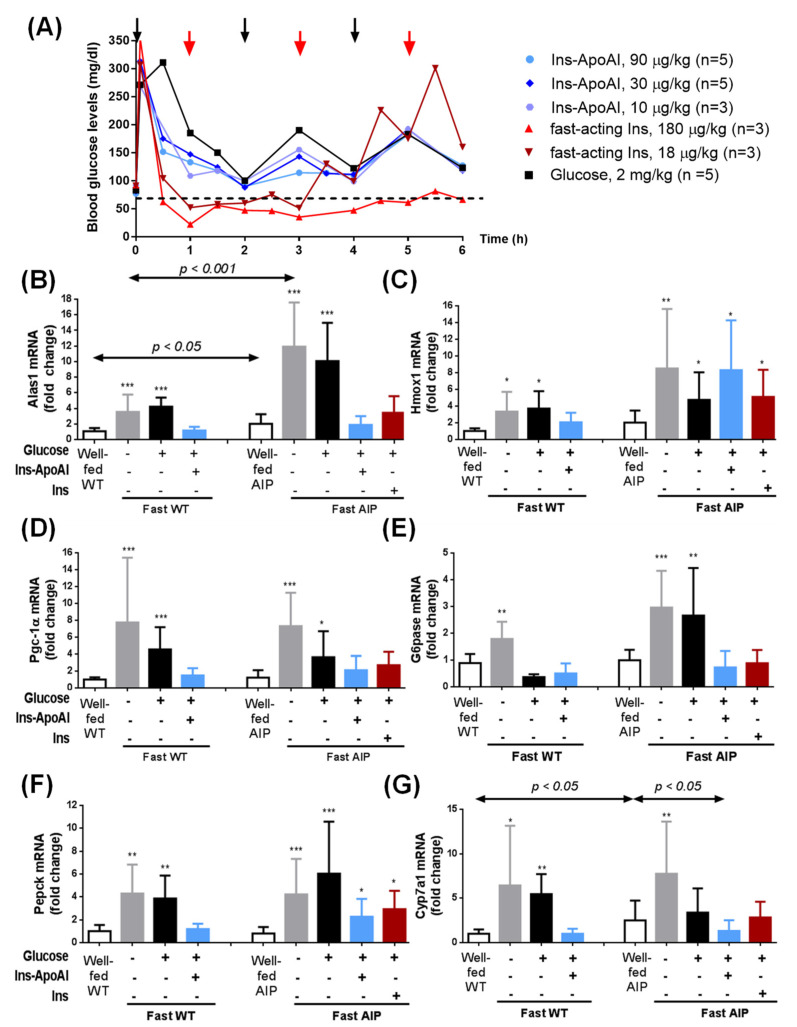
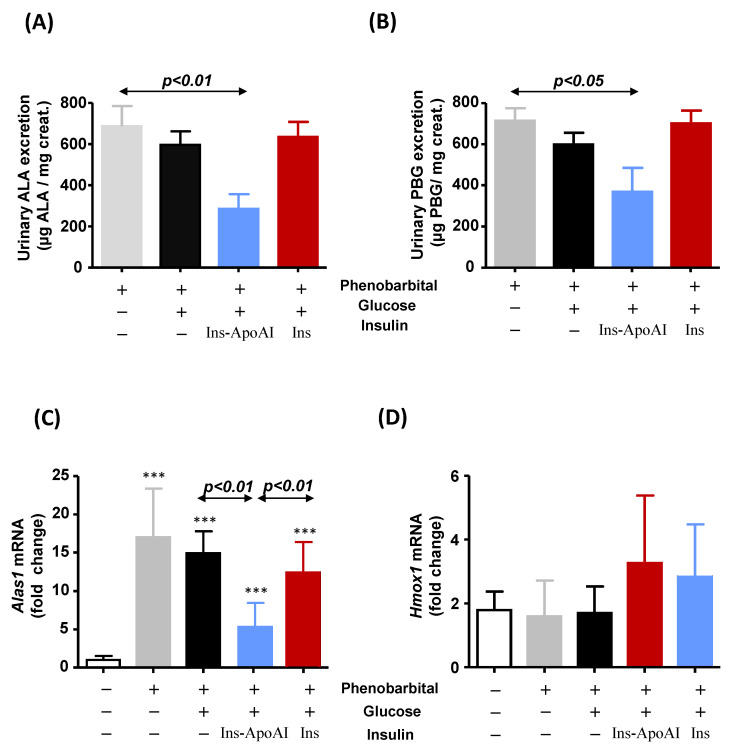
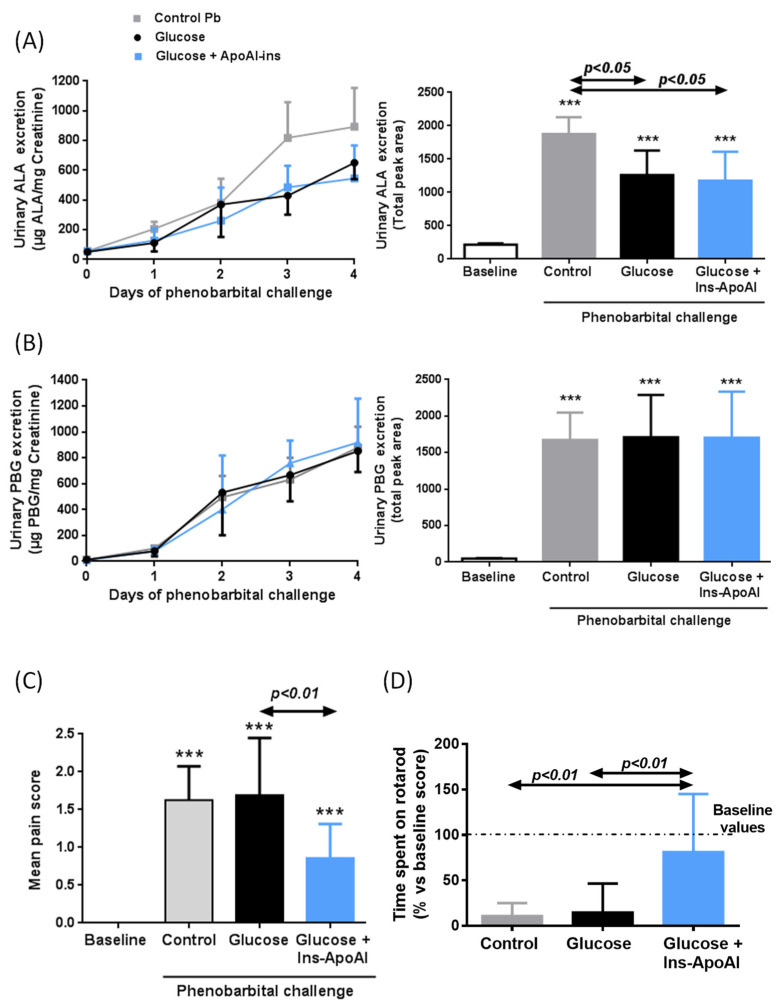
Acute porphyria attacks are associated with the strong up-regulation of hepatic heme synthesis and over-production of neurotoxic heme precursors. First-line therapy is based on carbohydrate loading. However, altered glucose homeostasis could affect its efficacy. Our first aim was to investigate the prevalence of insulin resistance (IR) in an observational case-control study including 44 Spanish patients with acute intermittent porphyria (AIP) and 55 age-, gender- and BMI-matched control volunteers. Eight patients (18.2%) and one control (2.3%, = 0.01) showed a high HOMA-IR index (cut-off ≥ 3.4). Patients with IR and hyperinsulinemia showed clinically stable disease. Thus, the second aim was to evaluate the effect of the co-administration of glucose and a fast-acting or new liver-targeted insulin (the fusion protein of insulin and apolipoprotein A-I, Ins-ApoAI) in AIP mice. The combination of glucose and the Ins-ApoAI promoted partial but sustained protection against hepatic heme synthesis up-regulation compared with glucose alone or co-injected with fast-acting insulin. In a prevention study, Ins-ApoAI improved symptoms associated with a phenobarbital-induced attack but maintained high porphyrin precursor excretion, probably due to the induction of hepatic mitochondrial biogenesis mediated by apolipoprotein A-I. In conclusion, a high prevalence of IR and hyperinsulinemia was observed in patients with AIP. The experimental data provide proof-of-concept for liver-targeted insulin as a way of enhancing glucose therapy for AIP.
急性卟啉病发作与肝脏血红素合成的强烈上调及神经毒性血红素前体的过度产生有关。一线治疗基于碳水化合物负荷。然而,葡萄糖稳态的改变可能会影响其疗效。我们的首要目标是在一项观察性病例对照研究中调查胰岛素抵抗(IR)的患病率,该研究纳入了44名西班牙急性间歇性卟啉病(AIP)患者和55名年龄、性别及体重指数匹配的对照志愿者。8名患者(18.2%)和1名对照(2.3%,P = 0.01)的稳态模型评估胰岛素抵抗(HOMA-IR)指数较高(临界值≥3.4)。存在IR和高胰岛素血症的患者临床疾病稳定。因此,第二个目标是评估葡萄糖与速效或新型肝脏靶向胰岛素(胰岛素与载脂蛋白A-I的融合蛋白,Ins-ApoAI)联合给药对AIP小鼠的影响。与单独使用葡萄糖或与速效胰岛素联合注射相比,葡萄糖与Ins-ApoAI的联合使用对肝脏血红素合成上调起到了部分但持续的保护作用。在一项预防研究中,Ins-ApoAI改善了与苯巴比妥诱导的发作相关的症状,但卟啉前体排泄仍维持在较高水平,这可能是由于载脂蛋白A-I介导的肝脏线粒体生物发生的诱导所致。总之,在AIP患者中观察到IR和高胰岛素血症的高患病率。实验数据为肝脏靶向胰岛素作为增强AIP葡萄糖治疗的一种方法提供了概念验证。