Roy Swarup, Kim Hyun Chan, Panicker Pooja S, Rhim Jong-Whan, Kim Jaehwan
CRC for Nanocellulose Future Composites, Inha University, Incheon 22212, Korea.
Bio-Nanocomposite Research Center, Department of Food and Nutrition, Kyung Hee University, Seoul 02447, Korea.
Nanomaterials (Basel). 2021 Mar 30;11(4):877. doi: 10.3390/nano11040877.
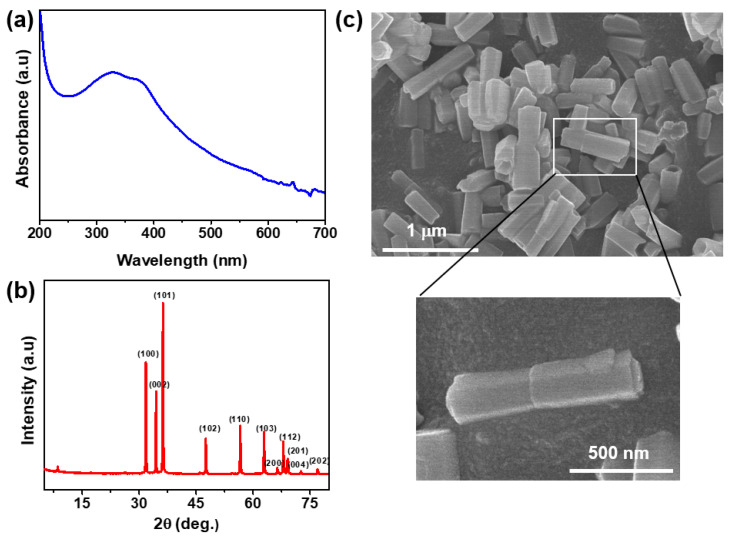
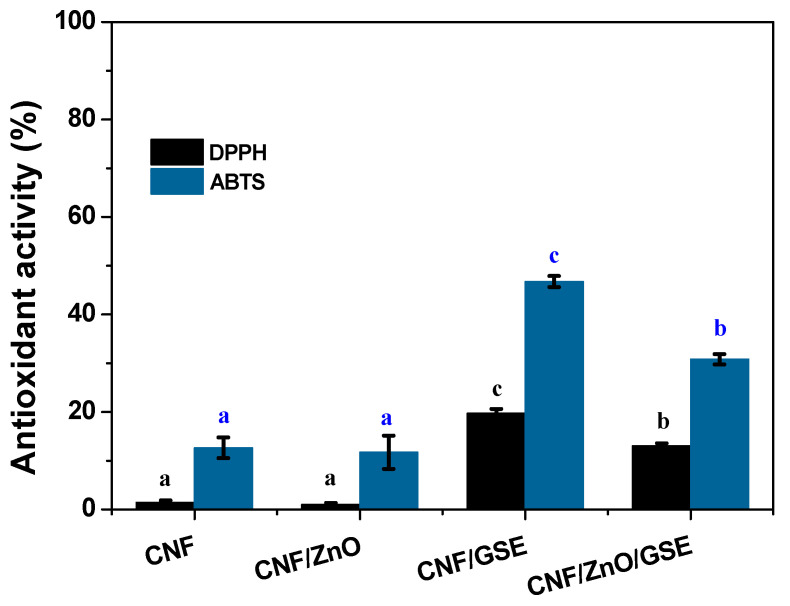
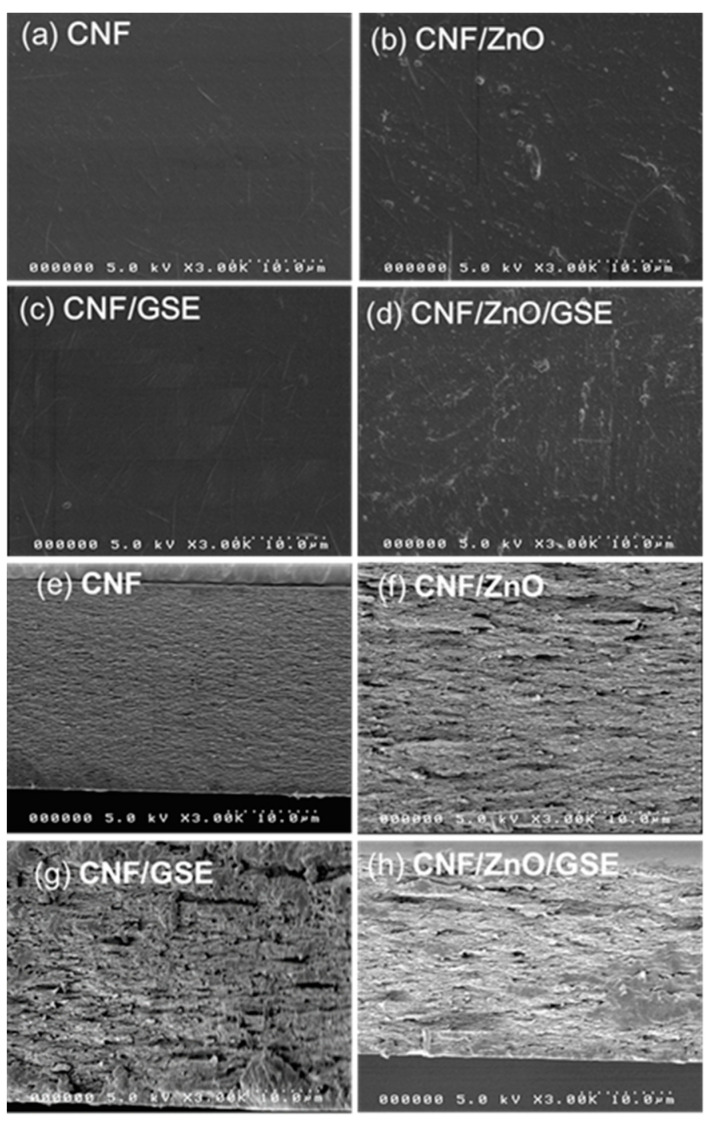
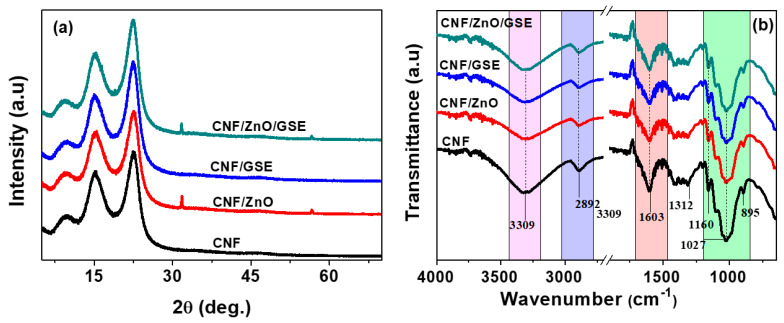
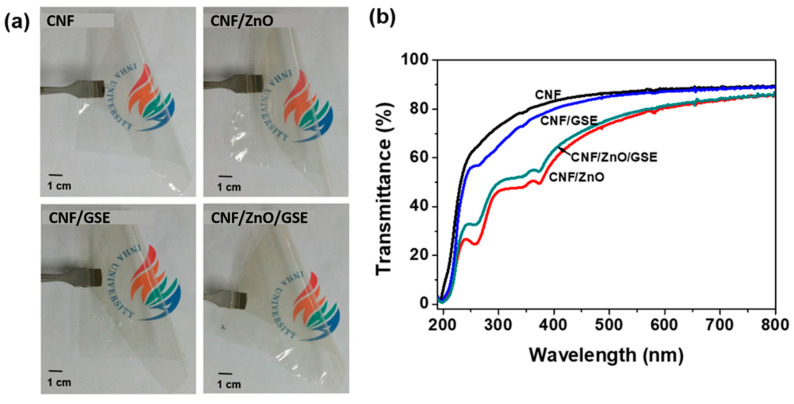
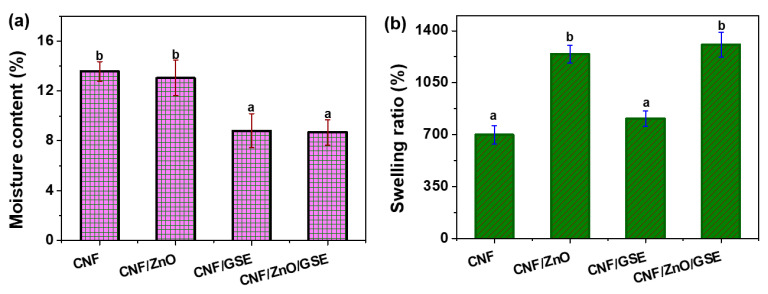
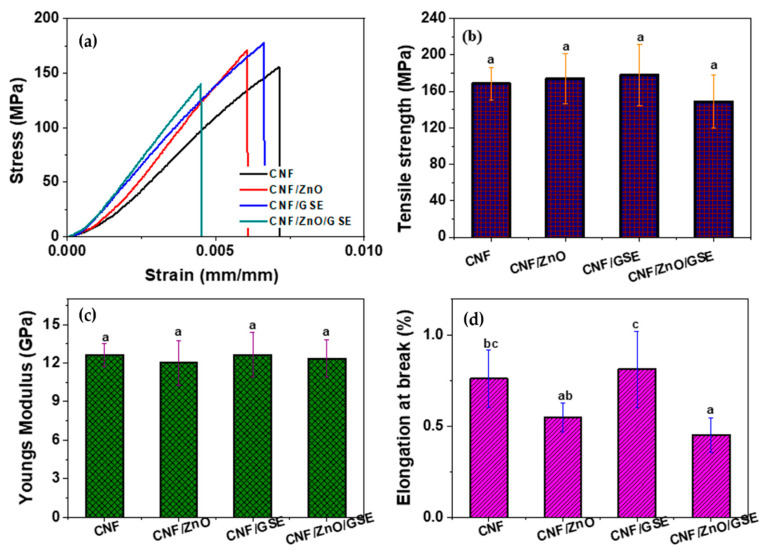
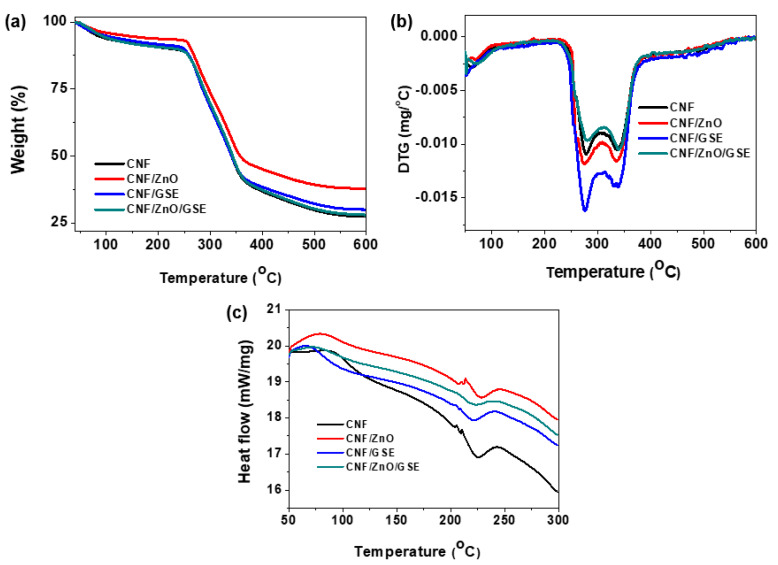
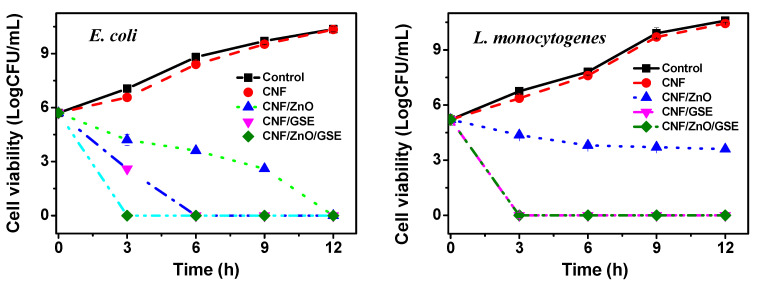
Here, we report the fabrication and characterization of cellulose nanofiber (CNF)-based nanocomposite films reinforced with zinc oxide nanorods (ZnOs) and grapefruit seed extract (GSE). The CNF is isolated via a combination of chemical and physical methods, and the ZnO is prepared using a simple precipitation method. The ZnO and GSE are used as functional nanofillers to produce a CNF/ZnO/GSE film. Physical (morphology, chemical interactions, optical, mechanical, thermal stability, etc.) and functional (antimicrobial and antioxidant activities) film properties are tested. The incorporation of ZnO and GSE does not impact the crystalline structure, mechanical properties, or thermal stability of the CNF film. Nanocomposite films are highly transparent with improved ultraviolet blocking and vapor barrier properties. Moreover, the films exhibit effective antimicrobial and antioxidant actions. CNF/ZnO/GSE nanocomposite films with better quality and superior functional properties have many possibilities for active food packaging use.
在此,我们报告了用氧化锌纳米棒(ZnOs)和葡萄柚籽提取物(GSE)增强的纤维素纳米纤维(CNF)基纳米复合薄膜的制备与表征。通过化学和物理方法相结合来分离CNF,并用简单的沉淀法制备ZnO。ZnO和GSE用作功能性纳米填料以制备CNF/ZnO/GSE薄膜。测试了薄膜的物理性能(形态、化学相互作用、光学、机械、热稳定性等)和功能性能(抗菌和抗氧化活性)。ZnO和GSE的加入不会影响CNF薄膜的晶体结构、机械性能或热稳定性。纳米复合薄膜具有高透明度,同时具有改善的紫外线阻隔和防潮性能。此外,这些薄膜还表现出有效的抗菌和抗氧化作用。具有更好质量和优异功能性能的CNF/ZnO/GSE纳米复合薄膜在活性食品包装应用方面有诸多可能性。