
TNB-486 在 B-NHL 的临床前模型中可诱导强烈的肿瘤细胞细胞毒性,并伴有低细胞因子释放。
TNB-486 induces potent tumor cell cytotoxicity coupled with low cytokine release in preclinical models of B-NHL.
机构信息
Teneobio, Inc., Newark, CA, United States.
Graduate Program in Cancer Biology and Genomics, Keck School of Medicine, University of Southern California, Los Angeles, CA, United States.
出版信息
MAbs. 2021 Jan-Dec;13(1):1890411. doi: 10.1080/19420862.2021.1890411.
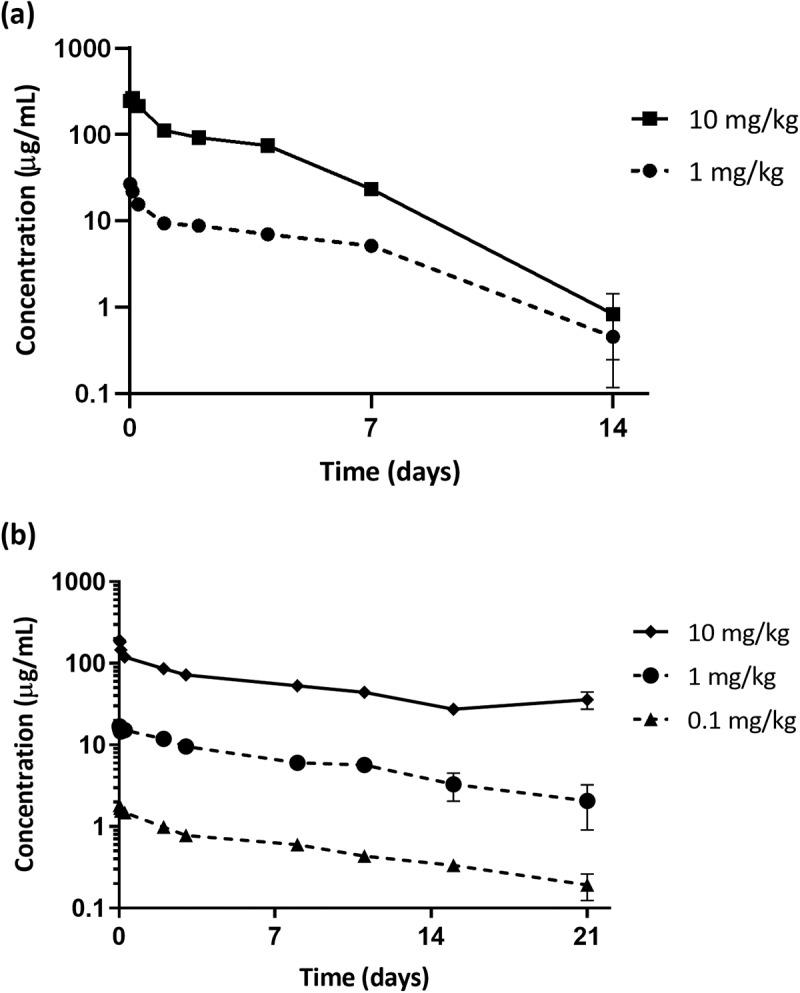
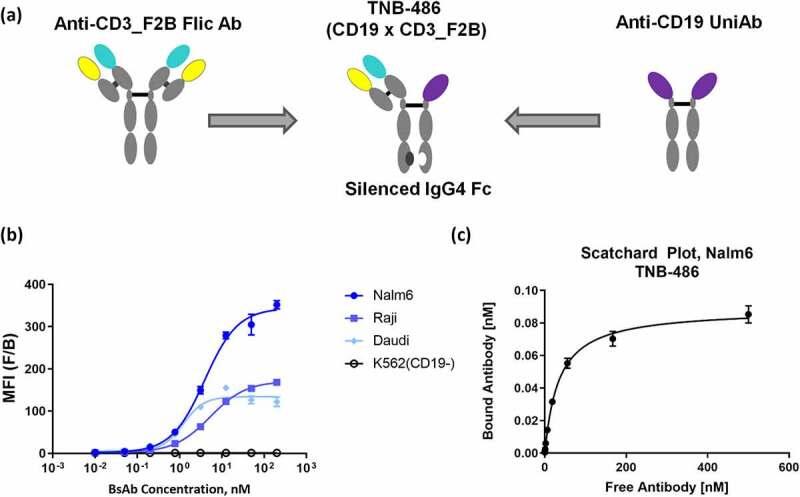
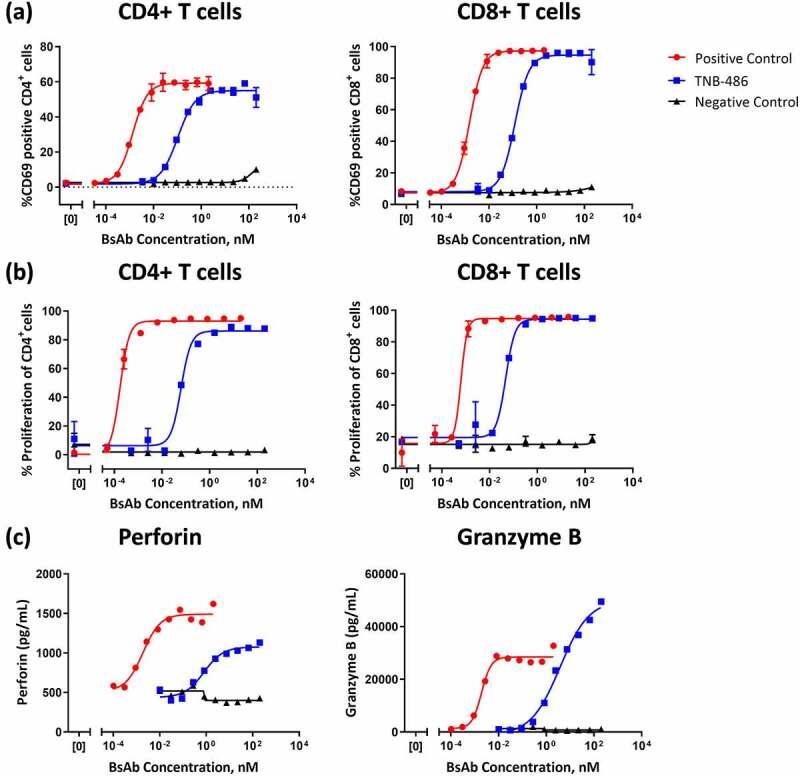
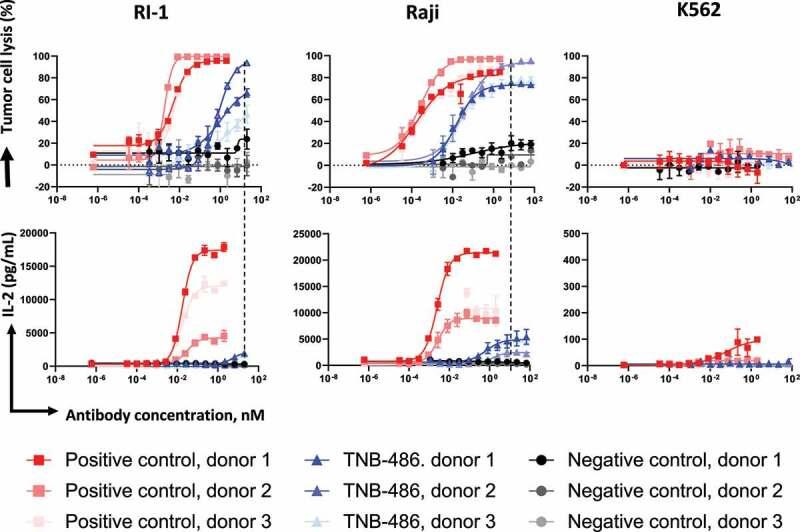
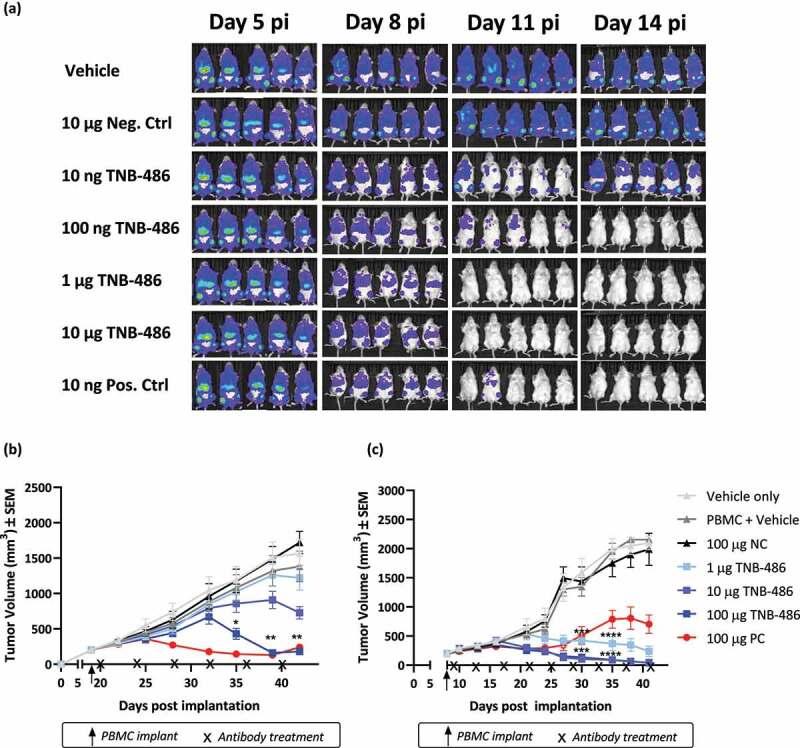
The therapeutic potential of targeting CD19 in B cell malignancies has garnered attention in the past decade, resulting in the introduction of novel immunotherapy agents. Encouraging clinical data have been reported for T cell-based targeting agents, such as anti-CD19/CD3 bispecific T-cell engager blinatumomab and chimeric antigen receptor (CAR)-T therapies, for acute lymphoblastic leukemia and B cell non-Hodgkin lymphoma (B-NHL). However, clinical use of both blinatumomab and CAR-T therapies has been limited due to unfavorable pharmacokinetics (PK), significant toxicity associated with cytokine release syndrome and neurotoxicity, and manufacturing challenges. We present here a fully human CD19xCD3 bispecific antibody (TNB-486) for the treatment of B-NHL that could address the limitations of the current approved treatments. In the presence of CD19+ target cells and T cells, TNB-486 induces tumor cell lysis with minimal cytokine release, when compared to a positive control. , TNB-486 clears CD19+ tumor cells in immunocompromised mice in the presence of human peripheral blood mononuclear cells in multiple models. Additionally, the PK of TNB-486 in mice or cynomolgus monkeys is similar to conventional antibodies. This new T cell engaging bispecific antibody targeting CD19 represents a novel therapeutic that induces potent T cell-mediated tumor-cell cytotoxicity uncoupled from high levels of cytokine release, making it an attractive candidate for B-NHL therapy.
在过去的十年中,针对 B 细胞恶性肿瘤中 CD19 的治疗潜力引起了关注,导致了新型免疫治疗药物的问世。已经报道了基于 T 细胞的靶向药物的令人鼓舞的临床数据,例如抗 CD19/CD3 双特异性 T 细胞衔接蛋白blinatumomab 和嵌合抗原受体(CAR)-T 疗法,用于治疗急性淋巴细胞白血病和 B 细胞非霍奇金淋巴瘤(B-NHL)。然而,blinatumomab 和 CAR-T 疗法的临床应用受到限制,原因是药代动力学(PK)不佳、与细胞因子释放综合征和神经毒性相关的毒性较大以及制造方面的挑战。我们在此介绍了一种用于治疗 B-NHL 的完全人源 CD19xCD3 双特异性抗体(TNB-486),它可以解决当前批准的治疗方法的局限性。与阳性对照相比,在存在 CD19+靶细胞和 T 细胞的情况下,TNB-486 诱导肿瘤细胞裂解,同时释放的细胞因子较少。TNB-486 在多种模型中,在存在人外周血单核细胞的情况下,可清除免疫功能低下的小鼠中的 CD19+肿瘤细胞。此外,TNB-486 在小鼠或食蟹猴中的 PK 与常规抗体相似。这种针对 CD19 的新型 T 细胞结合双特异性抗体代表了一种新的治疗方法,可诱导与高水平细胞因子释放脱钩的强大 T 细胞介导的肿瘤细胞细胞毒性,使其成为 B-NHL 治疗的有吸引力的候选药物。

 Zotero 插件