Abdullahi Auwal, Truijen Steven, Umar Naima A, Useh Ushotanefe, Egwuonwu Victor A, Van Criekinge Tamaya, Saeys Wim
Neurological Rehabilitation Unit, Department of Physiotherapy, Bayero University Kano, Kano, Nigeria.
Department of Rehabilitation Sciences and Physiotherapy, University of Antwerp, Wilrijk, Belgium.
Front Neurol. 2021 Mar 23;12:638904. doi: 10.3389/fneur.2021.638904. eCollection 2021.
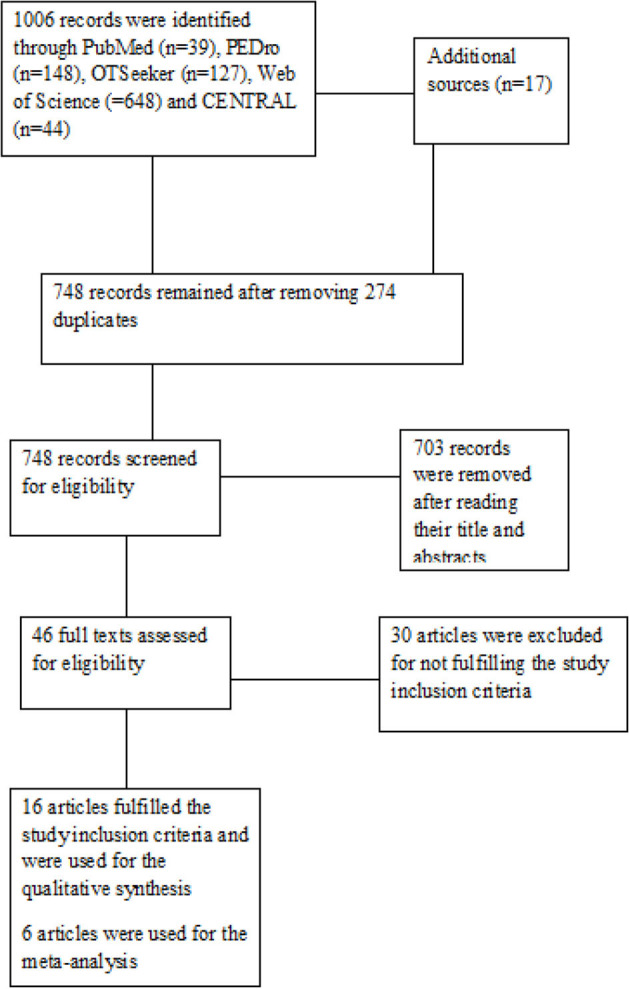
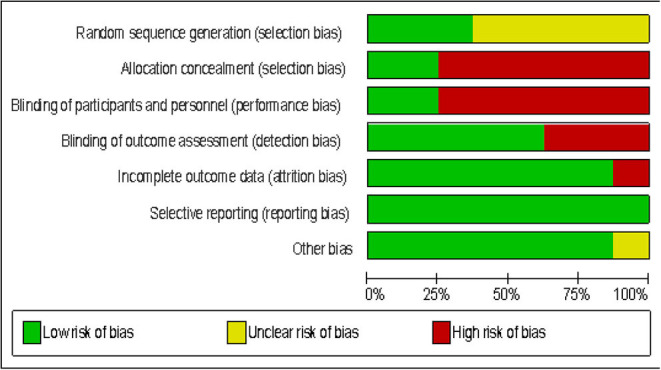
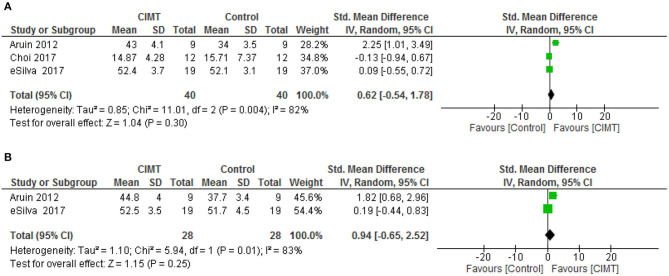
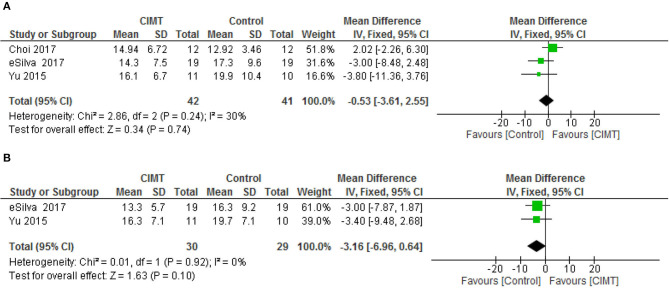
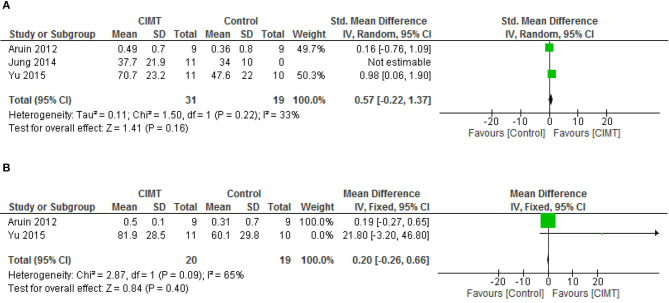
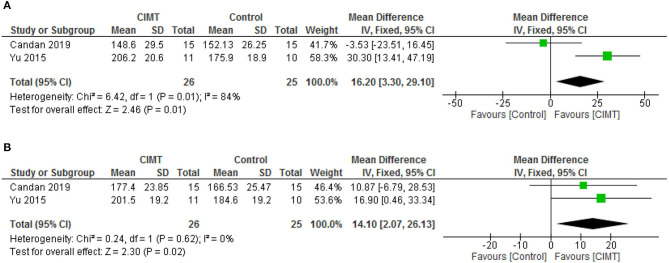
Constraint induced movement therapy (CIMT) is effective at improving upper limb outcomes after stroke. The aim of this study was to carry out a systematic review and meta-analysis of the effects of lower limb CIMT studies of any design in people with stroke. PubMED, PEDro, OTSeeker, CENTRAL, and Web of Science were searched from their earliest dates to February 2021. Lower limbs CIMT studies that measured outcomes at baseline and post-intervention were selected. Sample size, mean, and standard deviation on the outcomes of interest and the protocols of both the experimental and control groups were extracted. McMaster Critical Review Form was used to assess the methodological quality of the studies. Sixteen studies with different designs were included in this review. The result showed that lower limb CIMT improves functional, physiological and person's reported outcomes including motor function, balance, mobility, gait speed, oxygen uptake, exertion before and after commencement of activities, knee extensor spasticity, weight bearing, lower limb kinematics and quality of life in people with stroke post intervention. However, there were only significant differences in quality of life in favor of CIMT post-intervention [mean difference (MD) = 16.20, 95% CI = 3.30-29.10, = 0.01]; and at follow-up [mean difference (MD) = 14.10, 95% CI = 2.07-26.13, = 0.02] between CIMT and the control group. Even for the quality of life, there was significant heterogeneity in the studies post intervention ( = 84%, = 0.01). Lower limb CIMT improves motor function, balance, functional mobility, gait speed, oxygen uptake, weigh bearing, lower limb kinematics, and quality of life. However, it is only superior to the control at improving quality of life after stroke based on the current literature.
强制性诱导运动疗法(CIMT)在改善中风后上肢功能方面具有显著效果。本研究旨在对任何设计的中风患者下肢CIMT研究效果进行系统评价和荟萃分析。检索了PubMed、PEDro、OTSeeker、CENTRAL和Web of Science数据库,检索时间从各数据库建库起至2021年2月。纳入了在基线和干预后测量结果的下肢CIMT研究。提取了感兴趣的结果的样本量、均值和标准差,以及实验组和对照组的方案。使用麦克马斯特批判性评价表来评估研究的方法学质量。本评价纳入了16项不同设计的研究。结果表明,下肢CIMT能改善中风患者干预后的功能、生理和患者报告的结果,包括运动功能、平衡、活动能力、步态速度、摄氧量、活动开始前后的用力程度、膝伸肌痉挛、负重、下肢运动学和生活质量。然而,仅在生活质量方面存在显著差异,干预后CIMT组优于对照组[平均差(MD)=16.20,95%置信区间(CI)=3.30 - 29.10,P = 0.01];随访时也是如此[平均差(MD)=14.10,95%置信区间(CI)=2.07 - 26.13,P = 0.02]。即使对于生活质量,干预后各研究之间也存在显著异质性(I² = 84%,P = 0.01)。下肢CIMT可改善运动功能、平衡、功能性活动能力、步态速度、摄氧量、负重、下肢运动学和生活质量。然而,根据目前的文献,在改善中风后的生活质量方面,它仅优于对照组。