Rafi Mohammad A, Luzi Paola, Wenger David A
Department of Neurology, Sidney Kimmel College of Medicine, Thomas Jefferson University, Philadelphia, PA 19107, USA.
Bioimpacts. 2021;11(2):135-146. doi: 10.34172/bi.2021.21. Epub 2021 Feb 26.
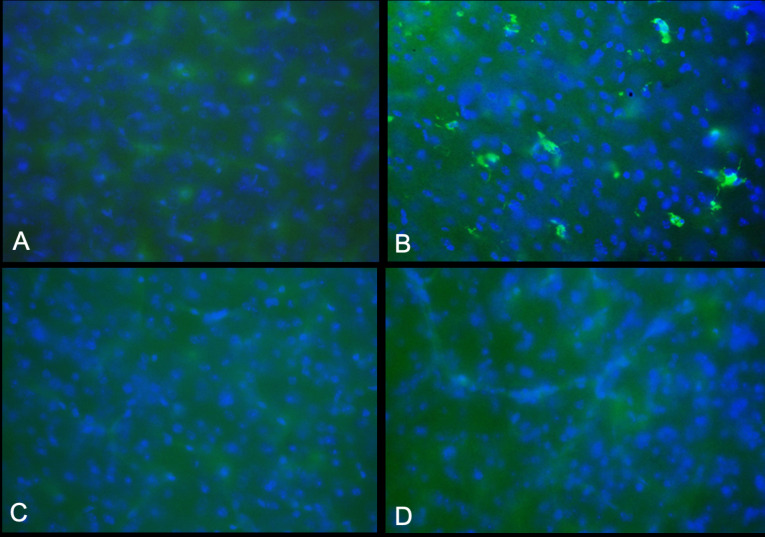
Krabbe disease (KD) is an autosomal recessive disorder caused by mutations in the galactocerebrosidase (GALC) gene resulting in neuro-inflammation and defective myelination in the central and peripheral nervous systems. Most infantile patients present with clinical features before six months of age and die before two years of age. The only treatment available for pre-symptomatic or mildly affected individuals is hematopoietic stem cell transplantation (HSCT). In the animal models, combining bone marrow transplantation (BMT) with gene therapy has shown the best results in disease outcome. In this study, we examine the outcome of gene therapy alone. Twitcher (twi) mice used in the study, have a W339X mutation in the GALC gene. Genotype identification of the mice was performed shortly after birth or post-natal day 1 (PND1), using polymerase chain reaction on the toe clips followed by restriction enzyme digestion and electrophoresis. Eight or nine-day-old affected mice were used for gene therapy treatment alone or combined with BMT. While iv injection of 4 × 10 gc/kg of body weight of viral vector was used originally, different viral titers were also used without BMT to evaluate their outcomes. When the standard viral dose was increased four- and ten-fold (4X and 10X) without BMT, the lifespans were increased significantly. Without BMT the affected mice were fertile, had the same weight and appearance as wild type mice and had normal strength and gait. The brains showed no staining for CD68, a marker for activated microglia/macrophages, and less astrogliosis than untreated twi mice. Our results demonstrate that, it may be possible to treat human KD patients with high dose AAVrh10 without blood stem cell transplantation which would eliminate the side effects of HSCT.
克拉伯病(KD)是一种常染色体隐性疾病,由半乳糖脑苷脂酶(GALC)基因突变引起,导致中枢和周围神经系统发生神经炎症和髓鞘形成缺陷。大多数婴儿患者在6个月大之前出现临床症状,并在2岁之前死亡。对于症状前或轻度受影响的个体,唯一可用的治疗方法是造血干细胞移植(HSCT)。在动物模型中,将骨髓移植(BMT)与基因治疗相结合在疾病治疗结果方面显示出最佳效果。在本研究中,我们单独研究基因治疗的结果。本研究中使用的抽搐(twi)小鼠在GALC基因中有一个W339X突变。在出生后不久或出生后第1天(PND1)对小鼠进行基因型鉴定,方法是对趾夹进行聚合酶链反应,然后进行限制性酶切和电泳。8或9天大的受影响小鼠单独接受基因治疗或与BMT联合治疗。虽然最初使用静脉注射4×10 gc/kg体重的病毒载体,但也使用了不同病毒滴度且不进行BMT以评估其结果。当在不进行BMT的情况下将标准病毒剂量增加4倍和10倍(4X和10X)时,小鼠寿命显著延长。在不进行BMT的情况下,受影响的小鼠可育,体重和外观与野生型小鼠相同,力量和步态正常。大脑中未显示出活化小胶质细胞/巨噬细胞标志物CD68的染色,且星形胶质细胞增生比未治疗的twi小鼠少。我们的结果表明,对于人类KD患者,有可能在不进行造血干细胞移植的情况下用高剂量AAVrh10进行治疗,这将消除HSCT的副作用。