Pang Zengyuan, Yildirim Erol, Pasquinelli Melissa A, Wei Qufu
Key Laboratory of Eco-Textiles, Ministry of Education, Jiangnan University, Wuxi 214122, Jiangsu, China.
Department of Chemistry, Middle East Technical University, 06800 Ankara, Turkey.
ACS Omega. 2021 Mar 22;6(13):8950-8957. doi: 10.1021/acsomega.0c06272. eCollection 2021 Apr 6.
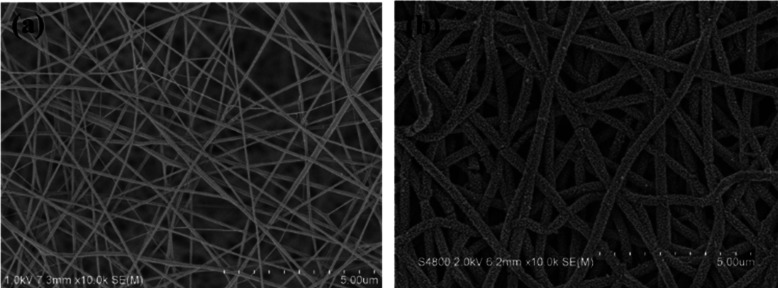
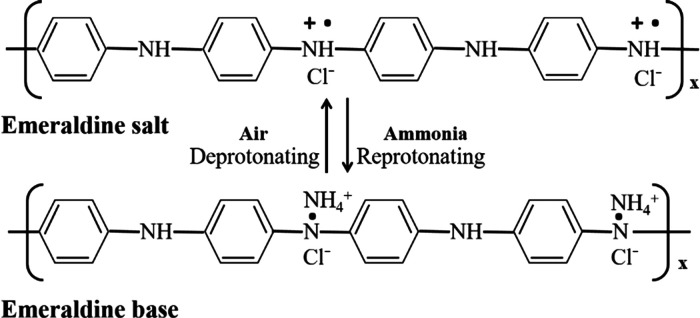
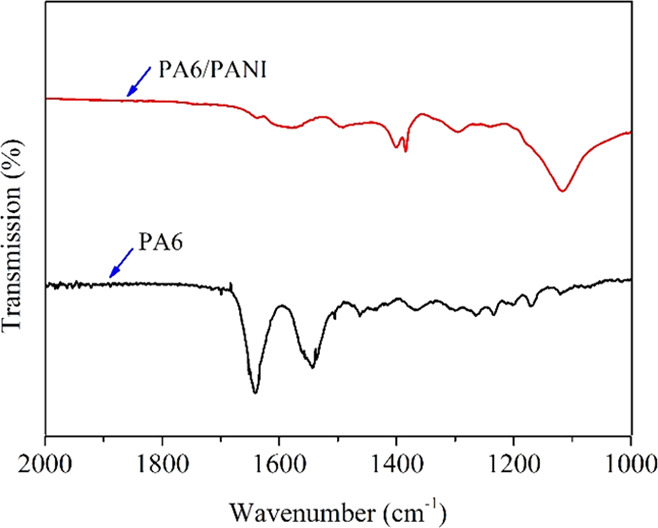
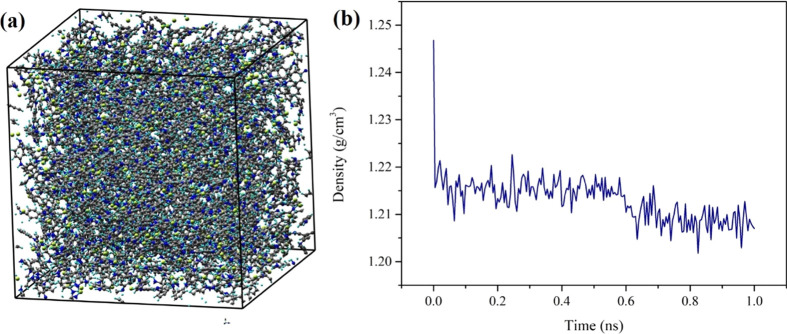
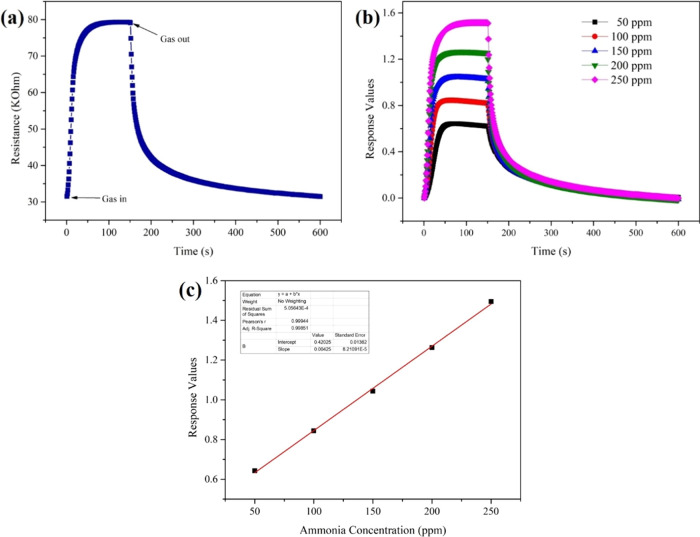
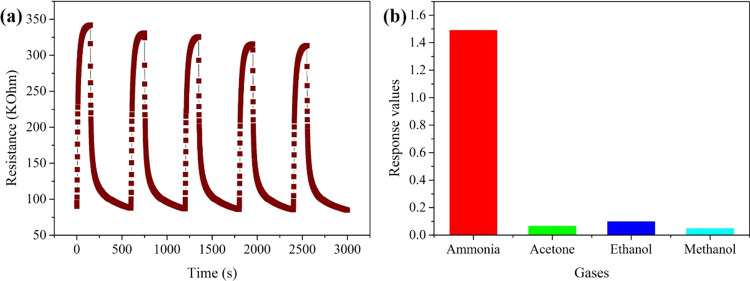
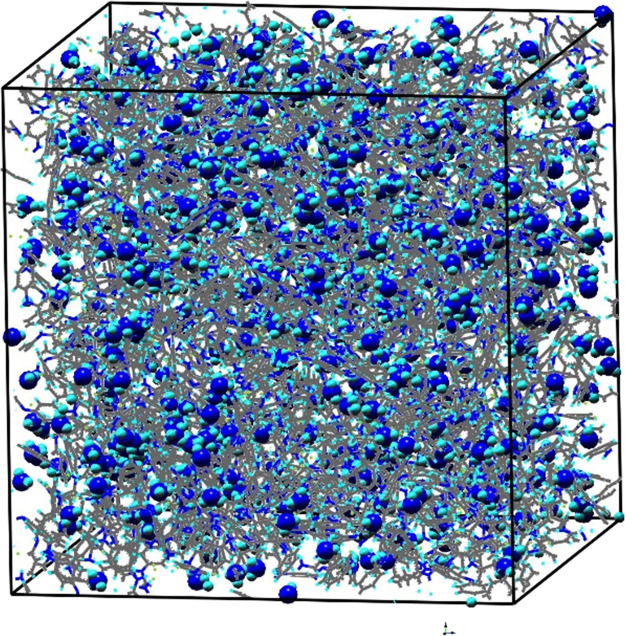
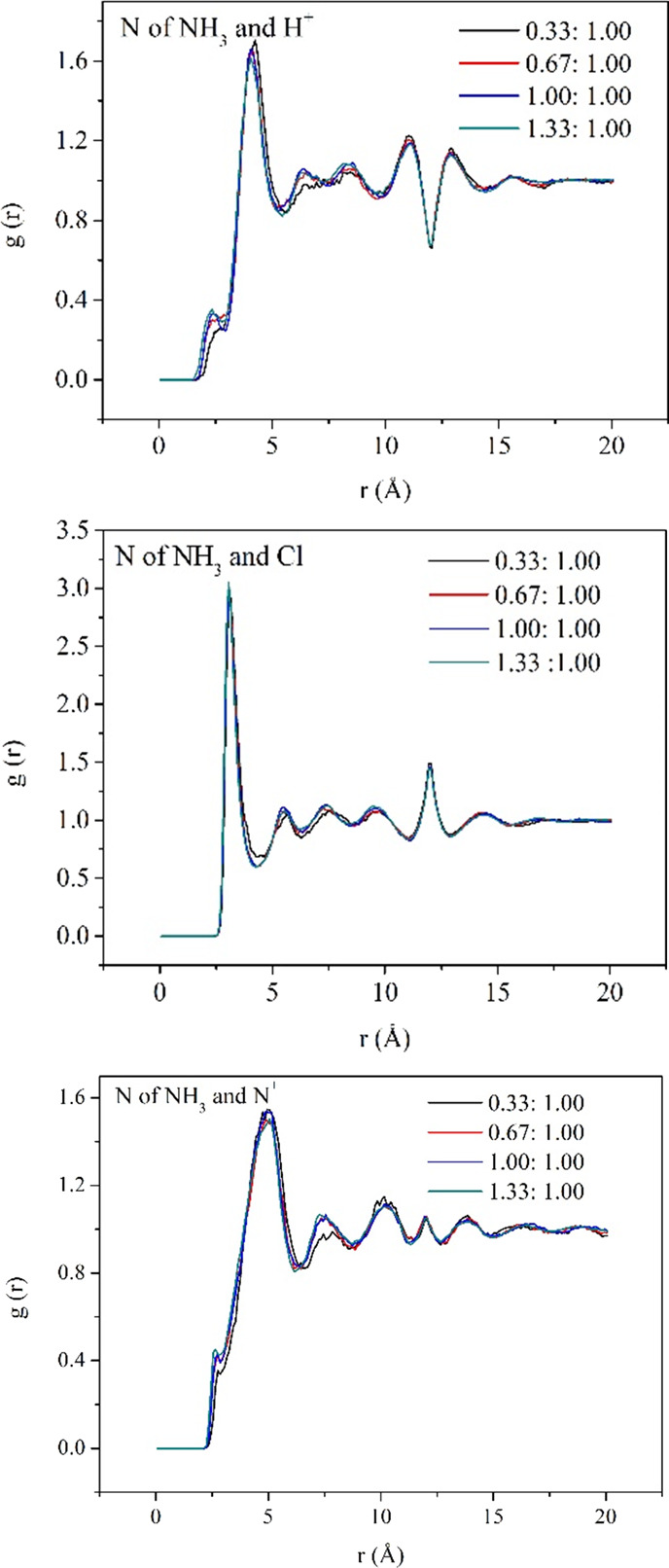
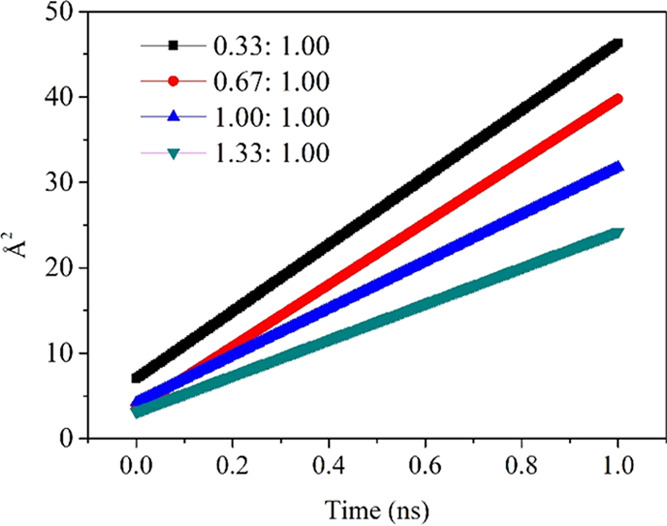
To understand the properties of polyaniline (PANI), aim gas, and the interaction between them in PANI-based gas sensors and help us to design sensors with better properties, direct calculations with molecular dynamics (MD) simulations were done in this work. Polyamide 6/polyaniline (PA6/PANI) nanofiber ammonia gas sensors were studied as an example here, and the structural, morphological, and ammonia sensing properties (to 50-250 ppm ammonia) of PA6/PANI nanofibers were tested and evaluated by scanning electron microscopy, Fourier transform infrared spectroscopy, and a homemade test system. The PA6/PANI nanofibers were prepared by in situ polymerization of aniline with electrospun PA6 nanofibers as templates and hydrochloric acid (HCl) as a doping agent for PANI, and the sensors show rapid response, ideal selectivity, and acceptable repeatability. Then, complementary molecular dynamics simulations were performed to understand how ammonia molecules interact with HCl-doped PANI chains, thus providing insights into the molecular-level details of the ammonia sensing performances of this system. Results of the radial distribution functions and mean square displacement analysis of the MD simulations were consistent with the dedoping mechanism of the PANI chains.
为了解聚苯胺(PANI)、目标气体的性质以及它们在基于聚苯胺的气体传感器中的相互作用,并帮助我们设计出性能更优的传感器,本研究采用分子动力学(MD)模拟进行直接计算。本文以聚酰胺6/聚苯胺(PA6/PANI)纳米纤维氨气传感器为例,通过扫描电子显微镜、傅里叶变换红外光谱和自制测试系统对PA6/PANI纳米纤维的结构、形态和氨气传感性能(针对50 - 250 ppm氨气)进行了测试和评估。以静电纺丝PA6纳米纤维为模板,盐酸(HCl)为聚苯胺的掺杂剂,通过苯胺原位聚合制备了PA6/PANI纳米纤维,该传感器具有快速响应、理想的选择性和可接受的重复性。然后,进行了补充分子动力学模拟,以了解氨分子如何与HCl掺杂的聚苯胺链相互作用,从而深入了解该系统氨气传感性能的分子水平细节。MD模拟的径向分布函数和均方位移分析结果与聚苯胺链的去掺杂机制一致。