Birch Johnny, Khan Sanaullah, Madsen Mikkel, Kjeldsen Christian, Møller Marie Sofie, Stender Emil G P, Peters Günther H J, Duus Jens Ø, Kragelund Birthe B, Svensson Birte
Enzyme and Protein Chemistry, Department of Biotechnology and Biomedicine, Technical University of Denmark, Søltofts Plads, Building 224, DK-2800 Kgs. Lyngby, Denmark.
NMR Spectroscopy, Department of Chemistry, Technical University of Denmark, Kemitorvet 207, DK-2800 Kgs. Lyngby, Denmark.
ACS Omega. 2021 Mar 23;6(13):9039-9052. doi: 10.1021/acsomega.1c00060. eCollection 2021 Apr 6.
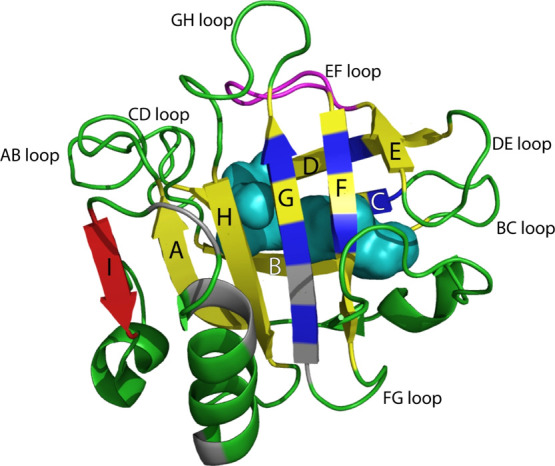
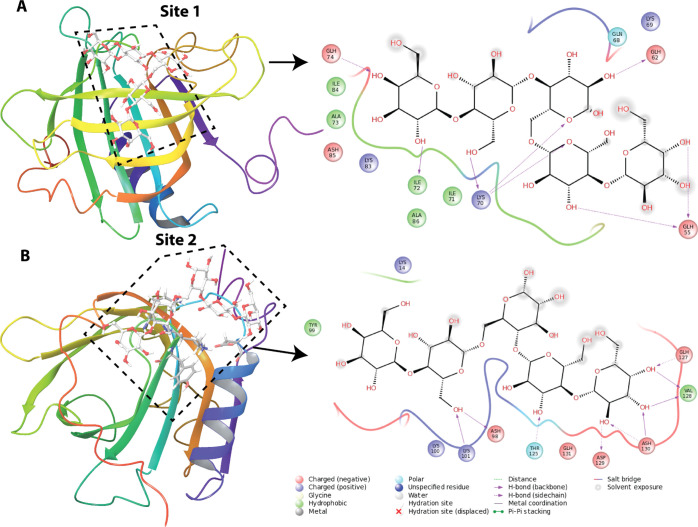
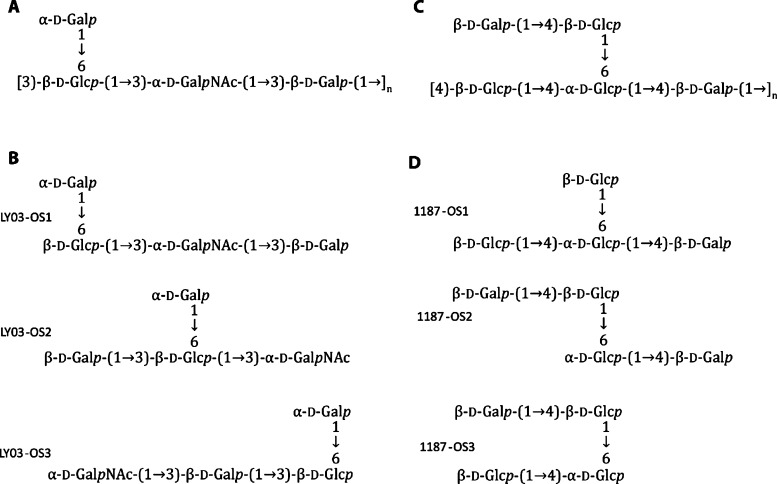
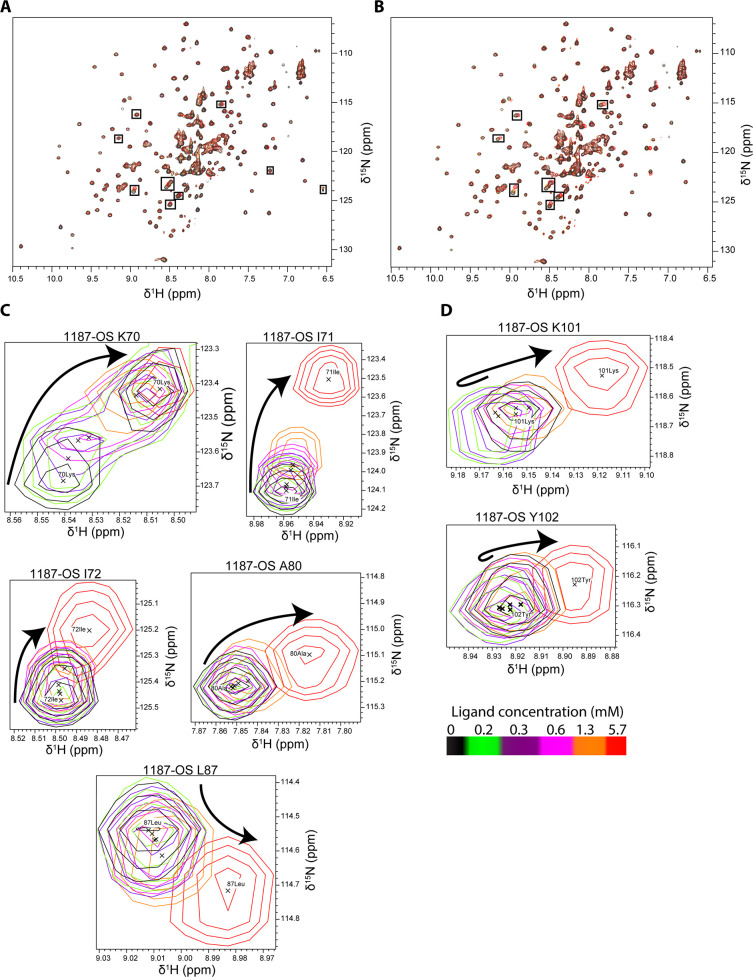
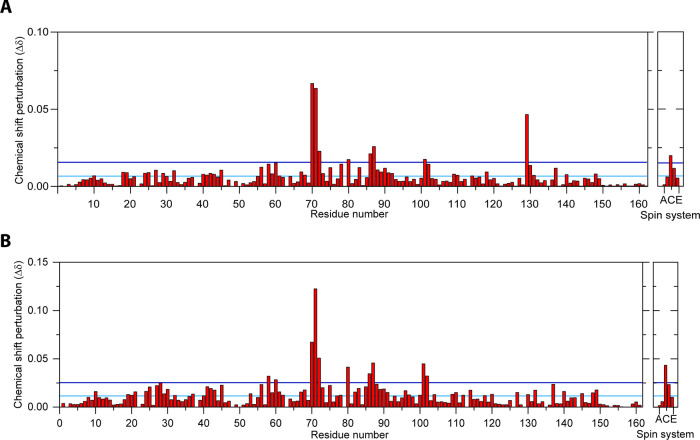
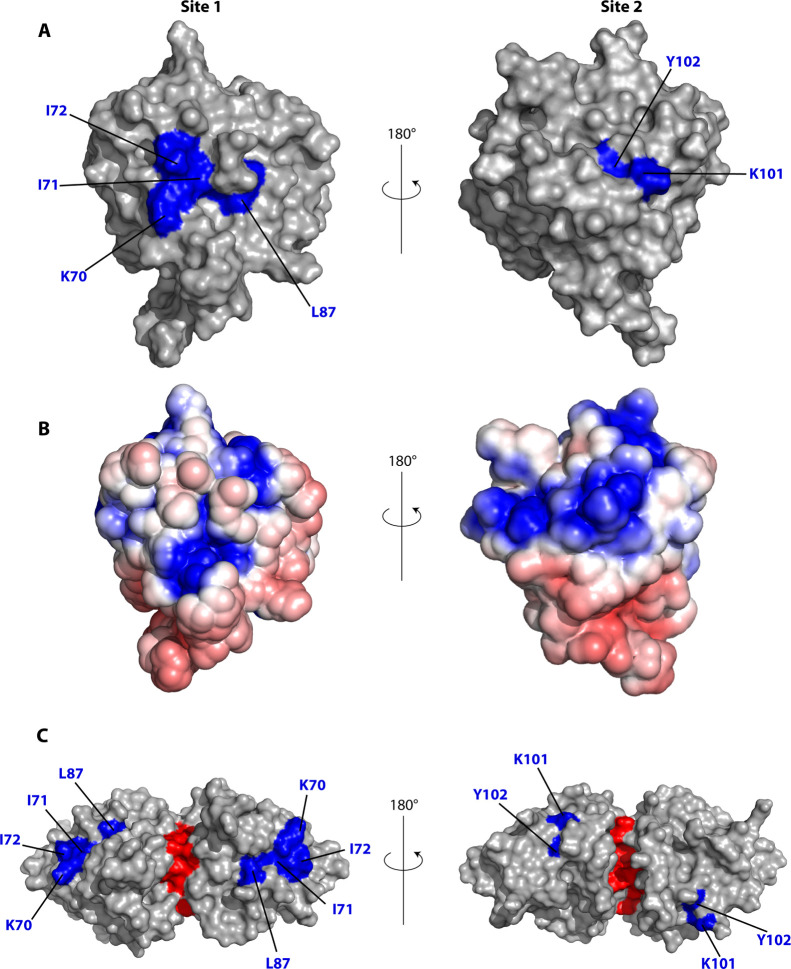
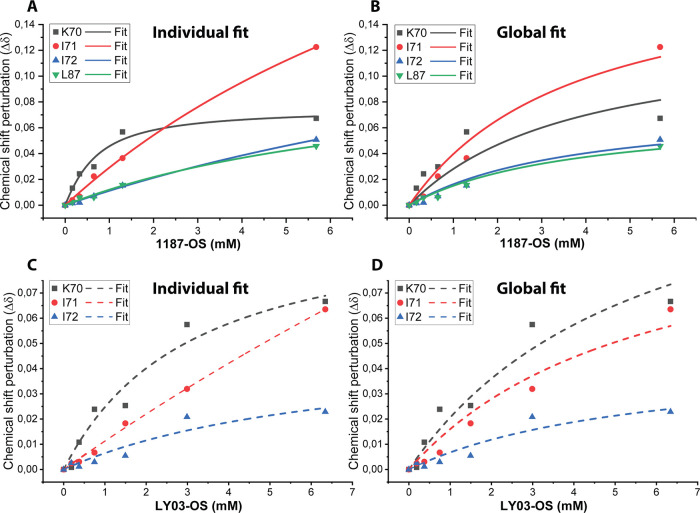
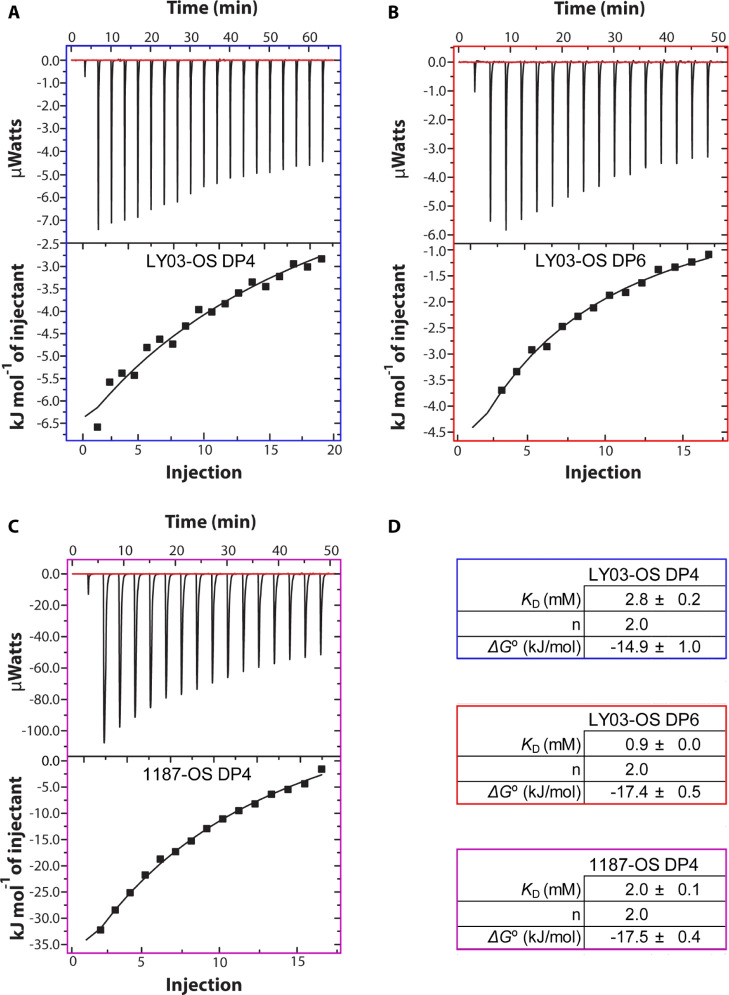
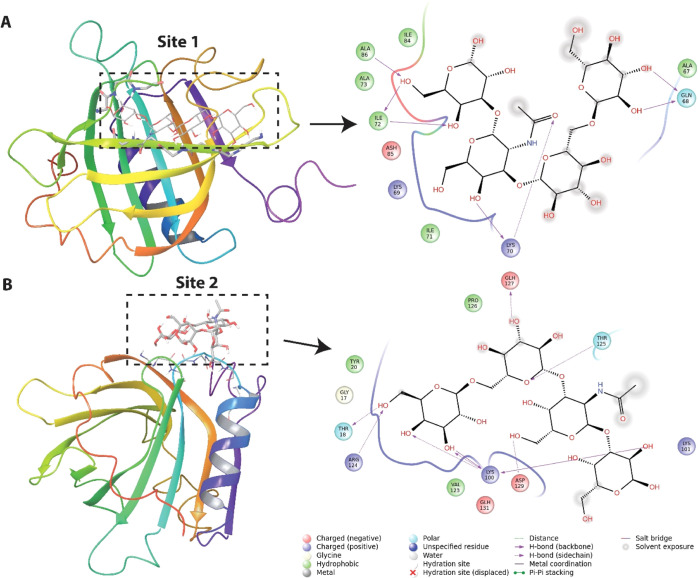
Lactic acid bacterial exopolysaccharides (EPS) are used in the food industry to improve the stability and rheological properties of fermented dairy products. β-Lactoglobulin (BLG), the dominant whey protein in bovine milk, is well known to bind small molecules such as fatty acids, vitamins, and flavors, and to interact with neutral and anionic polysaccharides used in food and pharmaceuticals. While sparse data are available on the affinity of EPS-milk protein interactions, structural information on BLG-EPS complexes, including the EPS binding sites, is completely lacking. Here, binding sites on BLG variant A (BLGA), for oligosaccharides prepared by mild acid hydrolysis of two EPS produced by LY03 and ssp. bulgaricus CNRZ 1187, respectively, are identified by NMR spectroscopy and supplemented by isothermal titration calorimetry (ITC) and molecular docking of complexes. Evidence of two binding sites (site 1 and site 2) on the surface of BLGA is achieved for both oligosaccharides (LY03-OS and 1187-OS) through NMR chemical shift perturbations, revealing multivalency of BLGA for EPS. The affinities of LY03-OS and 1187-OS for BLGA gave values in the mM range obtained by both NMR (pH 2.65) and ITC (pH 4.0). Molecular docking suggested that the BLGA and EPS complexes depend on hydrogen bonds and hydrophobic interactions. The findings provide insights into how BLGA engages structurally different EPS-derived oligosaccharides, which may facilitate the design of BLG-EPS complexation, of relevance for formulation of dairy products and improve understanding of BLGA coacervation.
乳酸菌胞外多糖(EPS)在食品工业中用于改善发酵乳制品的稳定性和流变学性质。β-乳球蛋白(BLG)是牛乳中主要的乳清蛋白,众所周知它能结合脂肪酸、维生素和风味物质等小分子,并与食品和药品中使用的中性及阴离子多糖相互作用。虽然关于EPS与乳蛋白相互作用亲和力的数据稀少,但关于BLG-EPS复合物的结构信息,包括EPS结合位点,却完全缺失。在此,通过核磁共振光谱法鉴定了BLG变体A(BLGA)上与分别由LY03和嗜热链球菌CNRZ 1187产生的两种EPS经温和酸水解制备的寡糖的结合位点,并辅以等温滴定量热法(ITC)和复合物的分子对接。通过核磁共振化学位移扰动,对于两种寡糖(LY03-OS和1187-OS)均获得了BLGA表面存在两个结合位点(位点1和位点2)的证据,揭示了BLGA对EPS的多价性。LY03-OS和1187-OS与BLGA的亲和力在通过核磁共振(pH 2.65)和ITC(pH 4.0)获得的毫摩尔范围内。分子对接表明,BLGA与EPS复合物依赖于氢键和疏水相互作用。这些发现为BLGA如何与结构不同的EPS衍生寡糖结合提供了见解,这可能有助于设计BLG-EPS络合,对乳制品配方具有相关性,并有助于增进对BLGA凝聚的理解。