Department of Developmental and Cell Biology, School of Biological Sciences, University of California Irvine, Irvine, California, USA.
Department of Microbiology & Molecular Genetics, School of Medicine, University of California Irvine, Irvine, California, USA.
mBio. 2021 Apr 13;12(2):e00588-21. doi: 10.1128/mBio.00588-21.
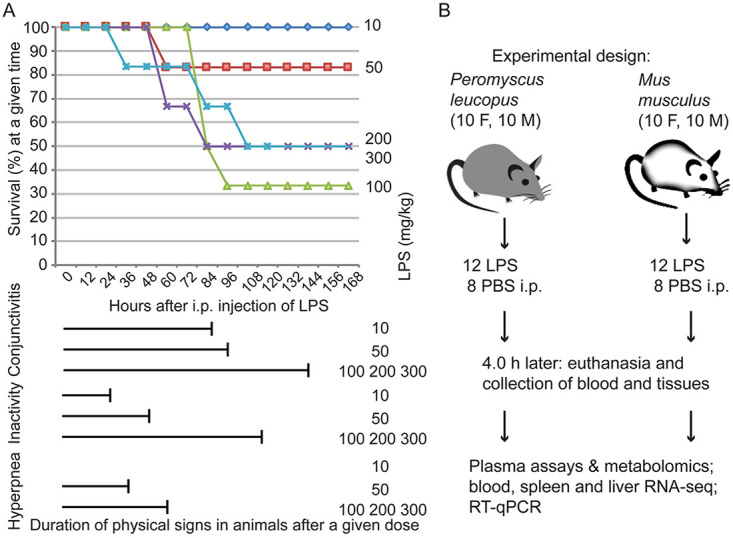
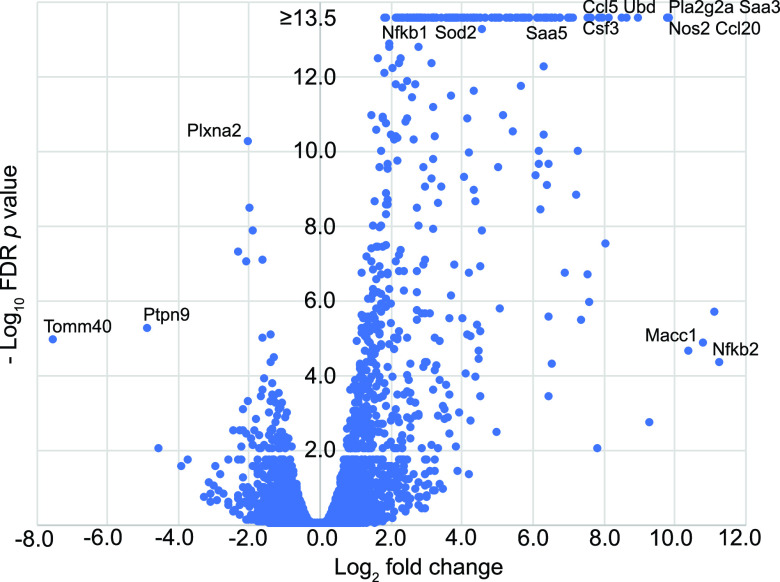
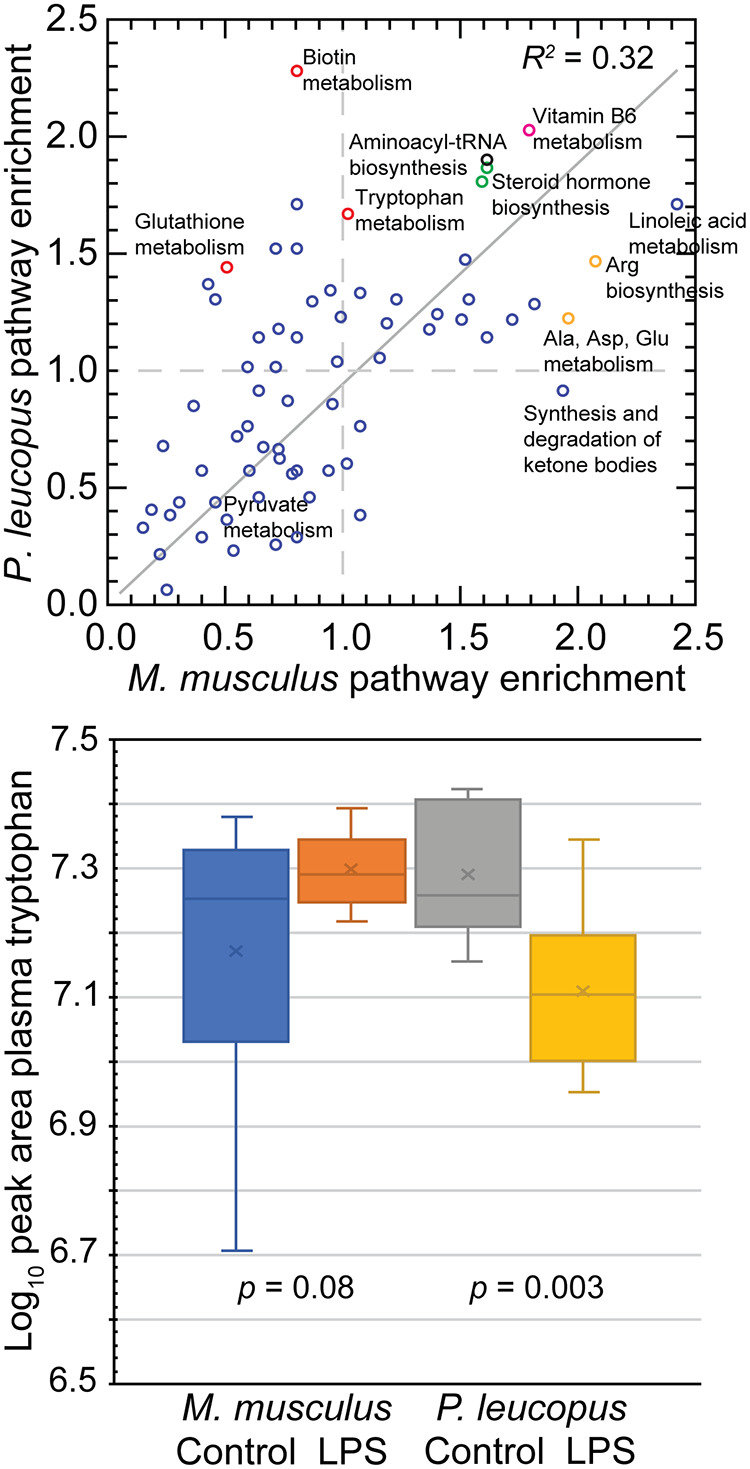
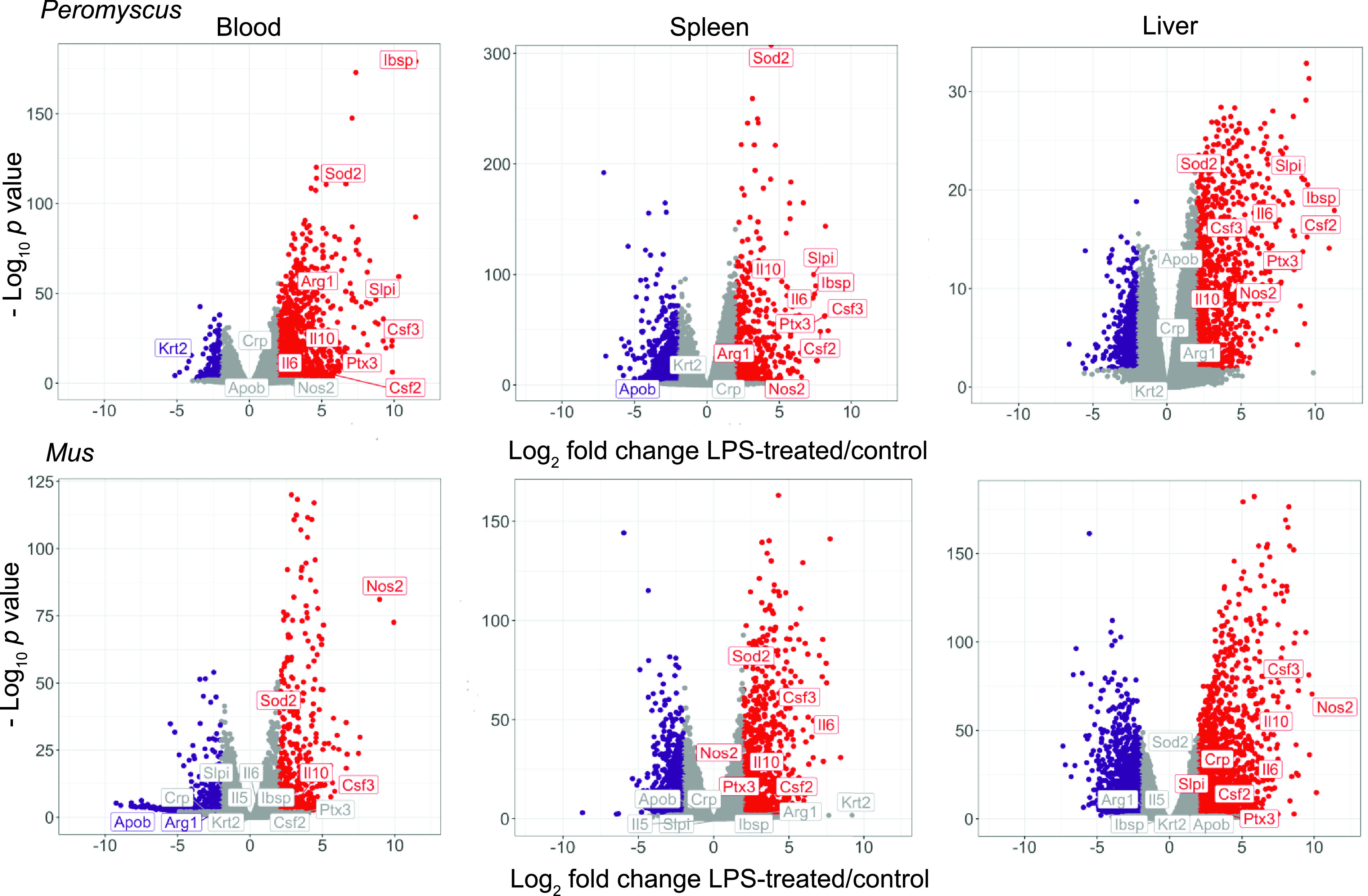
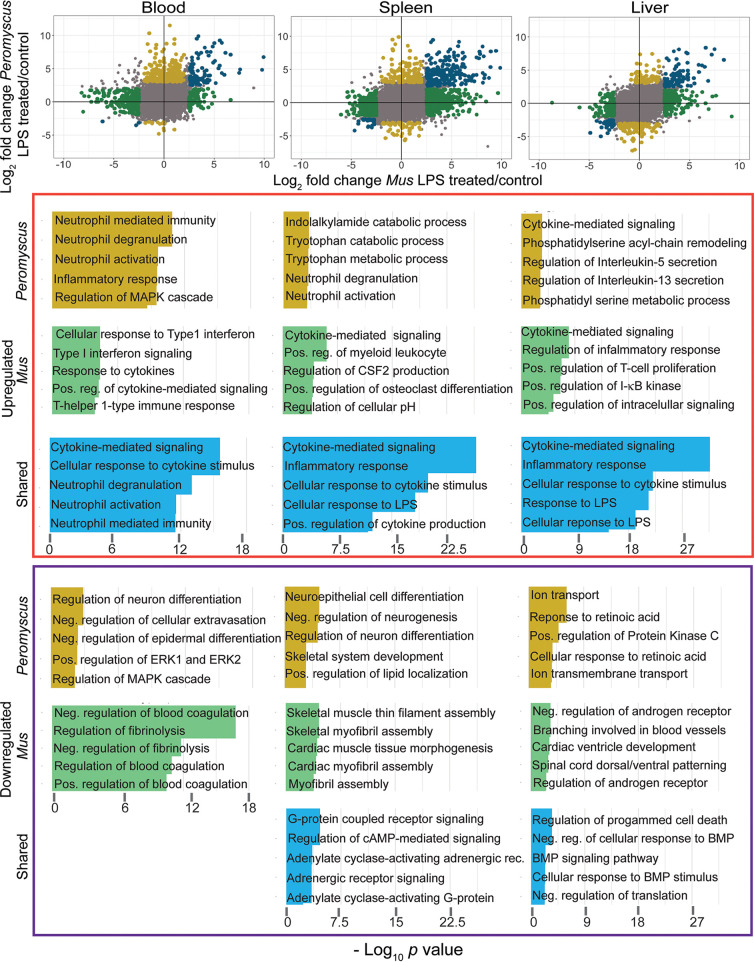
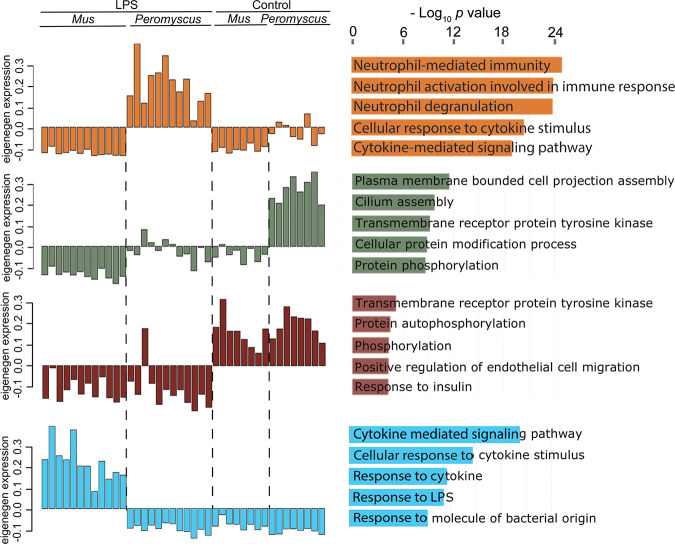
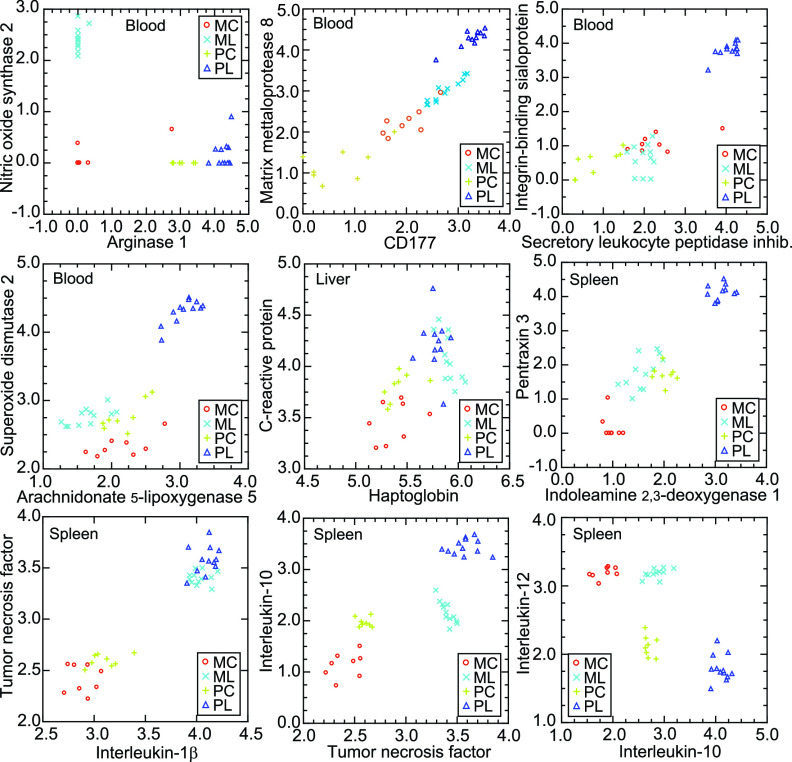
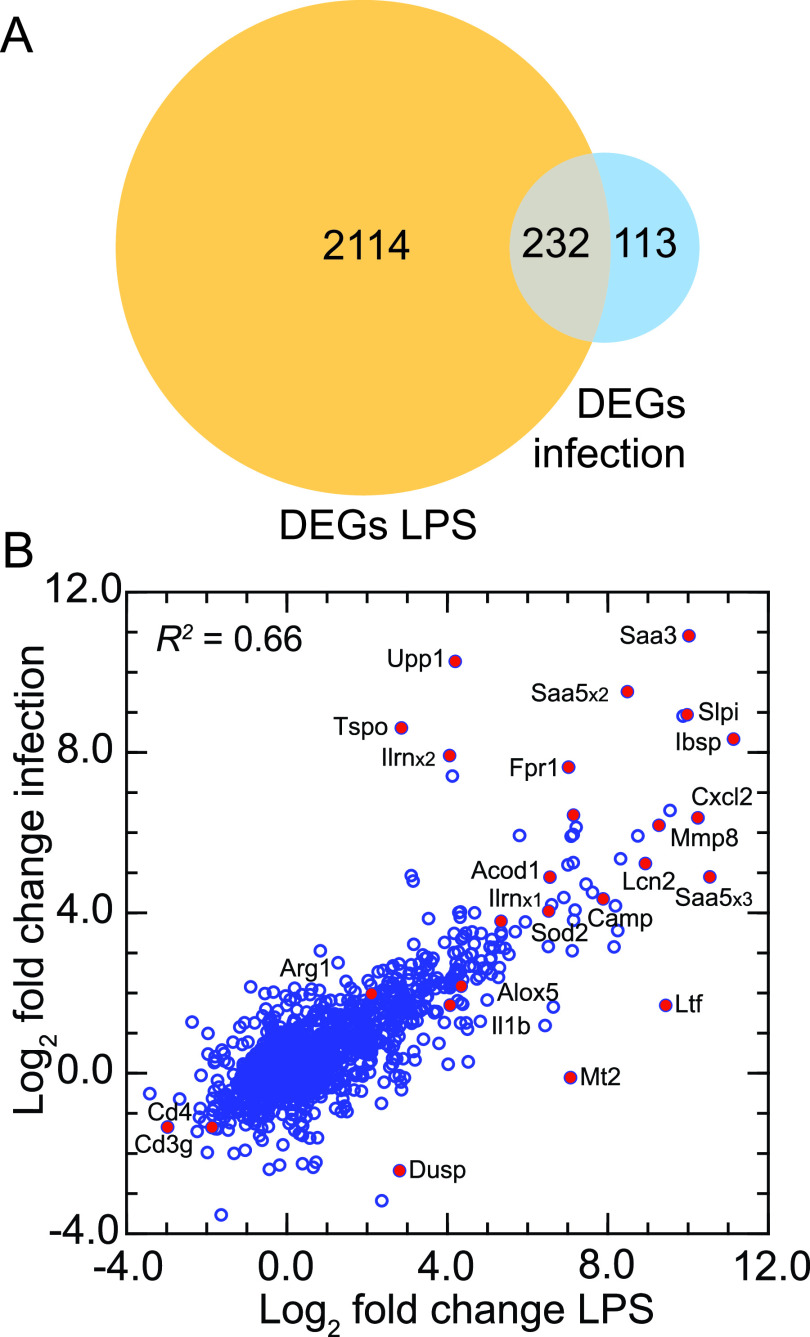
Animals that are competent reservoirs of zoonotic pathogens commonly suffer little morbidity from the infections. To investigate mechanisms of this tolerance of infection, we used single-dose lipopolysaccharide (LPS) as an experimental model of inflammation and compared the responses of two rodents: , the white-footed deermouse and reservoir for the agents of Lyme disease and other zoonoses, and the house mouse Four hours after injection with LPS or saline, blood, spleen, and liver samples were collected and subjected to transcriptome sequencing (RNA-seq), metabolomics, and specific reverse transcriptase quantitative PCR (RT-qPCR). Differential expression analysis was at the gene, pathway, and network levels. LPS-treated deermice showed signs of sickness similar to those of exposed mice and had similar increases in corticosterone levels and expression of interleukin 6 (IL-6), tumor necrosis factor, IL-1β, and C-reactive protein. By network analysis, the response to LPS was characterized as cytokine associated, while the response was dominated by neutrophil activity terms. In addition, dichotomies in the expression levels of arginase 1 and nitric oxide synthase 2 and of IL-10 and IL-12 were consistent with type M1 macrophage responses in mice and type M2 responses in deermice. Analysis of metabolites in plasma and RNA in organs revealed species differences in tryptophan metabolism. Two genes in particular signified the different phenotypes of deermice and mice: the Slpi and Ibsp genes. Key RNA-seq findings for were replicated in older animals, in a systemic bacterial infection, and with cultivated fibroblasts. The findings indicate that possesses several adaptive traits to moderate inflammation in its balancing of infection resistance and tolerance. Animals that are natural carriers of pathogens that cause human diseases commonly manifest little or no sickness as a consequence of infection. Examples include the deermouse, , which is a reservoir for Lyme disease and several other disease agents in North America, and some types of bats, which are carriers of viruses with pathogenicity for humans. Mechanisms of this phenomenon of infection tolerance and entailed trade-off costs are poorly understood. Using a single injection of lipopolysaccharide (LPS) endotoxin as a proxy for infection, we found that deermice differed from the mouse () in responses to LPS in several diverse pathways, including innate immunity, oxidative stress, and metabolism. Features distinguishing the deermice cumulatively would moderate downstream ill effects of LPS. Insights gained from the model in the laboratory have implications for studying infection tolerance in other important reservoir species, including bats and other types of wildlife.
作为人畜共患病病原体的合格宿主的动物通常很少因感染而出现发病症状。为了研究这种感染耐受的机制,我们使用单次剂量的脂多糖 (LPS) 作为炎症的实验模型,并比较了两种啮齿动物的反应:白足鼠,莱姆病和其他几种人畜共患病病原体的宿主,以及家鼠。在注射 LPS 或生理盐水后 4 小时,收集血液、脾脏和肝脏样本进行转录组测序 (RNA-seq)、代谢组学和特定的逆转录定量 PCR (RT-qPCR)。差异表达分析在基因、途径和网络水平上进行。用 LPS 处理的白足鼠表现出与暴露的老鼠相似的病态迹象,皮质酮水平和白细胞介素 6 (IL-6)、肿瘤坏死因子、IL-1β 和 C-反应蛋白的表达也相似。通过网络分析,LPS 反应的特征是与细胞因子相关,而 反应则以中性粒细胞活性术语为主。此外,精氨酸酶 1 和一氧化氮合酶 2 的表达水平以及白细胞介素 10 和白细胞介素 12 的表达水平呈二项式,与小鼠的 M1 巨噬细胞反应和白足鼠的 M2 反应一致。对血浆代谢物和器官 RNA 的分析揭示了物种在色氨酸代谢上的差异。有两个基因特别代表了白足鼠和老鼠的不同表型:Slpi 和 Ibsp 基因。白足鼠的关键 RNA-seq 发现与年老动物、全身细菌感染和培养的成纤维细胞中的结果一致。研究结果表明,白足鼠具有几种适应炎症的特征,在平衡抗感染和耐受能力方面具有一定的优势。作为引起人类疾病的病原体的天然携带者的动物通常在感染后很少或没有发病症状。例如,白足鼠是北美的莱姆病和几种其他疾病病原体的宿主,还有一些蝙蝠种类是对人类具有致病性的病毒的携带者。这种感染耐受现象及其相关的权衡成本的机制尚不清楚。我们使用单次注射脂多糖 (LPS) 内毒素作为感染的替代物,发现白足鼠在 LPS 反应的几个不同途径中与小鼠不同,包括先天免疫、氧化应激和代谢。白足鼠累积的特征会减轻 LPS 的下游不良影响。从实验室的 模型中获得的见解对研究其他重要宿主物种(包括蝙蝠和其他类型的野生动物)的感染耐受具有重要意义。