Max Planck Institute of Immunobiology and Epigenetics, Freiburg im Breisgau, Germany.
Albert-Ludwigs-Universität Freiburg, Freiburg im Breisgau, Germany.
Nature. 2021 May;593(7858):289-293. doi: 10.1038/s41586-021-03460-z. Epub 2021 Apr 14.
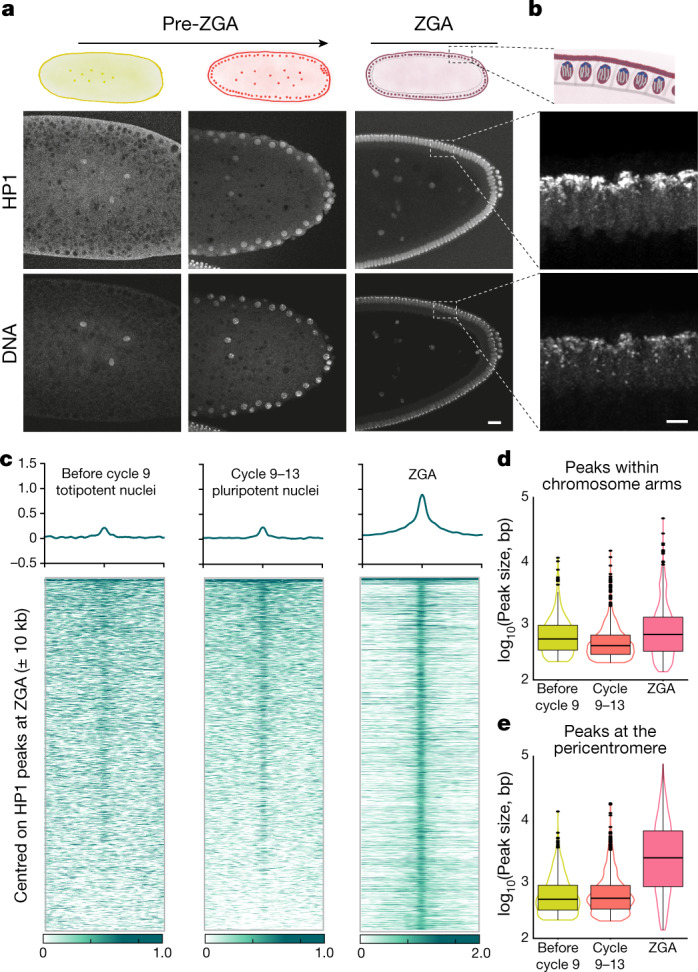
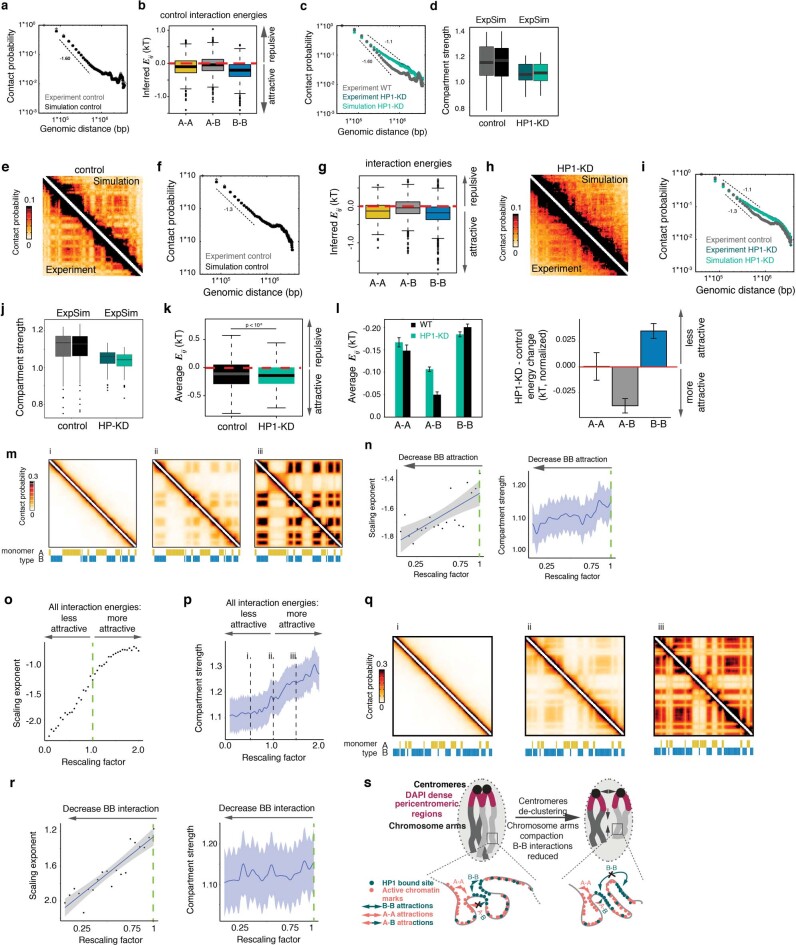
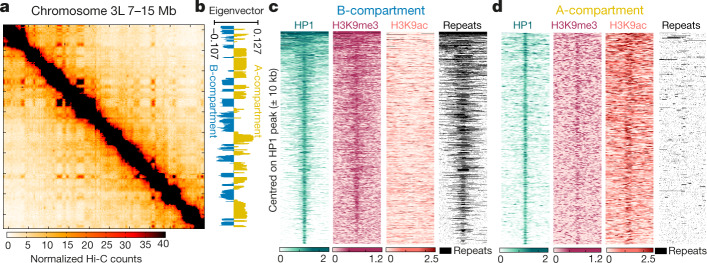
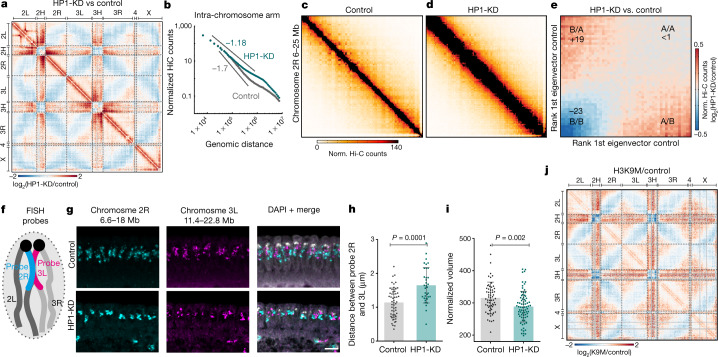
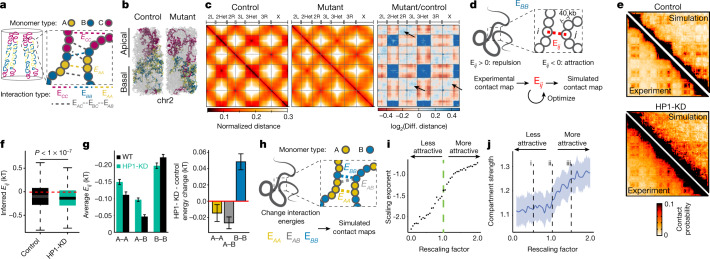
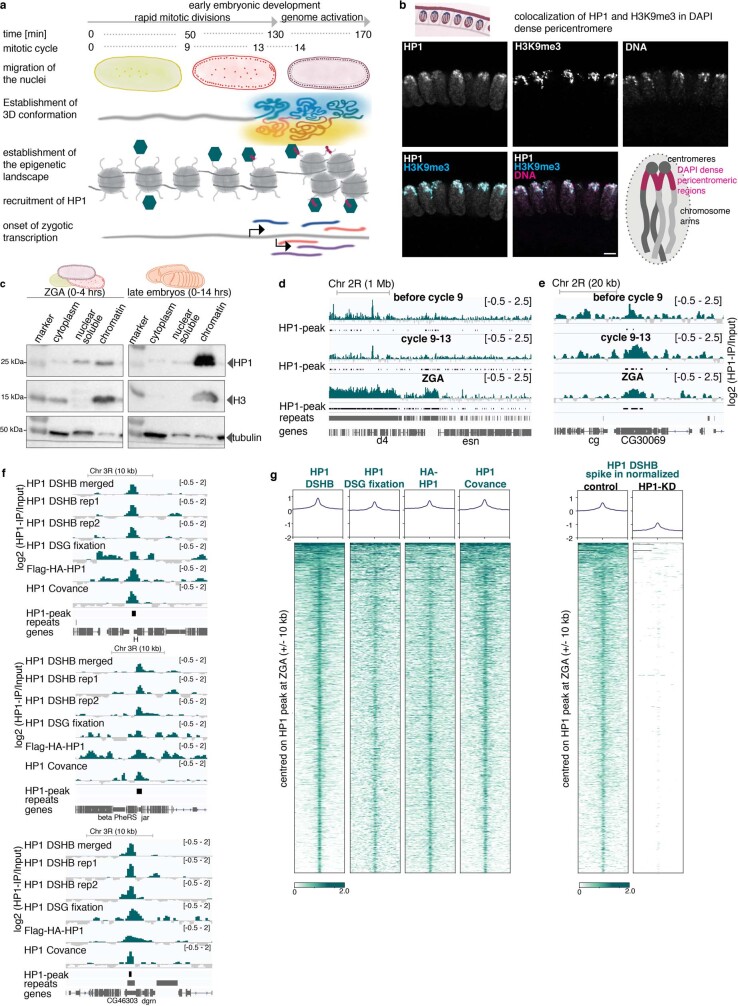
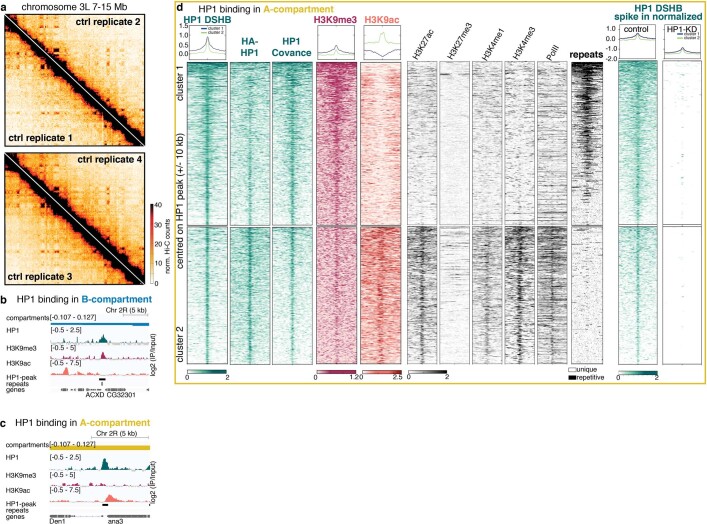
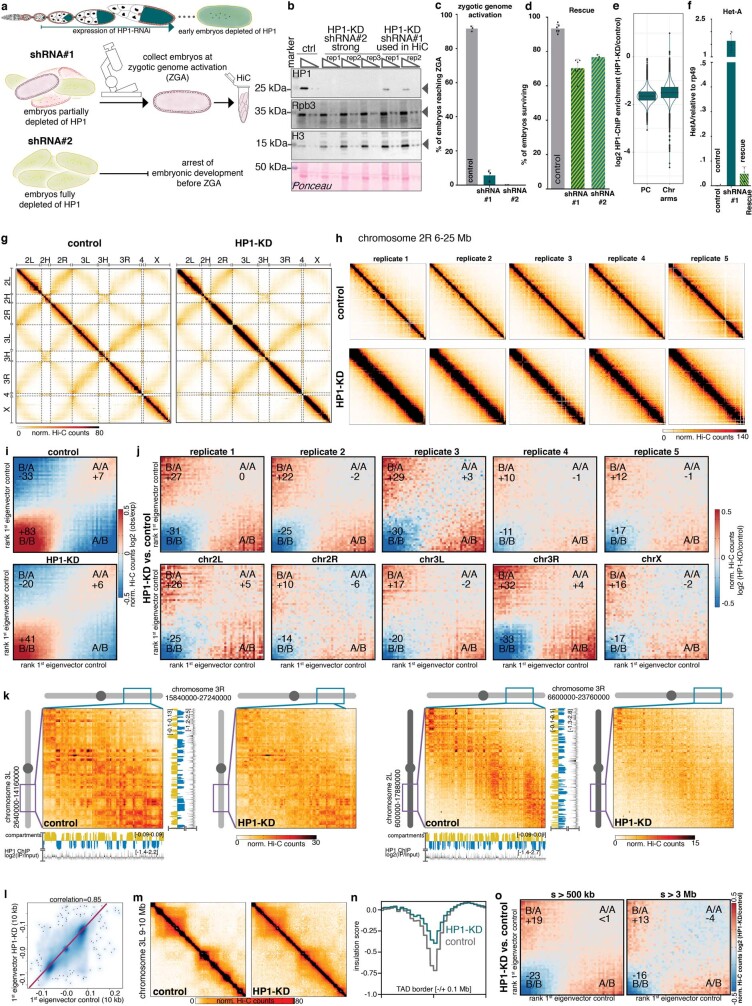
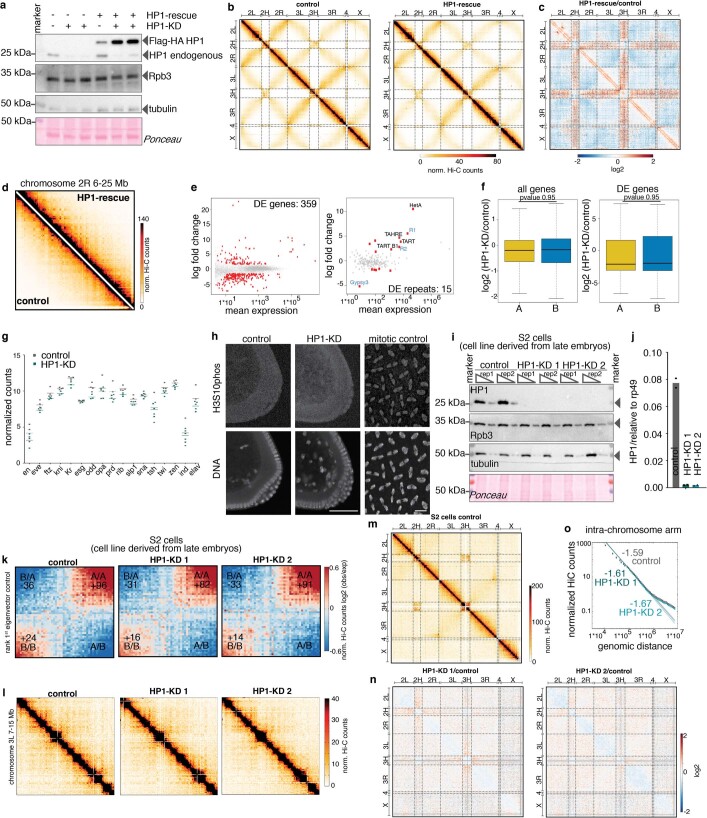
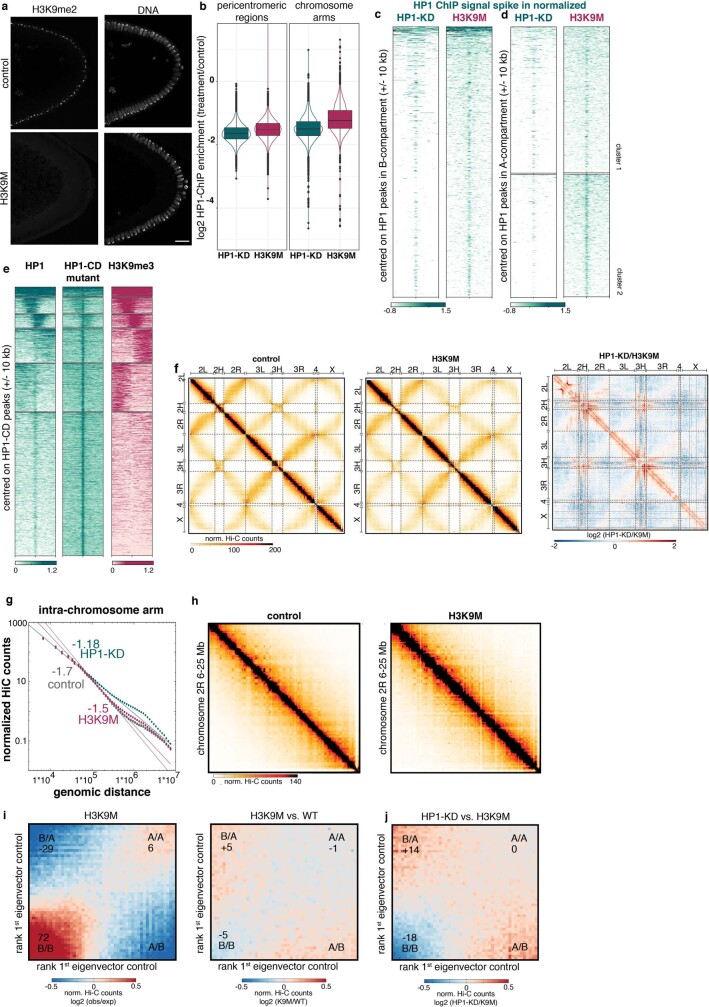
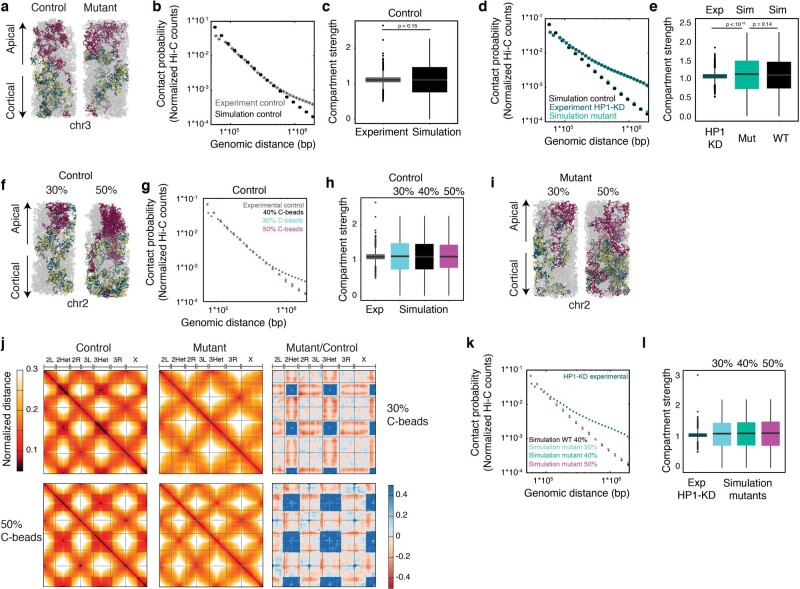
Fundamental features of 3D genome organization are established de novo in the early embryo, including clustering of pericentromeric regions, the folding of chromosome arms and the segregation of chromosomes into active (A-) and inactive (B-) compartments. However, the molecular mechanisms that drive de novo organization remain unknown. Here, by combining chromosome conformation capture (Hi-C), chromatin immunoprecipitation with high-throughput sequencing (ChIP-seq), 3D DNA fluorescence in situ hybridization (3D DNA FISH) and polymer simulations, we show that heterochromatin protein 1a (HP1a) is essential for de novo 3D genome organization during Drosophila early development. The binding of HP1a at pericentromeric heterochromatin is required to establish clustering of pericentromeric regions. Moreover, HP1a binding within chromosome arms is responsible for overall chromosome folding and has an important role in the formation of B-compartment regions. However, depletion of HP1a does not affect the A-compartment, which suggests that a different molecular mechanism segregates active chromosome regions. Our work identifies HP1a as an epigenetic regulator that is involved in establishing the global structure of the genome in the early embryo.
三维基因组组织的基本特征是在早期胚胎中全新建立的,包括着丝粒区域的聚类、染色体臂的折叠以及染色体分为活跃(A-)和非活跃(B-)区室。然而,驱动全新组织的分子机制仍然未知。在这里,我们通过结合染色体构象捕获(Hi-C)、带有高通量测序的染色质免疫沉淀(ChIP-seq)、三维 DNA 荧光原位杂交(3D DNA FISH)和聚合物模拟,表明异染色质蛋白 1a(HP1a)在果蝇早期发育过程中对于全新的三维基因组组织至关重要。HP1a 在着丝粒异染色质上的结合对于建立着丝粒区域的聚类是必需的。此外,HP1a 在染色体臂内的结合负责整体染色体折叠,并在 B 区室区域的形成中具有重要作用。然而,HP1a 的耗竭并不影响 A 区室,这表明一个不同的分子机制分离了活跃的染色体区域。我们的工作确定 HP1a 是一种表观遗传调节剂,它参与在早期胚胎中建立基因组的全局结构。