Xu Rongyao, Shen Xin, Xie Hanyu, Zhang Hengguo, Liu Dingshan, Chen Xin, Fu Yu, Zhang Ping, Yang Yi, Cheng Jie, Jiang Hongbing
Jiangsu Key Laboratory of Oral Diseases, Nanjing Medical University, Nanjing 210029, Jiangsu Province, China.
Department of Oral and Maxillofacial Surgery, Affiliated Hospital of Stomatology, Nanjing Medical University, Nanjing 210029, Jiangsu Province, China.
Theranostics. 2021 Mar 13;11(11):5491-5510. doi: 10.7150/thno.55041. eCollection 2021.
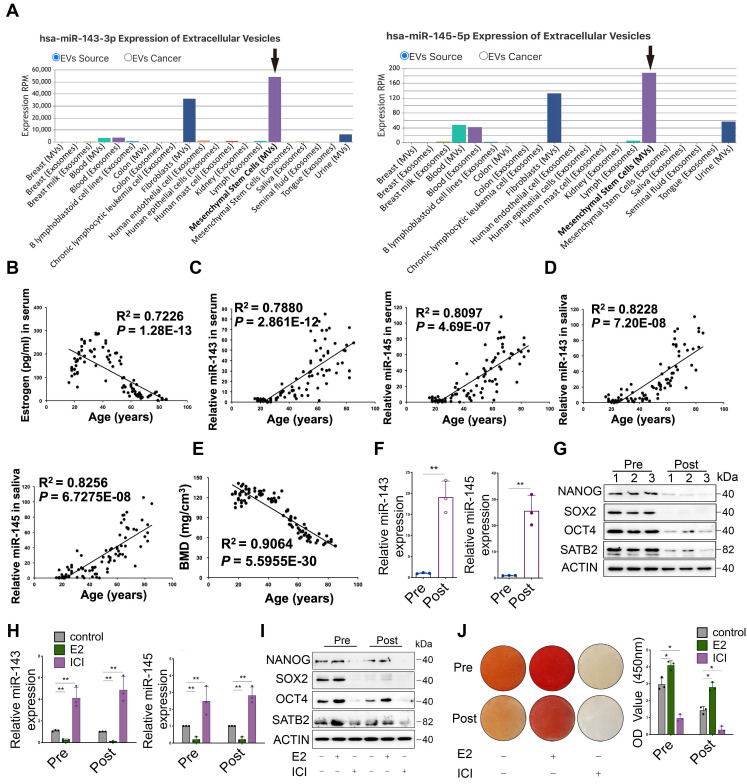
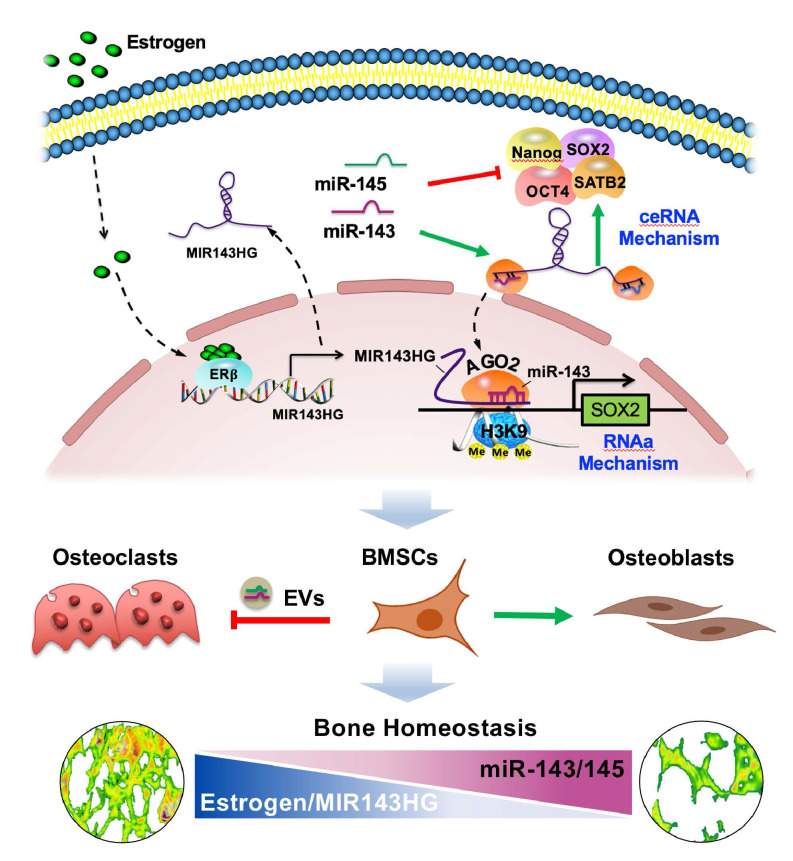
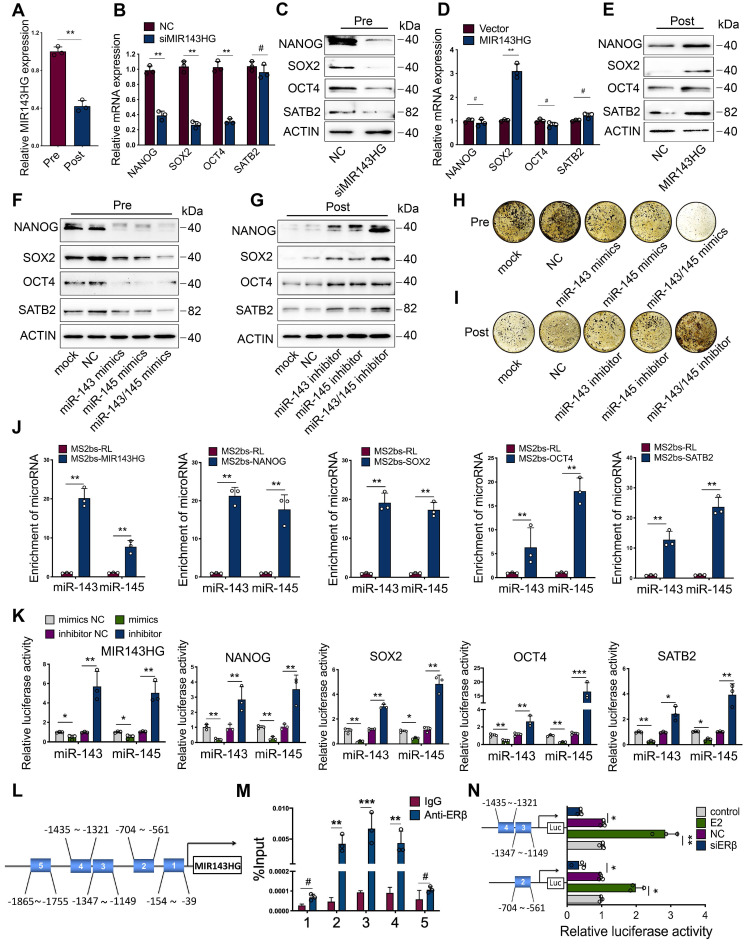
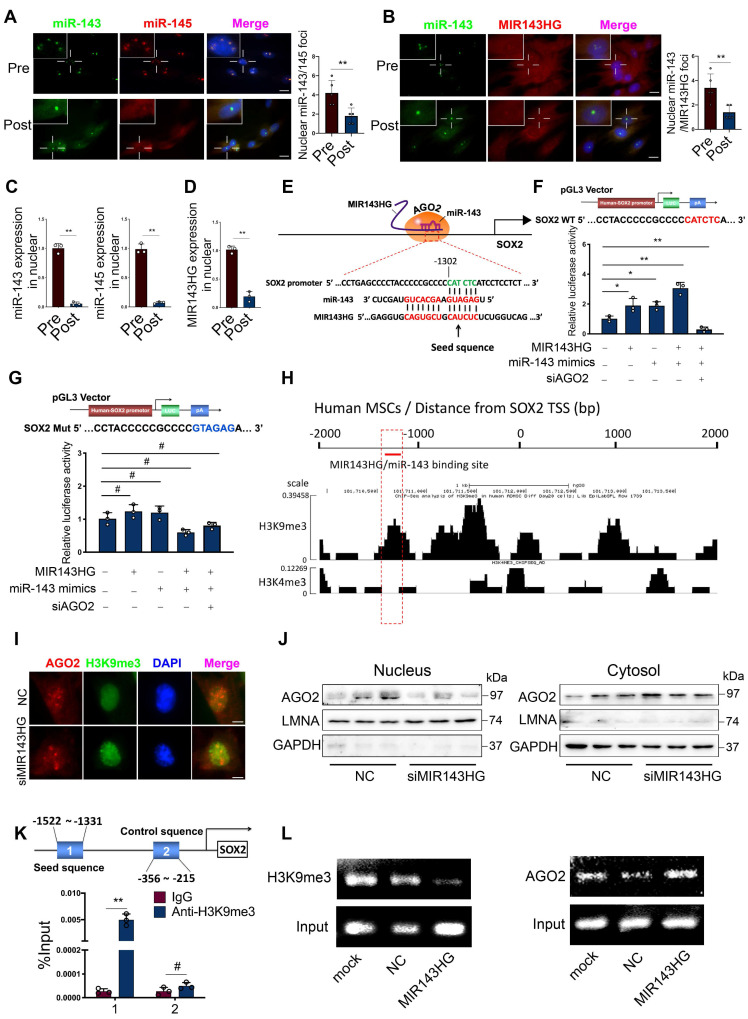
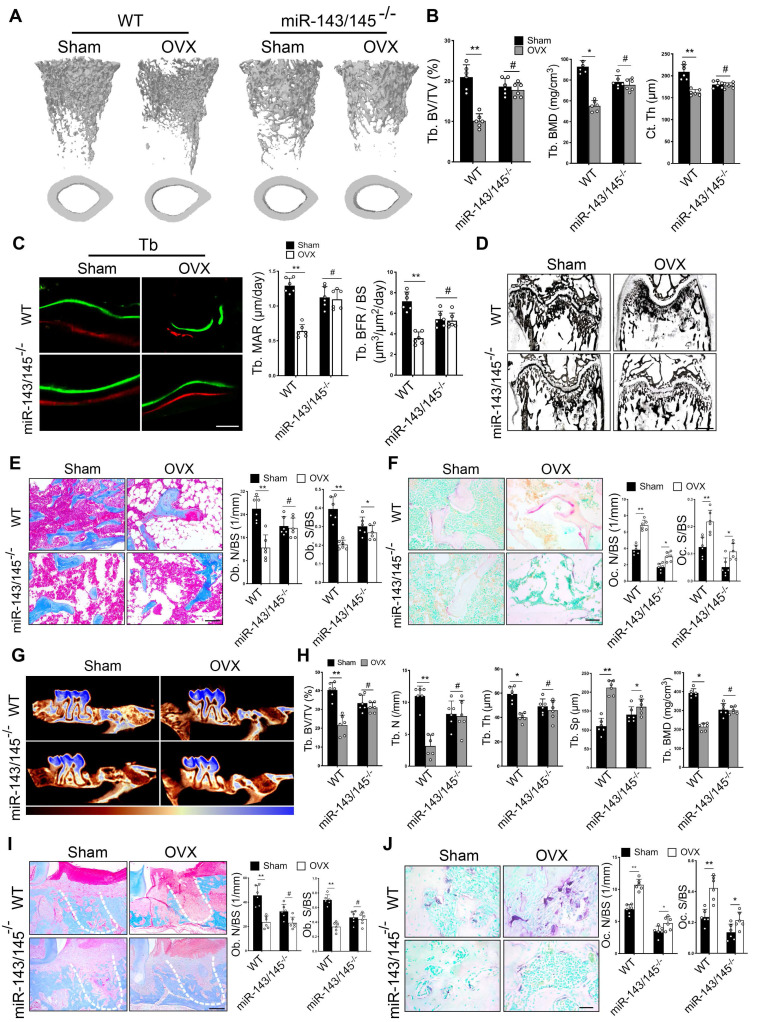
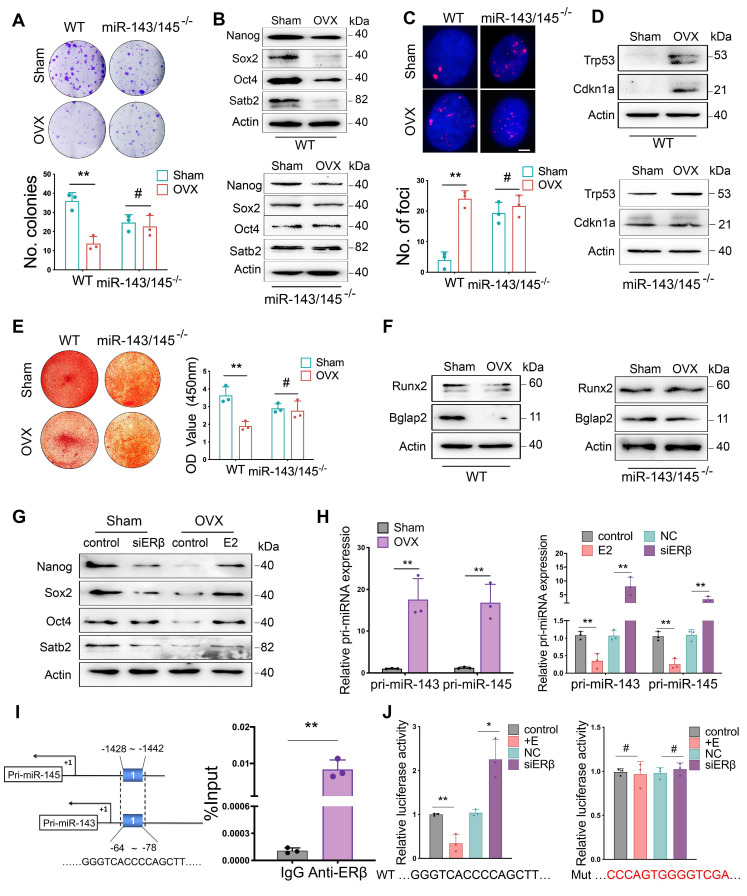
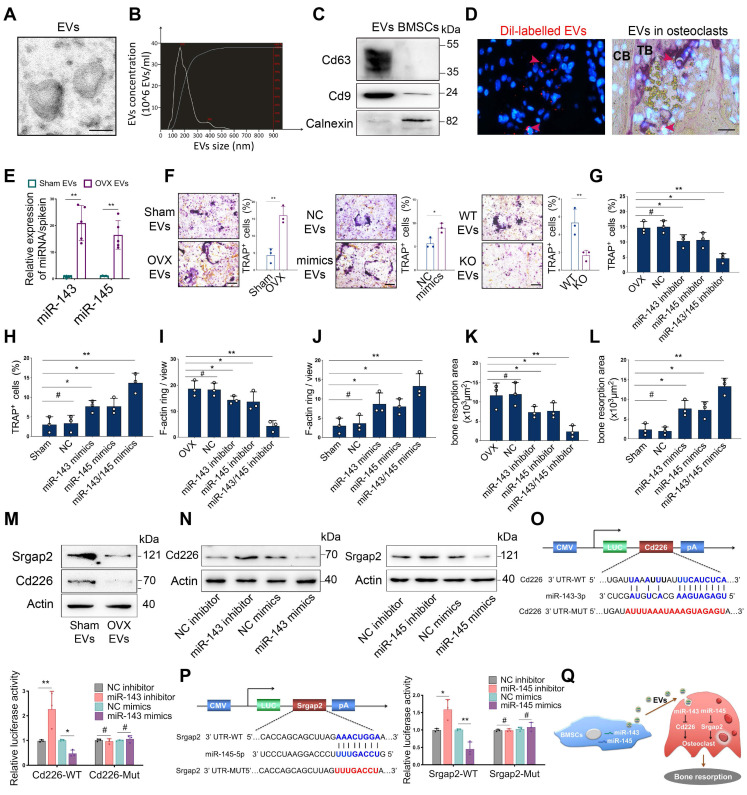
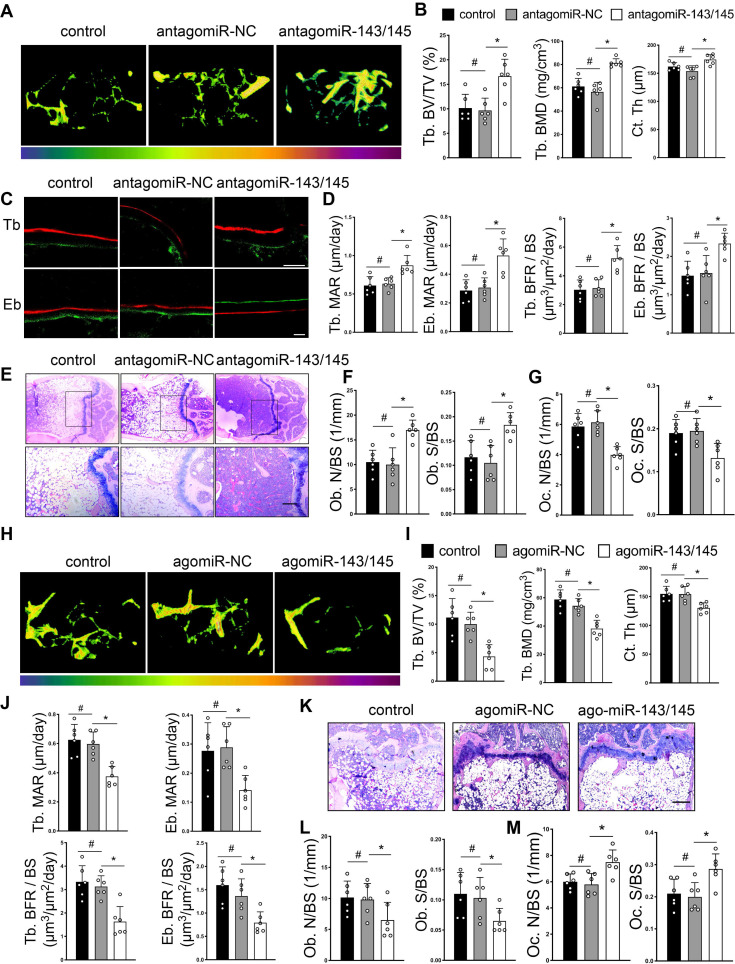
Postmenopausal-induced bone loss is mainly caused by declining core transcription factors (TFs) of bone mesenchymal stem cells (BMSCs), but little is known about how miRNAs regulate chromatin structure remodeling of TFs gene to maintain BMSCs function in bone homeostasis. We examined the serum, salivary and bone samples from Pre- and Post-menopause women by paired analysis and confirmed canonical ceRNA role of MIR143HG and miR-143/145 complexes in cytoplasm and noncanonical role for SOX2 transcription in nucleus (FISH, qRT-PCR, immunostaining, Luciferase assays and ChIP). Moreover, we took advantage of transgenic mice under OVX-induced osteoporosis, studying the and effect of miR-143/145 deletion on BMSCs function and bone homeostasis. Last, using miRNA antagonism, antagomiR-143/145 were delivered into bone marrow to treat estrogen-deficient bone loss. Here, we identified miR-143/145 as potential diagnostic candidates for postmenopausal osteoporosis, and miR-143/145 overexpression impaired BMSCs self-renewing and differentiation function. Mechanistically, we confirmed that cytoplasmic miR-143/145 and LncRNA MIR143HG, that controlled by ERβ, cooperatively regulated pluripotency genes translation via canonical ceRNA pathway, and MIR143HG cooperates with miR‑143 to nuclear translocation for co-activation of SOX2 transcription via opening promoter chromatin. Meanwhile, miR‑143/145 were shuttled into osteoclasts in extracellular vesicles and triggered osteoclastic activity by targeting Cd226 and Srgap2. Furthermore, mice or using chemically‑modified antagomiR-143/145 significantly alleviated estrogen-deficient osteoporosis. Our findings reveal a canonical and noncanonical role of miR-143/145 in controlling BMSCs pluripotency and unfold their dual effect on bone formation and bone resorption, suggesting miR-143/145 as promising therapeutic targets for treating estrogen-deficient bone loss.
绝经后引起的骨质流失主要是由骨间充质干细胞(BMSCs)的核心转录因子(TFs)水平下降所致,但关于微小RNA(miRNAs)如何调节TFs基因的染色质结构重塑以维持BMSCs在骨稳态中的功能,我们却知之甚少。我们通过配对分析检测了绝经前和绝经后女性的血清、唾液和骨样本,并证实了MIR143HG和miR - 143/145复合物在细胞质中的典型ceRNA作用以及在细胞核中对SOX2转录的非典型作用(荧光原位杂交、定量逆转录聚合酶链反应、免疫染色、荧光素酶测定和染色质免疫沉淀)。此外,我们利用去卵巢诱导骨质疏松的转基因小鼠,研究了miR - 143/145缺失对BMSCs功能和骨稳态的影响。最后,使用miRNA拮抗剂,将抗miR - 143/145导入骨髓以治疗雌激素缺乏性骨质流失。在此,我们确定miR - 143/145为绝经后骨质疏松症的潜在诊断候选物,且miR - 143/145过表达会损害BMSCs的自我更新和分化功能。机制上,我们证实由雌激素受体β(ERβ)控制的细胞质miR - 143/145和长链非编码RNA(LncRNA)MIR143HG通过典型ceRNA途径协同调节多能性基因的翻译,并且MIR143HG与miR - 143协同进行核转位,通过打开启动子染色质来共同激活SOX2转录。同时,miR - 143/145通过细胞外囊泡被转运到破骨细胞中,并通过靶向Cd226和Srgap2触发破骨细胞活性。此外,基因敲除小鼠或使用化学修饰的抗miR - 143/145可显著缓解雌激素缺乏性骨质疏松症。我们的研究结果揭示了miR - 143/145在控制BMSCs多能性方面的典型和非典型作用,并揭示了它们对骨形成和骨吸收的双重影响,表明miR - 143/145是治疗雌激素缺乏性骨质流失的有前景的治疗靶点。