Department of Medicine, Division of Nephrology, University of California at San Francisco, San Francisco, California, USA.
Cardiovascular Research Institute, University of California at San Francisco, San Francisco, California, USA.
J Biol Chem. 2021 Jan-Jun;296:100632. doi: 10.1016/j.jbc.2021.100632. Epub 2021 Apr 15.
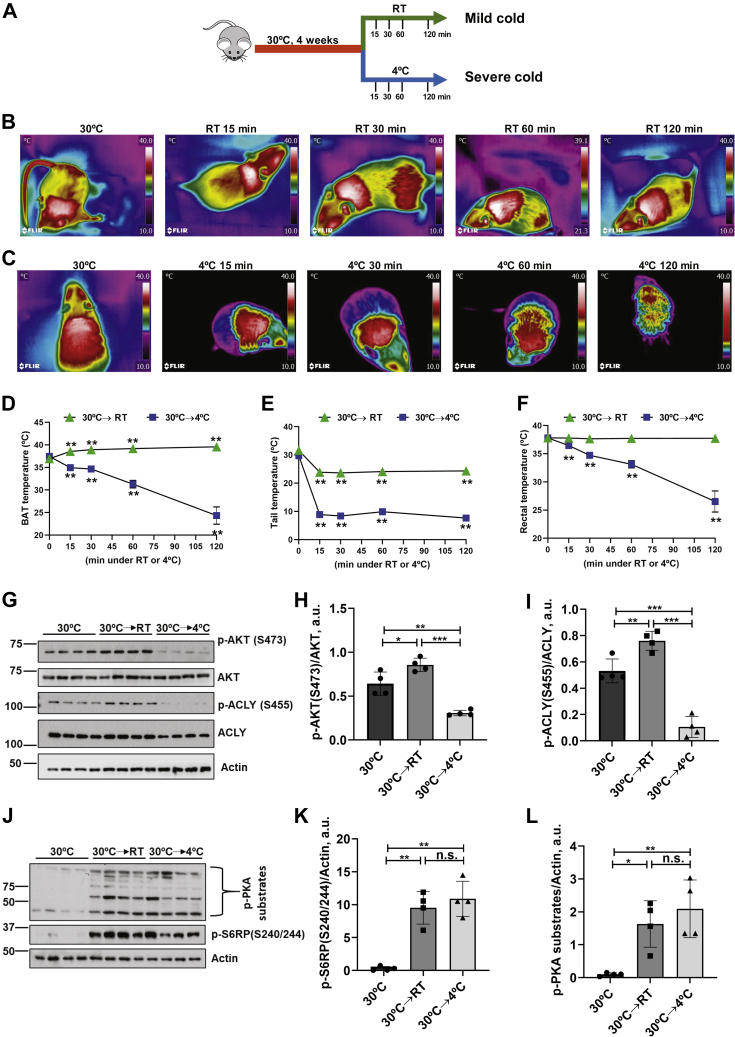
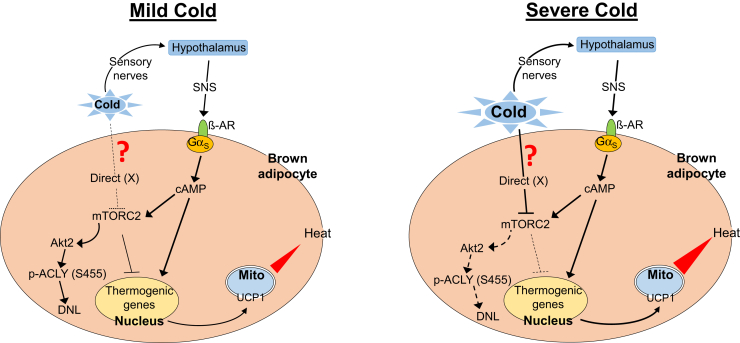
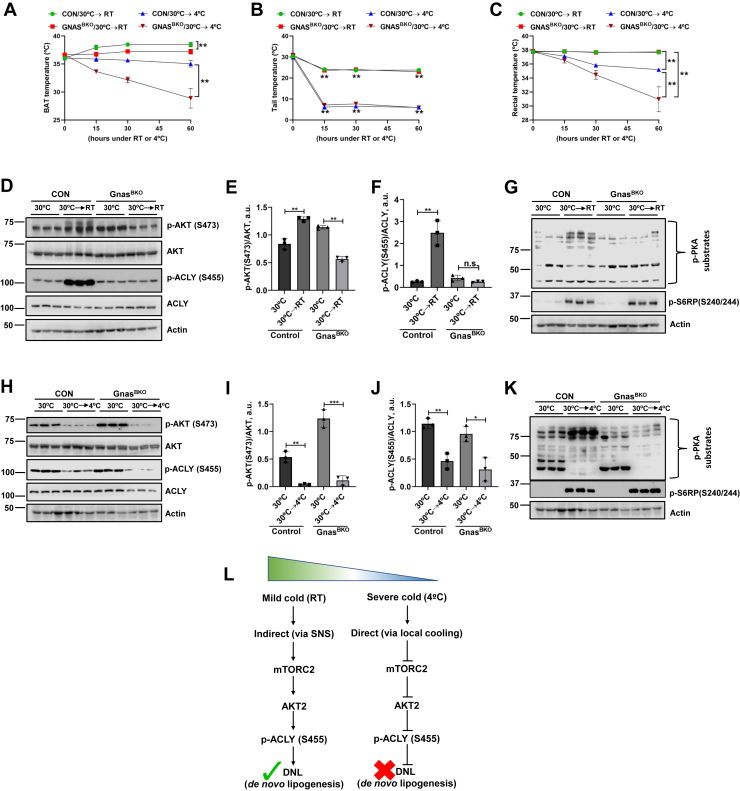
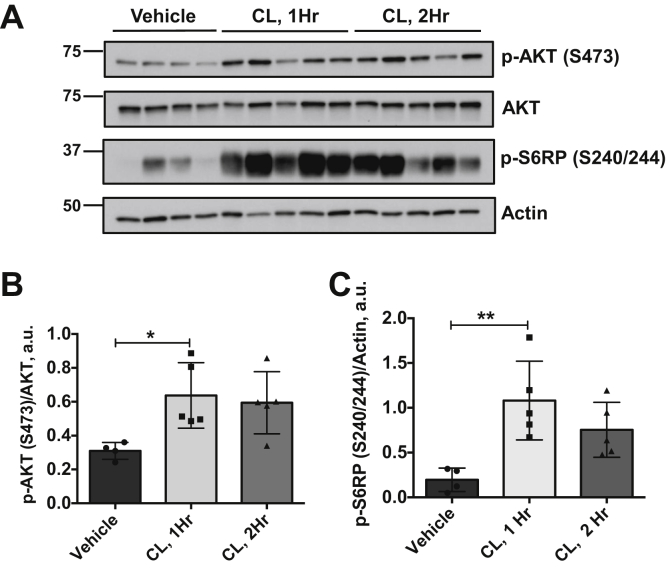
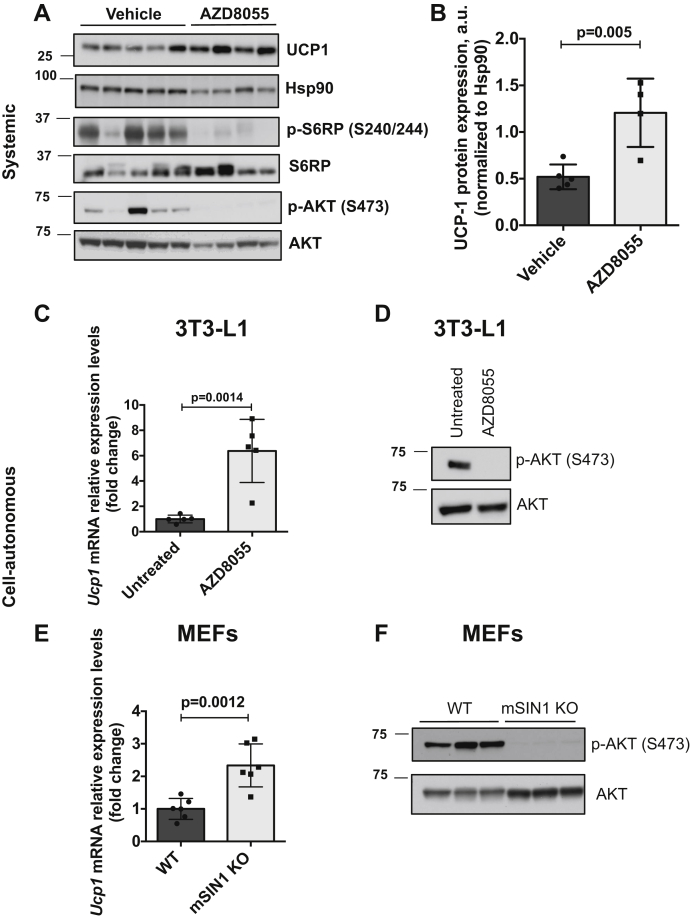
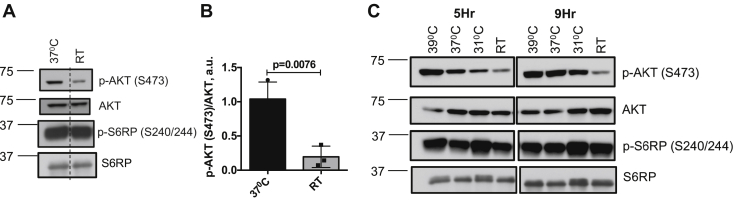
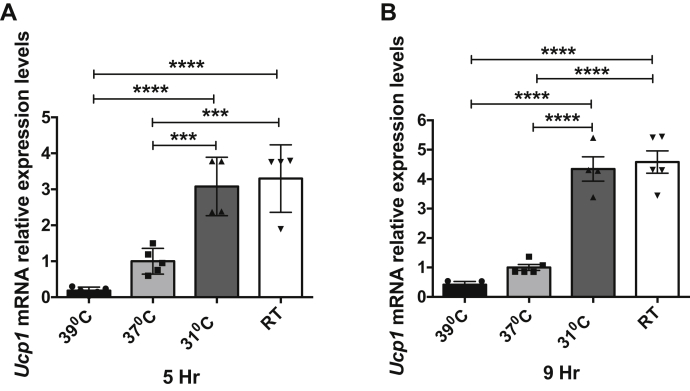
Nonshivering thermogenesis is essential for mammals to maintain body temperature. According to the canonical view, temperature is sensed by cutaneous thermoreceptors and nerve impulses transmitted to the hypothalamus, which generates sympathetic signals to ß-adrenergic receptors in brown adipocytes. The energy for heat generation is primarily provided by the oxidation of fatty acids derived from triglyceride hydrolysis and cellular uptake. Fatty acids also activate the uncoupling protein, UCP1, which creates a proton leak that uncouples mitochondrial oxidative phosphorylation from ATP production, resulting in energy dissipation as heat. Recent evidence supports the idea that in response to mild cold, ß-adrenergic signals stimulate not only lipolysis and fatty acid oxidation, but also act through the mTORC2-Akt signaling module to stimulate de novo lipogenesis. This opposing anabolic effect is thought to maintain lipid fuel stores during increased catabolism. We show here, using brown fat-specific Gs-alpha knockout mice and cultured adipocytes that, unlike mild cold, severe cold directly cools brown fat and bypasses ß-adrenergic signaling to inhibit mTORC2. This cell-autonomous effect both inhibits lipogenesis and augments UCP1 expression to enhance thermogenesis. These findings suggest a novel mechanism for overriding ß-adrenergic-stimulated anabolic activities while augmenting catabolic activities to resolve the homeostatic crisis presented by severe cold.
非颤抖性产热对于哺乳动物维持体温至关重要。根据经典观点,温度由皮肤热敏感受器感知,并通过神经冲动传递到下丘脑,下丘脑会产生交感信号,作用于棕色脂肪细胞中的β-肾上腺素能受体。产热的能量主要来自于甘油三酯水解和细胞摄取产生的脂肪酸的氧化。脂肪酸还激活解偶联蛋白 UCP1,其导致质子泄漏,使线粒体氧化磷酸化与 ATP 生成解偶联,从而以热量的形式耗散能量。最近的证据支持这样一种观点,即在轻度寒冷的刺激下,β-肾上腺素能信号不仅刺激脂肪分解和脂肪酸氧化,还通过 mTORC2-Akt 信号模块作用,刺激从头合成脂肪。这种相反的合成代谢作用被认为可以在增加分解代谢的同时维持脂质燃料储备。我们在此使用棕色脂肪特异性 Gs-α 敲除小鼠和培养的脂肪细胞表明,与轻度寒冷不同,重度寒冷直接冷却棕色脂肪并绕过β-肾上腺素能信号抑制 mTORC2。这种细胞自主效应既抑制脂肪生成,又增强 UCP1 表达,从而增强产热。这些发现表明了一种新的机制,可以在增强分解代谢活动的同时克服β-肾上腺素能刺激的合成代谢活动,从而解决重度寒冷带来的体内平衡危机。