Department of Children and Adolescents, Oulu University Hospital; PEDEGO Research Group, Oulu Childhood Fracture and Sports Injury Study, Oulu University and Oulu University Hospital; Medical Research Council, Oulu University, Oulu, Finland;
Department of Pediatric Surgery, Lausanne University Hospital, Lausanne, Switzerland.
Acta Orthop. 2021 Aug;92(4):461-467. doi: 10.1080/17453674.2021.1912895. Epub 2021 Apr 18.
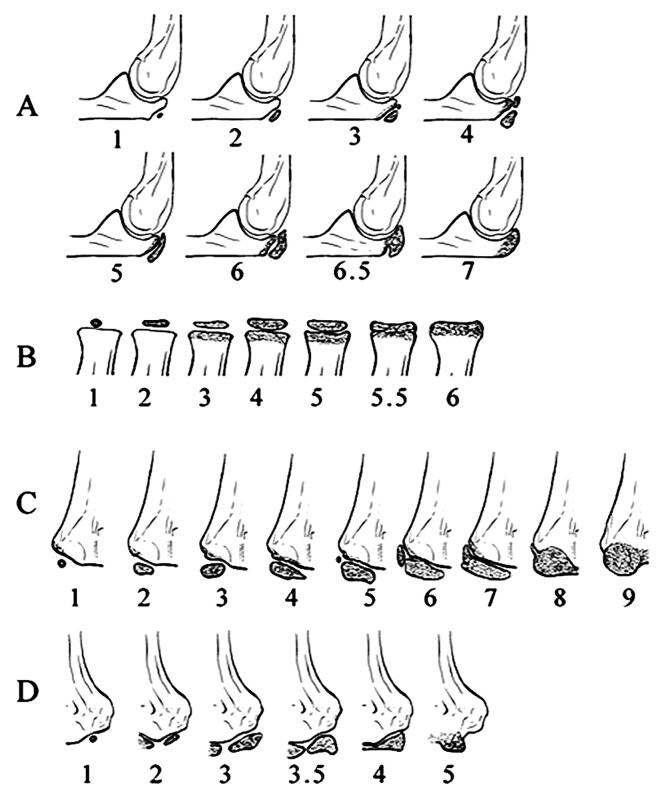
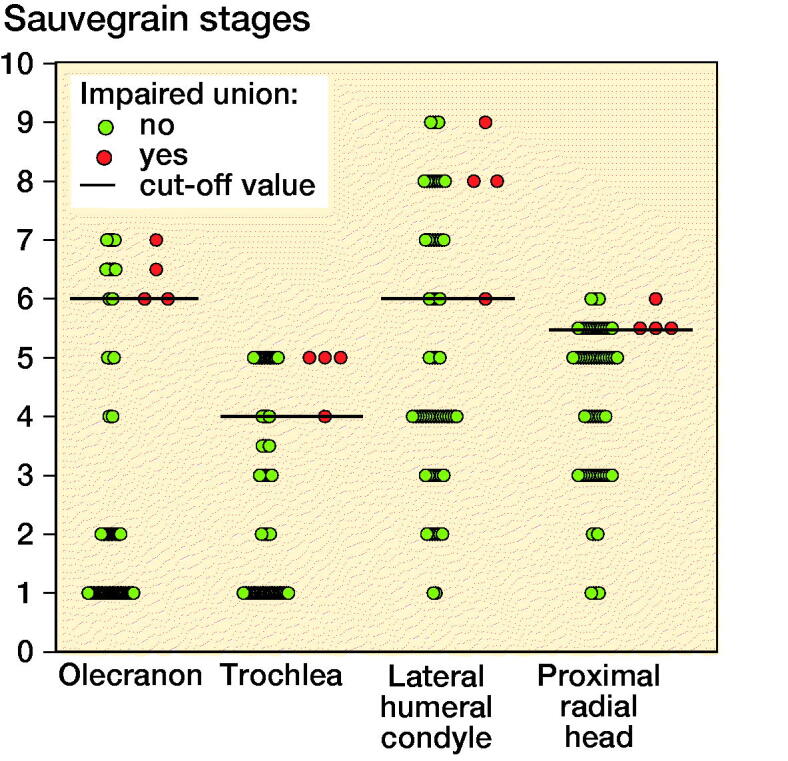
Background and purpose - Elastic stable intramedullary nailing (ESIN) is the preferred method of operative stabilization of unstable pediatric forearm shaft fractures. However, the decision whether to use ESIN or open reduction and internal fixation (ORIF) in older children or teenagers is not always straightforward. We hypothesized that the development stage of the elbow would aid in evaluating the eligibility of the patient for ESIN.Patients and methods - All eligible children, aged <16 years who were treated with ESIN in Oulu University Hospital, during 2010-2019 were included (N = 70). The development stages of 4 ossification centers were assessed according to the Sauvegrain and Diméglio scoring. The proportion of impaired union vs. union was analyzed according to bone maturity, by using the optimal cutoff-points determined with receiver operating characteristics (ROC).Results - Development stage ≥ 6 in the olecranon was associated with impaired union in 20% of patients, compared with none in stages 1-5 (95% CI of difference 8% to 24%). Trochlear ossification center ≥ 4 was associated with impaired union in 17% of patients (CI of difference 7% to 36%) and lateral condyle ≥ 6 in 13% of patients (CI of difference 3.4% to 30%). Proximal radial head ≥ 5.5 was associated with impaired union in 18% of patients (CI of difference 7% to 39%).Interpretation - Recognizing the rectangular or fused olecranon ossification center, referring to stage ≥ 6, was in particular associated with impaired fracture healing. This finding may aid clinicians to consider between ESIN and plating, when treating forearm shaft fracture of an older child or teenager.
背景与目的 - 弹性稳定髓内钉(ESIN)是不稳定小儿前臂骨干骨折手术稳定的首选方法。然而,对于较大儿童或青少年,是否选择 ESIN 或切开复位内固定(ORIF)并非总是一目了然。我们假设肘关节的发育阶段将有助于评估患者是否适合接受 ESIN 治疗。
患者和方法 - 纳入 2010 年至 2019 年在奥卢大学医院接受 ESIN 治疗的所有符合条件的<16 岁儿童(N=70)。根据 Sauvegrain 和 Diméglio 评分评估 4 个骨化中心的发育阶段。通过使用接受者操作特征(ROC)确定的最佳截断值,根据骨成熟度分析了骨不连与愈合的比例。
结果 - 尺骨鹰嘴发育阶段≥6 与 20%患者的骨不连有关,而 1-5 阶段无骨不连(差异 95%置信区间为 8%至 24%)。滑车骨化中心≥4 与 17%患者的骨不连有关(差异置信区间为 7%至 36%),外侧髁≥6 与 13%患者的骨不连有关(差异置信区间为 3.4%至 30%)。桡骨近端头≥5.5 与 18%患者的骨不连有关(差异置信区间为 7%至 39%)。
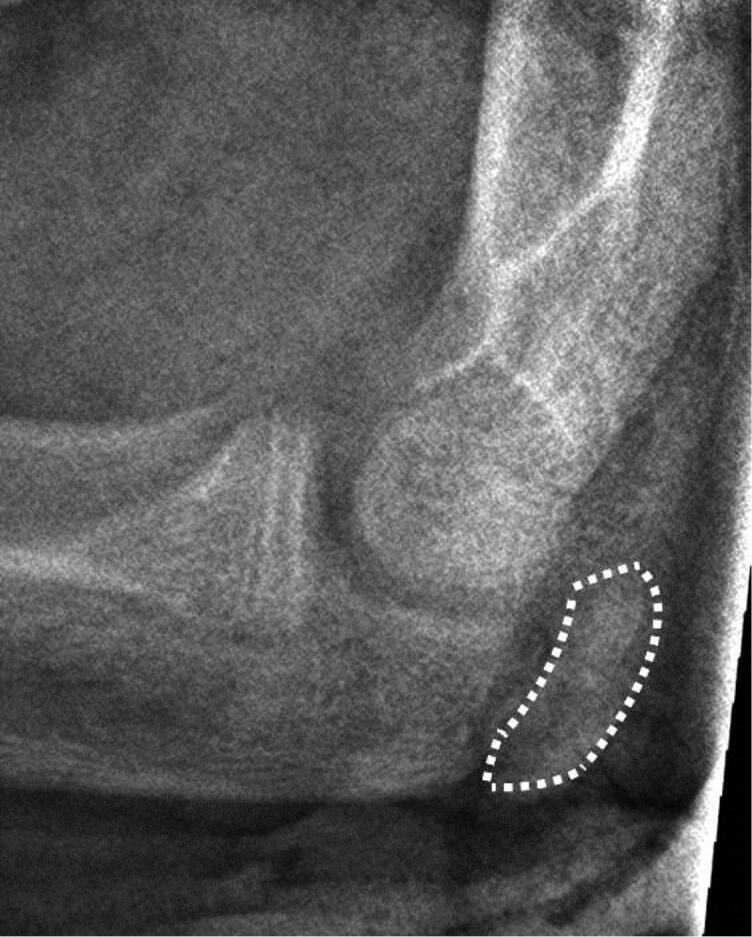
结论 - 特别是当治疗较大儿童或青少年的前臂骨干骨折时,认识到尺骨鹰嘴骨化中心呈矩形或融合,即发育阶段≥6,与骨折愈合不良有关。这一发现可能有助于临床医生在 ESIN 和接骨板之间进行选择。