School of Biological Science, Nanyang Technological University, 60 Nanyang Drive, Singapore 637551.
Theranostics. 2021 Apr 3;11(12):5863-5875. doi: 10.7150/thno.53615. eCollection 2021.
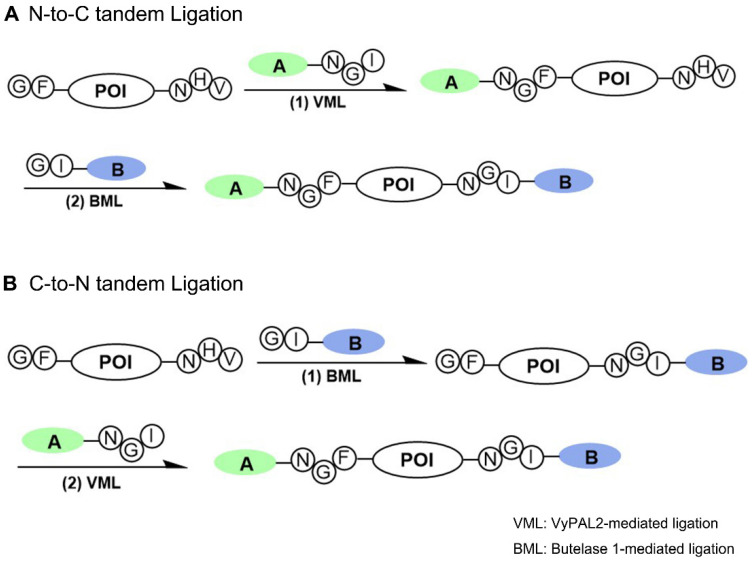
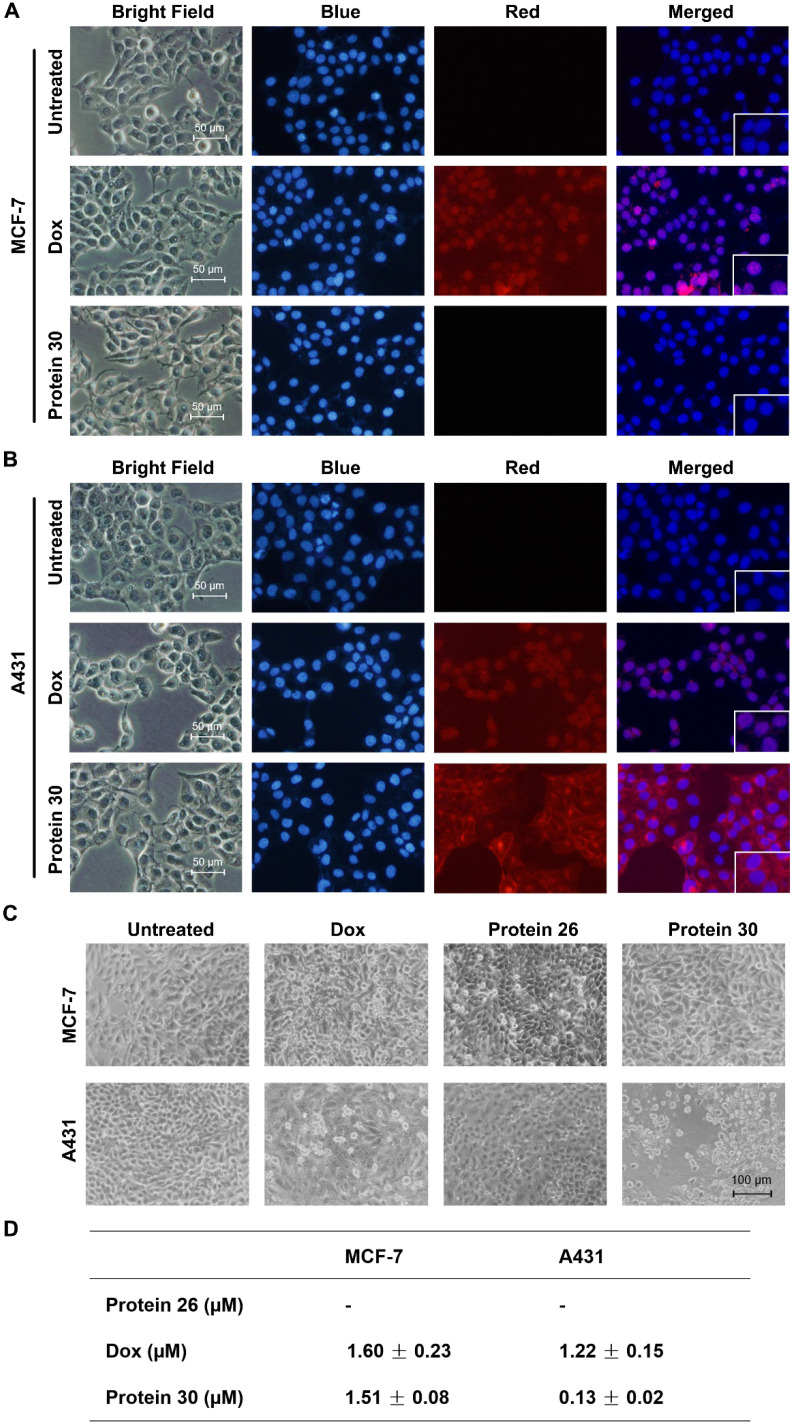
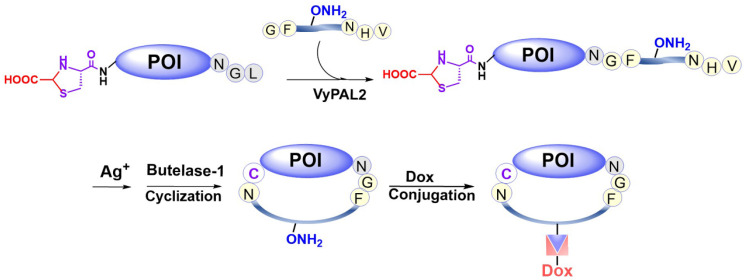
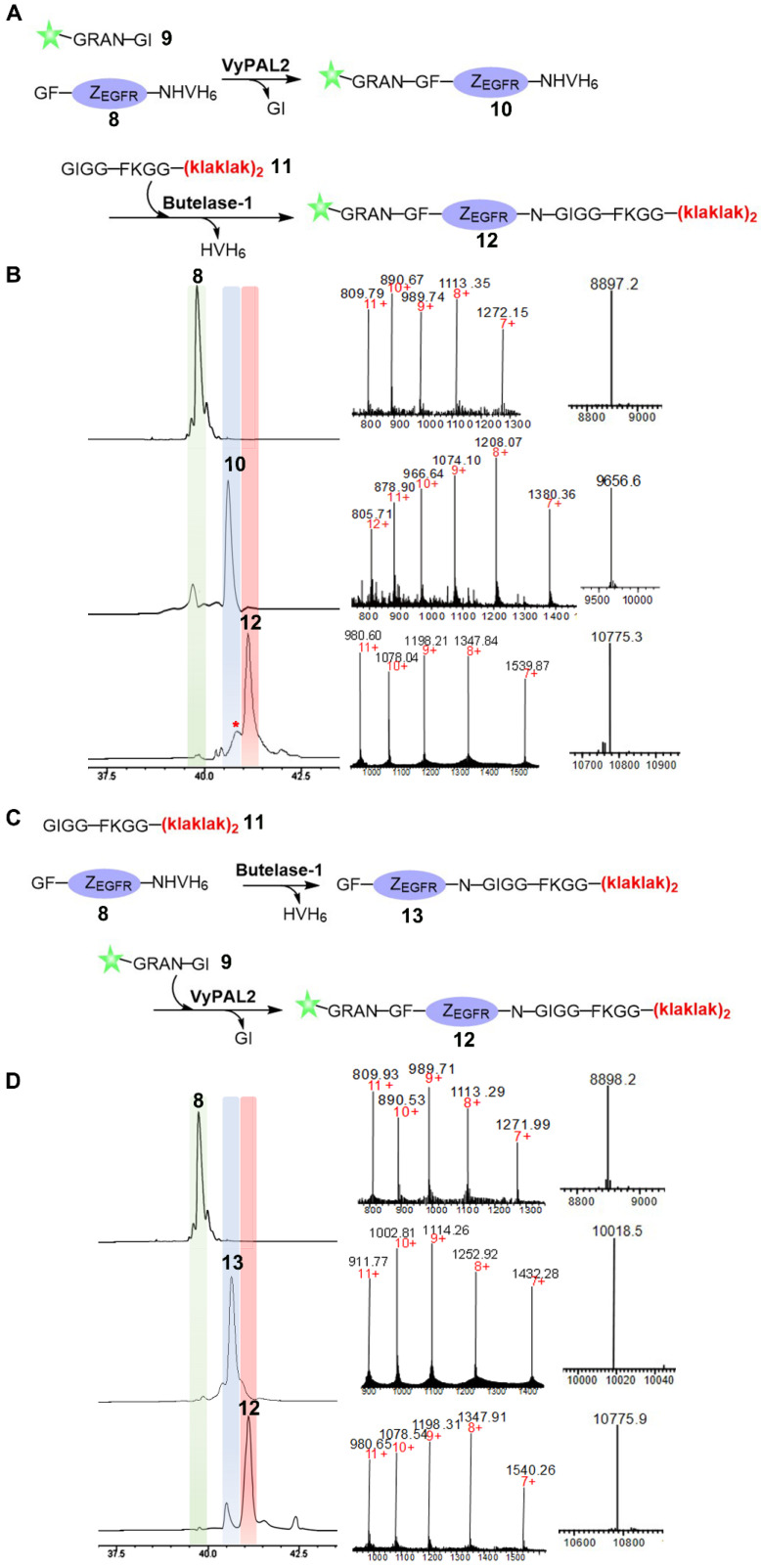
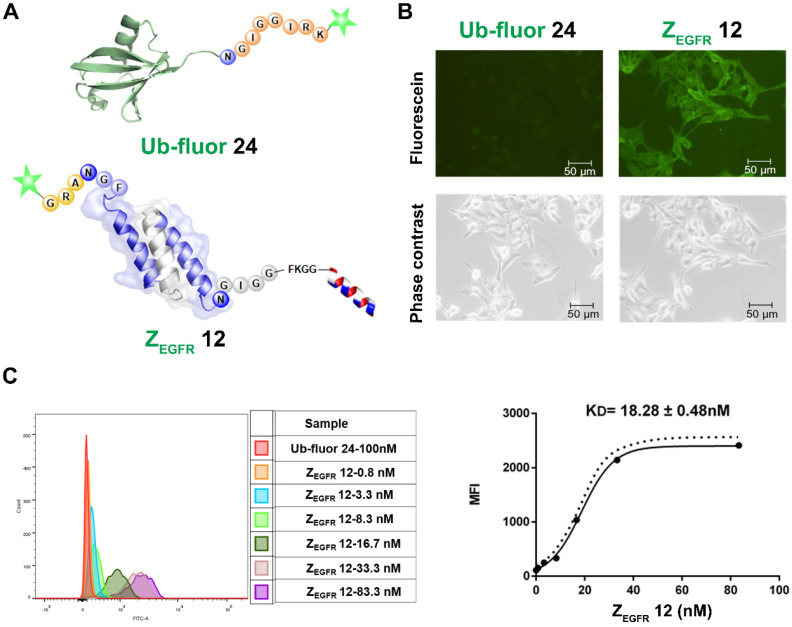
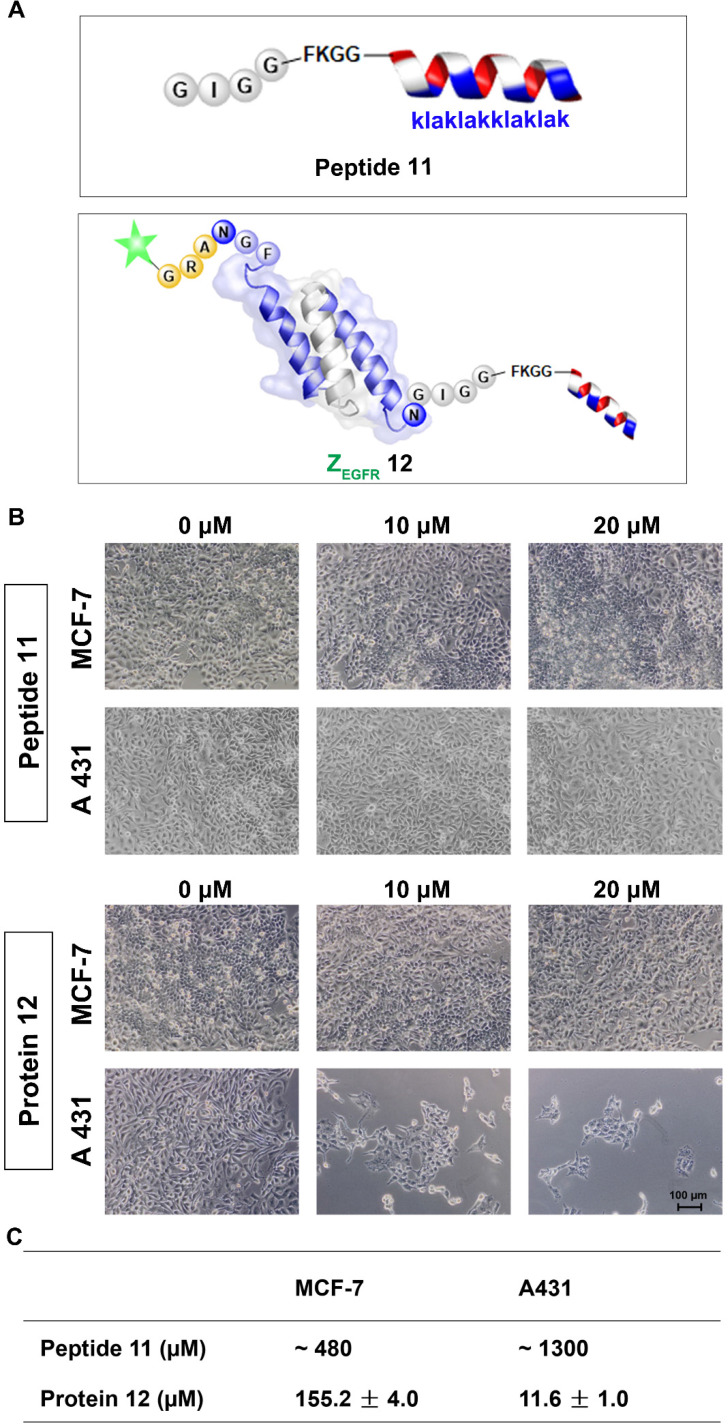
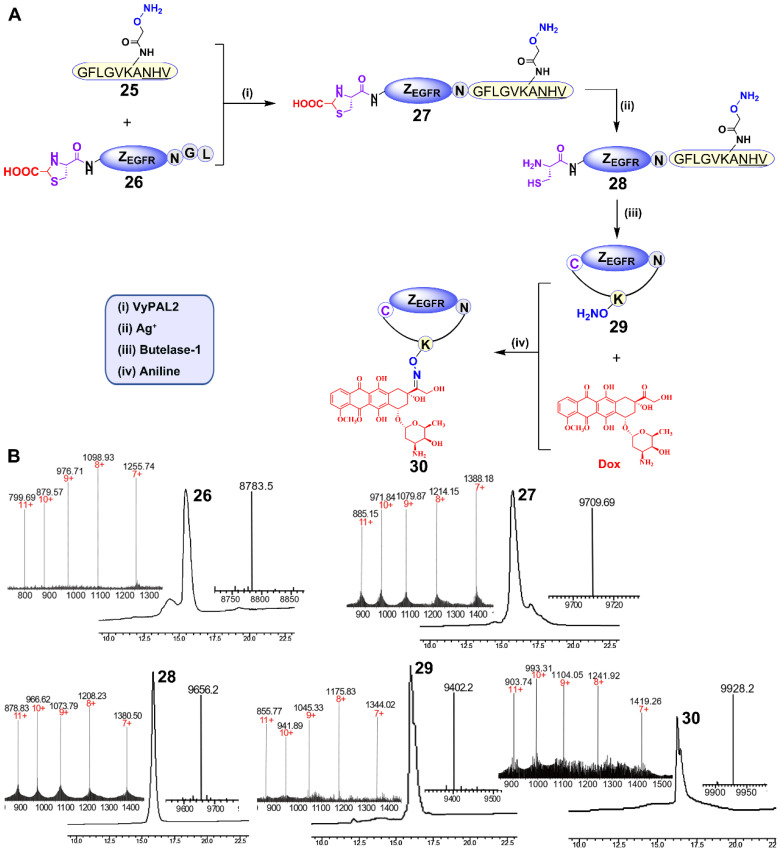
Protein theranostics integrate both diagnostic and treatment functions on a single disease-targeting protein. However, the preparation of these multimodal agents remains a major challenge. Ideally, conventional recombinant proteins should be used as starting materials for modification with the desired detection and therapeutic functionalities, but simple chemical strategies that allow the introduction of two different modifications into a protein in a site-specific manner are not currently available. We recently discovered two highly efficient peptide ligases, namely butelase-1 and VyPAL2. Although both ligate at asparaginyl peptide bonds, these two enzymes are bio-orthogonal with distinguishable substrate specificities, which can be exploited to introduce distinct modifications onto a protein. We quantified substrate specificity differences between butelase-1 and VyPAL2, which provide orthogonality for a tandem ligation method for protein dual modifications. Recombinant proteins or synthetic peptides engineered with the preferred recognition motifs of butelase-1 and VyPAL2 at their respective C- and N-terminal ends could be modified consecutively by the action of the two ligases. Using this method, we modified an EGFR-targeting affibody with a fluorescein tag and a mitochondrion-lytic peptide at its respective N- and C-terminal ends. The dual-labeled protein was found to be a selective bioimaging and cytotoxic agent for EGFR-positive A431 cancer cells. In addition, the method was used to prepare a cyclic form of the affibody conjugated with doxorubicin. Both modified affibodies showed increased cytotoxicity to A431 cells by 10- and 100-fold compared to unconjugated doxorubicin and the free peptide, respectively. Bio-orthogonal tandem ligation using two asparaginyl peptide ligases with differential substrate specificities is a straightforward approach for the preparation of multifunctional protein biologics as potential theranostics.
蛋白质治疗学将诊断和治疗功能整合在单个疾病靶向蛋白上。然而,这些多模式制剂的制备仍然是一个主要挑战。理想情况下,应该使用传统的重组蛋白作为起始材料,通过所需的检测和治疗功能进行修饰,但是目前还没有简单的化学策略可以在蛋白质的特定位置引入两种不同的修饰。我们最近发现了两种高效的肽连接酶,即 butelase-1 和 VyPAL2。尽管这两种酶都连接在天冬酰胺肽键上,但这两种酶具有生物正交性,具有可区分的底物特异性,可用于在蛋白质上引入不同的修饰。我们量化了 butelase-1 和 VyPAL2 之间的底物特异性差异,这为蛋白质双重修饰的串联连接方法提供了正交性。可以通过两种连接酶的作用,对在其各自的 C 和 N 末端带有 butelase-1 和 VyPAL2 首选识别基序的重组蛋白或合成肽进行连续修饰。使用该方法,我们在 EGFR 靶向亲和体的 N 和 C 末端分别用荧光素标签和线粒体裂解肽进行了修饰。双标记蛋白被发现是一种针对 EGFR 阳性 A431 癌细胞的选择性生物成像和细胞毒性剂。此外,该方法还用于制备与阿霉素偶联的亲和体的环状形式。与未偶联的阿霉素和游离肽相比,两种修饰的亲和体对 A431 细胞的细胞毒性分别增加了 10 倍和 100 倍。使用具有差异底物特异性的两种天冬酰胺肽连接酶进行生物正交串联连接是制备多功能蛋白质生物制剂作为潜在治疗学的一种简单方法。