Department of Pharmacology.
Department of Surgery, University of Michigan, Ann Arbor, Michigan.
Melanoma Res. 2021 Jun 1;31(3):197-207. doi: 10.1097/CMR.0000000000000734.
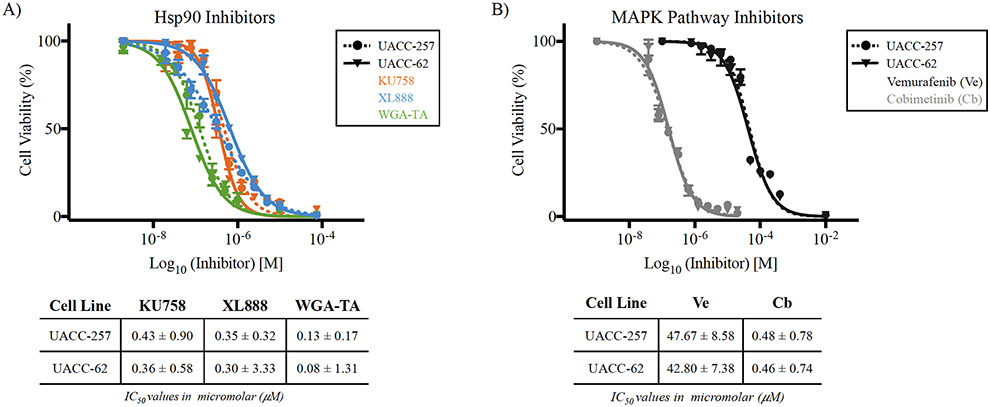
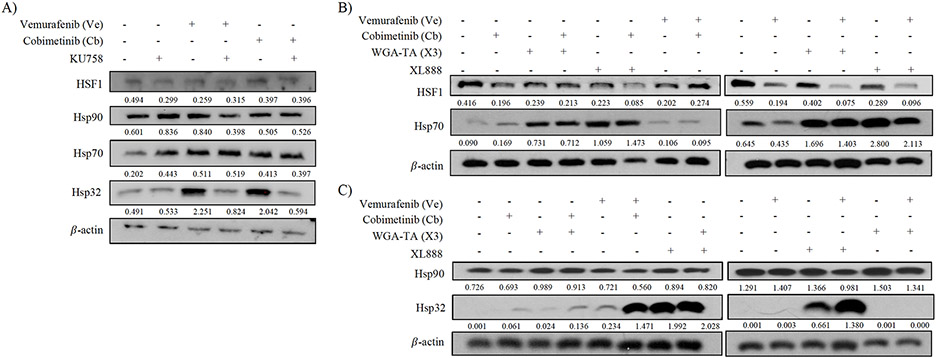
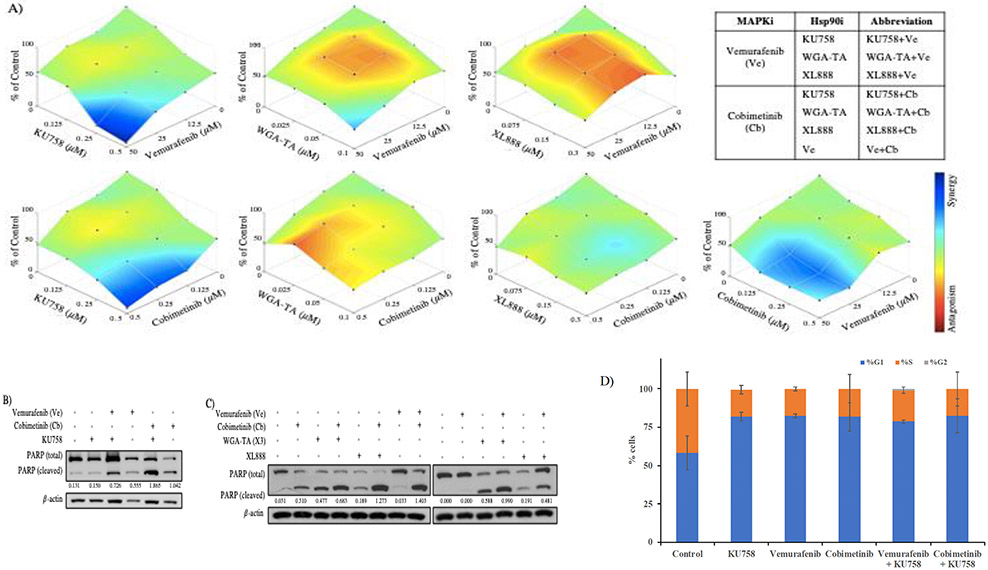
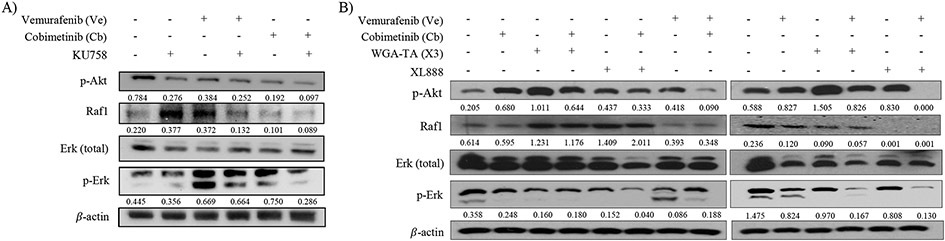
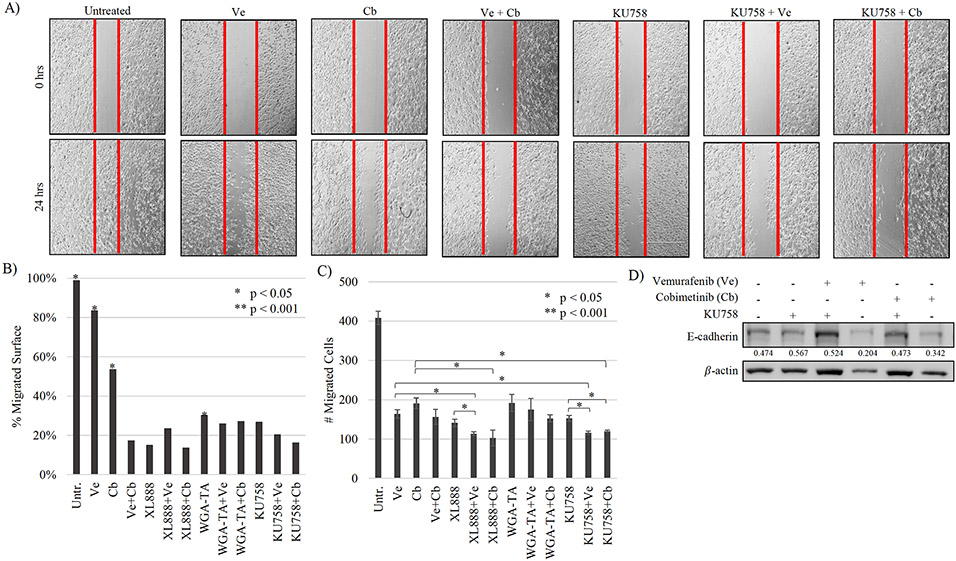
Melanoma remains the most aggressive and fatal form of skin cancer, despite several FDA-approved targeted chemotherapies and immunotherapies for use in advanced disease. Of the 100 350 new patients diagnosed with melanoma in 2020 in the US, more than half will develop metastatic disease leading to a 5-year survival rate <30%, with a majority of these developing drug-resistance within the first year of treatment. These statistics underscore the critical need in the field to develop more durable therapeutics as well as those that can overcome chemotherapy-induced drug resistance from currently approved agents. Fortunately, several of the drug-resistance pathways in melanoma, including the proteins in those pathways, rely in part on Hsp90 chaperone function. This presents a unique and novel opportunity to simultaneously target multiple proteins and drug-resistant pathways in this disease via molecular chaperone inhibition. Taken together, we hypothesize that our novel C-terminal Hsp90 inhibitor, KU758, in combination with the current standard of care targeted therapies (e.g. vemurafenib and cobimetinib) can both synergize melanoma treatment efficacy in BRAF-mutant tumors, as well as target and overcome several major resistance pathways in this disease. Using in vitro proliferation and protein-based Western Blot analyses, our novel inhibitor, KU758, potently inhibited melanoma cell proliferation (without induction of the heat shock response) in vitro and synergized with both BRAF and MEK inhibitors in inhibition of cell migration and protein expression from resistance pathways. Overall, our work provides early support for further translation of C-terminal Hsp90 inhibitor and mitogen-activated protein kinase pathway inhibitor combinations as a novel therapeutic strategy for BRAF-mutant melanomas.
黑色素瘤仍然是最具侵袭性和致命性的皮肤癌,尽管美国食品药品监督管理局批准了几种用于晚期疾病的靶向化疗药物和免疫疗法。在 2020 年美国新诊断的 100350 例黑色素瘤患者中,超过一半将发展为转移性疾病,导致 5 年生存率<30%,其中大多数患者在治疗的第一年就产生了耐药性。这些统计数据突显了该领域开发更持久的治疗方法的迫切需要,以及开发能够克服目前批准药物引起的化疗耐药性的治疗方法的迫切需要。幸运的是,黑色素瘤中的几种耐药途径,包括这些途径中的蛋白质,部分依赖于热休克蛋白 90 伴侣的功能。这为通过分子伴侣抑制同时靶向该疾病中的多个蛋白质和耐药途径提供了一个独特而新颖的机会。总之,我们假设我们的新型 C 端热休克蛋白 90 抑制剂 KU758 与当前的标准护理靶向治疗(如 vemurafenib 和 cobimetinib)联合使用,不仅可以协同增强 BRAF 突变肿瘤的黑色素瘤治疗效果,还可以靶向并克服该疾病中的几种主要耐药途径。通过体外增殖和基于蛋白质的 Western Blot 分析,我们的新型抑制剂 KU758 能够在体外强烈抑制黑色素瘤细胞增殖(而不会诱导热休克反应),并与 BRAF 和 MEK 抑制剂协同抑制细胞迁移和耐药途径的蛋白表达。总的来说,我们的工作为进一步将 C 端热休克蛋白 90 抑制剂和丝裂原活化蛋白激酶通路抑制剂联合作为 BRAF 突变黑色素瘤的一种新的治疗策略提供了早期支持。