Translational Epigenetics Center, Shuang Ho Hospital, Taipei Medical University, New Taipei City, Taiwan.
Department of Obstetrics and Gynecology, Shuang Ho Hospital, Taipei Medical University, New Taipei City, Taiwan.
J Biomed Sci. 2021 Apr 27;28(1):32. doi: 10.1186/s12929-021-00726-6.
Leiomyosarcoma (LMS), the most common soft tissue sarcoma, exhibits heterogeneous and complex genetic karyotypes with severe chromosomal instability and rearrangement and poor prognosis.
Clinical variables associated with NKX6-1 were obtained from The Cancer Genome Atlas (TCGA). NKX6-1 mRNA expression was examined in 49 human uterine tissues. The in vitro effects of NXK6-1 in LMS cells were determined by reverse transcriptase PCR, western blotting, colony formation, spheroid formation, and cell viability assays. In vivo tumor growth was evaluated in nude mice.
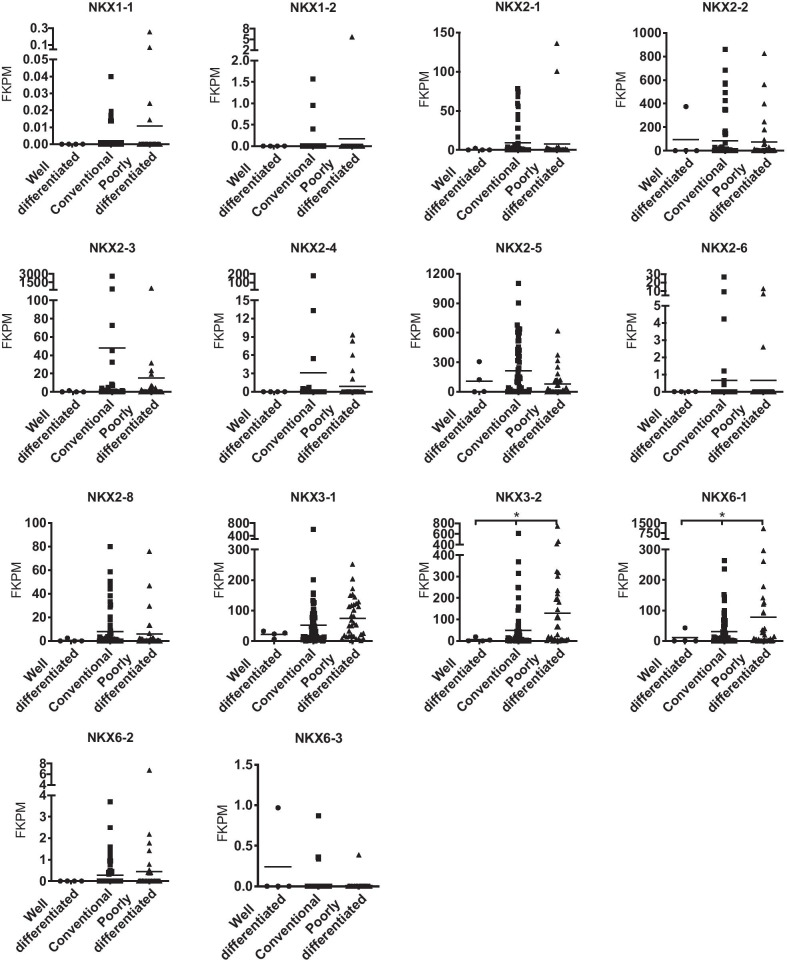
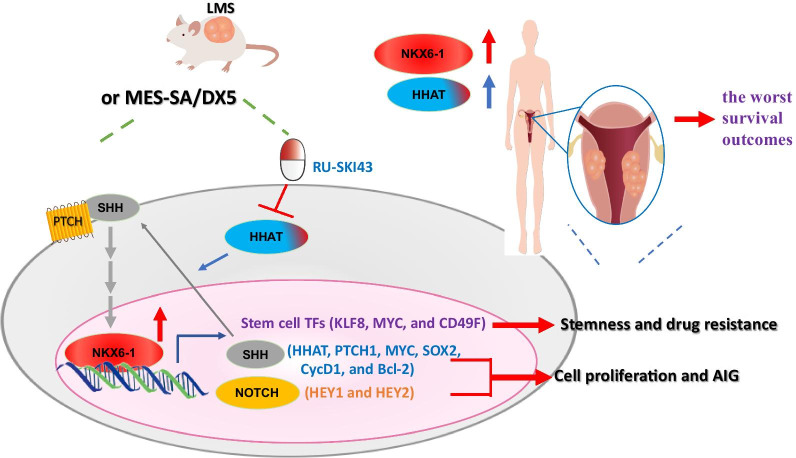
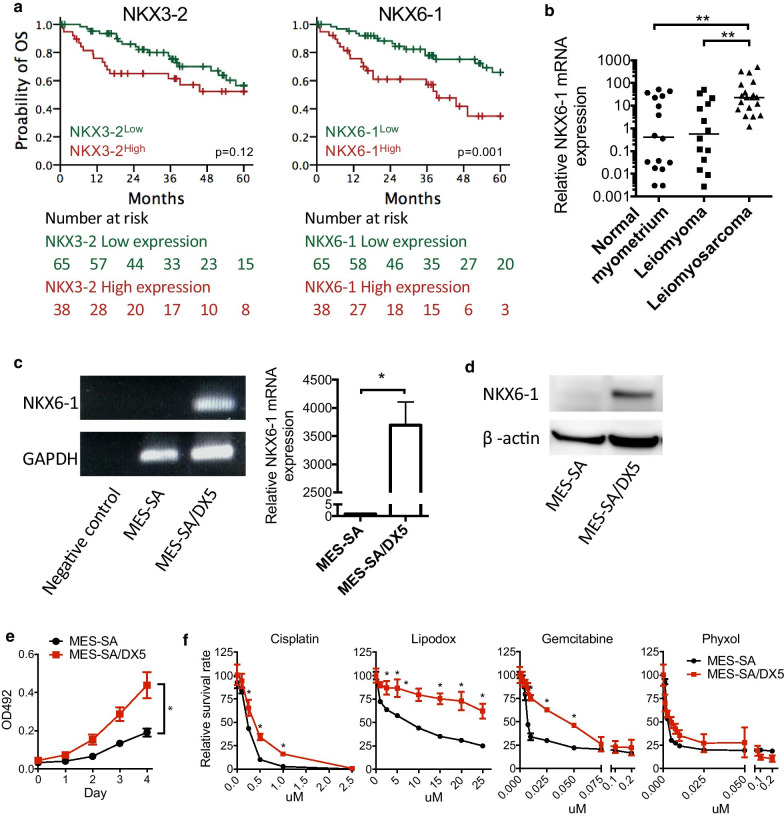
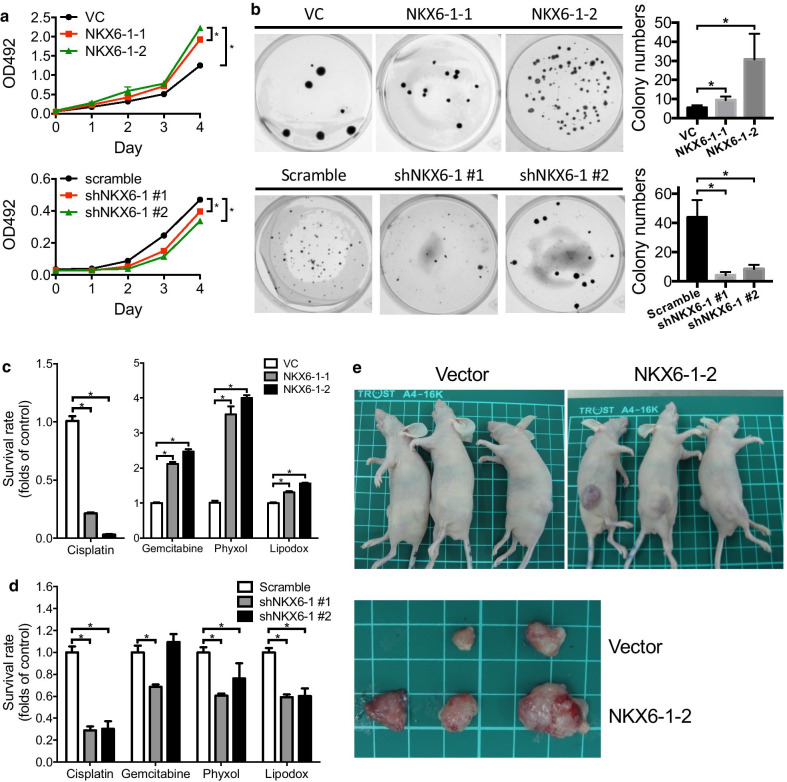
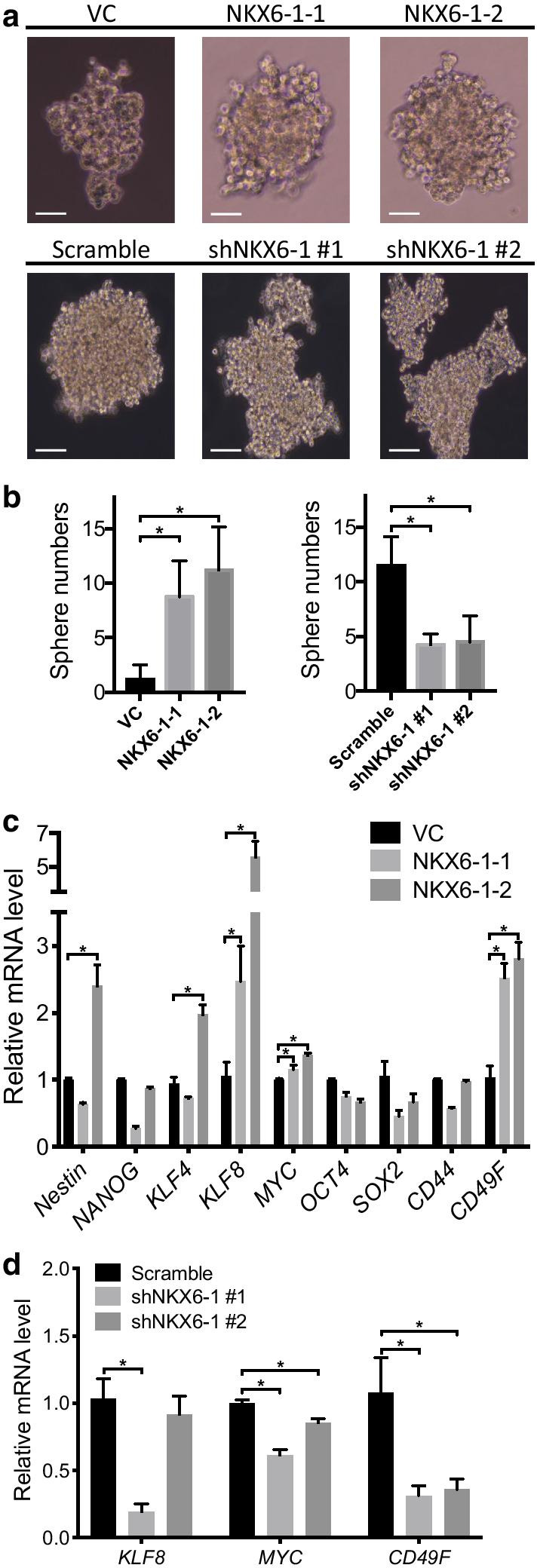
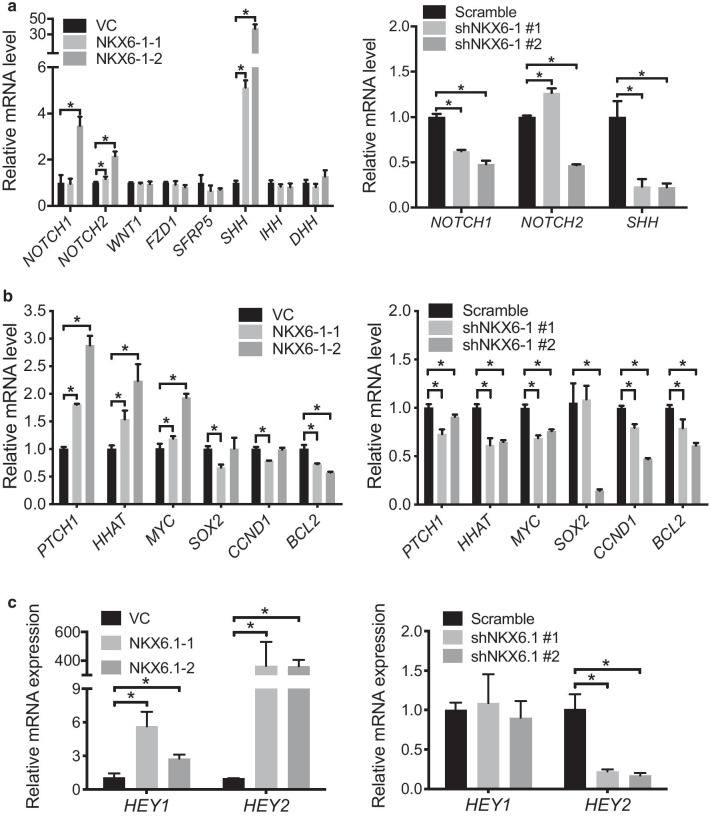
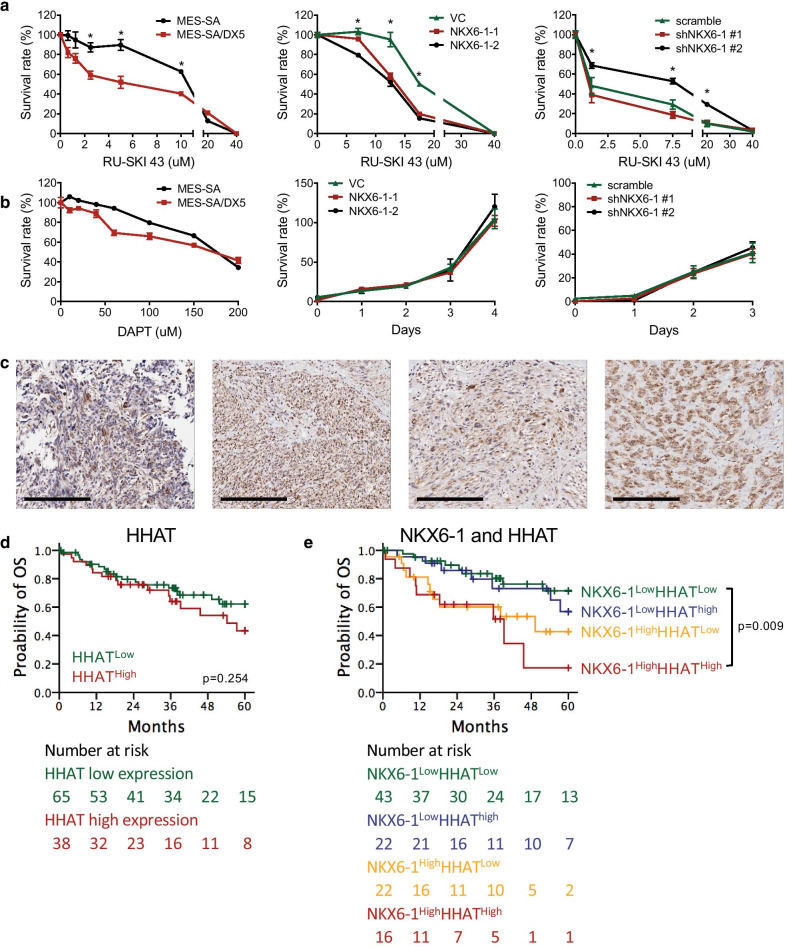
Using The Cancer Genome Atlas (TCGA) and human uterine tissue datasets, we observed that NKX6-1 expression was associated with poor prognosis and malignant potential in LMS. NKX6-1 enhanced in vitro tumor cell aggressiveness via upregulation of cell proliferation and anchorage-independent growth and promoted in vivo tumor growth. Moreover, overexpression and knockdown of NKX6-1 were associated with upregulation and downregulation, respectively, of stem cell transcription factors, including KLF8, MYC, and CD49F, and affected sphere formation, chemoresistance, NOTCH signaling and Sonic hedgehog (SHH) pathways in human sarcoma cells. Importantly, treatment with an SHH inhibitor (RU-SKI 43) but not a NOTCH inhibitor (DAPT) reduced cell survival in NKX6-1-expressing cancer cells, indicating that an SHH inhibitor could be useful in treating LMS. Finally, using the TCGA dataset, we demonstrated that LMS patients with high expression of NKX6-1 and HHAT, an SHH pathway acyltransferase, had poorer survival outcomes compared to those without.
Our findings indicate that NKX6-1 and HHAT play critical roles in the pathogenesis of LMS and could be promising diagnostic and therapeutic targets for LMS patients.
平滑肌肉瘤(LMS)是最常见的软组织肉瘤,具有异质性和复杂的遗传核型,表现出严重的染色体不稳定性和重排,以及不良的预后。
从癌症基因组图谱(TCGA)中获得与 NKX6-1 相关的临床变量。在 49 个人类子宫组织中检查 NKX6-1 mRNA 的表达。通过逆转录 PCR、western blot、集落形成、球体形成和细胞活力测定来确定 NKX6-1 在 LMS 细胞中的体外作用。在裸鼠中评估体内肿瘤生长。
使用癌症基因组图谱(TCGA)和人类子宫组织数据集,我们观察到 NKX6-1 的表达与 LMS 的不良预后和恶性潜能相关。NKX6-1 通过上调细胞增殖和锚定非依赖性生长来增强体外肿瘤细胞侵袭性,并促进体内肿瘤生长。此外,NKX6-1 的过表达和敲低分别与干细胞转录因子(包括 KLF8、MYC 和 CD49F)的上调和下调相关,并影响人肉瘤细胞的球体形成、化学抗性、NOTCH 信号和 Sonic hedgehog(SHH)通路。重要的是,用 SHH 抑制剂(RU-SKI 43)而非 NOTCH 抑制剂(DAPT)处理可降低 NKX6-1 表达的癌细胞的细胞存活,表明 SHH 抑制剂可用于治疗 LMS。最后,使用 TCGA 数据集,我们证明了 NKX6-1 表达和 HHAT(SHH 通路酰基转移酶)高表达的 LMS 患者的生存结局比没有这些标志物的患者更差。
我们的研究结果表明,NKX6-1 和 HHAT 在 LMS 的发病机制中发挥着关键作用,可能是 LMS 患者有前途的诊断和治疗靶点。