Valdés García Arantzazu, Beltrán Sanahuja Ana, Karabagias Ioannis K, Badeka Anastasia, Kontominas Michael G, Garrigós María Carmen
Department of Analytical Chemistry, University of Alicante, Nutrition & Food Sciences, San Vicente del Raspeig, ES-03690 Alicante, Spain.
Laboratory of Food Chemistry and Technology, Department of Chemistry, University of Ioannina, 45110 Ioannina, Greece.
Foods. 2021 Apr 26;10(5):944. doi: 10.3390/foods10050944.
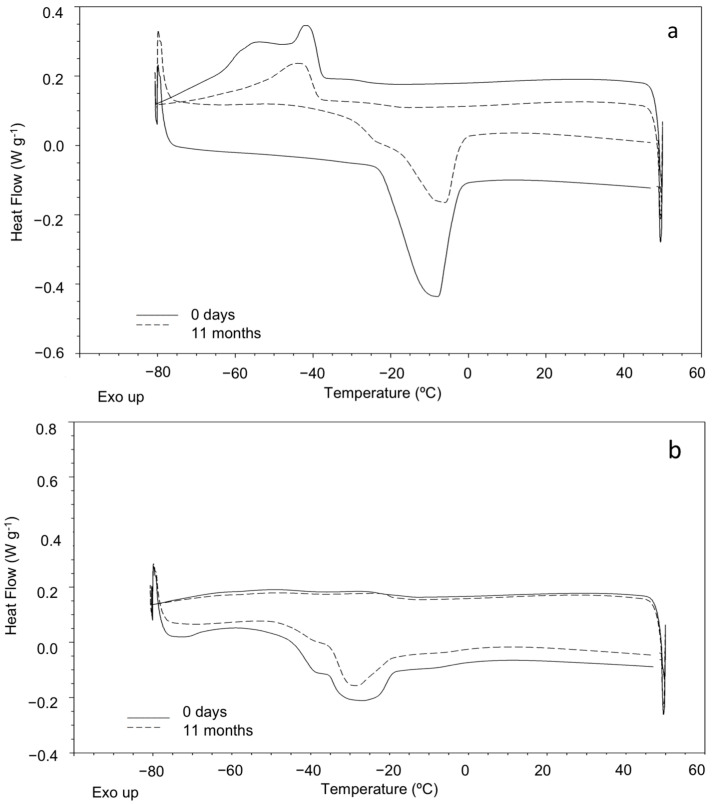
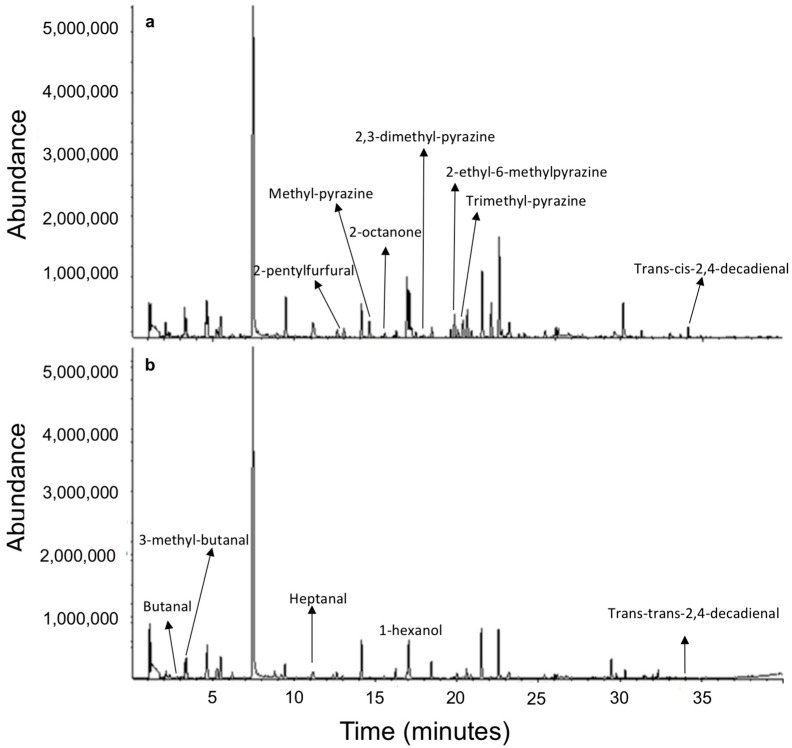
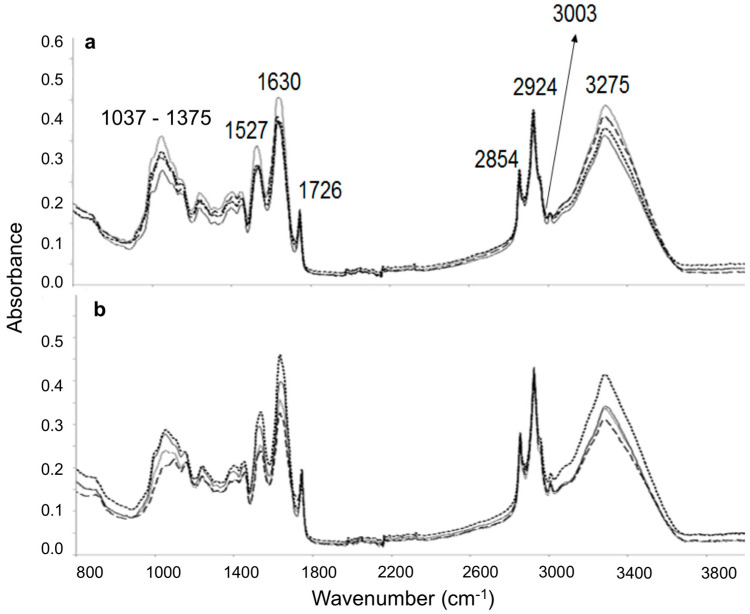
The effect of different cooking processes such as frying and roasting on the oxidative stability of sunflower seeds was evaluated under accelerated oxidation and normal storage conditions. The fatty acid composition by GC-MS showed a higher amount of linoleic acid in fried samples due to the replacement of the seed moisture by the frying oil. On the other hand, roasted samples presented a higher oleic acid content. DSC and TGA results showed some decrease in the thermal stability of sunflower seed samples, whereas PV and AV showed the formation of primary and secondary products, with increasing oxidation time. Roasted sunflower seeds showed seven main volatile compounds characteristic of the roasting process by HS-SPME-GC-MS: 2-pentylfuran, 2,3-dimethyl-pyrazine, methyl-pyrazine, 2-octanone, 2-ethyl-6-methylpyrazine, trimethyl-pyrazine, and trans,cis-2,4-decadienal, whereas fried samples showed six volatile characteristic compounds of the frying process: butanal, 2-methyl-butanal, 3-methyl-butanal, heptanal, 1-hexanol, and trans,trans-2,4-decadienal. The generation of hydroperoxides, their degradation, and the formation of secondary oxidation products were also investigated by ATR-FTIR analysis. The proposed methodologies in this work could be suitable for monitoring the quality and shelf-life of commercial processed sunflower seeds with storage time.
在加速氧化和正常储存条件下,评估了油炸和烘烤等不同烹饪工艺对葵花籽氧化稳定性的影响。气相色谱 - 质谱联用仪分析的脂肪酸组成表明,油炸样品中由于油炸油取代了种子水分,亚油酸含量较高。另一方面,烘烤样品的油酸含量较高。差示扫描量热法(DSC)和热重分析法(TGA)结果表明,葵花籽样品的热稳定性有所下降,而过氧化值(PV)和酸值(AV)表明随着氧化时间的增加,初级和次级产物形成。顶空固相微萃取 - 气相色谱 - 质谱联用仪(HS - SPME - GC - MS)分析显示,烘烤葵花籽呈现出七种烘烤过程特有的主要挥发性化合物:2 - 戊基呋喃、2,3 - 二甲基吡嗪、甲基吡嗪、2 - 辛酮、2 - 乙基 - 6 - 甲基吡嗪、三甲基吡嗪和反,顺 - 2,4 - 癸二烯醛,而油炸样品显示出六种油炸过程特有的挥发性特征化合物:丁醛、2 - 甲基丁醛、3 - 甲基丁醛、庚醛,1 - 己醇和反,反 - 2,4 - 癸二烯醛。还通过衰减全反射傅里叶变换红外光谱(ATR - FTIR)分析研究了氢过氧化物的生成、降解以及二次氧化产物的形成。这项工作中提出的方法可能适用于监测商业加工葵花籽随储存时间的质量和保质期。