Department of Chemical Engineering, Massachusetts Institute of Technology, Cambridge, MA, 02139, USA.
The Koch Institute for Integrative Cancer Research, Massachusetts Institute of Technology, Cambridge, MA, 02139, USA.
Microb Cell Fact. 2021 May 1;20(1):94. doi: 10.1186/s12934-021-01583-6.
Vaccines comprising recombinant subunit proteins are well-suited to low-cost and high-volume production for global use. The design of manufacturing processes to produce subunit vaccines depends, however, on the inherent biophysical traits presented by an individual antigen of interest. New candidate antigens typically require developing custom processes for each one and may require unique steps to ensure sufficient yields without product-related variants.
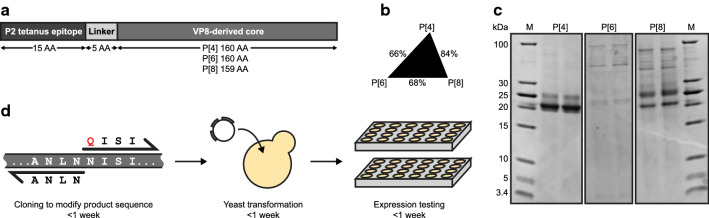
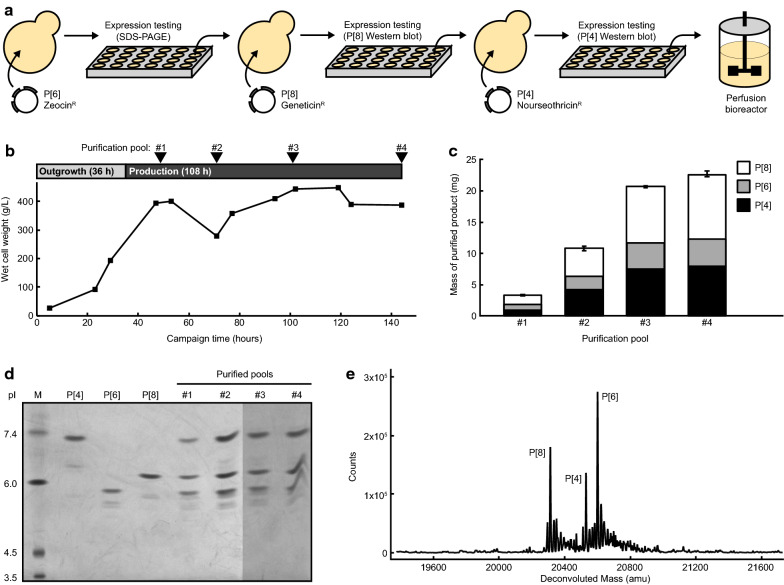
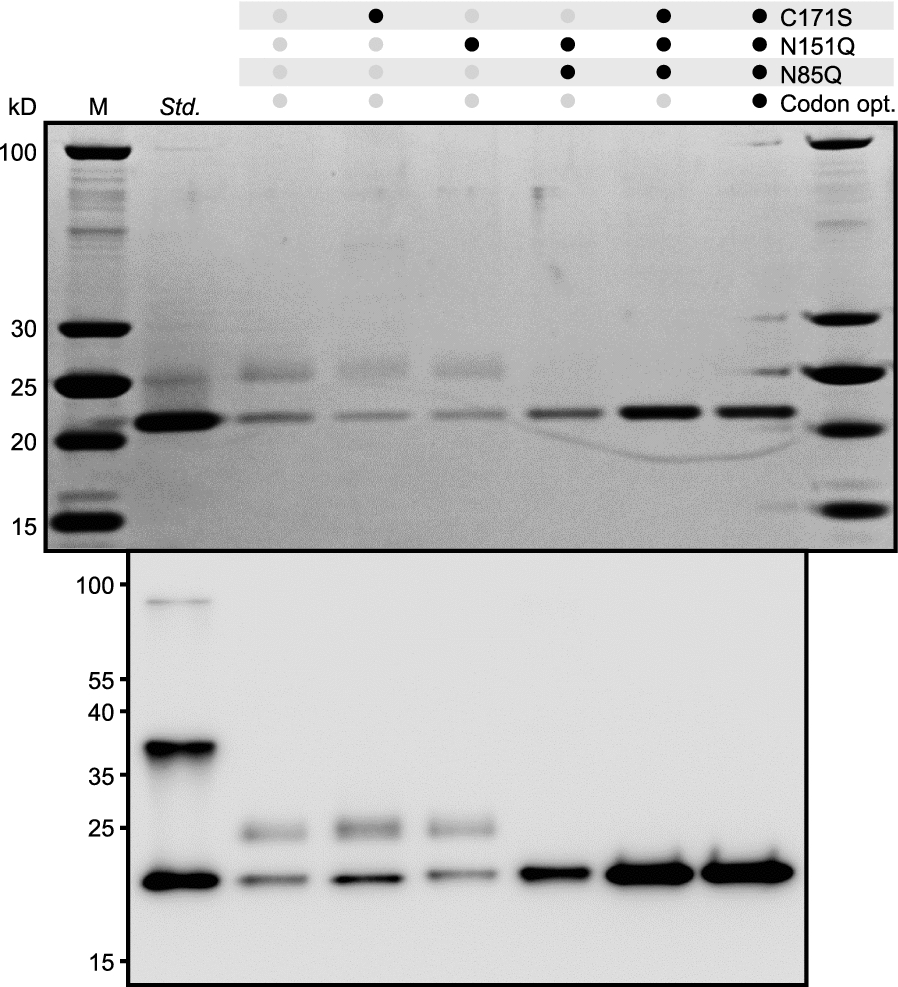
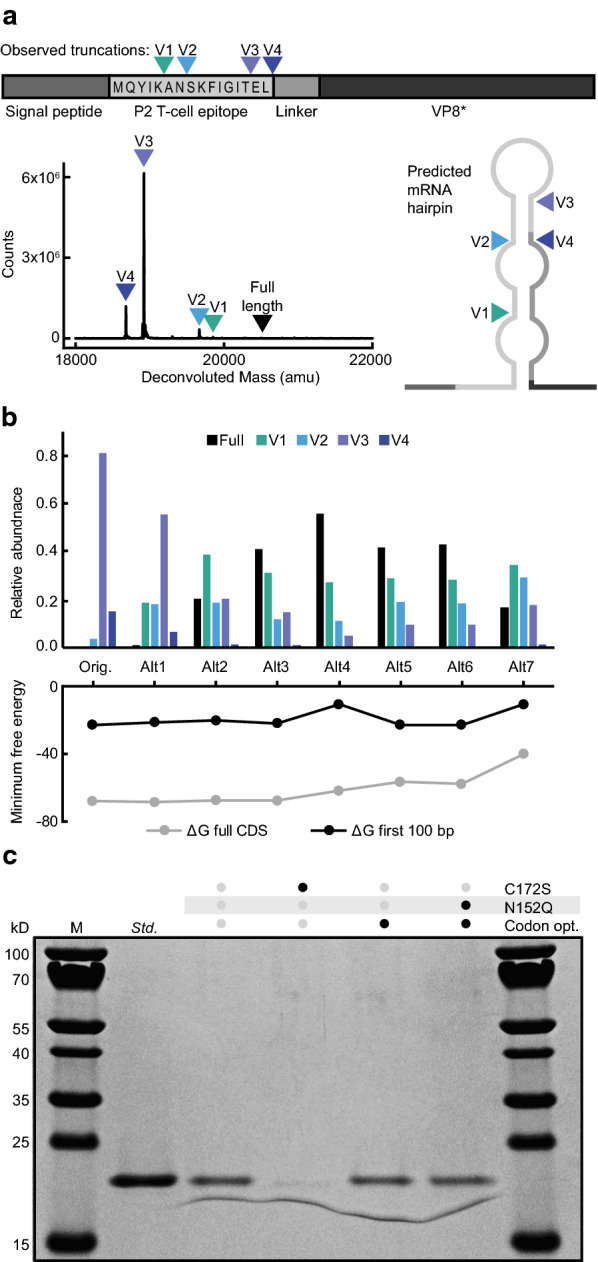
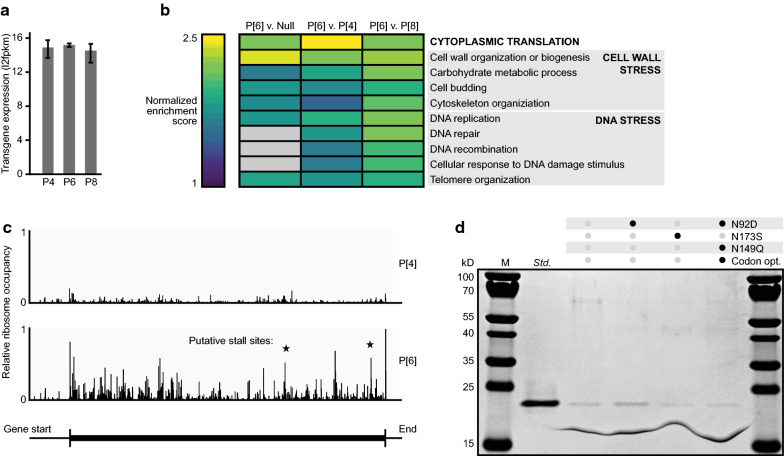
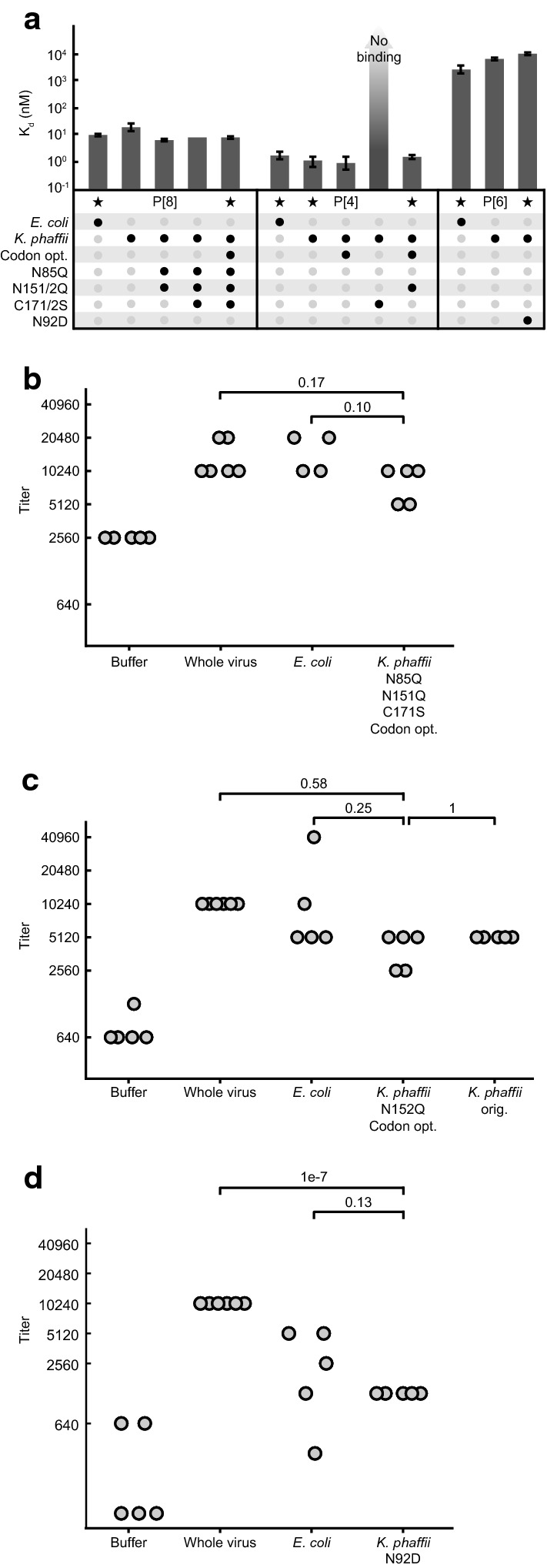
We describe a holistic approach for the molecular design of recombinant protein antigens-considering both their manufacturability and antigenicity-informed by bioinformatic analyses such as RNA-seq, ribosome profiling, and sequence-based prediction tools. We demonstrate this approach by engineering the product sequences of a trivalent non-replicating rotavirus vaccine (NRRV) candidate to improve titers and mitigate product variants caused by N-terminal truncation, hypermannosylation, and aggregation. The three engineered NRRV antigens retained their original antigenicity and immunogenicity, while their improved manufacturability enabled concomitant production and purification of all three serotypes in a single, end-to-end perfusion-based process using the biotechnical yeast Komagataella phaffii.
This study demonstrates that molecular engineering of subunit antigens using advanced genomic methods can facilitate their manufacturing in continuous production. Such capabilities have potential to lower the cost and volumetric requirements in manufacturing vaccines based on recombinant protein subunits.
包含重组亚单位蛋白的疫苗非常适合用于全球使用的低成本和大规模生产。然而,生产亚单位疫苗的制造工艺的设计取决于所关注的单个抗原的固有生物物理特性。新的候选抗原通常需要为每个抗原开发定制的工艺,并且可能需要独特的步骤来确保在不产生与产品相关的变体的情况下获得足够的产量。
我们描述了一种综合方法,用于通过生物信息学分析(如 RNA-seq、核糖体谱分析和基于序列的预测工具)对重组蛋白抗原进行分子设计,同时考虑其可制造性和抗原性。我们通过对三价非复制型轮状病毒疫苗(NRRV)候选物的产品序列进行工程改造,来提高滴度并减轻由于 N 端截断、高甘露糖化和聚集引起的产品变体,从而证明了这种方法。三种工程化的 NRRV 抗原保留了它们原来的抗原性和免疫原性,而它们改进的可制造性使得可以在单个、端到端的灌注过程中同时生产和纯化三种血清型,该过程使用生物技术酵母毕赤酵母(Komagataella phaffii)。
这项研究表明,使用先进的基因组方法对亚单位抗原进行分子工程改造,可以促进其在连续生产中的制造。这些能力有可能降低基于重组蛋白亚单位的疫苗制造的成本和体积要求。